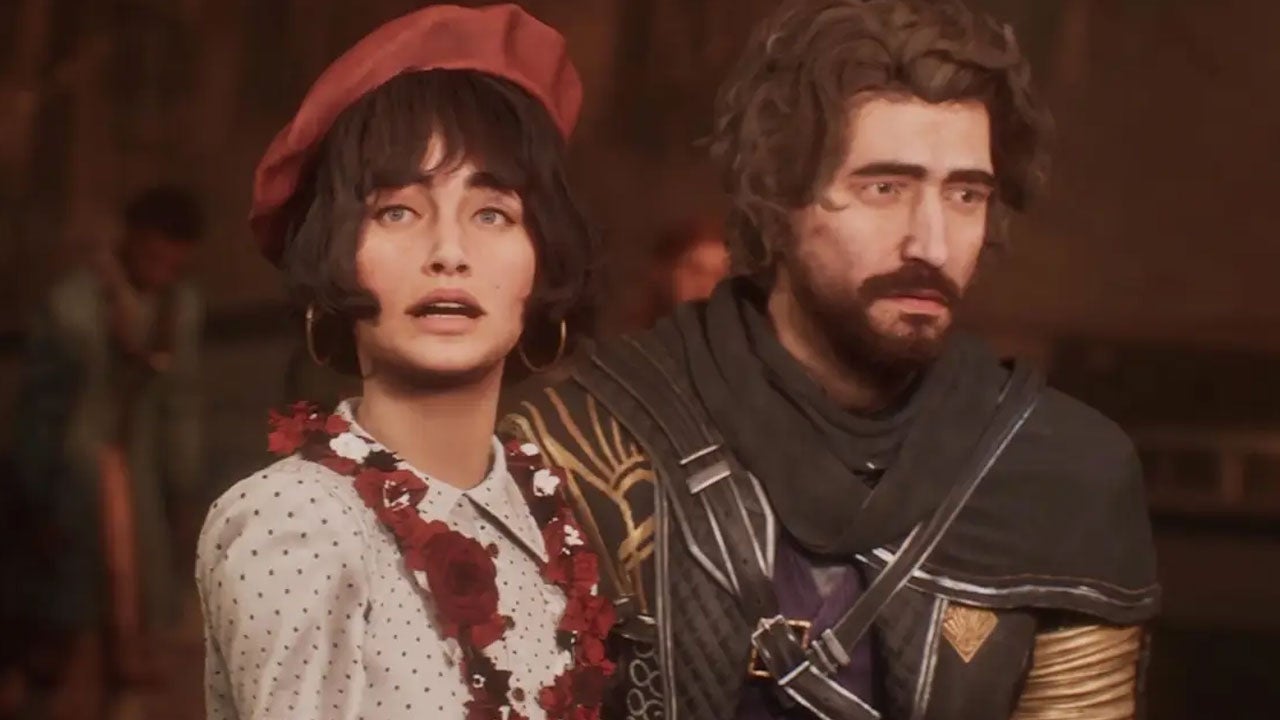
Clair Obscur: Expedition 33, an acclaimed title that swept the Game Awards 2025 by winning the Game of the Year and Best Independent Game awards, has been disqualified from the Indie Game Awards for the use of generative artificial intelligence tools in its creative process.
This decision has sparked an intense debate about what it means to be an “indie” game in 2025 and the role of AI in video game development.
The controversy arises in a context where technology is rapidly integrating into artistic production.
AI has ruined one of the most beloved awards for indie developers
While some advocates believe that AI is a tool that can enhance the creativity of developers, critics fear that it will erode artistic authorship and displace professionals in the industry.
This dichotomy reflects a reality in which, while AI provides small studios the ability to compete with larger productions, it also raises questions about the authenticity of the works created with its help.
Despite its disqualification, Clair Obscur has been well received by players, who have praised its artistic direction and ambitious narrative.
However, their exclusion from the awards has raised questions about how the indie category should be defined, considering factors such as the size of the studio, the budget, and the use of automated technologies.
The absence of the game in the list of award winners has highlighted the tension between the rules of the competition and the reality of modern independent development.
The disqualification of Clair Obscur is not just an isolated incident, but a symptom of the profound change occurring in the industry. As artificial intelligence is incorporated into creative processes, festivals and awards will be forced to reconsider their criteria and definitions. The conversation about what it means to be indie in the age of artificial intelligence is just beginning.