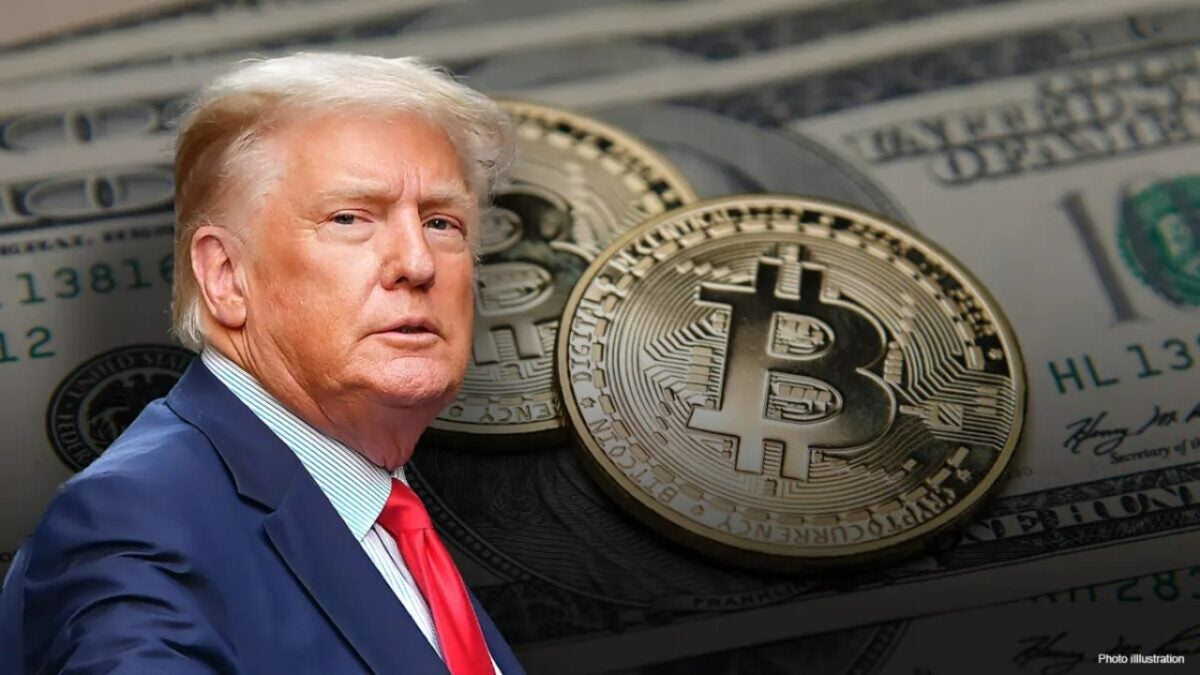
The recent acceptance of cryptocurrency by the former President of the United States has been notable, starting with the pro-cryptocurrency comments made at an event earlier this month. There, in the land of freedom, cryptocurrencies are starting to become a national concern.

In addition, Trump’s presidential campaign started accepting cryptocurrency donations last Tuesday, fulfilling his promise to become the first candidate from a major party to accept digital currencies such as Bitcoin (BTC) and Ethereum (ETH).
The battle to win the vote of the crypto community has begun, with the elections just a few months away. It seems like a very juicy pool of votes for both.
Donald Trump bets on Bitcoin as a real and useful currency in the US
In a recent social media post, former President of the United States, Donald J. Trump, expressed his support for the booming cryptocurrency industry. He said:
“I am very positive and open-minded about companies using cryptocurrencies and everything related to this new and thriving industry. […] Our country should be the leader in the field, there is no second place,” he said on his social network Truth.
This statement comes as both Trump and his rival, current president Joe Biden, seem to be competing for the support of pro-crypto voters in the upcoming presidential elections.
After Trump’s pro-crypto stance, it seems that there has been a shift in the Biden administration’s opposition to cryptocurrencies, as well as a softening of the traditionally anti-crypto stance of the Securities and Exchange Commission.
Last Wednesday, the White House issued a statement expressing its opposition to the approval by the House of Representatives of a bill on the structure of the cryptocurrency market, but Biden did not threaten to veto it.
The Chamber proceeded to approve the measure, which now goes to the Senate. In addition, on Thursday, Ethereum exchange-traded funds (ETFs) took a significant step towards being available in the US. after the Securities and Exchange Commission approved the filing of key regulatory documents, a measure that was considered extremely unlikely just a month ago.
