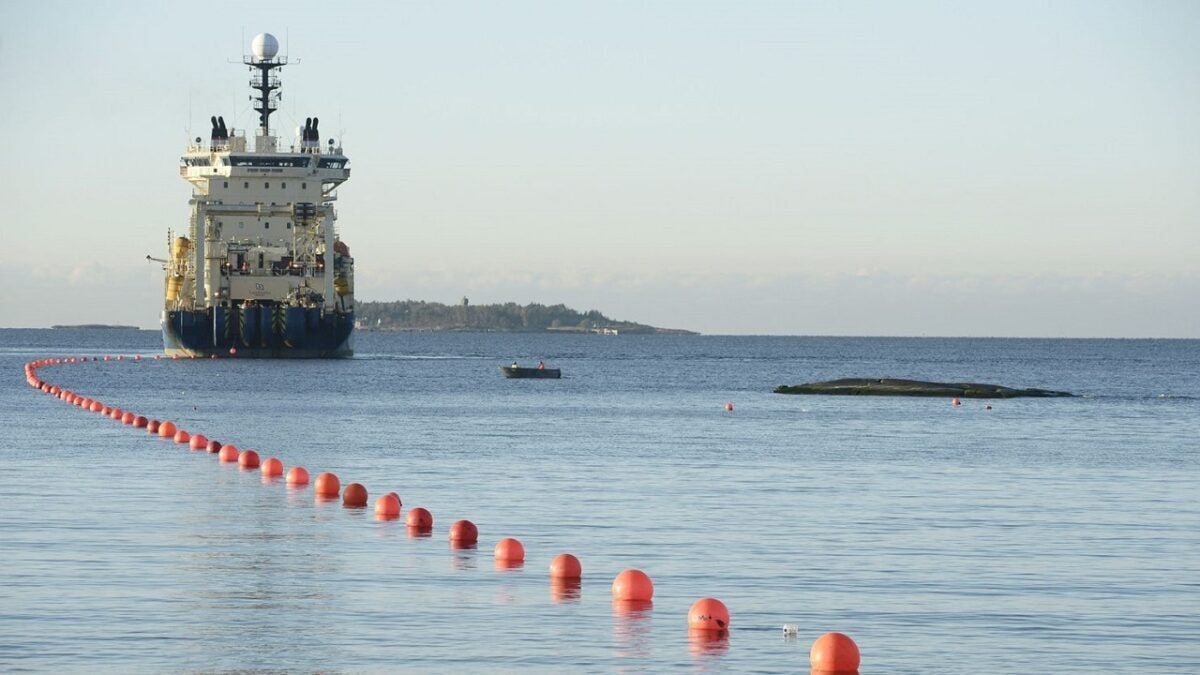
In a context of increasing global interconnection, investments in submarine cables are expected to reach 13 billion dollars in the next two years, doubling what was invested between 2022 and 2024.
This trend is primarily driven by tech giants like Meta, Amazon, Microsoft, and Google, who are leading a significant expansion of underwater communication infrastructure.
The Amazon Fastnet project, which will connect Maryland, USA with Ireland, is one of the most prominent, contrasting with Meta’s ambitious initiatives.
In 2023, the average repair time for a damaged cable was 40 days
The Waterworth Project will cover approximately 50,000 kilometers, becoming the largest underwater project to date.
In addition, Meta is developing the 2Africa project, designed to interconnect all of Africa and parts of Europe through 45,061 kilometers of cable. For its part, Google is also in the race with its Sol cable, which will connect Florida, Bermuda, the Azores, and Spain.
Despite these advancements, the increase in the number of submarine cables is not without risks. Breaks in these cables are becoming increasingly common, which can lead to entire nations being disconnected from the Internet.
In 2023, the average repair time for a damaged cable was 40 days. In response to this issue, NATO launched the Baltic Sentry program in response to mysterious cuts in the region, successfully reducing the number of reported incidents.
The situation is even more complicated in areas of geopolitical tension, such as the Taiwan Strait, where disturbances with China have led to increased surveillance along the island’s coasts.
Although most damage to cables is accidental, new models of international cooperation are being considered to improve repair times and strengthen the security of this critical communication infrastructure.