TikTok has announced that it has dismantled over a dozen covert influencer campaigns on its platform since January, including one originating from China. In a blog post, the company has stated that it will begin publicly reporting on these campaigns, where networks of coordinated accounts attempt to influence political discourse. The goal, according to the social network, is to “increase transparency about our work to aggressively counter influence attempts”.

In this first report, TikTok details 15 influencer campaigns involving 3,000 accounts with millions of followers. In February, the company dismantled a network of 16 accounts operated from China that targeted US users. These fake accounts amplified positive narratives about China, promoting its government policies and culture, and accumulated about 110,000 followers.
In March, TikTok removed a network of 52 accounts from Ukraine, with 2.6 million followers. These accounts were posting clickbait content in favor of Ukraine, attempting to manipulate the discourse about the war between Russia and Ukraine. Additionally, the company has identified several campaigns in Indonesia, Venezuela, Germany, and Iran, among other countries, that attempted to manipulate political opinion.
TikTok also plans to further restrict the reach of state media accounts on the platform. These accounts will not appear in the “For You” feed and will not be able to advertise outside their home countries.
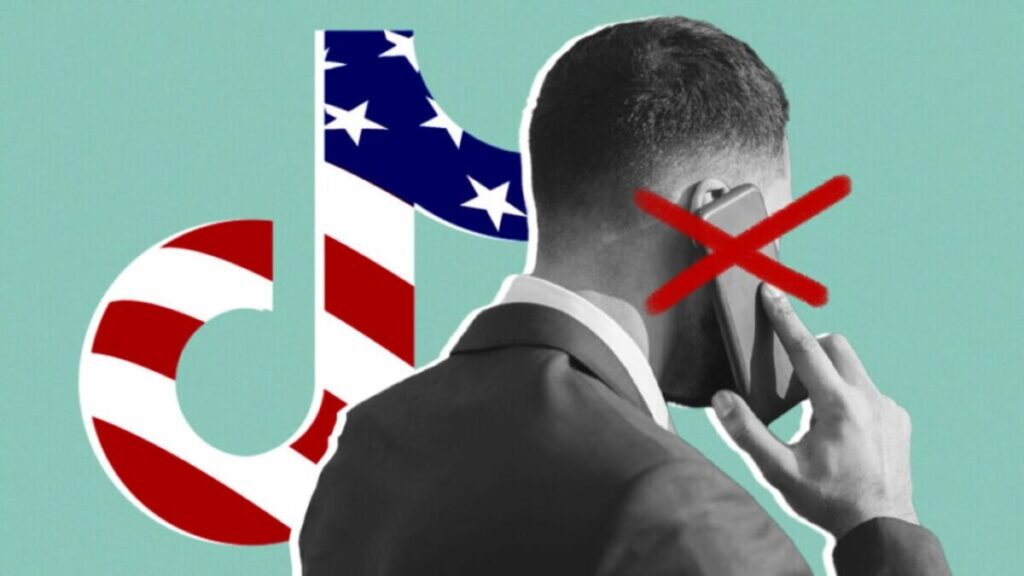
This revelation comes in a context where TikTok is facing a possible ban in the United States, where a bill could force its parent company, ByteDance, to divest from the app, further straining relations between the United States and China. Supporters of the bill argue that TikTok could be used to influence Americans and that the Chinese government controls TikTok’s recommendation algorithm, although they have not presented concrete evidence so far.
TikTok is not the only platform used by governments to politically influence the population. Meta and Google regularly report on influence operations they detect and remove. In 2018, Facebook shut down a “coordinated authentic behavior” aimed at influencing the United States elections, and in 2022, Twitter, Facebook, Instagram, and WhatsApp discovered and removed a campaign that promoted American interests abroad, targeting adversaries such as Russia, China, and Iran.
