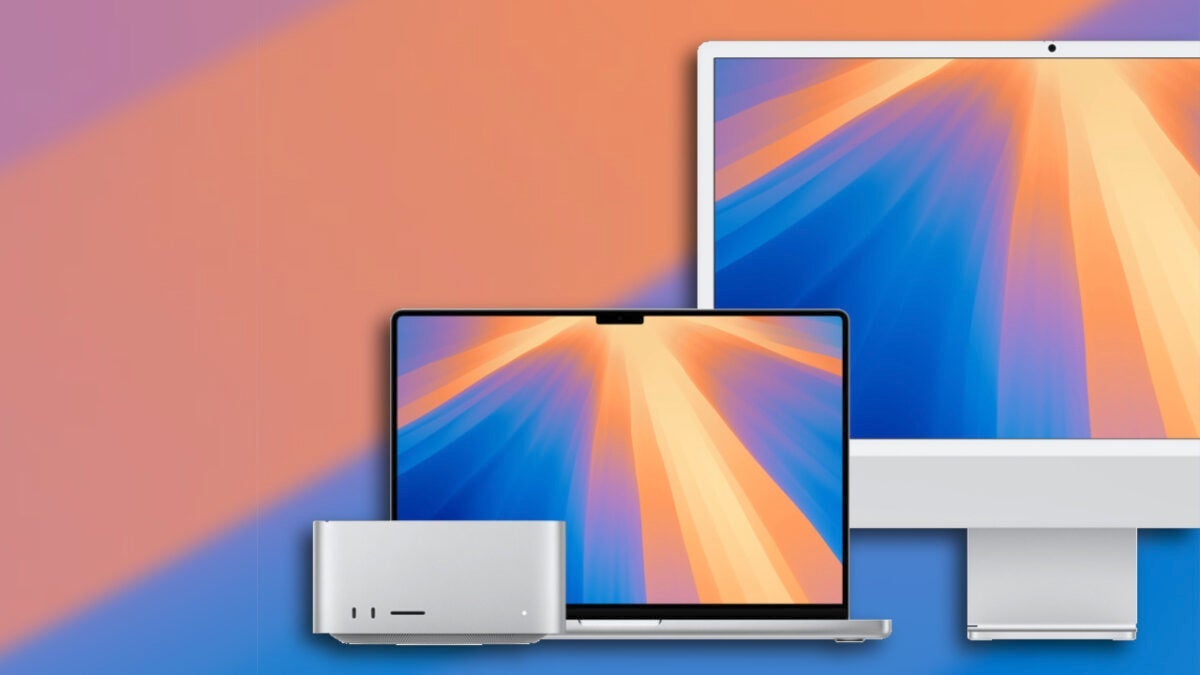
In a week full of announcements, Apple has taken a step that marks a milestone for Mac computers. We are talking about RAM, of course. We have seen the arrival of the new iMac M4, which start with 16GB of RAM. Then, we have seen the arrival of the new Mac mini, which, again, starts with 16GB of RAM. Finally, the new MacBook Pro which, well, the same. But there is more. To everyone’s surprise, Apple has decided that all Macs, including previous models that remain in the catalog, now start with 16GB of RAM as standard without increasing the price, leaving behind the 8GB option.

A change in RAM: goodbye to 8GB as the standard
Since 2016, when the MacBook Air with 4GB of RAM was discontinued, the basic models of most Macs (except the Mac Studio and the Mac Pro) have come with 8GB of RAM as a starting point. This configuration was sufficient then and became even more so with the arrival of Apple silicon. The shared memory architecture of Apple silicon chips, combined with the optimization that macOS performs on RAM, allows a Mac computer with 8GB of RAM to easily compete with a Windows computer with double or triple the memory.
With the update, however, not only do the new Macs include 16GB of RAM as standard, but Apple has also updated the entry-level MacBook Air models with M2 and M3 chips to feature this amount of memory. But why? The answer lies in Apple Intelligence.
While Macs have operated with 8GB of RAM for years and have done so with great performance and capabilities, artificial intelligence functions require a large amount of resources, and RAM plays a fundamental role.
Apple Intelligence, which is precisely why it is found in the iPhone 15 Pro but not in the entry-level iPhone 15 model, has minimum requirements of 8GB of RAM. In fact, we have seen the arrival of the A17 Pro chip with 8GB of RAM in the new iPad mini, precisely to allow it to run Apple Intelligence.
More things in memory, basically
The functions of artificial intelligence depend directly on the speed and availability of RAM, as AI algorithms and models need to be loaded into memory to be executed. In the case of Apple Intelligence, always available in various parts of the system, this need is even more important and has a direct impact on the performance and efficiency of its AI models.
With 16GB of RAM as standard, Macs have enough capacity to keep the multiple applications we could use so far and AI processes running simultaneously, including image processing, voice recognition, or smart recommendations.
Of course, the change benefits us beyond Apple Intelligence, as Apple’s models are so well optimized that they don’t need more than approximately 2GB of memory to run. These requirements may evolve over time, of course, but as of today, this leaves us with more free memory than the Mac had to work with until now.
An excellent piece of news that reflects both the importance of artificial intelligence in Apple’s plans and its plans to expand the capabilities of Apple Intelligence, thus offering us future-ready devices.
