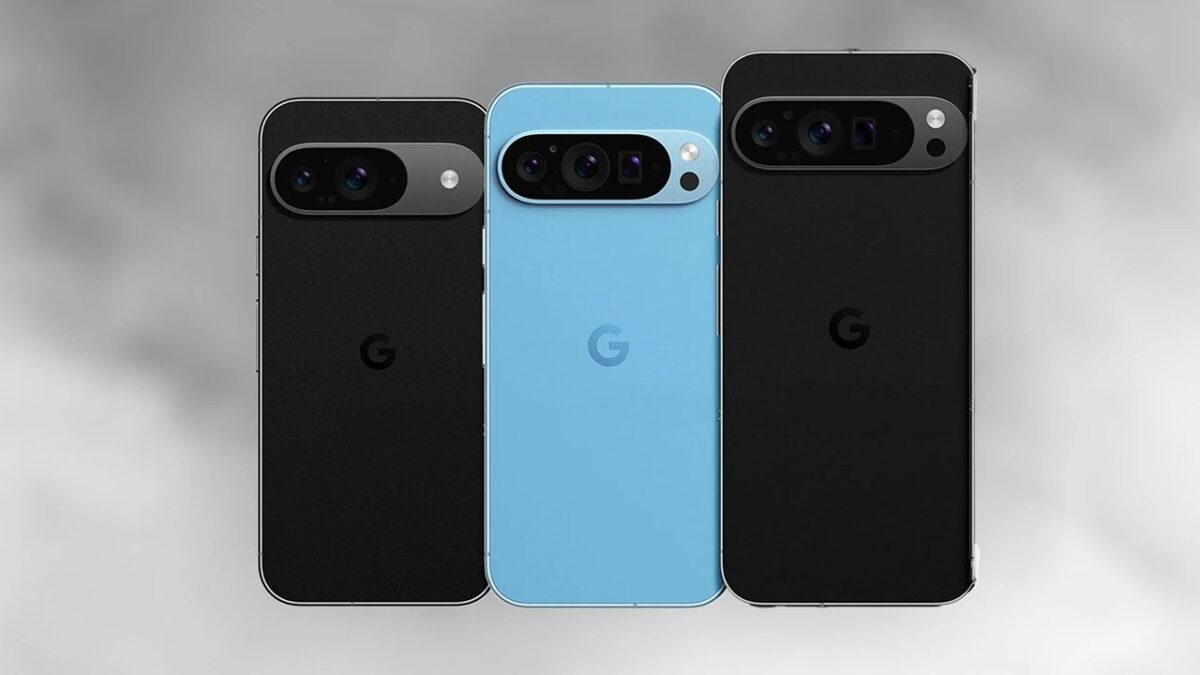
Google and Qualcomm have announced a strategic alliance aimed at extending software and security support on Android phones for up to eight years, a significant advancement that promises to improve the sustainability of mobile devices. Let’s remember that Google already offers 7 years of support for Android on its Pixel 8 and Pixel 9.

This new program includes updates for both the Android operating system and the SoC, allowing original equipment manufacturers (OEMs) to keep their devices updated without incurring substantial additional costs.
The implementation of this extended support is subject to the manufacturers’ decision, with some like OnePlus already expressing their intention to offer only four years of support.
Is it possible to provide 8 years of updates realistically?
The first phase of the program will be applied to phones equipped with Snapdragon Elite 8 chipsets, and it is expected to cover the next five generations of Qualcomm processors. This means that companies using these chips will have access to reliable software for a considerable period.
Despite these promises, there are challenges. Not only is the support period affected by manufacturers’ decisions, but there is also the issue of the durability of lithium-ion batteries, which could deplete within a span of eight years, limiting the actual lifespan of the devices.
In addition, the new software features, especially those that incorporate artificial intelligence, require more advanced chips, which could make the user experience less than optimal throughout the support duration.
At a time when concern about planned obsolescence and electronic waste is greater than ever, this collaboration represents a positive step towards sustainability.
Many users could benefit from being able to use their phones for a longer time, perhaps mitigating the alarmingly growing volume of electronic waste. However, the feasibility of extending the lifespan of a smartphone to eight years remains to be seen in practice.