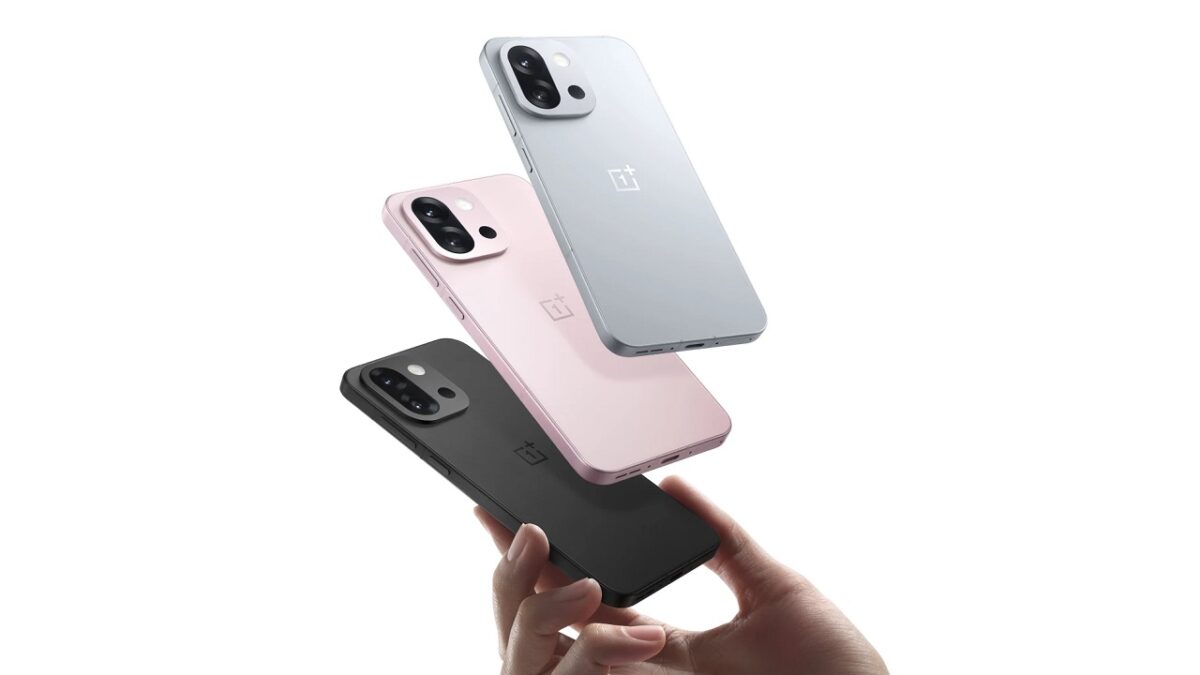
How long does the battery of the new OnePlus 15 last?

The new OnePlus 15 has set a milestone in battery performance, offering a duration of 25 hours and 13 minutes in tests, placing it ahead of competitors like the iPhone 17 Pro Max and the Galaxy S25 Ultra. This remarkable performance is due to its innovative 7,300 mAh silicon-carbon dual-cell battery, which promises greater energy density without increasing the size of the device. With this battery technology, OnePlus has achieved a significant breakthrough by overcoming the limitations of lithium-ion batteries, which have not evolved at the pace […]

The new OnePlus 15 has set a milestone in battery performance, offering a duration of 25 hours and 13 minutes in tests, placing it ahead of competitors like the iPhone 17 Pro Max and the Galaxy S25 Ultra.

This remarkable performance is due to its innovative 7,300 mAh dual silicon-carbon cell battery, which promises greater energy density without increasing the size of the device.

With this battery technology, OnePlus has achieved a significant breakthrough by overcoming the limitations of lithium-ion batteries, which have not evolved at the pace of other phone components.

Two days of use is a dream come true

The silicon-carbon battery not only provides remarkable capacity but also allows the OnePlus 15 to offer two full days of normal use, achieving a record duration time of 2 days, 11 hours, and 5 minutes under real usage conditions.

The charging speed is also impressive, with the ability to charge to 81% in just 30 minutes thanks to 80W SUPERVOOC technology. In comparison, other high-end phones, such as the iPhone 17 Pro Max and the Galaxy S25 Ultra, offer much lower charging times and battery life, highlighting the exceptional efficiency of the OnePlus 15.

The tests conducted indicate that even after a full day of intensive use, the OnePlus 15 remained at a 68% charge. This everyday usage experience seems to confirm that users will be able to rely on this device for significantly longer periods without the need to recharge it daily.

With the OnePlus 15, the future of battery life in smartphones looks promising, taking a step forward into a new era where smartphones can offer more than a day’s use on a single charge, something that consumers have been demanding for years.

The fairest smartphone in the world arrives in the United States with a big "but"

Fairphone, the Dutch manufacturer of sustainable electronics, has confirmed its entry into the U.S. market, after operating exclusively in Europe since its founding in 2013. The company will launch its Fairbuds XL headphones through Amazon in November. CEO Raymond van Eck highlighted that this expansion responds to a growing consumer push and legislation in the U.S. advocating for the right to repair, noting that “the demand for sustainable and durable technology has never been higher.” Despite this positive advancement, van Eck warned that Fairphone’s entry into the market of […]

Fairphone, the Dutch manufacturer of sustainable electronics, has confirmed its entry into the U.S. market, after operating exclusively in Europe since its founding in 2013.

And the company will launch its Fairbuds XL headphones through Amazon in November. The CEO, Raymond van Eck, highlighted that this expansion responds to a growing consumer push and legislation in the U.S. advocating for the right to repair, noting that “the demand for sustainable and durable technology has never been higher.”

Despite this positive progress, van Eck warned that Fairphone’s entry into the mobile phone market is a complex process. More than 90% of the phones sold in the U.S. are marketed through mobile operators, which would complicate the distribution of their devices.

An entry to the US that may not be as expected

Currently, it is possible to purchase a Fairphone 6 in the U.S., but only in an exclusive configuration from T-Mobile and with an open-source operating system, which limited its reach.

Van Eck explained that the development of an antenna system adapted to U.S. networks is necessary to comply with local regulations, which will require resources and time.

While there has been speculation about the possibility of launching a new model, such as the Fairphone 7, that is compatible with U.S. networks, it is not expected that the brand’s modular phones will arrive in the country in the short term.

However, Fairphone’s expansion could have a positive impact on the U.S. market, where the fight for sustainable technology is gaining relevance.

In conclusion, although the arrival of the Fairbuds XL marks an important milestone, fans of the right to repair should be cautious regarding the imminent availability of Fairphone’s modular phones in the U.S. Expectations should be moderated, as the certification process and design for the U.S. market are significant challenges that the company will need to overcome.

Google’s Pixel 10 Pro Set to Upgrade PWM Dimming Rate to 480Hz

The imminent release of Google’s flagship Pixel 10 series is generating buzz as leaks about the devices trickle in.

Notably, reports suggest that the Pixel 10 Pro may see an upgrade in its Pulse Width Modulation (PWM) dimming rate to 480Hz, a step up from the current 240Hz seen in earlier models.

This enhancement mirrors similar updates made by Samsung with its Galaxy S24 and S25 series. However, it appears that this upgrade may not extend to the standard Pixel 10 model.

Google’s Pixel 10 Pro Set for Upgraded PWM Dimming Rate

Despite the increase to 480Hz, industry experts remain skeptical about whether this adjustment will satisfactorily address existing issues related to flicker sensitivity.

The current rate still falls short of meeting the IEEE standards, which recommend a minimum PWM rate of 1920Hz to alleviate flicker discomfort. Competing devices from brands like Honor have even pushed the envelope further, achieving PWM rates of up to 4320Hz.

In discussions with Android Authority, it was revealed that Google is reportedly aware of these flicker sensitivity issues and is investigating potential enhancements for the Pixel 10 series.

There are hints suggesting the inclusion of an additional accessibility setting aimed at users with sensitive eyes, which could further improve the PWM dimming rate. Phones from manufacturers like OnePlus and Motorola have already adopted similar features, aiming to ensure a more comfortable viewing experience.

Despite these hopeful signals, concerns remain. Users with flicker sensitivity, such as the author of the report, express ongoing discomfort while using Pixel devices due to their high brightness levels coupled with lower PWM rates.

As anticipation builds for the Pixel 10’s announcement in the coming weeks, it remains to be seen if Google can effectively address these criticisms and improve the overall user experience.

Google Pixel 10 Faces Performance Challenges Against Pro Models

The upcoming Google Pixel 10 series is generating buzz, but recent leaks have raised concerns over the base model’s competitiveness in a market increasingly dominated by high-performance devices.

According to an exclusive report from Android Headlines, only the Pixel 10 Pro and Pro XL will come equipped with a vapor chamber, a critical feature that helps dissipate heat and enhances overall performance.

This means that the Pixel 10 may struggle to keep pace with its Pro counterparts.

Base Model Lacks Vapor Chamber and Wi-Fi 7, Raising Concerns for Pixel 10

This exclusion mirrors the strategy Google employed with the Pixel 9 series, which similarly limited advanced cooling technology to the Pro models. Critics argue that this differentiation strategy could hinder the Pixel 10’s appeal, making it a tougher sell for consumers looking for reliable performance in a more affordable package.

The absence of a vapor chamber could lead to overheating issues, particularly during demanding tasks, diminishing the user experience.

Further complicating matters, the base Pixel 10 will lack support for Wi-Fi 7, a feature included in the Pixel 9 base model. As consumers increasingly prioritize connectivity, this omission raises eyebrows since both models are likely to share the same modem, potentially limiting the Pixel 10’s capabilities against other devices on the market.

Additionally, the Pixel 10 will not feature Ultra Res Zoom or Ultra Stable video recording, although it is expected to boast a telephoto lens. While this makes sense from a marketing standpoint—encouraging consumers to opt for the Pro models for advanced camera features—it may further diminish the base model’s standing in an ever-competitive landscape.

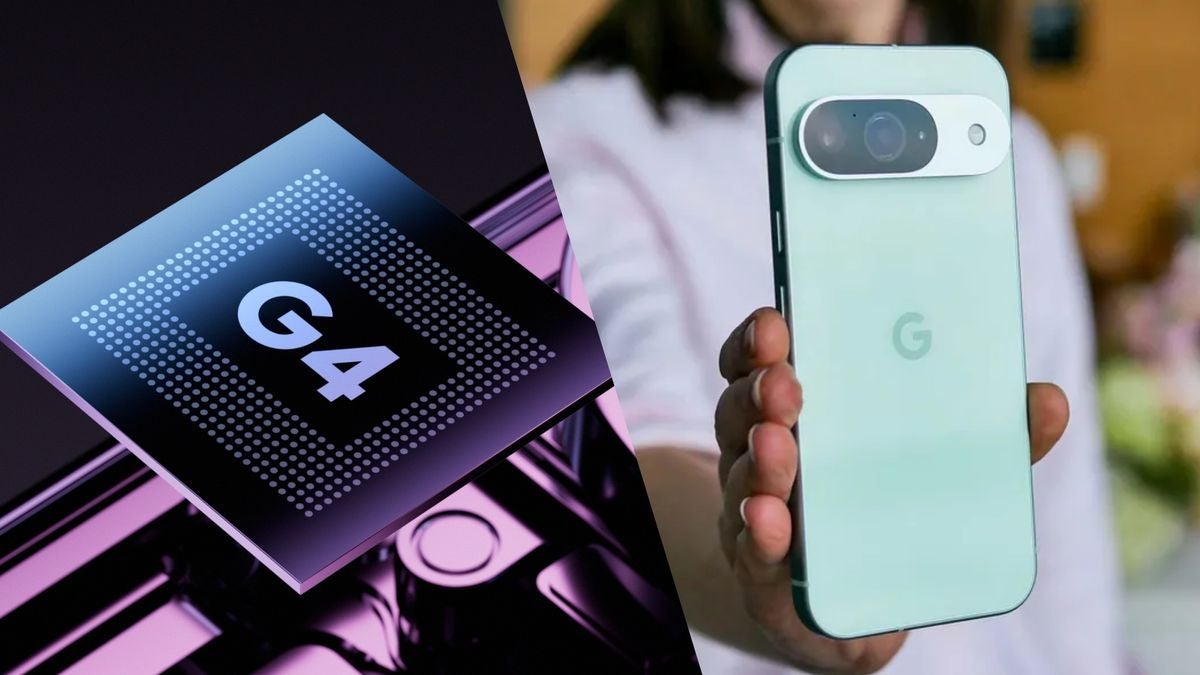
As speculation grows about the efficiency of the new Tensor G5 chip, which could mitigate performance gaps, the Pixel 10’s success remains uncertain. With the launch approaching, will Google be able to close the performance chasm between the base and Pro models, or will the Pixel 10 follow the trend of being overshadowed by its more powerful siblings? Only time will tell.

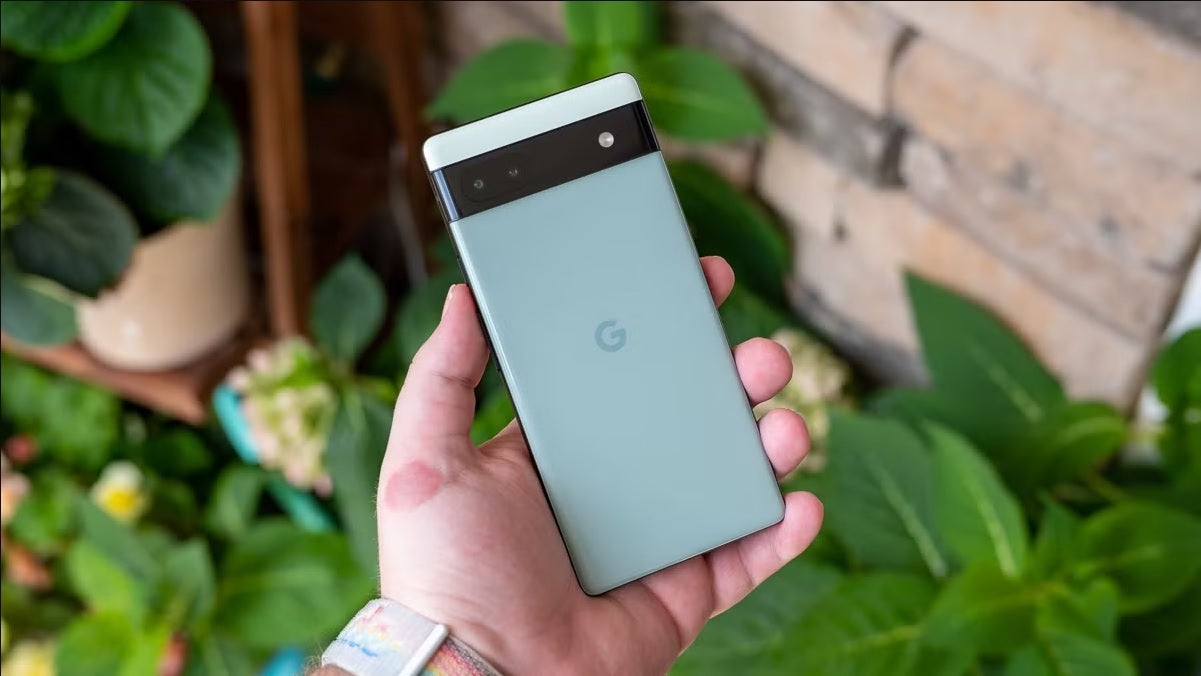
Google Pixel 6a phones have started catching fire

Google is preparing a significant update for its Pixel 6a that will throttle battery capacity and charging speed in response to safety concerns regarding overheating.

Reports have surfaced linking the device to incidents of swollen batteries and potential fire hazards, prompting the tech giant to act decisively.

Through an upcoming software rollout, the Pixel 6a will reduce battery capacity after users reach 375 charge cycles, a move aimed at preventing further overheating issues.

Pixel 6a Users Warned About Battery Risks After 400 Charge Cycles

This isn’t the first time Google has faced challenges with overheating batteries; a similar issue occurred with the Pixel 4a, which led to the company offering free replacements and compensation to affected users.

Now, as the Pixel 6a approaches its update milestone, Google is reiterating its commitment to user safety. In a recent communication, the company advised users to consider battery replacement once they hit 400 charging cycles, highlighting the seriousness of the problem.

They will also be launching a dedicated web portal to facilitate the battery replacement process, although this platform is not yet live.

The Pixel 6a was initially lauded for offering a more affordable entry into Google’s ecosystem, featuring the company’s proprietary Tensor chip. The device is still set to receive system updates until 2027, which underscores Google’s intention to support it long-term despite the brewing battery issues.

Yet, the upcoming Android 16 update will serve as both a blessing and a challenge for Pixel 6a users. As it introduces Material 3 design elements, it will concurrently implement restrictions aimed at battery safety. Reports of the device catching fire in some cases have made waves on platforms like Reddit, further amplifying concerns about its battery performance.

As Google navigates these issues, existing Pixel 6a owners should consider trying the beta version of Android 16 QPR1, which includes the new warnings and adjustments. However, be mindful that beta versions can come with their own set of challenges until the final update rolls out later this summer.

Apple has the enormous mission of defeating the almost perfect Galaxy Z Fold with its iPhone Fold

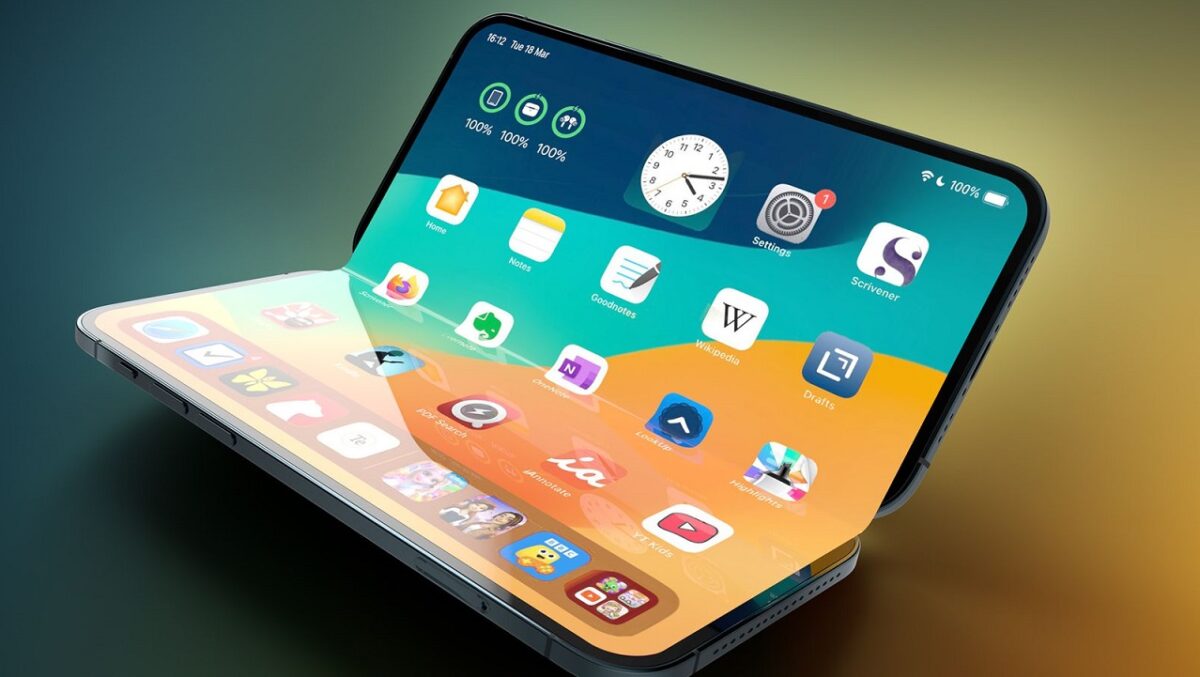
Apple will join the growing market of foldable phones in 2026, a time when Samsung will be launching its seventh generation of Galaxy Z Fold and Galaxy Z Flip models. The news, announced by renowned journalist Mark Gurman from Bloomberg, suggests that Apple’s first foldable iPhone will not only arrive late but could also feature characteristics that set it apart from its rivals. According to Gurman, the foldable iPhone will introduce an “almost invisible hibernation” on its screen, a significant improvement compared to current foldable phones that still show a visible crease where the screen folds. […]

Apple will join the growing foldable phone market in 2026, a time when Samsung will be launching its seventh generation of Galaxy Z Fold and Galaxy Z Flip models.

The news, announced by the renowned journalist Mark Gurman from Bloomberg, suggests that Apple’s first foldable iPhone will not only arrive late but could also feature characteristics that set it apart from its rivals.

According to Gurman, the foldable iPhone will introduce an “almost invisible hibernation” on its screen, a significant improvement compared to current foldable phones that still show a visible crease where the screen folds.

Apple will enter the foldable phone market with a revolutionary iPhone in 2026

Although other manufacturers like Samsung have worked to reduce the prominence of this notch, no device has managed to eliminate it completely. Apple’s proposal could particularly attract consumers who prioritize aesthetics and functionality.

Another advantage mentioned in the report is that the foldable iPhone will feature a “higher quality hinge.” Although no details are specified, it has been speculated that this hinge could use liquid metal, which could improve durability and help minimize the size of the fold.

While it is not clear how attractive this selling point will be, a more durable hinge and a less visible fold could make this device resonate well with consumers, especially under the Apple brand.

In terms of market positioning, the foldable iPhone could be classified as the most premium model in the range, rather than being part of a separate series. This would reflect Apple’s recent strategy, which has begun to position mid-range models under the name of its main line, thus eliminating the nickname “SE.” If realized, it is possible that this new device will launch under the name ‘iPhone 18.’

Despite Gurman’s reliability, it is wise to take this information with caution, as there is still more than a year until the expected launch.

If you have a Xiaomi and you like taking photos: update your phone now

Xiaomi has announced a new feature that allows users to customize the shutter sound of their smartphones, using iconic sounds from Leica cameras, such as the M3, M6, M9, and M10 models. This innovation aims to attract photography enthusiasts who appreciate a nostalgic and human touch in their photographic experience, thus recalling the charm of analog cameras. The collaboration between Xiaomi and Leica has resulted in a significant improvement in the photographic quality of the brand’s smartphones. With a series of models equipped with Leica sensors, Xiaomi positions itself as an option […]

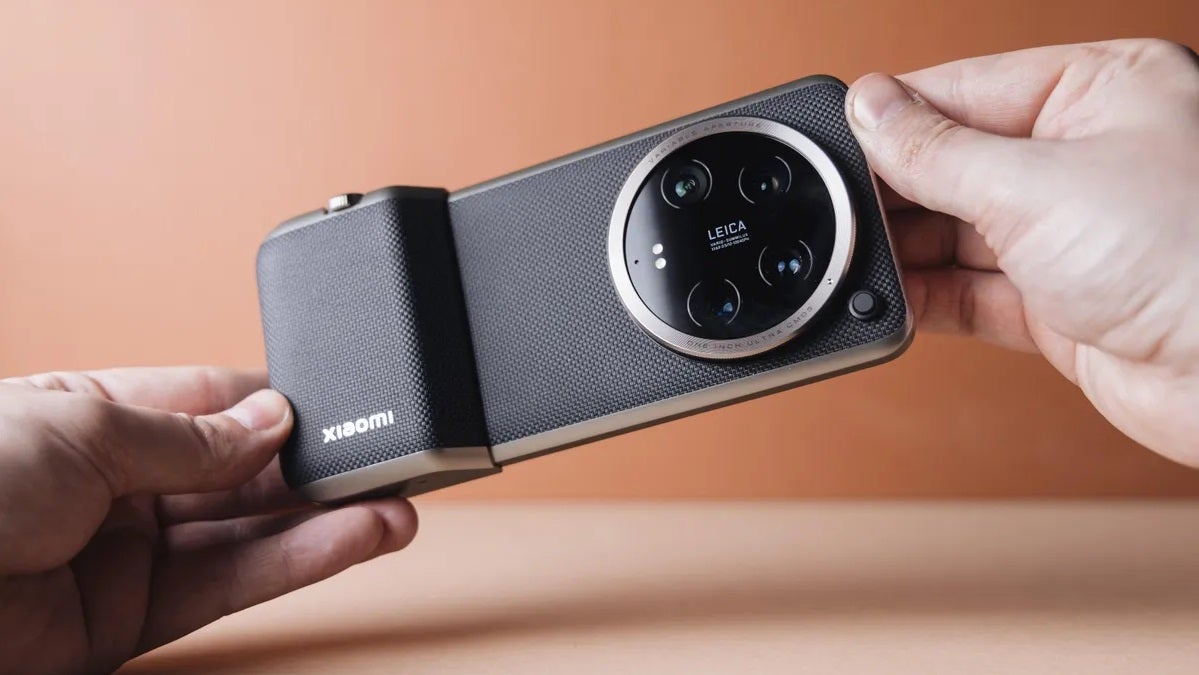
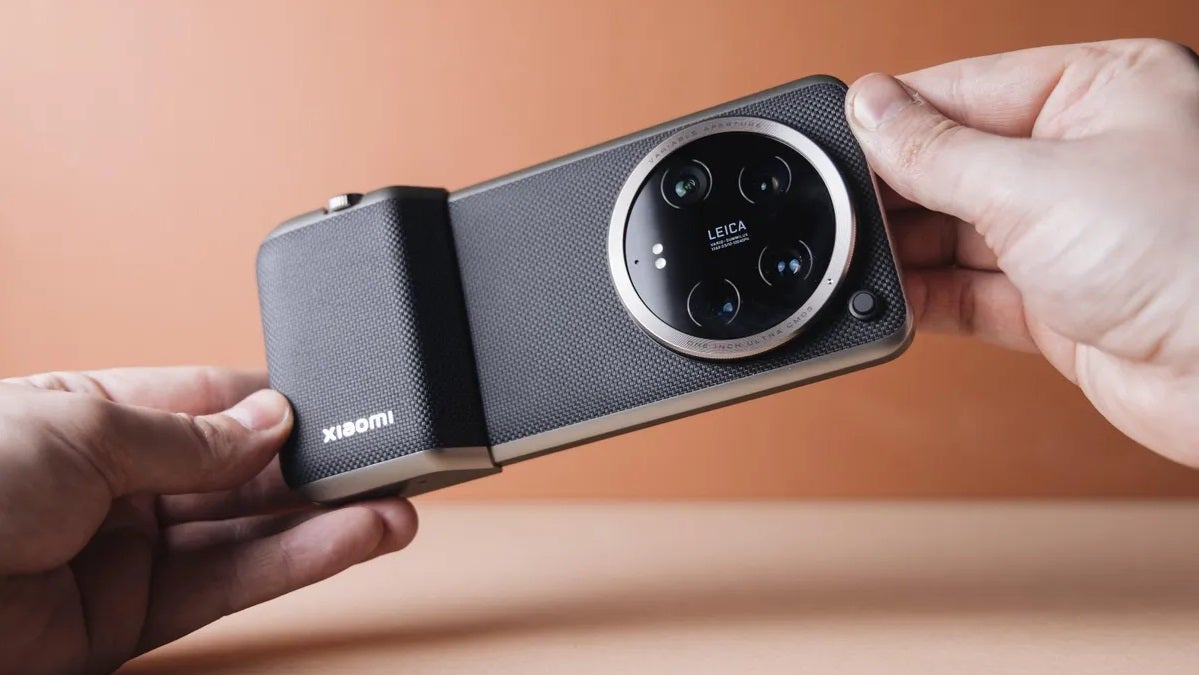
Xiaomi has announced a new feature that allows users to customize the shutter sound of their smartphones, using iconic sounds from Leica cameras, such as the M3, M6, M9, and M10 models.

This innovation aims to attract photography enthusiasts who appreciate a nostalgic and human touch in their photographic experience, thus recalling the charm of analog cameras.

The collaboration between Xiaomi and Leica has resulted in a significant improvement in the photographic quality of the brand’s smartphones. With a series of models equipped with Leica sensors, Xiaomi positions itself as a premium option for demanding photographers.

Xiaomi presents customizable shutter sounds with iconic Leica camera tones

The new shutter sound customization feature is exclusively aimed at devices that incorporate these advanced Leica sensors and will be launched in two batches, between May and July of this year.

Among the most notable features of this function, users will be able to select not only the shutter sound but also the sound of the film rewind when taking photographs, thus providing more customization options. To activate it, simply press and hold the capture button for a few moments.

However, not all Xiaomi models will receive this update initially; devices from the POCO line, for example, will be excluded in this first phase. However, it is speculated that in the future they may gain access to this functionality through applications or manual downloads.

With this initiative, Xiaomi not only enhances the technical experience of photography on smartphones but also appeals to the user’s emotion and nostalgia, differentiating itself from other manufacturers and setting a trend that could be imitated by other brands in the sector.

OnePlus will not bring its latest smartphone to either the United States or Europe, why?

The OnePlus 13T has been recently announced, but fans of the brand in Europe and the United States will be disappointed to learn that the device will not be available in those regions. This model, exclusive to China and India, stands out for its compact 6.3-inch design, a powerful Snapdragon 8 Elite processor, and a battery that outperforms many high-end Android phones. One of the most surprising innovations presented by the OnePlus 13T is the replacement of the traditional alert slider with a reprogrammable shortcut key. This change, uncommon in history […]

The OnePlus 13T has been recently announced, but fans of the brand in Europe and the United States will be disappointed to learn that the device will not be available in those regions.

This exclusive model for China and India stands out for its compact 6.3-inch design, a powerful Snapdragon 8 Elite processor, and a battery that outperforms many high-end Android phones.

One of the most surprising new features of the OnePlus 13T is the replacement of the traditional alert slider with a reprogrammable shortcut key. This change, uncommon in OnePlus’s history, had previously been seen in the Oppo Find X8 series, but not in OnePlus devices.

Is OnePlus abandoning the United States and Europe?

The company’s strategy seems to be increasingly focused on its main markets, China and India, limiting the availability of its product range elsewhere.

This approach could be a response to the intense competition from established brands like Samsung, Motorola, and Google, which continue to launch annual upgrades for their devices, while OnePlus faces challenges in updating its hardware and introducing new models, such as the OnePlus Open 2, which has been confirmed will not arrive in 2025.

The relationship between OnePlus and Oppo further complicates its strategy, as both brands must avoid cannibalizing their market shares in Europe.

Although OnePlus produces competitive devices in quality and price, the decision to limit the launch of the 13T raised uncertainty about the brand’s future in less prioritized markets.

Consumers are increasingly interested in small and affordable phones, which makes the decision not to launch the 13T in key markets even more puzzling. Competition in the smartphone market is crucial to ensure fair prices and superior quality, and OnePlus is expected to take user demands into account in its upcoming release.

If you have a Xiaomi and you like taking photos: update your phone now

Xiaomi has announced a new feature that allows users to customize the shutter sound of their smartphones, using iconic sounds from Leica cameras, such as the M3, M6, M9, and M10 models. This innovation aims to attract photography enthusiasts who appreciate a nostalgic and human touch in their photographic experience, thus recalling the charm of analog cameras. The collaboration between Xiaomi and Leica has resulted in a significant improvement in the photographic quality of the brand’s smartphones. With a series of models equipped with Leica sensors, Xiaomi positions itself as an option […]

Xiaomi has announced a new feature that allows users to customize the shutter sound of their smartphones, using iconic sounds from Leica cameras, such as the M3, M6, M9, and M10 models.

This innovation aims to attract photography enthusiasts who appreciate a nostalgic and human touch in their photographic experience, thus recalling the charm of analog cameras.

The collaboration between Xiaomi and Leica has resulted in a significant improvement in the photographic quality of the brand’s smartphones. With a series of models equipped with Leica sensors, Xiaomi positions itself as a premium option for demanding photographers.

Xiaomi presents customizable shutter sounds with the iconic Leica camera tones

The new shutter sound customization feature is exclusively aimed at devices that incorporate these advanced Leica sensors and will be launched in two batches, between May and July of this year.

Among the most notable features of this function, users will be able to select not only the shutter sound but also the sound of the film rewind when taking photographs, thus providing more customization options. To activate it, simply press and hold the capture button for a few moments.

However, not all Xiaomi models will receive this update initially; devices from the POCO line, for example, will be excluded in this first phase. However, it is speculated that in the future they may gain access to this functionality through applications or manual downloads.

With this initiative, Xiaomi not only enhances the technical experience of photography on smartphones but also appeals to the user’s emotion and nostalgia, differentiating itself from other manufacturers and setting a trend that could be imitated by other brands in the sector.

Xiaomi and other Chinese companies see a future without Android thanks to Huawei

Huawei has established itself as the undisputed leader in technological development in China, boosting both chip manufacturing and the advancement of its operating system, HarmonyOS. Following the sanctions imposed by the United States, other Chinese brands like Xiaomi, Oppo, and Realme are considering the possibility of creating their own operating system, emulating Huawei’s trajectory. Despite being fierce rivals, these manufacturers are being pushed by geopolitical pressure to explore alternatives to the Android Open Source Project (AOSP). Huawei is leading China’s technological revolution amid U.S. sanctions. In the […]

Huawei has established itself as the undisputed leader in technological development in China, boosting both chip manufacturing and the advancement of its operating system, HarmonyOS.

As a result of the sanctions imposed by the United States, other Chinese brands like Xiaomi, Oppo, and Realme are considering the possibility of creating their own operating system, emulating Huawei’s trajectory.

Despite being fierce rivals, these manufacturers are being pushed by geopolitical pressure to explore alternatives to the Android Open Source Project (AOSP).

Huawei leads China’s technological revolution amid U.S. sanctions.

In the Chinese market, brands like Xiaomi and Oppo already operate without relying on Google services, using AOSP as the basis for their customizations.

However, at an international level, its success depends on offering the complete Android experience, which includes Google and the Play Store, crucial elements for acceptance in markets outside of China.

Huawei’s experience has shown how complicated it is to sell devices without Google services abroad, which influences the strategy of other manufacturers.

Recent rumors suggest that alliances are being formed between brands like Xiaomi, Oppo, Vivo, and Realme for the development of an alternative operating system, similar to an Android without Google. However, the lack of official announcements and concrete evidence indicates that, for now, these plans seem more speculative than concrete.

The motivation behind these movements is clear; the growing friction between the U.S. and China could force these brands to develop a more independent ecosystem.

Despite the fact that these companies are strengthening their own ecosystems through IoT, cloud services, and app stores, they still have not resorted to a coordinated plan towards a definitive “Chinese Android.”

Huawei has learned from the difficulty of operating without Google and the time and resources required to develop an alternative system, which will have significant implications for any future attempts at large-scale change.