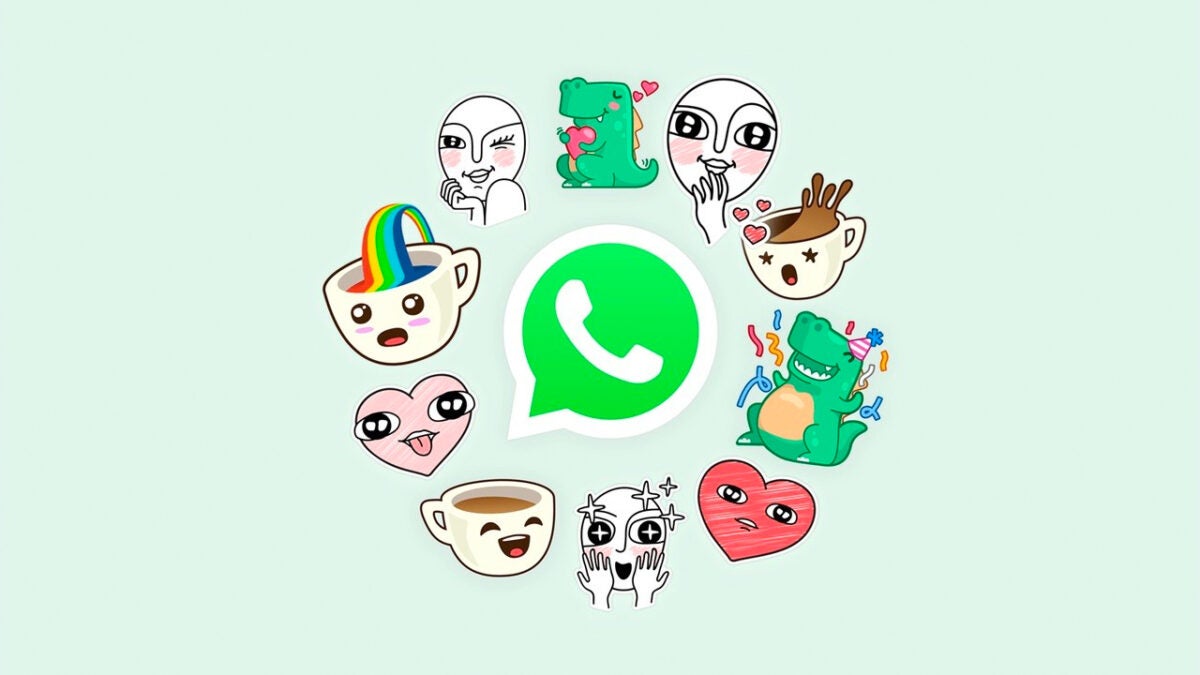
Learn how to create WhatsApp stickers very easily in iOS 16. It's easier than ever.
WhatsApp stickers are one of the latest big revolutions in the Meta application. Although they’ve been around for several years now, it’s a relatively new feature, and many users still don’t know how to create their own.
So far, it has always been necessary to use complementary apps to create stickers. However, iPhone has added a very simple way to create custom stickers on its devices. Follow the instructions below and learn how to create them easily.
Create WhatsApp stickers in 4 easy steps
This new feature was discreetly introduced in version 23.3.77 of WhatsApp for iPhone, which is now available on the App Store. Thanks to this update, users can choose any photo they have to instantly turn it into a WhatsApp sticker.
The way to do it is very simple. Just follow these four steps:
Open the iPhone Photos application.
Choose the photo you want to turn into a Sticker.
Touch and hold the photo you want to turn into a Sticker.
Drag the photo into a WhatsApp conversation.
Once you drag the photo, WhatsApp will ask you if you want to turn it into a sticker. When you confirm it, it will be saved in your WhatsApp sticker collection.
This feature, however, is based on the image subject detection that was introduced with iOS 16, so it cannot be used in previous versions. In addition, it can also be used in other messaging apps such as Telegram or iMessage.
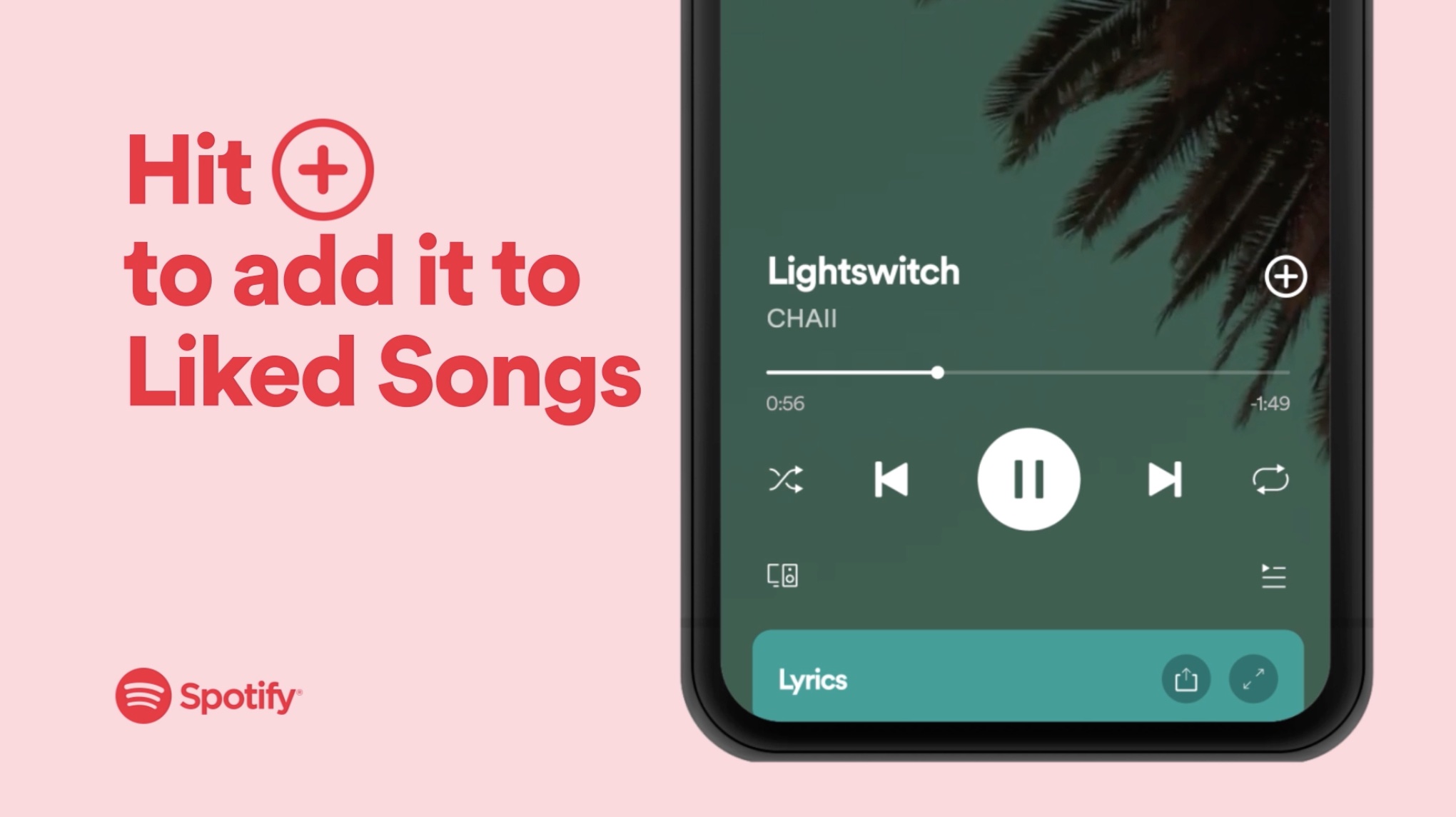
Now, in order to continue contributing to innovation and remain the leading music streaming platform, it has incorporated a revolutionary change: it has eliminated the “like” button from its platform, replacing it with a “more” button.
One button to rule them all
Spotify has been testing this change since late last year on some users. The new button allows you to both save music and add songs to specific playlists. Clicking once on the button saves it to your library, and with the second click you can save it to a specific playlist.
Previously, the app had the classic heart icon. Pressing it meant that you liked a song and saved it to your library, and the button to add it to a playlist was separate, hidden in a separate three-dot menu. With this, Spotify wants to save users time and make the experience simpler and more fruitful.
However, we are so used to the heart button (Twitter even changed its “fav” star to this icon) that it is not clear that the new button will work at all. We’ll see how users react in the coming months.
The history of Pokémon Red, Blue and Yellow. How Pokémon changed the course of video game history.
February 27th marks Pokémon Day,the company’s official day to celebrate the Japanese release of Pokémon Red and Green (Pokémon Red and Blue in the West). This day is usually used to present new additions to the franchise, such as new games or DLCs. In addition, Pokémon-themed parties are held throughout Japan.
But how did Pokémon manage to reach the success it has become today? Today we take advantage of Pokémon Day to take a look back at the first generation of video games that brought the saga. From Bulbasaur to Mewtwo, with these first 151 creatures they proved that this was something totally new. However, their story was much more complex than we imagined.
Satoshi Tajiri: the ideologist behind Pokémon
No matter how spectacular they may be, great phenomena do not usually come from great inspirations. From Newton’s Law of Gravity, which was born after an apple fell on the physicist’s head, the small details of everyday life have served as inspiration to create the greatest milestones of humanity. In the case of Pokémon, we have to go all the way back to the early childhood of Satoshi Tajiri, the video game designer who created the series, to understand where it came from.
Tajiri lived in Machida, a city on the outskirts of Tokyo characterized by working-class families. Born in 1965, one of his favorite hobbies during his early years was to visit the many rural areas of the area – many of which have disappeared due to the growth of the city – in search of insects to catch. As he has explained on the few occasions he has allowed himself to be interviewed, he had an immense insect collection that earned him the nickname “Doctor Bug” among his family.
More or less, you can imagine young Tajiri as one of those bug hunters that appeared in the Green Forest of the first generation of Pokémon. Only, instead of being loaded with Caterpies and Weedles, he had an impressive collection of beetles and butterflies.
But if there was one thing that paved the way for Tajiri in creating the Pokémon imaginary, it was video games. It is no coincidence that the most identifiable phenomenon of this generation was born from a game and not from a manga or an animated series. The creator of Pokémon admitted to having become obsessed with Space Invaders to the point of skipping school to go to the arcade. Because of his little obsessions, he almost failed to graduate from high school.
His father even offered him a job at the Tokyo Electric Power Company to give him a minimally channeled future, but Tajiri turned down his offer and worked hard to get his diploma. As soon as he did, it became clear that his hobby was not just a hobby, and from that point on, he strived to become a video game developer.
At the age of sixteen, Tajiri won a Sega contest for the best idea for a video game. To do so, he had to disassemble his Famicom console, analyzing it to see how it worked before exploring the possibilities of his first project. But breaking into the video game industry was no easy task. Despite the fact that Japan was home to a large part of the world’s gamer population, Tajiri was just a young enthusiast who had won a contest for teenagers.
In this way, he did a two-year technical degree at the National Technological School of Tokyo while he began to collaborate in various specialized magazines as a game tester. Then, together with his friend Ken Sugimori, who currently serves as art director of Pokémon and was the creator of the first 151 creatures, he launched a fanzine called Game Freak in 1982.
Satoshi Tajiri knew that Game Freak could become much more than a fanzine, so he gathered his team with Junichi Masuda, a programmer and musical composer, to develop their first video game. The three young dreamers had to hack a NES to find out how it worked inside, since they didn’t have the development package used by professionals. But their efforts were not enough and Nintendo slammed the door in their faces when they tried to sell them the project. It was Namco, which at that time already had a certain reputation in the industry, who ended up making a place for them in their company. And so, in 1989, they released their first title for the NES: Quinty (Mendel Palace in the US).
Despite having nothing to do with Pokémon, Quinty already laid the groundwork for some of the key elements of the franchise. The characters were blue and green, very colorful and dressed with a vest and cap; something similar to what we would see in the first Pokémon Red and Blue (or Red and Green in Japan). The video game could be played by one person or two, laying the seed for the cooperation between players that would later be explored so much in Pokémon. And, despite having the typical story of saving the princess, it was played with a youthful tone similar to that used in his great work.
The difficult development of Pokémon Red and Green
Thanks to Quinty, Satoshi Tajiri fulfilled his dream of becoming a video game developer. The title had succeeded internationally and, although it was a long way from its current fame, Game Freak was already a company in its own right. The dream of three friends had become a fruitful business, so it was time to make a new bet.
With the Game Boy console just hitting the market, Tajiri’s head was filled with ideas about the next video game he wanted to make. Thanks to the Cable Link, a milestone in technology that allowed two consoles to connect and interact with each other, the developer began to think of mechanics that could be adapted to the handheld tool.
Little by little, Game Freak came up with the project, which was initially called Capsule Monsters. It was a role-playing game in which the protagonist would have capsules in which he could store the monsters he encountered. At first, the monsters would be rivals, but when they were hunted they would become “fighters” with which to face other creatures. Tajiri’s idea was already underway, but Nintendo, the same company that had already announced its refusal to Game Freak when it was still a virgin studio, had yet to be convinced.
To get their hard-to-get support, Tajiri wrote a fictitious missive in which he highlighted what the press would say a month after its release. Among other virtues, he highlighted the possibility of swapping monsters between consoles and gave examples of the two hundred monsters they wanted to include, from a green dragon to a magical firefly.
The presentation of the project was so original that Nintendo bought the idea. And it fell into the hands of none other than Shigeru Miyamoto, the creator of some of the most famous games in history: Mario, The Legend of Zelda and Donkey Kong. Between Tajiri’s imagination and Miyamoto’s expertise, there was absolutely nothing that could go wrong. However, it took six years for the video game to become a reality.
Nintendo was working on many other projects, and Miyamoto-san could not devote himself to Pokémon as much as he would like, so it was a long and hard gestation. During those desperate years, the company stopped receiving financial benefits and was on the verge of bankruptcy. In fact, on more than one occasion Tajiri had to pay his own – and his parents’ – salaries out of his own pocket.
To make matters worse, the name Capsule Monsters was already registered, so they had to change it to Pocket Monsters in Japan and Pokémon in the West -the latter came about because of trademark problems with the word Pocket-. And, when everything seemed to be ready, the game’s release was delayed for several months due to last-minute problems.
In the end, the odyssey came to a beautiful end on February 27, 1996. On that day, thousands of Japanese children opened their boxes of Pocket Monster Green or Pocket Monster Red, the first editions to be released in the country. On that day, a phenomenon was born that would mark a generation and eventually reach every corner of the planet.
The secret behind Pokémon’s success
When someone thinks of the launch of Pokémon, they imagine fireworks and festivals full of people dressed up as Pikachu, but the reality was quite different. In its early stages in Japan, Pocket Monster was received without much glory. Video game magazines, which would later worship the franchise, barely dedicated the article to it. When it was released, the Game Boy was already an old machine, so for the first few months it barely remained in the Top 10 best-selling games. However, word of mouth and a good marketing campaign soon paid off.
The 151 creatures that came with the game were an attraction for collectors, the fact that it was an RPG with a youthful tone appealed to the more adventurous, and being able to exchange the creatures through a simple cable caused entire groups of friends to flock to the stores. Little by little, Pocket Monster climbed up the sales charts, reaching an incredible ten million copies sold, surpassing Tetris as the console’s best-selling game.
Pokémon became Nintendo’s biggest hit of the decade, so their international tour couldn’t suffer a single setback. Seeking to appeal to Western audiences, they prepared two versions somewhat different from the Japanese ones. Instead of choosing Pokémon Red and Green, they preferred to have Blastoise replace Venusaur on the cover, thus making Pokémon Red and Blue the versions that reached the whole world. In addition, they made the release of the video games coincide with that of the anime. In this way, children who watched Ash’s adventures could live their own Pokémon adventure.
The release of the game was a huge pressure for the Nintendo Spain branch. Although they had been looking forward to the release of the game for three years, they had the task of tripling the sales predictions they made, which were already much higher than usual. Added to this mission was an even more chaotic one. Not only would they have to triple sales, but they would also have to deal with all the merchandising that Pokémon implied.
Contrary to what happened with Dragon Ball, children would not have to trade in stolen photocopies; the Nintendo paraphernalia was already prepared to supply the thousands of children who would buy the video game. The anime, toys, stuffed animals, collectible cards, clothing, tazos, trading cards, school bags and a long etcetera would be the responsibility of Nintendo Spain. But, although in Japan it made sense that even children’s bed sheets were being traded, in Spain the phenomenon had not yet been born, so Pokémania arrived all at once, overwhelming the kids who did not quite understand where it all came from.
But thanks to all this paraphernalia, they not only tripled the forecasts, but also sold many more units and became the best-selling titles in Spain. Pokémon Red and Pokémon Blue alone sold 880,000 units separately. And Pokémon Yellow, which was released less than a year later, sold 600,000.
This last version closed a generation that has not been surpassed by any other. Pokémon’s boom was fading in terms of sales of its videogames. But, as the latest games of the franchise have shown, its followers have not stopped growing.
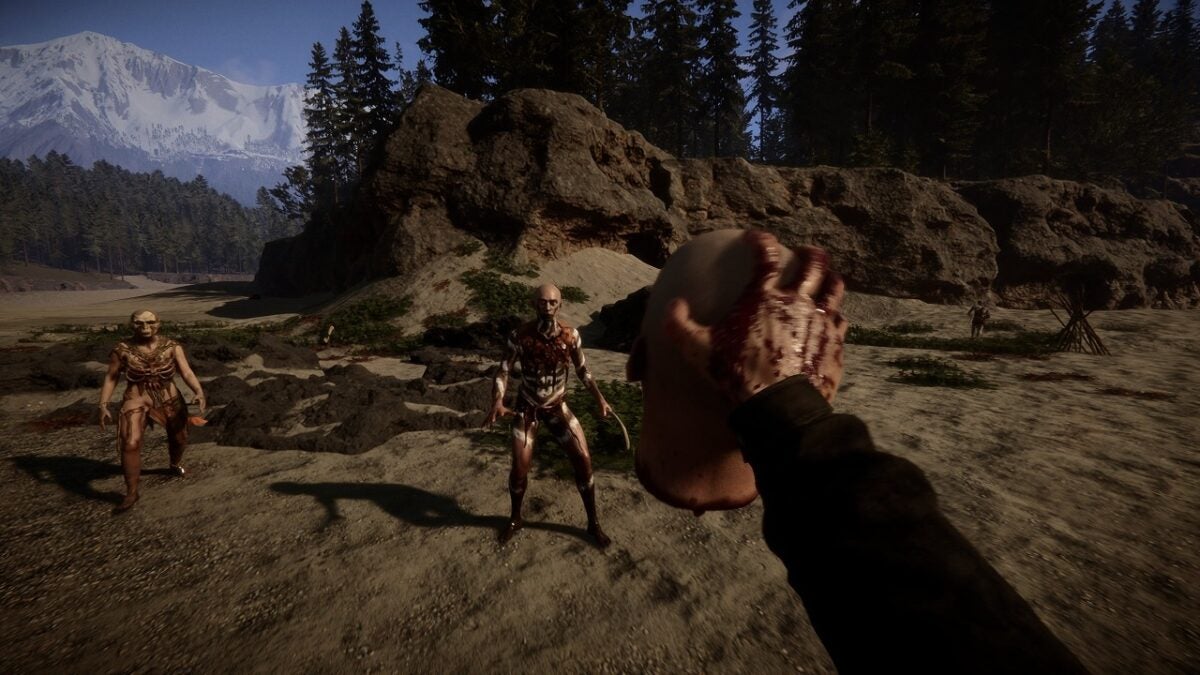
Just when we thought that Hogwarts Legacy would close this month as the most played game, suddenly Endnight Games‘ title has stolen the wizards’ title’s place. That is to say, in addition to the two million titles sold in its first 24 hours, the survival game has gotten in more than 250,000 concurrent users (they have simultaneously played Sons of the Forest).
Despite this incredible success, the video game from the people of Endnight has not been able to beat the two titans of the platform, which are Counter Strike Global Offensive and DOTA 2. These were first and second respectively, but it is quite a milestone that could overcome the people of Hogwarts Legacy with their numbers.
We must not forget that these numbers are achieved, moreover, with an Early Access version that is far from what will be the final quality of the game. Therefore, we hope that the high numbers will be maintained over time.
More than two million video games sold in just 24 hours.
We knew that Sons of the Forest was going to do well, but as well as it has? Even its creators probably didn’t expect the news they gave through their profiles: the videogame has sold more than two million copies. The figure is impressive in itself, but it is even more so when you consider the following fact: it was all achieved in 24 hours!
Indeed, Sons of the Forest has sold more than two million copies in just 24 hours. Moreover, this figure is achieved while being in Early Access, i.e. it is not even the final version, but a game still in development.
“Hello everyone. Thank you to those of you who have joined our journey in Early Access for Sons of the Forest. We’ve sold over two million copies in the first 24 hours. We’re very excited for what we have in store for players over the next few weeks,” comments the team at Endnight Games, developers of the game.
But it doesn’t stop here. On Steam it accumulated a whopping 51,477 ratings at the time we published this piece, with “very positive” as the overall score. What’s more, this only goes up, as last Saturday it barely reached 20,000. And yes, the average score is impressive, with more than a 9 out of 10 at the moment.
As soon as we have news about Sons of the Forest and its possible updates, you will have them here. After all, there’s a reason why it’s still in Early Access (the first release took more than 4 years in beta, that’s a quick word).
Learn how to check your Google Account storage space and free up space in Gmail, Drive, and Photos quickly and easily.
Knowing how much free space there is in your Google account is more important than you think, especially if you are a user of an Android device. And the fact is that it offers you 15 GB of free cloud storage to safeguard your Gmail emails, Drive documents and images in Photos. But … What happens when we reach the limit of these free gigabytes? Very simple: Most Google services stop working, including the ability to send and receive mail via Gmail. That is why it is so important to always be aware of the remaining space in Drive.
To save you some discomfort, in today’s article we are going to show you how to see how much storage space is left in your Google account. The process is really simple and, in just a few clicks, you will know if it is time to clean out unnecessary files or invest in a paid Google One account. Here we go!
To find out how much free space is left on Google, first of all you need to log in to your account. To do this, open your browser and, once on the Google browser page, click on the icon with your avatar in the upper right corner of the screen. Then select the option “Manage your Google account”. Alternatively you can go directly to your account by clicking on the following link.
2. Select your payments and subscriptions
From your Google account, click on the “Payments and subscriptions” tab at the top of the screen.
3. Manage your account storage
Now simply scroll down the contents of your subscriptions until you reach the “Account Storage” section. Here you will see a summary of the free space left in your Google account. If you want to know this data in more detail, click on “Manage storage”.
4. Check how much free space is in your Google account
Finally, check how much storage is left in your Google account. From this page you will not only see the GB in use in your account, but also in which services are being used (Google Drive, Gmail and Google Photos). It’s that simple!
Why it is important to keep an eye on storage on Google
As we have already told you, each Google account is associated with a 15 GB Google One subscription. These are responsible for storing your emails, files, photos and even backing up any of your Android devices. If you run out of storage space in your account, you will not be able to:
Send and receive emails through your Gmail account
Upload new files to Google Drive
Edit or create new files with Google Docs, Spreadsheets, Presentations, Drawings, Forms and Jamboard
Back up new videos and photos to Google Photos
As you can see, exhausting your Google storage space is a serious handicap, especially if it is the email account you use regularly. That is why it is important that you always keep an eye on not exceeding the 15 GB free that you have associated.
What is Google One and what is it for?
In the article we have mentioned several times the name of Google One but it is common that, even if we have contracted this service, we do not know what it is. Google One is a subscription plan that provides more storage space in Gmail, Drive and Photos in addition to allowing us to share these advantages with our family unit (up to 5 people). This one emerged in 2018, as a paid alternative to Drive for all those who needed more than 15 GB of space for their account. It is, therefore, an improvement on Google’s free cloud storage service.
How to get more storage space on Google
Are you about to run out of space on Google? Don’t worry, the important thing is that you have realized it in time. There are different methods with which you can free up space on your Google account in a few seconds. These are the ones we like the most:
Method 1. Use the Google space saver
One of the easiest methods to recover space on your account is to use Google’s space saver. It automatically analyzes the status of Gmail, Photos and Google Drive and offers you different options to free up precious MB. If you access its website you will see that Google’s storage manager is divided into:
Items in trash or spam – The space saver analyzes all files in your spam folder or that are still in your recycle garbage can.
Large items– Here you will find a list of the items that take up the most space in your Gmail emails and their attachments as well as in your Drive folders or videos and photo images. Each file is accompanied by a small preview so you can easily identify them.
You will see that each suggestion of files to delete is accompanied by how much space you will recover in your Google account. If you agree with any of the platform’s automatic suggestions, simply click on the “Review and delete” option. This way you will be able to recover space in your account very quickly and easily.
Method 2. Delete files manually
If the Google space freer doesn’t convince you, you can always delete the files you don’t need manually. This method is much slower than the previous one, but it gives you much more control over what to delete, since you don’t always want to delete the largest files. Of course, you need to keep in mind the following tips.
To delete files from Google Drive you should not only select them and click on the “Delete” button. By doing this, the file will be moved to the Recycle Bin but it will still take up space in your cloud. To recover storage you will need to access the Recycle Bin and delete its contents by hand.
As for Gmail, the simplest advice is to delete large emails. You can do this by typing “size:25” so that Gmail will return the emails that are this size (the maximum that Google allows per email). From this point on, all you have to do is reduce the number (size:24, size:23 and so on). It is also recommended that if you are fond of subscribing to newsletters, you delete them once read or unsubscribe to stop receiving useless mail. Still not enough free space? Take a look at our tips to free up space in your Gmail account.
As for Photos, review one by one the memories you want to keep. It is recommended that in order not to occupy all your space on Google, you choose to make a backup copy of your photos on a portable hard drive or USB device. Another interesting option is to disable the automatic uploading of photos from your Android phone or tablet. This way you can manually choose which images you want to be saved in the cloud without taking up space on your Google account.
Method 3. Change your Google One plan
If you are still running out of space on your Google account, it may be time to switch your subscription plan to Google One. For a small fee you can not only multiply the storage space in your Google account, but also get juicy upgrades only available to paying customers. Here are the main Google One plans:
Basic plan:
Price-$1.99 per month or $19.99 per year (you save 16%)
100 GB of storage
Expert help from Google
Possibility to share your plan with 5 other people
Subscriber benefits
Standard plan:
Price-$2.99 per month or $29.99 per year (you save 16%)
200 GB of storage
Expert help from Google
Possibility to share your plan with 5 other people
Subscriber benefits
Premium plan:
Price-$9.99 per month or $99.99 per year (you save 17%)
2 TB of storage
Expert help from Google
Ability to share your plan with 5 other people
Subscriber benefits
Google Workspace premium features
Google One VPN
Easily manage space in your Google Account
We hope this article has helped you to see the storage space left in your Google account. Remember that this is necessary for the proper functioning of Gmail, Drive and Photos… So make sure you always have a few GB free! And remember, if you liked what you read, don’t forget to share it with your friends on social networks.
Buying a sound bar can be an adventure, so we have prepared a guide with which you will be able to know which one would best suit what you need.
Recently, we explained all the benefits of the Bose TV Speaker sound bar, one of the sound bars that are currently standing out for their performance and audio quality, being a very good option in terms of quality/price.
However, your needs may be different, and it is normal that you have many doubts when buying a sound bar. Should it be an active or passive sound bar? 3, 5 or 7 channels? How easy would it be to connect the sound bar? In this guide we will help you to choose the sound bar that best suits you, taking into account the questions you will probably ask yourself when you go to buy it.
Where will the sound bar be placed?
The place where you place the TV, as well as the space you have around it can determine which type of sound device is more worthwhile (soundbar or soundbase). Of course, the type of device will influence the placement. In general, sound bars are more versatile in terms of placement, as they can be placed under the TV or hung on the wall, while sound docks should always be placed under the TV.
If the TV is placed on a table or on a sideboard, simply place the soundbar on the same surface, just below the screen. If the TV is mounted on the wall (fixed or with a mechanical arm), you must also mount the soundbar on the wall, just below the screen.
What size soundbar should I buy?
If we look only at the aesthetics (something important, mind you), the soundbar you are going to choose should not be wider than your TV (ideally, both should have the same width). But, beyond aesthetics and how “good it looks”, it does not matter the size of your sound bar or TV, only its performance.
If your TV already has a few gray hairs, you should check the connectivity to the soundbar before you buy it. While some soundbars may look great with your TV, they may not have the option to connect to your TV, so keep this in mind.
What are passive or active soundbars and what does this mean for me?
Passive soundbars do not have a built-in power amplifier. Therefore, you will need a separate receiver or amplifier to make it work. Despite this, passive soundbars usually have the best speakers. In other words: it will cost you more and you will have to connect more components, but you will enjoy spectacular sound.
On the other hand, active soundbars have integrated amplifiers, which power everything, as well as channel processors that separate the right, left and center speakers from the soundbar. With this type of soundbar you would not have to buy any separate receivers and you would have fewer cables (which is appreciated).
What are “channels” and how many do I need in a soundbar?
The channels are basically each of the individual speakers or sound sources included in the soundbar. Depending on the type of device and the number of channels it has, the sound will be more or less immersive. These are the most typical types of soundbars according to the number of channels they include:
2-channel sound bar. It has 2 speakers: right and left.
3-channel sound bar. It has 3 speakers: right, left and center.
5-channel sound bar (home cinema standard). It has 5 speakers: right, left, center and two rear speakers.
Dolby Atmos sound bar. It has 5 to 7 channels, although they differ from conventional sound bars in that the upward speakers included reflect the sound above the user, thus obtaining a three-dimensional and enhanced sound stage. If you see a soundbar of this type with the numbers 5.1.2, for example, the first number refers to the number of standard speakers, the second number to the subwoofer and the third to the up-firing speakers.
How should I connect the soundbar?
The latest soundbars include a wide variety of options for connecting devices. Among the most prominent are the HDMI ARC connection, which is especially good for multichannel soundbars, and the optical cable, which offers one of the most robust and reliable connections, although it lacks the bandwidth needed to transmit a 5.1 signal.
Then, if our sound bar also supports wireless connection, the two most typical (and practically the only) options are Bluetooth, which will allow you to directly connect any mobile device that has this connection enabled (such as your cell phone or laptop), and Wi-Fi, with which you can connect any (compatible) device you have in the house that is also connected to the Internet.
How will I control the soundbar?
The simplicity of soundbars involves one key aspect: the use of a proprietary remote control is completely optional. While most come with a built-in remote, many Smart TV remotes can be programmed to make use of the soundbar without having to be using multiple remotes.
In addition, some soundbars also include a free mobile app, so you can control it through your mobile device quickly and easily.
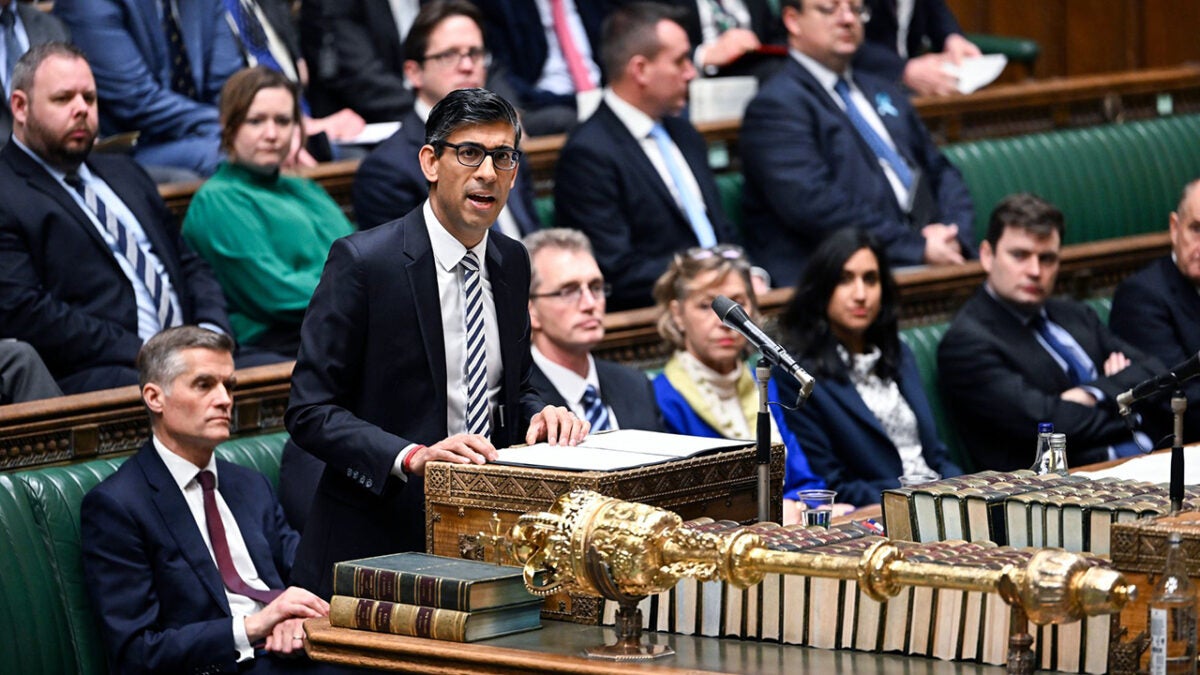
According to The Guardian, they are asking British Prime Minister Rishi Sunak to ban TikTok on official devices, just like the US and the EU.
If we were to use the proper proverb, we could say that if TikTok set up a circus, it would “dwarfs would grow” (a somewhat rancid expression, mind you). General concerns about the social network’s possible links to the Chinese government are prompting several governments and public bodies to ban its use on official devices.
According to The Guardian, “Rishi Sunak, Prime Minister of the United Kingdom, has been urged to ban public officials from using TikTok, in line with measures taken by the EU and US.USA., amid growing fears about cybersecurity in China. Officials in Europe and the United States have been asked to limit use of the Chinese-owned social video app for fear that Beijing could access the data”.
As the newspaper points out, this request comes just a few days after the European Commission issued a directive urging its officials to remove TikTok from their mobile devices, something that also happens in the United States, where the app is prohibited in 26 states.
In addition, the United States Government led by Joe Biden would currently assess the risks involved in the use of TikTok, and would be looking into the possibility of completely banning TikTok in the country, something that could be done if the situation were declared as “national emergency” or as a “threat to national security”.
At the moment, there is no express ban in the United Kingdom, although it could be carried out in the coming days. Will more countries join the measure of the United States and the European Commission? Will TikTok be banned on the official devices of the Government of Spain? Will we see an initiative in the European Union to ban the popular app on the entire European terrain? We will have to wait and see how the situation evolves.
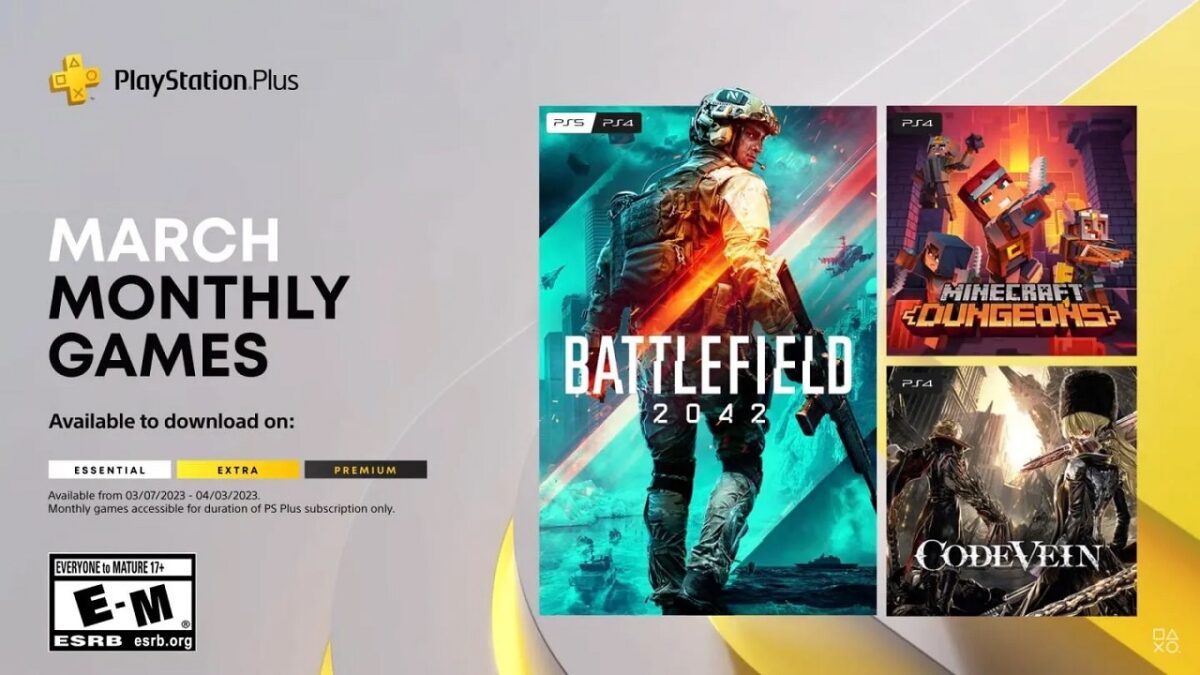
Video games like Battlefield 2042 make an appearance in the lowest tier.
It went a bit under the radar, but during the State of Play last Thursday, Sony announced all the video games that will be available on PlayStation Plus during the month of March 2023. And andes, the range comes quite loaded with news “Essential”.
The first of the announcements has to do with nothing less than Battlefield 2042. The Electronic Arts video game will be available in both its version for PlayStation 5 and PlayStation 4. Taking into account how poor the first person shooter has performed in sales, it is logical that EA wants to give it a second life (and the best way is like this).
The second title is Minecraft Dungeons. Released in spring 2020, the title from Mojang Studios and Double Eleven brings its reinterpretation of Minecraft. It is not easy to be based on the best-selling video game in history, but it is a curious instalment. It comes in its version for PlayStation 4.
And finally, Code Vein. Bandai Namco’s work has enjoyed less fame than expected. Despite not being a bad game, its notoriety has not been high, which is why launching on PS Plus Essential can be a good way to bring new players closer. The version is the PS4.
All games will be available starting this Thursday, March 2.
Discover the hidden treasure of Area Zero, the DLC of Pokémon Scarlet and Purple, and the rest of the news of Pokémon Presents.
On the occasion of the anniversary of the launch of Pokémon Red and Green in Japan, every year the so-called Pokémon Day is celebrated on February 27, a special day in which fans of the saga celebrate their history with the franchise. To take advantage of this day, they have prepared a Pokémon Presents in which they have presented very juicy news from the saga.
Although big announcements such as Johto remakes for Nintendo Switch were expected, we finally had to settle for other somewhat more secondary announcements from the company. Of course, the DLC that everyone was waiting forPokémon Scarlet and Purple has been announced, so we can be satisfied.
We leave you with all the news that have been announced.
DLC: The Hidden Treasure of Area Zero
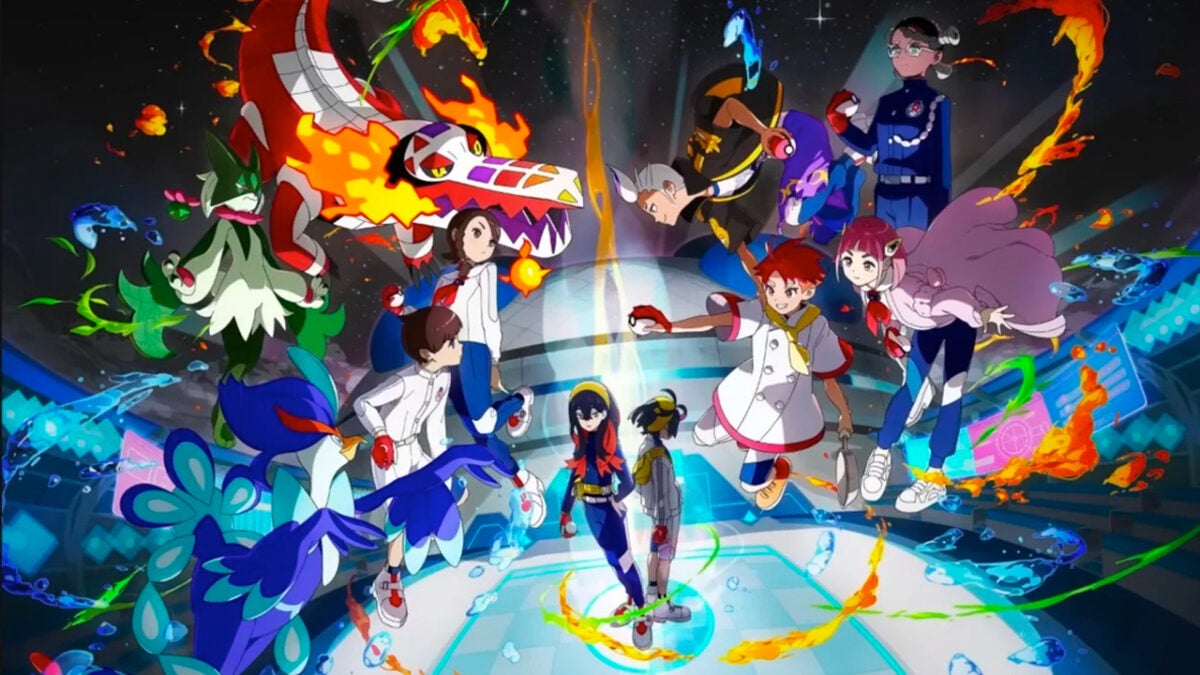
The first big announcement that has been shown in the Pokémon Presents is The hidden treasure of Area Zero, a DLC in two parts (just like it happened in Sword and Shield) that can be reserved from now on the Nintendo eShop of Nintendo Switch.
The first of these parts, The Turquoise Mask, will be available in Autumn 2023. The second part, El disco indigo, will arrive in the winter of this year, just a few months later. The two DLCs will take the trainers of Paldea to know other regions far from the place where they live.
The first, The Turquoise Mask, will take players to an Asian region called the Noroteo Shire. It will be justified as an extracurricular trip, and they will show both pokémon that we already know from the franchise but that are not in Paldea as well as two new legendaries: Ogerpon in Scarlet and Terapagos in Purple.
About The Indigo Disc, the second part, we know a little less. Even so, they have already said that the story will focus on the students visiting the Arámbano Academy, in a distant region. There will also be known new species that are not in Paldea.
Beyond the games themselves, users of The Hidden Treasure of Area Zero will obtain, from their reservation, uniforms for the characters. In addition, those who purchase the additional content before October 31 will be able to get a special Hisui Zoroark.
Pokémon Sleep: the app to measure sleep
Beyond the main announcement, the company has launched Pokémon Sleep, an application for mobile devices with which you can measure your hours of sleep. It is a well-being app that, without a doubt, can go very well for some fans who go crazy after many hours in front of the console.
“A game that makes you want to get up in the morning”, as defined by the project managers. The app is guided by Professor Neroli, a professor who investigates how Pokémon sleep on a peculiar island inhabited by a Snorlax. Neroli himself explains how it works:
“you have to sleep well.You leave the mobile in the center of the pillow and study how you slept. There are three types of sleep: Light, Medium and Deep. Pokémon with a similar sleeping pattern to the users will appear alongside Snorlax. These Pokémon appear with different positions next to Snorlax; each species can sleep in different positions”. The game will be released sometime in 2023.
The Pokémon Concierge, a new Netflix series
Something that has caught the attendees of the Pokémon Presents by surprise is the announcement of a new series from the company for Netflix. The series is called The Pokémon Concierge, and it is an exclusive collaboration between Pokémon and Netflix created by dwarf studio.
The fiction will be in stop-motion cartoons (no live-action after Detective Pikachu), and will follow the story of Haru, a worker at a Pokémon hotel complex. Next to her is Psyduck, her clumsy friend who will be in charge of guiding the trainers and the pokémon around the place.
Without a doubt, this series sets a new precedent in the IP, which makes it increasingly clear that it is going to be extrapolated far from video games through all kinds of complementary products.