Is Apple waiting for “the robotic arms” to build iPhones in the US? That’s what a Trump official claims

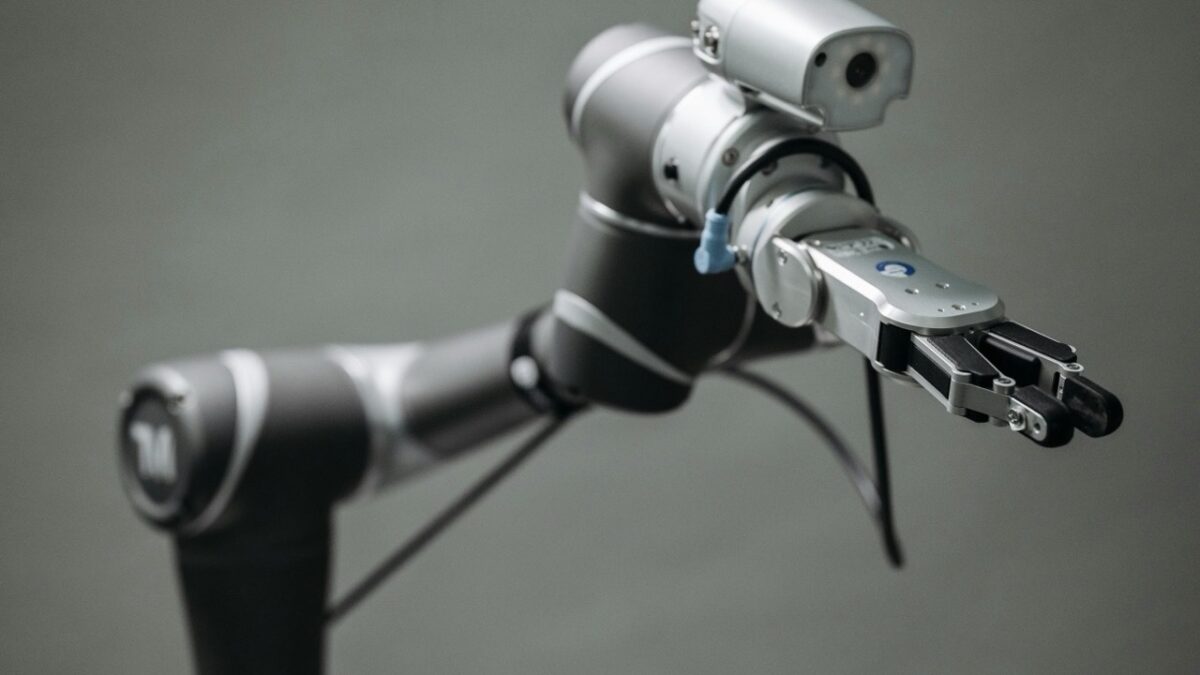
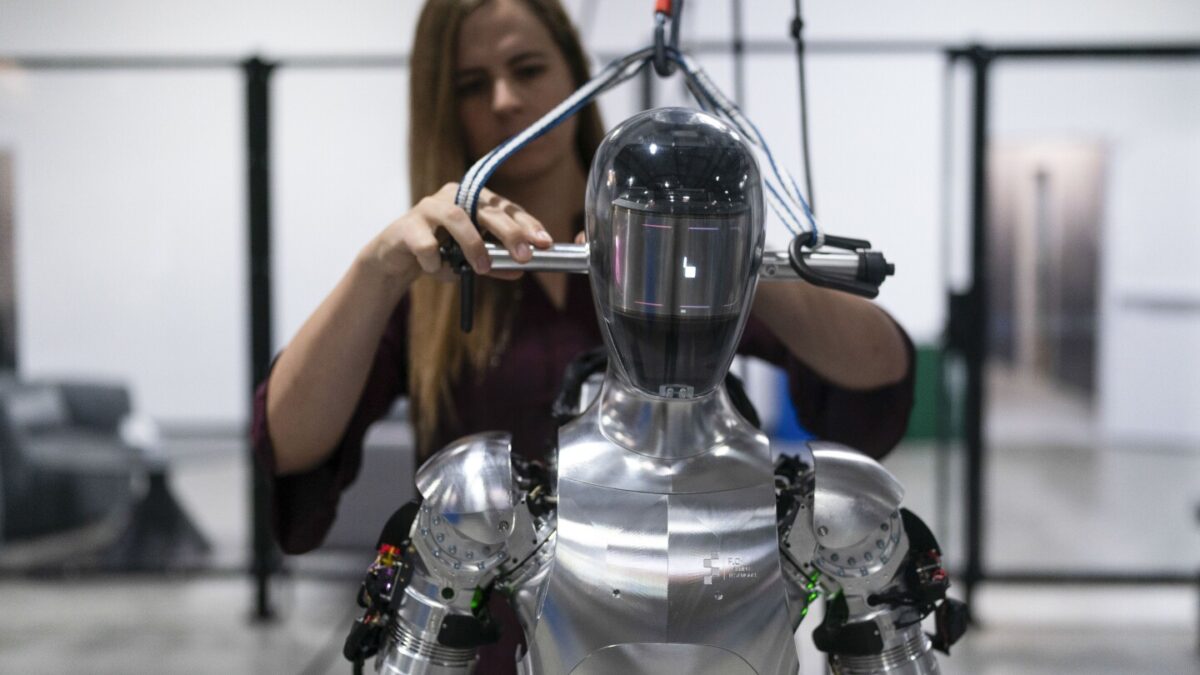
Apple may be closer than ever to manufacturing iPhones on American soil, according to recent claims by U.S. Commerce Secretary Howard Lutnick. In a CNBC interview, Lutnick suggested that Apple CEO Tim Cook is eager to shift iPhone production to the U.S.—but is currently held back by one major obstacle: robotic arms.

Apple’s vision for domestic iPhone production

According to Lutnick, Cook stated that Apple needs “robotic arms” to achieve the scale and precision required for U.S.-based manufacturing. Without those, replicating the current production process would be economically unviable. Lutnick claims Cook also said employing a large foreign workforce is Apple’s “biggest risk”.

Apple has already announced a $500 billion U.S. investment that includes AI server infrastructure and a factory in Texas. These moves reinforce the company’s broader ambition to localize critical parts of its operations. Still, it remains unclear whether Lutnick’s remarks reflect an imminent change or simply a long-term aspiration.

This statement arrives shortly after the Trump administration introduced tariffs of up to 145% on Chinese imports, adding pressure on companies like Apple to diversify their manufacturing bases. While Apple reportedly secured temporary exemptions, the political environment continues to push for reshoring critical tech manufacturing.

Your iPhone 17 will not be scratch-resistant

Apple had generated expectations around the iPhone 17, especially due to the possible inclusion of a scratch-resistant and anti-reflective coating on its screens, features that promised to enhance the user experience. However, recent reports indicate that these plans have been discarded for this year due to issues in the coating application process. According to sources cited by MacRumors, the idea of the coating was still on the agenda for the iPhone 17 Pro and iPhone 17 Pro Max models. However, the time required to apply the coating to millions of units in production turned out to be a […]

Apple had generated expectations around the iPhone 17, especially due to the possible inclusion of a scratch-resistant and anti-reflective coating on its screens, features that promised to enhance the user experience.

However, recent reports indicate that these plans have been discarded for this year due to issues in the coating application process.

According to sources cited by MacRumors, the idea of the coating was still on the agenda for the iPhone 17 Pro and iPhone 17 Pro Max models. However, the time required to apply the coating to millions of units in production turned out to be a significant obstacle, leading Apple to discard this improvement for the time being.

Disappointment: the iPhone 17 does not include the expected improvements in the screen

It is still unclear whether the company will opt for a simpler coating or a nano-textured display, which could reduce glare and is currently used in some iPads and Macs, or if the iPhone 17 screens will not have significant improvements in this aspect compared to previous models.

Apple followers have not taken this news positively, expressing their discontent on various social platforms.

Reactions include comments like “this is a big disappointment” and “I might switch to Samsung,” referring to the fact that smartphones like the Samsung Galaxy S25 Ultra do include an anti-reflective coating.

Despite this setback, there is good news related to the iPhone 17. A report from DigiTimes, available by subscription, suggests that Apple has completed engineering validation testing (EVT) for at least one model of the iPhone 17, which indicates that, if everything goes as planned, the launch of the new series is still scheduled for September.