No foreign series could pass the Iron Curtain… except the Muppets

I don’t think I’m the only one fascinated by the television we can’t see. That of North Korea, for example, which broadcasts programs and series that we will never be able to see outside its borders or, in its day, that of the Soviet Union, which, although it exported some of its products, did not import any, leaving the programming with a domestic production that has not survived much in our days. While the rest of the world had shows like Sesame Street, I Love Lucy, or MASH, in Russia and similar countries they survived with The Shadows Disappear at Dusk or The […]

I don’t think I’m the only one fascinated by television that we cannot watch. North Korea’s, for example, which broadcasts programs and series that we will never be able to see outside its borders or, in its day, that of the Soviet Union, which, although it exported some of its products, did not import any, leaving the programming with a self-produced content that has not survived much in our days. While the rest of the world had shows like Sesame Street, I Love Lucy, or MASH, in Russia and allied countries they survived with The Shadows Disappear at Dusk or The Two Captains. If they haven’t gone down in history, well, there’s a reason for that.

Let’s play, comrade!

In the Soviet Union, they had, to be fair, a programming lineup with a bit of everything: news broadcasts, children’s programs, movies, documentaries, football, or ice hockey. And, of course, in the whitest and least scandalous way you can imagine: nudity, violence, foul language, drugs, and any criticism of the system were prohibited. In short, creativity was at zero in a model that, in the 80s, was starting to show cracks and cried out for openness.

And who had the upper hand in television content during that decade? Whether we like it or not, the United States. And, of course, although Mikhail Gorbachev was beginning a period of openness, they were not going to allow any Yankee propaganda program to reach the citizens’ televisions. What arrived were programs from the United Kingdom or Latin America, or even versions of contests for which they did not pay copyright fees.

We are talking, above all, about programs based on classic literature like David Copperfield or Robin of Sherwood, usually with a voiceover that narrated the story instead of using traditional dubbing. According to some, programs like Daktari, a family show on CBS about nature conservation, or Lassie could be seen. But nothing more… Until Jim Henson knocked on the Iron Curtain to let some little characters made of plush come through.

This landing would not have been possible without The Dark Crystal, which arrived at the Moscow Film Festival and, normally, the only place where foreign films could be seen. Quickly, in a country that had a tradition of puppetry, everyone wanted to see it, the screenings sold out rapidly, and the lines started to wrap around the street. At the festival, in fact, they had to schedule more screenings to meet the demand and Henson, who only wanted (as he said back then) world peace, was very clear: it was time to land with the Muppets.

On January 8, 1989, during the children’s program Budilnik, the first episode of Fraggle Rock, known there as Скала Фрэгглов, was aired. In reality, the series had ended in the United States two years earlier and the broadcast was just an experiment, but when it was proposed, Henson was more than willing to play along. The audience was incredible, unprecedented, and the public wanted more and more… And that’s how the barrier was broken. The first season was dubbed (in the format I mentioned earlier, of the “reader” of scripts) and began airing in the fall, shortly before the very sad death of its creator. And it was no small feat: Fraggle Rock became the first contemporary series to be broadcast in the Soviet Union.

Shortly after the arrival of the Fraggles, the Berlin Wall fell, and in the production, they joked about whether it might have had something to do with it. And in part, it is true: not because of the Fraggles in particular, but because of the open-mindedness. After decades of isolation, people wanted more, and they certainly got it, even on television: soon all kinds of programs from all over the world began to air, and the Fraggles, to this day, are fully available, dubbed in a Western style, on their Apple TV+. The phrase “Let’s play, leave your problems behind” has never sounded so real.

How Russia has spent more than a decade spying on its rivals by hacking on the Internet

A new report from Cisco Talos Intelligence reveals that a state-sponsored espionage group from Russia, known as Static Tundra, has been systematically exploiting network devices worldwide for over a decade. This group is linked to Center 16 of the Federal Security Service of Russia (FSB) and has maintained undetected access to its victims’ systems, using the CVE-2018-0171 vulnerability in Cisco IOS software. It seems like a movie, but it’s true Despite the fact that this vulnerability, which allows arbitrary code execution on affected devices, was patched […]

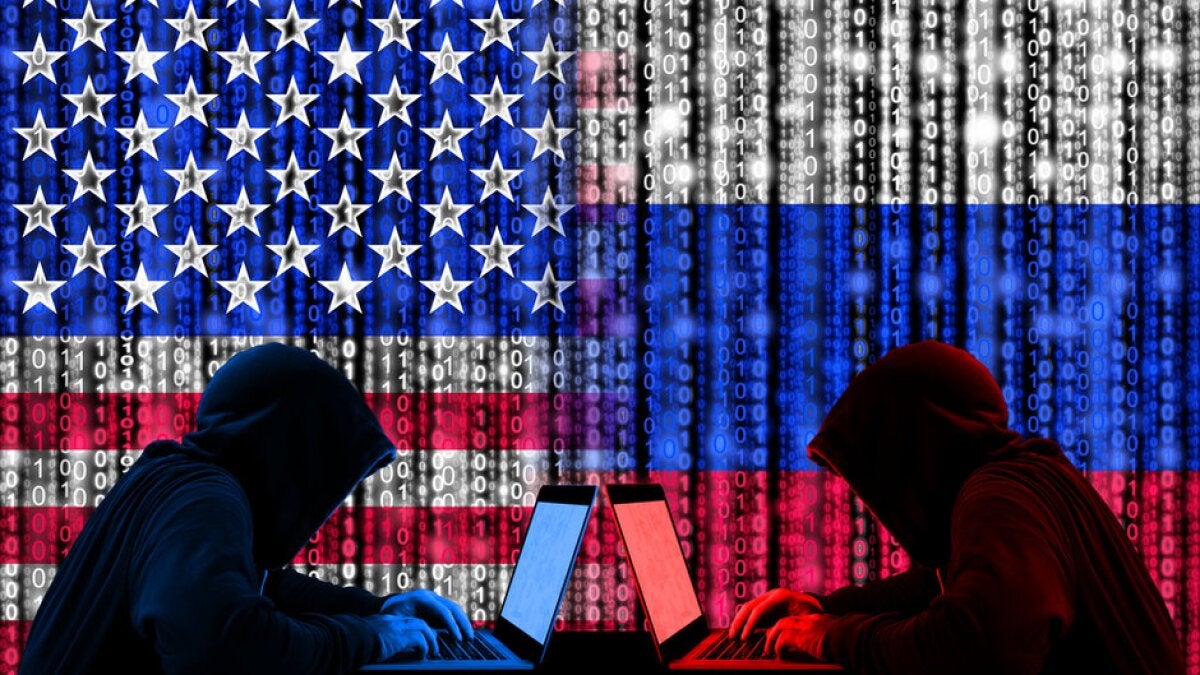
A new report from Cisco Talos Intelligence reveals that a state-sponsored espionage group from Russia, known as Static Tundra, has been engaged in the systematic exploitation of network devices worldwide for over a decade. This group is linked to Center 16 of the Federal Security Service of Russia (FSB) and has maintained undetected access to its victims’ systems, using the CVE-2018-0171 vulnerability in Cisco IOS software.

It looks like a movie, but it’s true

Despite the fact that this vulnerability, which allows for arbitrary code execution on affected devices, was patched after its disclosure in 2018, many organizations continue to use outdated or unpatched devices. This has allowed attackers to access and steal sensitive data from various sectors, including telecommunications, higher education, and manufacturing, affecting regions in North America, Asia, Africa, and Europe.

Researchers suggest that Static Tundra has developed automated tools that allow them to exploit this vulnerability on a large scale, identifying their targets using publicly available network scanning data, such as that provided by Shodan or Censys. Once they gain initial access to the networks, they use advanced techniques to extract configuration data from devices, which often includes credentials and other critical information for future intrusions.

Since the beginning of the conflict between Russia and Ukraine, the group has intensified its operations against Ukrainian entities, aligning its selection of victims with Russia’s strategic interests. According to the report, Static Tundra’s target selection has shifted from selective and limited engagements to broader operations across multiple sectors within Ukraine.

The espionage campaign carried out by Static Tundra highlights persistent weaknesses in network infrastructure security, which has raised concerns about patch management and the lifecycle of devices in the organizational realm. Furthermore, specialists warn that such activities are not exclusive to Static Tundra, as other state actors also seek access to network devices, reinforcing the need for constant vigilance in this area.

Ukraine Crisis Causes Setback: Microsoft’s Highly Awaited Game Postponed

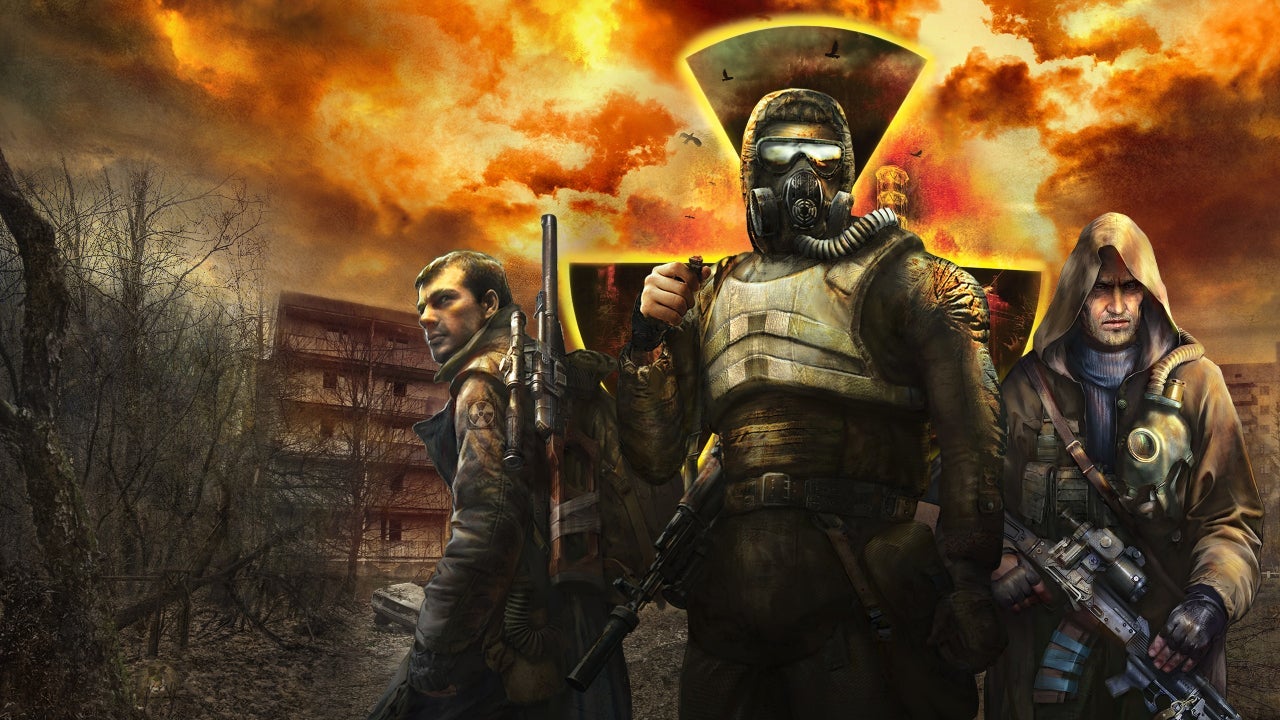
STALKER 2 is revealed again, this time to give us bad news, which feels bittersweet: it is delayed, but it looks better than ever in its new trailer.

The war in Ukraine has impacted the world in many unexpected ways. Besides the devastating human toll it’s taking, it’s also having effects on various aspects of life, including the realm of video games. After all, video games are also developed in Ukraine. And while it might be easy to assume that a country at war abandons everything else, that’s not the case. People continue to live their lives and try to maintain some semblance of normalcy, even if it’s often not exactly feasible.

Steam DOWNLOAD

That’s what happened with S.T.A.L.K.E.R. 2: Heart of Chornobyl. The game by GSC Game World, a studio based in Ukraine known for developing the cult classic S.T.A.L.K.E.R.: Shadow of Chernobyl, has been heavily affected by the war in Ukraine. And that’s not over.

S.T.A.L.K.E.R. 2: Heart of Chornobyl—originally Heart of Chernobyl but later changed to match Ukrainian pronunciation instead of Russian—was announced on May 15, 2018, to be released in 2023 for Xbox Series X, Xbox Series S, and PC. At the start of Russia’s invasion of Ukraine, GSC Game World had to pause the game’s development. Although they resumed the game’s development in May 2022, with part of the team relocated to Prague, another part of the team remains in Ukraine. This has led to an official delay of the game, albeit not a significant one: its new release window is the first quarter of 2024.

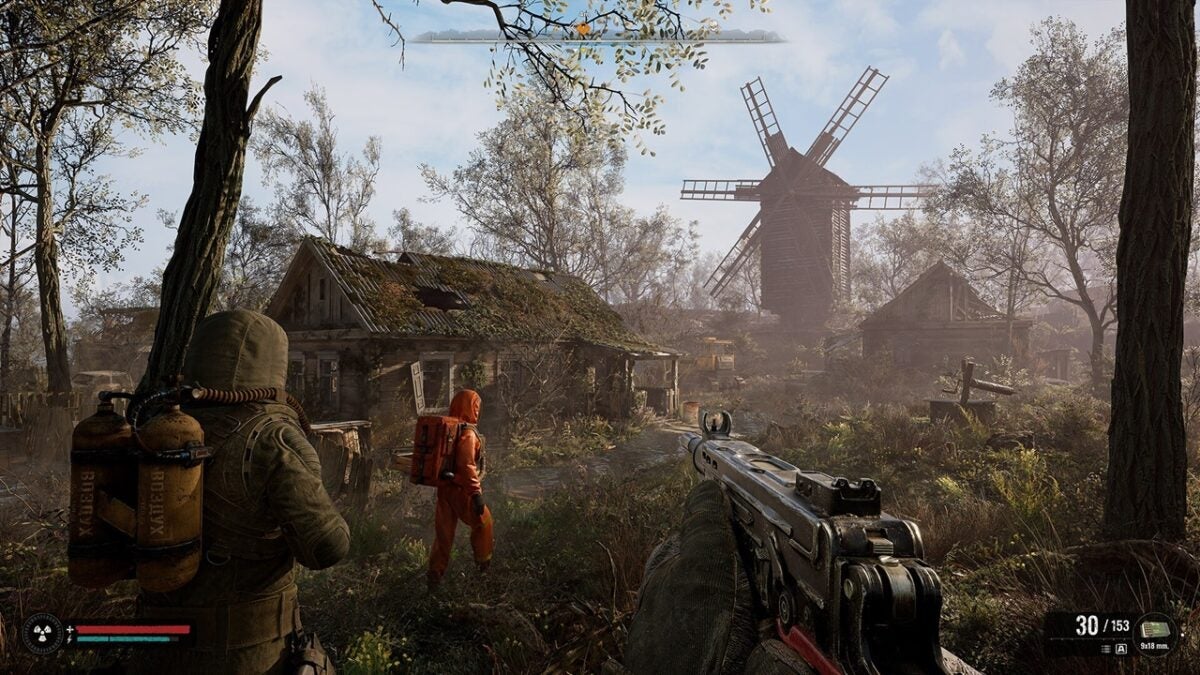
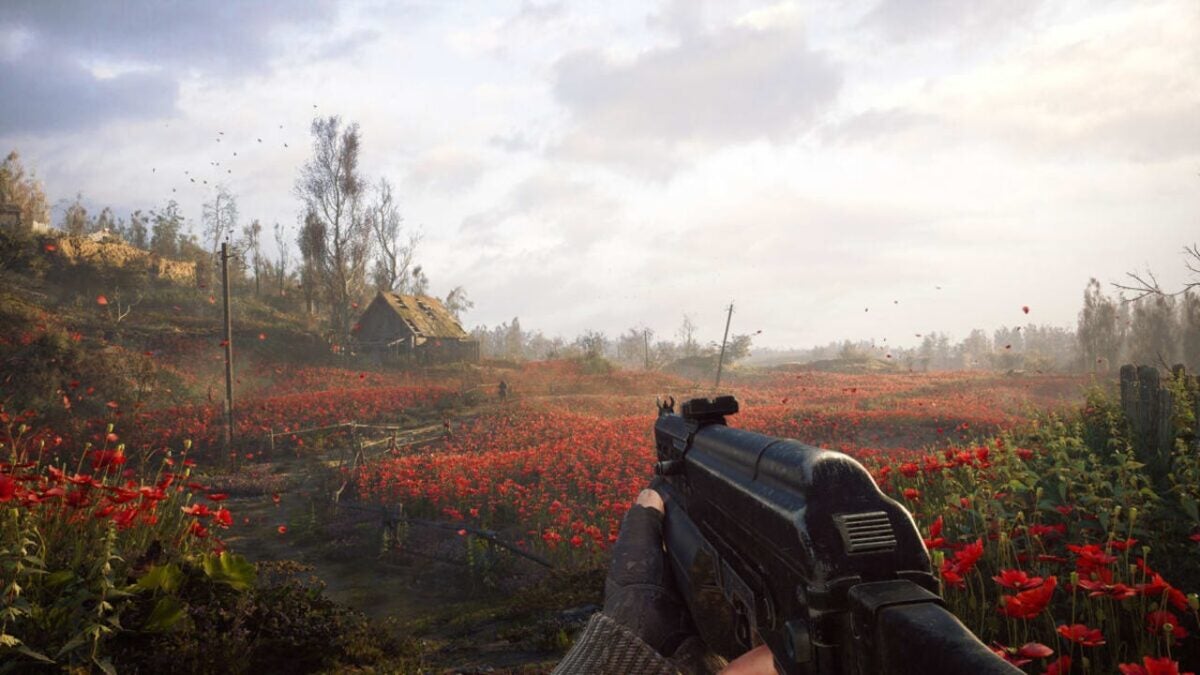
The game will be a first-person shooter with survival mechanics and elements of immersive simulation and horror, just like the original game. Featuring a cinematic story, it will take us to explore the heart of the Chornobyl Nuclear Power Plant, known as the Zone, where anomalies are said to occur, hiding valuable secrets for those who can uncover them.

Despite the delay, a gameplay trailer of S.T.A.L.K.E.R. 2: Heart of Chornobyl has been released, showcasing the game’s visuals powered by Unreal Engine 5 and its close connection to the original game. It’s a testament to the creative resilience of the brave individuals at GSC Game World, who haven’t let even the Russia-Ukraine conflict destroy their creative spirit. With its release still on the horizon, the game remains highly anticipated.

Some of the links added in the article are part of affiliate campaigns and may represent benefits for Softonic.