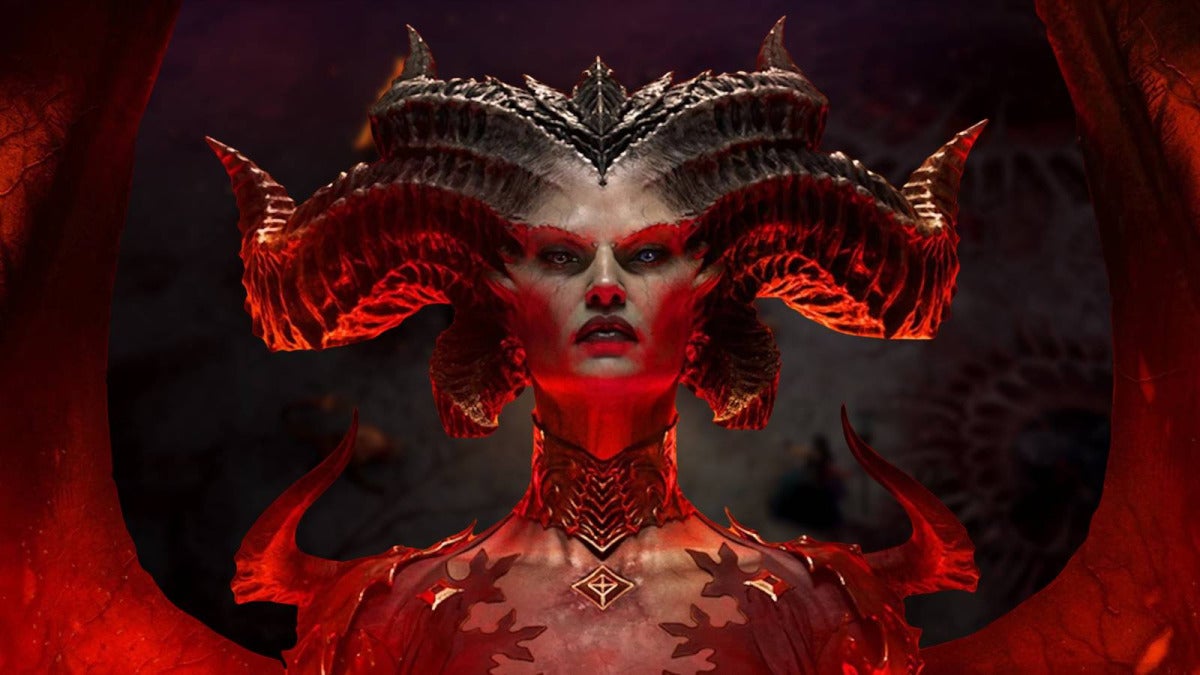
Blizzard has revised its Diablo 4 promo plans for BlizzCon 2026 on September 12 and 13. The update adds Twitch Drops and a couple of paid bundles. What it doesn’t add is a limited-time free download for Diablo 4, or any newly announced free trial.

For those two days, Blizzard has confirmed a Twitch Drop campaign for players who link their Battle.net and Twitch accounts. Watch participating streams for 2 hours and you’ll get the Serrated Skean dagger. Hit 4 hours and the Corroded Cleaver axe unlocks. Make it to 6 hours and you’ll pick up the Tintinnabulation mace. There’s also an exclusive Diablo Twitch badge for anyone who subscribes to, or gifts a subscription for, a Diablo creator during the event. Blizzard is also selling a $29.99 Diablo IV BlizzCon Bundle that includes the Streamsnout pet, Indigo cat mount, and Escapeproof mount armor. Above that, there’s a $49.99 Ultimate Collection, which adds Indigo’s Light Mount Trophy and Indigo’s Master Mount Trophy, along with items for other Blizzard games.
Anyone hoping this update meant actual Diablo 4 gameplay access will probably be disappointed. Blizzard hasn’t announced that. Still, if you play Diablo 4 regularly, the free cosmetics may be reason enough to grab them, even if some players end up finding these rewards less exciting than earlier free-play weekends or class trials.
You can earn the rewards by watching participating Twitch streams, or buy the bundles directly through Blizzard. One thing to watch for: if you already have a BlizzCon pass, you shouldn’t buy the Ultimate Collection again. And with Diablo 4 Season 15 due on September 15, BlizzCon also feels like the obvious spot for “What’s Next” panels, plus possible roadmap or expansion news.