YouTube on Android Automotive now gets background play

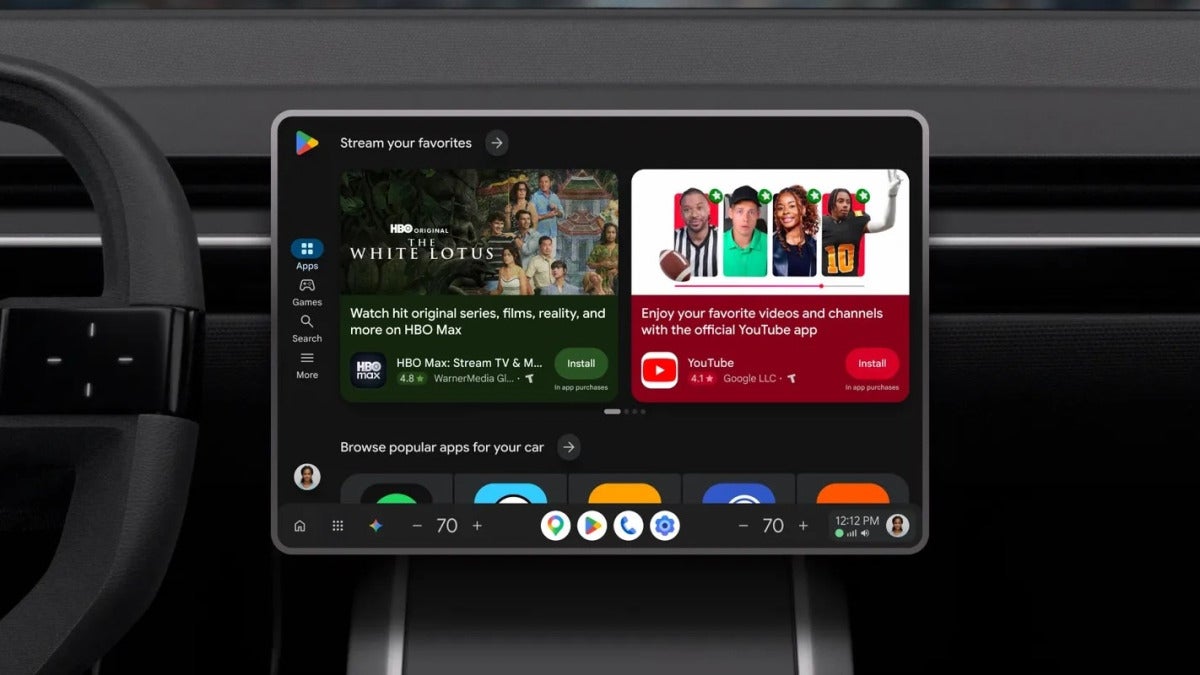
YouTube has begun rolling out background play on Android Automotive for YouTube Premium subscribers driving cars with Google built-in, and Google says more vehicles should get it over the next few weeks. One important distinction here: this is for Android Automotive, not Android Auto. So you’ll need a car that runs Google’s built-in operating system, not the phone-projected version that shows up through your handset.

YouTube Download

For anyone who actually uses YouTube Premium in the car, this is a pretty handy change. You can start a video while the car is parked, then keep the audio going once you pull away. That makes podcasts, interviews, live streams, and longer YouTube videos a lot easier to listen to without the whole thing falling apart the moment you start driving.

Google had already said a feature like this was on the way in 2025, and it’s landing at the same time as a redesigned Play Store. According to Google, the new version should work better across different screen sizes and dashboard layouts, make apps easier to find, and support a catalog that now has more than 700 apps. That list includes STARZ, Firefox, Ludo King, and JioHotstar.

It also lines up with Google’s bigger push into in-car video. The company has previously said Android Auto should get video apps later on, and the Android Automotive market market, the in-car video market, and the wider app market are all expected to grow fast over the next several years. The rollout to Android Automotive vehicles should continue over the coming weeks, though safety rules and market-by-market availability are still going to shape where this shows up first.

Spotify Download

Tesla robotaxis now face federal review: alleged school-zone speeding claims

The National Highway Traffic Safety Administration, or NHTSA, opened a case on October 9 after a defect petition targeting Tesla’s 2026 robotaxi service. For anyone who follows Tesla closely, the core claim is straightforward: some driverless Tesla vehicles were allegedly speeding through active school zones.

Tesla Download

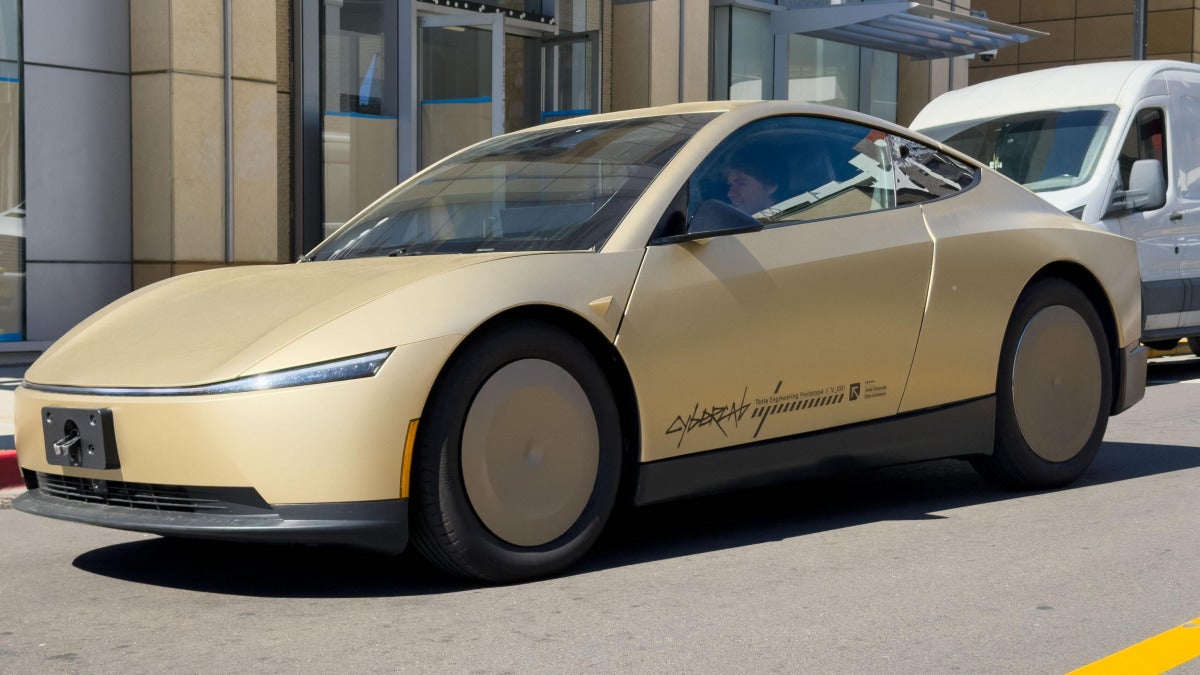
Here’s what the petition actually says. Tesla’s Automated Driving System is accused of exceeding reduced school-zone speed limits in roughly 1,000 vehicles, including 2026 Model Y robotaxis and the Tesla Cybercab. NHTSA says it received the petition on September 23, 2026, then opened the case on October 9. The filing points to four incidents drawn from three social media videos and one formal complaint. So far, though, there haven’t been any crashes, injuries, or deaths tied to the issue.

For people tracking robotaxis, this one matters. An evaluation is just the opening step, not a recall, and it can go in a few different directions: a formal investigation, requests for more information, or no action at all. Still, this carries more weight than Tesla’s Full Self-Driving Supervised, or FSD Supervised, because in a driverless service Tesla is the operator, not the person sitting in the car.

You can follow the case through NHTSA filings. It also lands as the third federal action in a little over a month, alongside a Tesla Cybercab design review focused on the lack of side mirrors, pedals, and a steering wheel; a separate NHTSA probe into FSD over red-light behavior and driving on the wrong side of the road; earlier Austin launch videos and user reports about school-zone speeds; and similar NHTSA scrutiny of Waymo over school zones, school buses, and child safety, which ended with a voluntary software recall.

Waze Download

Paris Auto Show returns: the EVs America is missing

The Paris Auto Show is back this year with a full slate of in-person vehicle debuts, and for the first time in years, it actually feels like the show matters again.

AutoScout24 Download

What jumps out is Europe’s push toward smaller, cheaper EVs and practical family cars, not the SUVs and pickups that still dominate the U.S. That tells you where the market is heading there: battery-electric cars are likely to keep taking a bigger share of sales.

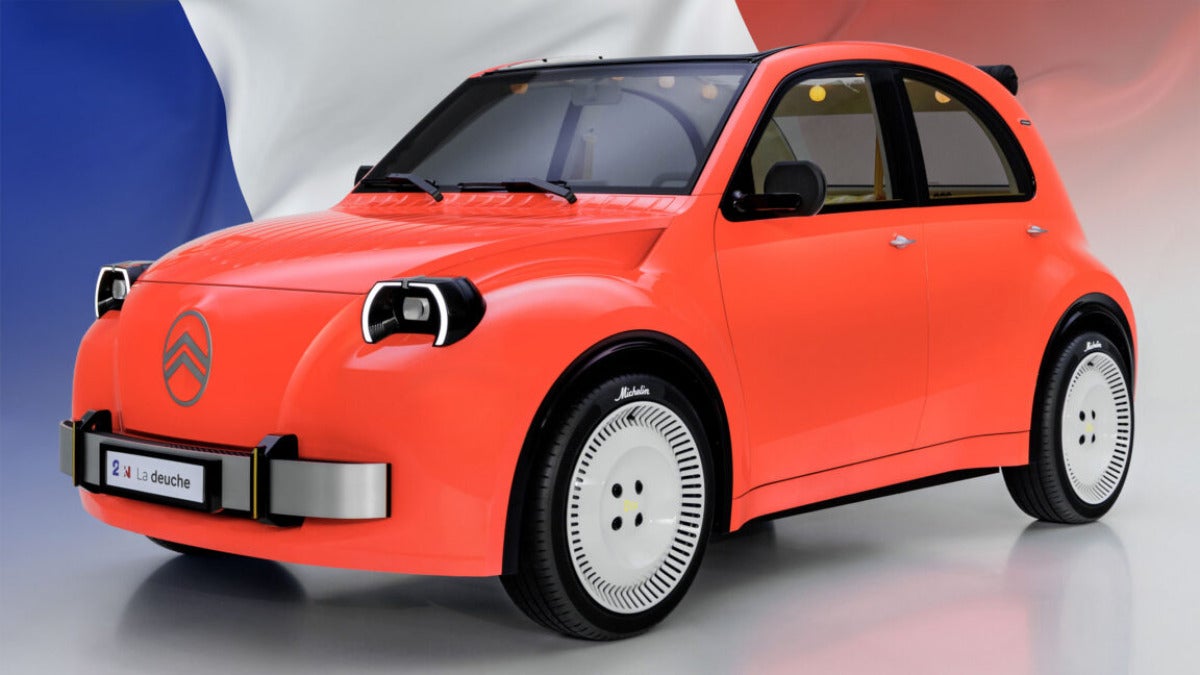
Citroën’s retro 2CV concept makes that point better than anything else here. Citroën expects a production version in about two years, priced at roughly €15,000 ($16,766). The cabin is simple, but it still has personality, with a removable portable radio, an 8-inch touchscreen, and comic-book-style graphics. A budget EV doesn’t have to feel dull. You can also see the pressure building from Chinese brands including BYD, Denza, Geely, and XPeng, all of which showed up in Paris with a stronger presence.

If you care about the most affordable EV ideas, this is a show worth watching. Still, a lot of these cars probably won’t make it to the U.S., because the business case is weaker, buyers here still prefer larger vehicles, and the added burden of safety and regulatory costs, tariffs, import rules, and the 25% Chicken Tax makes things even harder. The split looks sharper when Stellantis is bringing back a V8 Hellcat-powered Charger in America while its European brands keep pushing small electric cars. You can follow these debuts from the Paris Auto Show, even if many of the most interesting ones are likely to stay in Europe.

PlugShare Download

Why should you switch to Safari today? Apple explains it in two fun videos

Apple has launched a campaign to remind us why we’re much better off in Safari than in Google Chrome. With a dedicated page and two videos, the company focuses on how Safari is designed to get the most out of our Apple devices and to do so with stronger privacy protections and by offering us a cleaner browsing experience.

Safari Download

More speed, better battery life, and above all, privacy

Apple explains the situation with data. Safari can give us up to five extra hours of video playback on a Mac compared with what we’d get with Chrome, and it’s up to 35% faster at loading the pages we visit most often.

The key lies in the integration. Safari can optimize performance and power use at the same time, because Apple controls the operating system and the hardware, but there’s much more. While Google’s business model is advertising and it uses its various services, including Google Chrome, to collect data and show us ads, Safari has a completely different business model. The first video focuses on that.

The second video covers Distraction Control. A system that lets us hide any part of a web page just by clicking on it. A system exceptionally useful for browsing, since it lets us interact with much cleaner pages that give us faster access to the information we’re interested in.

Safari also includes the Intelligent Tracking Prevention system, which stops the most common trackers, private browsing locked with Face ID, and Safari profiles, designed to separate our browsing so that tracking, as well as the accounts we’ve signed in to, doesn’t carry over across sessions.

It’s clear that Safari has the advantage of being developed specifically for our devices, but it goes beyond that. Browsing privacy is key, and Apple offers a solution that is nothing like Google’s. Switching to Safari makes more sense today than ever.