Inside Meta, Rebalancer has been in use for more than nine years. The company says it handles about 40 million assignment problems a day across more than 30 internal apps. The work it does is the kind of infrastructure plumbing that matters once systems get big: placing workloads on servers, deciding where shards should live, mapping racks inside datacenters, assigning tasks to servers, and routing user traffic across datacenters.
The Apache 2.0 release includes a C++ core, a Python interface, documentation, a PyPI package, and Rebalancer Explorer. It’s built so you can describe constraints and goals with modeling constructs, an expression API, and a spec API, rather than needing deep optimization expertise just to get started.
Under the hood, Rebalancer turns specs into a directed acyclic expression graph. From there, it can use mixed-integer solvers such as FICO Xpress, Gurobi, and HiGHS, or a local-search solver built for NP-hard problems at scale. Meta says that setup can reach P99 solve times of 12 seconds for 265,000 objects and 3,200 bins, and average 171 seconds for problems with more than 1 million objects.
If you deal with large-scale placement or routing workloads, it’s probably worth a look. Still, PyPI currently labels Rebalancer as Alpha, Meta says the local-search approach prioritizes scale over guaranteed global optimality, and there still aren’t any public third-party production case studies.
You can install it with `pip install rebalancer`. It also supports Python 3.12 and up, ships Linux x86-64 and macOS 14+ ARM64 wheels, and comes with .deb, .rpm, and Homebrew packages.
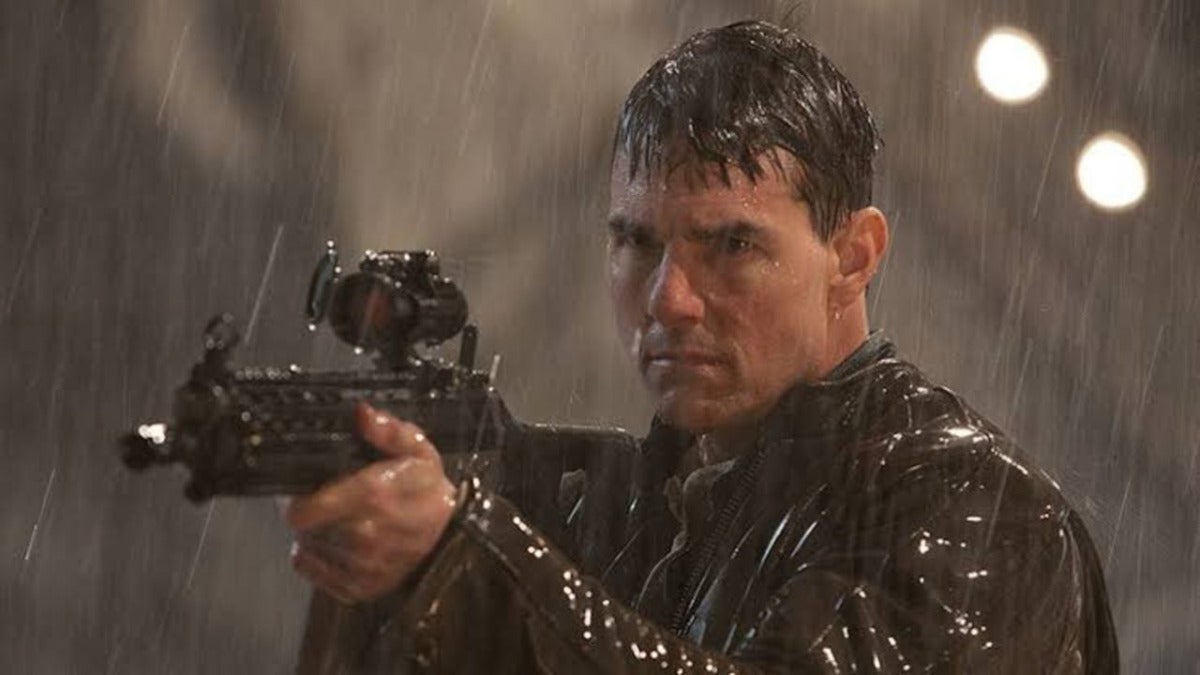
Everyone involved knew that Tom Cruise didn’t look a damn thing like Jack Reacher. From Cruise himself to Lee Child, the author of the original novels, who from the beginning made it clear that with any other actor we’d have 100% of the height but only 90% of Reacher, whereas with Cruise we had 90% of the height but 100% of Reacher. All very nice… except it’s a lie.
Now we know that, at the time, Christopher McQuarrie and Cruise tried to get a third installment in the franchise off the ground, but Child decided there had already been enough. “I had a clause in the contract that said I could choose whether we made more, and I decided to exercise that veto”. And that was that: the next time we saw Reacher was the Amazon Prime Video series where Alan Ritchson plays the character exactly as written.
That said, according to him, the decision had nothing to do with Cruise, but with the rise of streaming, because he thought it had more potential as a series: “I’d have more freedom with casting, because a star on television doesn’t draw audiences or money”. Put another way: deep down, it did have a little to do with good old Tom.
In fact, he believes that “Nobody would now prefer a movie over a series because of the length: it’s a fabulous luxury. It is. 8 hours, 10 hours, 12 hours, whatever you want. You can tell the whole story, all the light and shade, the quiet parts, the funny ones. It doesn’t need to be crammed into 90 minutes“. So, even though Cruise said he wanted to make Jack Reacher 3 someday, I’d forget about it.
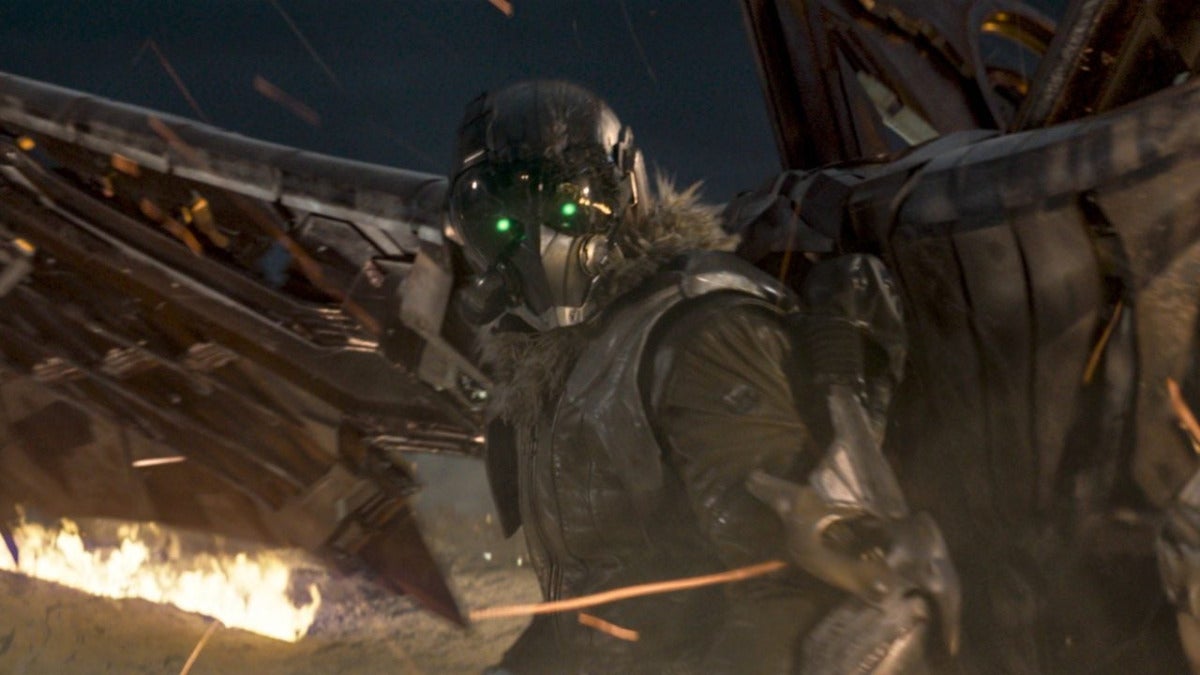
It’s well known that, until the very end, the Vulture in Spider-Man: Homecoming could have been John Leguizamo. In fact, the actor was convinced the role was his until Michael Keaton finally decided to return to the role. And although at first, in interviews, he seemed to take it well (“Well, okay, I guess”, he recalls saying), now his tone has changed. Rightly so.
As he put it, “I was offered the Vulture, and then the head of the studio called me, ‘Oh, John, this is really terrible.’ We had already negotiated and accepted the terms. I hadn’t signed a contract, but I had agreed to the terms, we were well into negotiations. And she told me ‘We want the role back, Michael Keaton wants it back.’ And I’m thinking ‘What the hell is this?’”. That’s how you go from being part of a mega-franchise to being last in line. Oh, John.
Shortly afterward he rationalized it and still couldn’t believe it: “I’d never heard of anything that crazy. I could have sued, but my representatives are cowards. It could backfire on me. I mean, I don’t usually get into lawsuits, anyway. It’s not who I am. I’d rather make a move and create my own things”. That, mind you, hasn’t dampened his desire to become a superhero… Or, rather, a supervillain.
“I’d come back if they offered me the Riddler or a similar role. I’d come back to other franchises, if they made it worth my while. But then they offered me the role of a scientist in the movie and I said ‘No, thank you. Thank you, but no’”. Well then, let DC go ahead and pick up the phone, because Leguizamo wants to put on tights no matter what.
Puella Magi Madoka Magica is one of the most beloved magical girl franchises, stories of girls who acquire powers to fight any kind of threat in the style of Sailor Moon. Released in 2011 and becoming extremely popular because of the very dark twist at the beginning of the series, it had a sequel in the form of a film in 2013, Puella Magi Madoka Magica: Rebellion, and nowits next film finally has a release date: Puella Magi Madoka Magica: Walpurgisnacht: Rising.
Released on August 28 in Japan, we knew the film was going to screen at the Sitges Festival on October 17, but it still didn’t have an official date. But it has now been confirmed that the film will open in theaters on November 27 with advance ticket sales starting on November 5.
After numerous delays, the film was first announced on November 27, 2015. Since then, the film has suffered numerous delays before its August 28 release, and it has had a mixed reception: it has been praised for its excellent music and animation, but it has been criticized for its confusing narrative that raises more questions than it answers about the series’ plot. But to find that out we’ll still have to wait until the end of November.
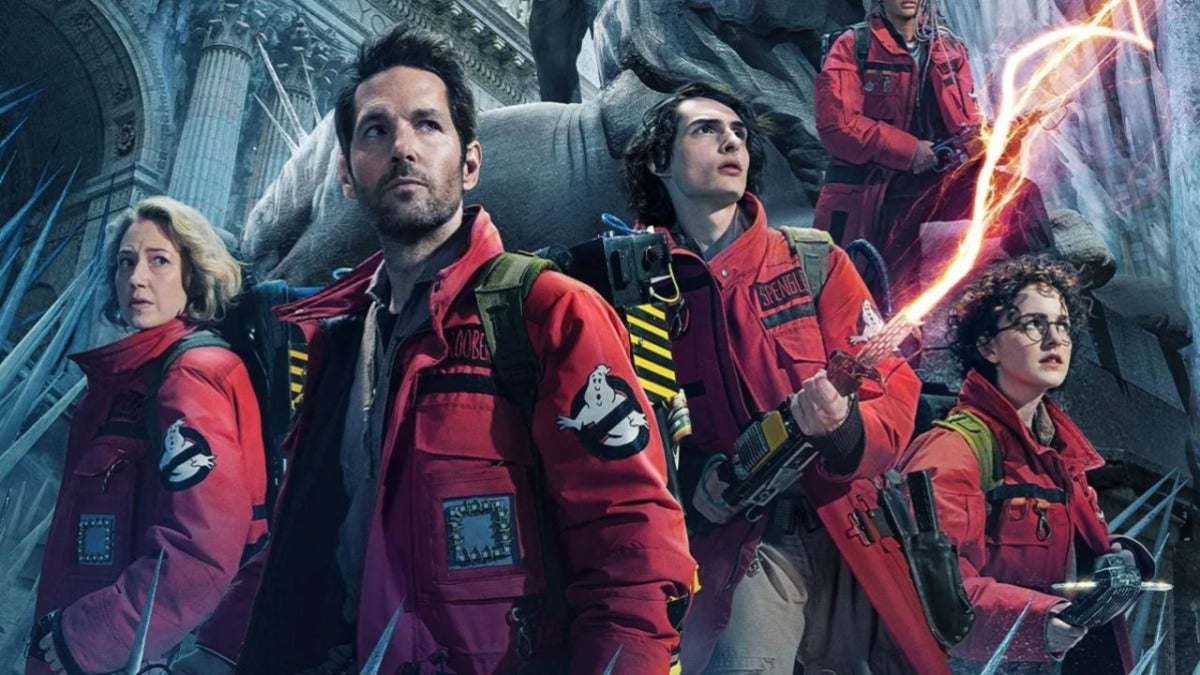
If there’s something strange in your neighborhood, who you gonna call? Well of course, there’s no other choice: the Ghostbusters. Since the first installment of the saga premiered in 1984, we’ve had a total of 5 films and 2 series, and although the box office of the last two entries hasn’t been what was hoped for, the people behind them have already started work on a sixth film that’s already in development. That’s right, we already know who we’re gonna call. Again.
In this case, the film will be called Nightmare at 34th Street (Nightmare on 34th Street), which will, with any luck, forget the visual-effects flourishes of Frozen Empire to focus on what made the saga famous in the first place: homespun comedy. The writer of this new installment will be Josh Miller, screenwriter behind the three Sonic films (with a fourth on the way) and Violent Night.
Not much else is known yet, but with this title, which parodies Miracle on 34th Street, everything points to it being a Christmas movie with ghosts, ectoplasm and a little bit of bite. But if you’re a very, very big Ghostbusters fan, you’re in luck, because Netflix has already announced it has a new series on the way: Night Shift, which will follow a group on the night shift and after hours.
We still don’t know whether in this film, like they did in the previous movie, the classic Ghostbusters team will return, but personally I wouldn’t mind if it were some kind of spin-off and they were given free rein. The saga has more than earned that freedom, after all.
Andrew Garfield is doing a press tour for the release of his new film, Artificial, a biopic of Sam Altman, the CEO of OpenAI. Premiered at the New York Film Festival, the film has generated controversy because Amazon canceled it after they signed a new agreement with OpenAI, after which Neon decided to acquire the rights to complete it and release it independently. That will happen on December 25.
On that note,, Garfield has made a series of statements about his impressions of Altman. “I remember seeing Sam testify before Congress for the first time, a very long time ago,” Garfield said on Monday night, during the film’s world premiere at the New York Film Festival. “I thought: ‘This guy seems fucking great. He’s honest. He’s transparent. He talks about regulation and doesn’t have any vested interest in OpenAI. We need more people like that in charge. He’s incredibly charming and charismatic.’ And then you get to know a person better.”
In fact, he didn’t stop there. He even went so far as to say that “I feel enormous compassion for what it must feel like to be deep down and think: ‘That’s not me‘,” Garfield said of Altman. “I imagine that would be hard to face. I would feel that way. I’m projecting.”
As for the film,, Altman told Vanity Fair that he isn’t worried about the film. “They’re trying to make a good movie, and it may turn out well (…), but it won’t be as good as an accurate portrayal”. Something that shows it hasn’t gone down well with Altman, who hasn’t been able to see the film, and that the rest of us will still have to wait until the end of the year to see why it has bothered OpenAI and Amazon so much.
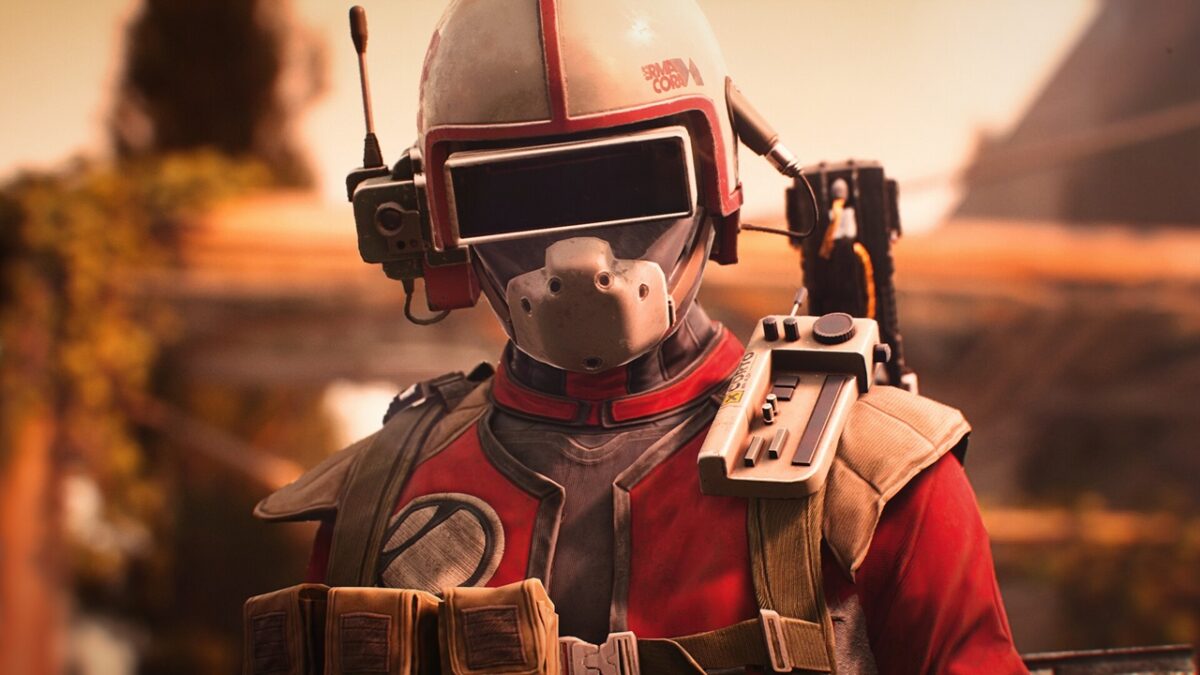
Hollywood has realized that video games are a gold mine. So it shouldn’t surprise us that, from time to time, we get new updates about a franchise that could be adapted for film and TV. Now it’s the turn of two major Embark Studios franchises, because Arc Raiders and The Finals could make the jump to film and television.
As Variety has reported, Nexon, Embark Studios’ parent company, has teamed up with the production company Chernin Entertainment to develop adaptations of its video games. “ARC Raiders and The Finals are exactly the kind of opportunities we’ve been looking for at Chernin Entertainment for some time: major intellectual properties with global reach, with the potential to become major franchises in both film and television,” said David Ready, president of Chernin Entertainment’s film division.
The reason it has generated this interest is because “Nexon and Embark have created visually spectacular worlds full of atmosphere, with countless stories to tell. We are honored that they’ve trusted us to bring together our film and television teams and bring those stories to life“. Which is why they’re looking to capitalize on these franchises.
In any case, there is no release date or confirmation of what form these adaptations would take, or even whether they would ever be released. That’s why, while it’s interesting news, we’ll have to see whether, in the end, this collaboration comes to fruition and in what form.
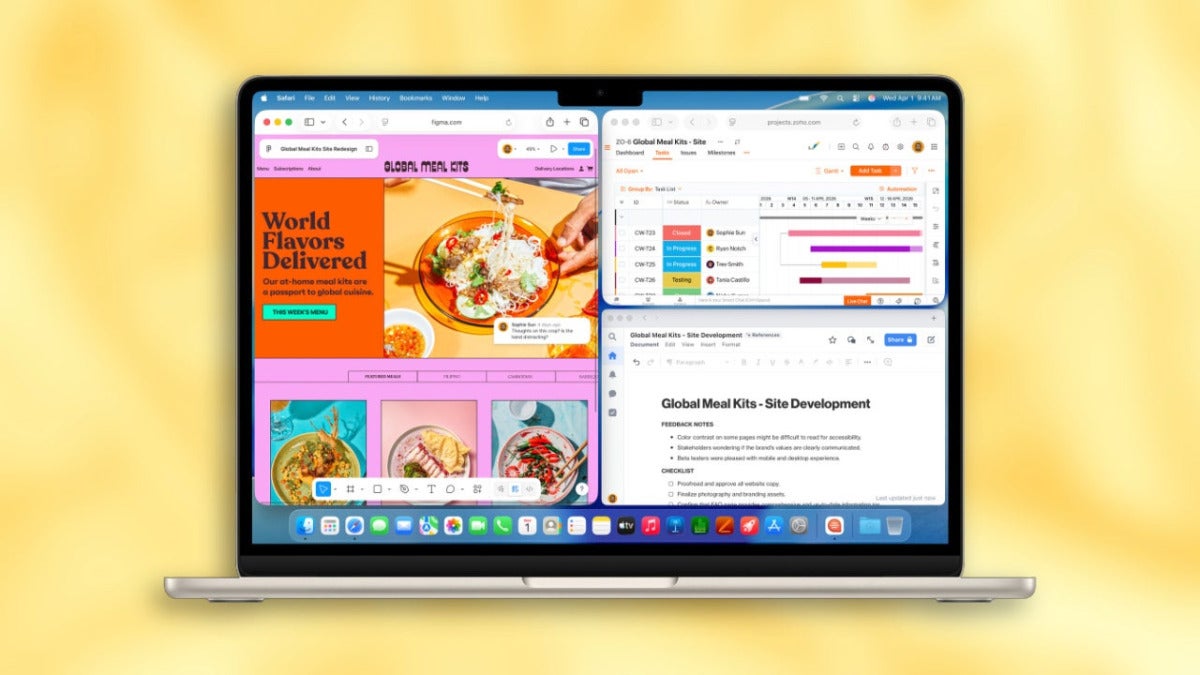
Apple has been preparing one of the biggest changes to the Mac in many years for some time, and each new beta seems to bring us closer to it and give us more proof of what, let’s be clear, for now are only rumors. After years of macOS evolution, the latest betas point directly to a screen we’ll be able to touch, and that comes from within the system itself.
macOS 27.2 starts supporting touch input
In the third beta of macOS 27.2 we found several new features for recognizing different touch gestures in Safari, Photos, Notes and also in Quick Look. As MacRumors reports, the system now includes references such as PXGTouchDwellGestureRecognizer, ICTouchPressGestureRecognizer or dragTouch, fairly clear names that fit suspiciously well with that touchscreen MacBook we’ve been hearing so much about.
macOS Golden Gate itself already includes gestures like pull to refresh and although support for touch interactions through Sidecar is a good explanation for these features, suspicions are growing quickly.
Rumors suggest a noticeably lighter OLED MacBook Pro, with a Dynamic Island and M5 Pro and M5 Max chips inside. OLED technology will be key to adding a touchscreen, and it’s something Apple has been working on for years.
The announcement could take place this very month, although the latest rumors push it back to November. Beyond the dates, everything is starting to line up in a way that’s hard to ignore. We’ll see how it develops.
Firefly AI Assistant is built for a pretty specific moment in the creative process: that point where you know you need to make something, but you still can’t quite see it. Adobe introduced this generative AI assistant for Creative Cloud in April, and the company says it can help pull ideas out through text prompts inside Creative Cloud apps. Here’s how Adobe explains it.
How can Firefly AI Assistant help you come up with ideas and create?
Blank page. Blank canvas. No clear direction yet.
That’s the moment Firefly AI Assistant is meant to help with. Adobe frames it as a creative sidekick you can throw ideas at while you test different directions and see what actually works.
You tell Firefly AI Assistant what you want to make and what kind of outcome you’re aiming for: a certain style, specific colors, a particular mood, that kind of thing. Even if the idea is still rough, you can describe it in words, and Firefly responds with visuals based on that prompt.
Adobe says Firefly AI Assistant can generate images from your text while staying close to the direction you’ve described. And if the first result isn’t right, you can keep adjusting the prompt and try again.
How do you get from idea to result in one conversation?
Firefly AI Assistant can speed up this part and, in some cases, save you from bouncing between multiple programs just to get a first version on screen. If you want to try it, this is the basic process on the platform:
Start by typing out your idea. Describe the product you want to sell, who it’s for, the style you want, and any other details that matter.
Then Firefly AI Assistant generates images from that prompt.
If the first round is off, refine the result or rewrite the description. Change the colors, shift the framing, tweak the lighting. Keep going until it feels closer to what you had in mind.
You’ll usually see several variations. Pick the one that works best, then adapt it for other formats if you need to. For social posts, Adobe says Firefly can resize the image for different formats.
How Firefly AI Assistant works with Creative Cloud tools while you keep control
Firefly AI Assistant can tap into tools from Adobe Photoshop, Adobe Illustrator, and Adobe Premiere Pro, with everything connected through Firefly AI Assistant. The pitch is that it can tell which tool fits the task, while you still decide what actually gets done.
So yes, the assistant may help you move faster and try more ideas, but you’re still steering. If you’d rather fix a specific detail yourself, you can open the project in Adobe’s apps and keep working there.
How to retouch portraits and build a visual identity people recognize
If portraits are a big part of your work, Firefly AI Assistant can help there too. Because it can use Adobe Photoshop tools, Firefly AI Assistant can simplify the editing process, and Adobe says the final results improve as well.
Adobe also says Firefly AI Assistant includes Creative Skills, which are ready-made workflows you can start using right away. One of them is called Portrait Retouch, and it’s made to help polish portrait images.
Upload your portraits into the Firefly AI Assistant conversation.
Choose Portrait Retouch.
Ask Firefly AI Assistant to apply the same style across every image you upload. That helps keep the look consistent from one image to the next, which matters when you’re trying to build a visual identity people will recognize. And if you want to keep refining the result, you can always open the images in Adobe Photoshop and finish them there.
How to make an 8-second cinematic product video from a mockup
Short video is everywhere on social media right now. Adobe says Firefly AI Assistant can make that kind of content too, starting from a single image. If you want to test it, here’s the basic flow:
Pick the image you want to animate.
Ask the assistant to generate a video in the style you want, whether that’s cinematic, more graphic, or something else.
Review the result and ask for changes if needed – different lighting, another background, or whatever better fits the idea. Before long, you can end up with a short clip ready for social media, for example. And if you prefer editing video yourself, you can bring that clip into Adobe Premiere Pro to add music, subtitles, or cut it together with other footage.
How to turn your logo into a vector you can use anywhere
If your logo is saved as a raster image and starts looking pixelated in certain situations, there’s a simple fix: convert it into a vector. A vector image can be scaled up without losing sharpness. That’s especially useful for posters, T-shirts, and almost any print project.
Upload your logo to the Firefly AI Assistant conversation.
Ask Firefly AI Assistant to convert it into a vector.
Review the result and request changes if needed. That gives you a clean, professional asset you can reuse wherever it needs to appear, whether that’s on social media posts or in printed materials.
Why Firefly AI Assistant can help if you care about speed, quality, or both
If speed is the main thing you care about, Firefly AI Assistant can cut out a lot of extra steps. You can make more images, more videos, and more versions of the same concept in less time. At the same time, Adobe isn’t presenting this as a trade-off where you lose quality or hand over control.
You can review every asset, ask for revisions, or step in and finish the work yourself in Adobe Photoshop, Adobe Premiere Pro, or Adobe Illustrator. The assistant’s role is to help you get there faster.
Try Firefly AI Assistant now for free
Firefly includes free generations, so you can try the platform without paying upfront. You don’t need a subscription plan for that, and the limits reset every day, which gives you room to keep experimenting.
Star Wars: Galactic Racer is out worldwide today, October 6, 2026, on PlayStation 5, Xbox Series X/S, and PC. Amazon also says that in supported Amazon Luna regions, Prime members can stream the single-player campaign at no extra cost on compatible devices.
So yes, that cuts out a separate purchase, the usual massive download, and even the need for dedicated gaming hardware. The catch is that Luna support still depends on where you live. Even so, this is a pretty unusual day-one launch for Amazon Luna, and cloud players can jump in right away.
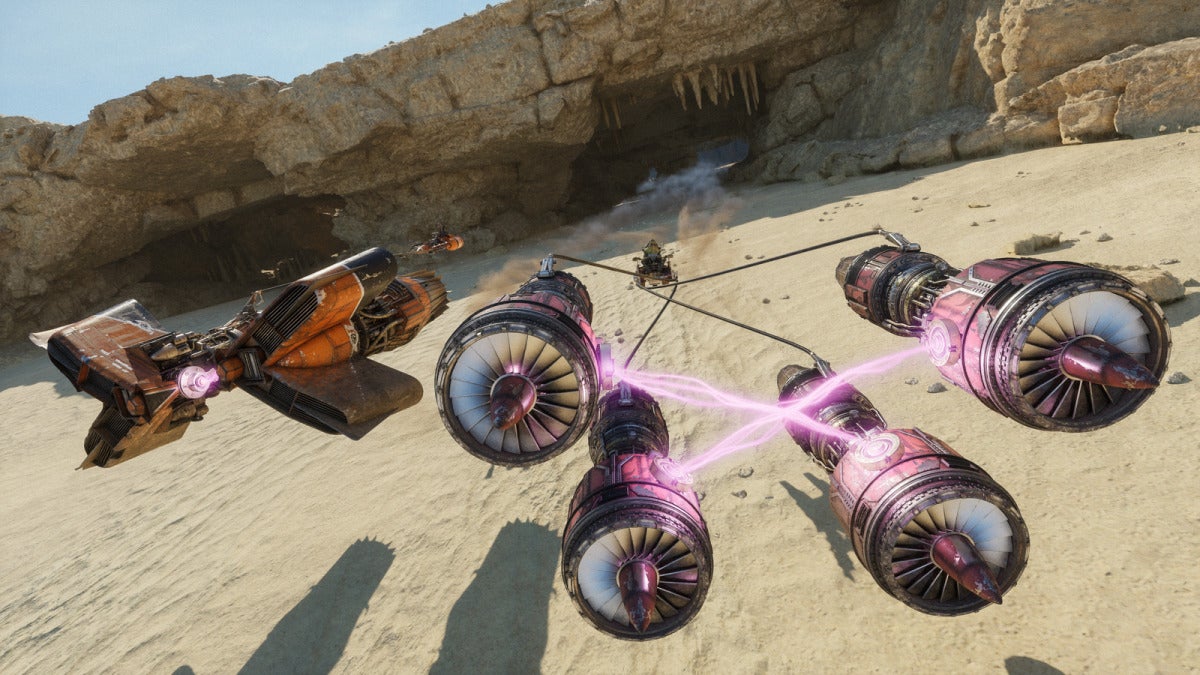
And no, this isn’t a re-release or a remake of 1999’s Star Wars Episode I: Racer. Star Wars: Galactic Racer is a brand-new post-Empire racing game centered on Shade and the underground Galactic League. It mixes podracing-style speed with landspeeders and speeder bikes, then adds a roguelike run structure where winning helps, losing still matters, and both push your progress forward.
If you’re after a Star Wars game that does something different, this one looks easy to recommend. Early reviews have been strong: ScreenRant scored it 8/10, while Collider went even higher at 9.5/10. The praise keeps landing in the same places too, its sense of speed, the tight handling, the cinematic campaign, and the way it sits next to Star Wars Jedi and Star Wars Zero Company as part of Lucasfilm’s broader genre push.
You can pick up Star Wars: Galactic Racer now on PS5, Xbox Series X/S, and PC, or play it through Amazon Luna in supported regions.