China replaces Windows with Linux on some government PCs: switch moves to 2026

China has told some government agencies to swap out Microsoft’s Windows 10 China Government Edition for Chinese-built Linux distributions, effectively moving the system’s retirement up from February 2027 to sometime later in 2026.

Ubuntu Download

Officials are presenting the change as a question of digital sovereignty, tighter control over data and infrastructure, and long-term self-reliance, not as a response to any disclosed breach. That’s notable because the 2016 CMIT version, built with the state-owned China Electronics Technology Group, had already localized activation and updates, removed some consumer services, and added support for Chinese cryptographic standards.

Beijing hasn’t named the replacements, but Kylin OS and UnionTech’s UOS look like the front-runners. Both already target government bodies, state-owned enterprises, and critical infrastructure, and the news sent domestic Linux-related shares higher.

Anyone following public-sector software should pay attention to this. For Microsoft, it’s another reminder that even a heavily localized product can still lose ground when strategic control matters more than compatibility with global platforms.

The broader pattern is showing up elsewhere too. France is still pushing open source, and Germany’s state of Schleswig-Holstein plans to move about 30,000 PCs to Linux and LibreOffice. Even so, Windows still accounted for more than 87% of China’s desktop web traffic in July 2026.

Linux Mint Download

DOJ backs xAI in Minnesota nudification law fight: files statement of interest

The U.S. Department of Justice has stepped into the xAI v. Minnesota fight, filing a statement of interest that largely supports xAI’s challenge to Minnesota’s new “nudification” law. The law is set to take effect on August 1, 2026, and it would bar websites and apps from offering tools that can generate realistic nude images of identifiable people.

Minnesota’s law allows for civil penalties of up to $500,000 per violation. The Justice Department argues that the measure may go further than federal rules because it targets the tool itself, which could create strict liability, raise First Amendment problems, and chill image-generation development in ways that may affect U.S. competitiveness and national security.

In its late-July 2026 lawsuit, xAI argues that the law restricts protected speech because it sweeps too broadly, doesn’t require intent to harass or a lack of consent, and defines covered images too loosely. The Justice Department points to the federal TAKE IT DOWN Act as a narrower model, saying that law focuses on nonconsensual dissemination and includes limits tied to consent and intent.

Minnesota, for its part, says the law is aimed at harmful conduct, not speech, after reports that women’s photos were used to create explicit content without permission. The state also says the bipartisan measure, which passed with near-unanimous support, is meant to stop abuse before those images are created and spread.

A judge heard xAI’s request for a preliminary injunction on August 19, 2026, after previously denying a temporary restraining order. If you follow AI regulation, this is a case to keep an eye on in the federal courts.

Google Photos update is now live: it fixes the drag-to-select bug on Android

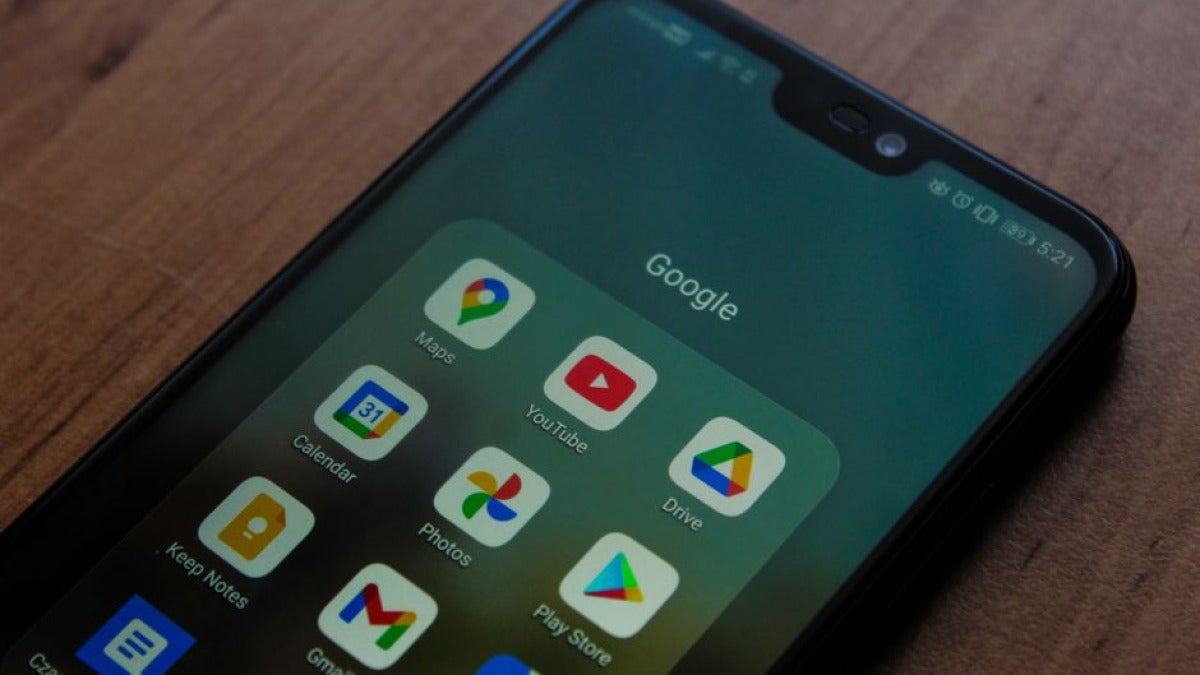
Google Photos on Android just got an update that fixes the drag-to-select bug that had been stopping some people from selecting multiple photos, and the rollout is already live on the Google Play Store.

Google Photos Download

Google says this wasn’t an intentional change, just a bug. You could still kick off multi-select in Google Photos with a long press, but once you tried dragging across the grid, the app would often scroll through your library instead of highlighting more items. Cleaning up photos turned into a tedious tap-by-tap chore.

If you’re on a Google Pixel, Samsung, or OnePlus phone, you weren’t the only one seeing it. Reports popped up across forums and social media in late July and early August 2026, and it quickly became clear this was a Google Photos problem. As people compared what was happening on their phones, some even found out for the first time that Google Photos lets you bulk-select images by dragging.

If you regularly delete screenshots, sort pictures into albums, or archive older images, this is the kind of small fix that makes a real difference. For plenty of users, it’ll probably feel more useful than this year’s desktop backup changes or newer additions like Ask Photos and Moods.

You can grab the latest Google Photos update for Android now from the Google Play Store.

Electric cars are more dependable in 2026: Model 3, Leaf, and Kona stand out

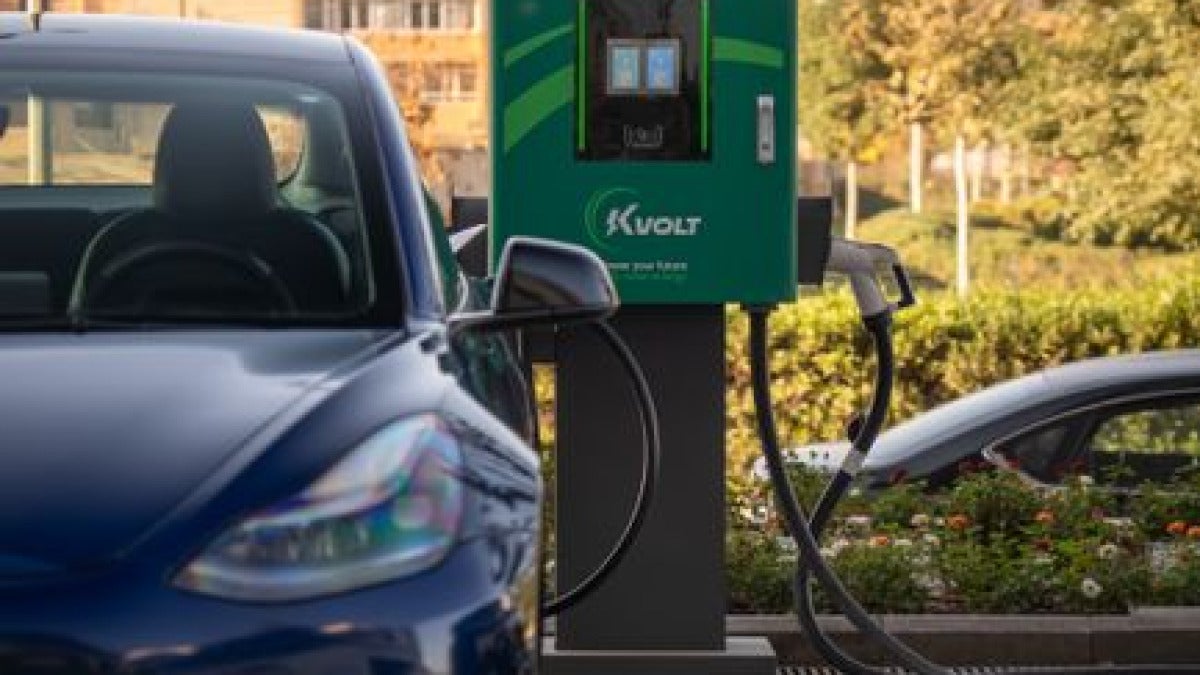
ADAC, TÜV, and Vincentric have all published fresh 2026 data on EV reliability and ownership costs. The picture is getting clearer: electric cars are proving more dependable, and the owner results cited across those reports suggest most people who bought one would do it again.

Part of that comes down to the hardware. EVs have fewer moving parts, no oil changes, fewer fluids, and less mechanical complexity overall. ADAC says they now break down less often than gas and diesel cars. Even so, the model-by-model numbers still leave some holes, and the strongest signals in ADAC’s data seem to point to the Tesla Model 3, Nissan Leaf, and Hyundai Kona Electric.

Battery life looks better than a lot of early skeptics thought it would. The latest EV figures in those reports put degradation at roughly 1.5% to 2% per year, with most packs still holding more than 80% of their capacity after 10 years. That makes used EVs a lot easier to evaluate, though newer battery chemistries and cars living in extreme climates still need more time and more data.

If you’re shopping for an EV in 2026, don’t fixate on the battery alone. Software, infotainment, driver-assistance systems, brakes, and suspension matter just as much now. The 2026 ADAC, TÜV, and Vincentric reports show why: over-the-air updates can improve a car, but they can also create problems; TÜV gives the Audi Q4 e-tron and Fiat 500e low defect ratings; the Tesla Model Y does worse in TÜV’s data on brakes and suspension; and Vincentric finds that 44% of EVs cost less to own over five years, even after depreciation. Judge the individual model, not the badge on the hood.

The full ADAC, TÜV, and Vincentric findings are available in their latest reports.

Android Canary brings back native app lock: clearest sign yet for Android 17

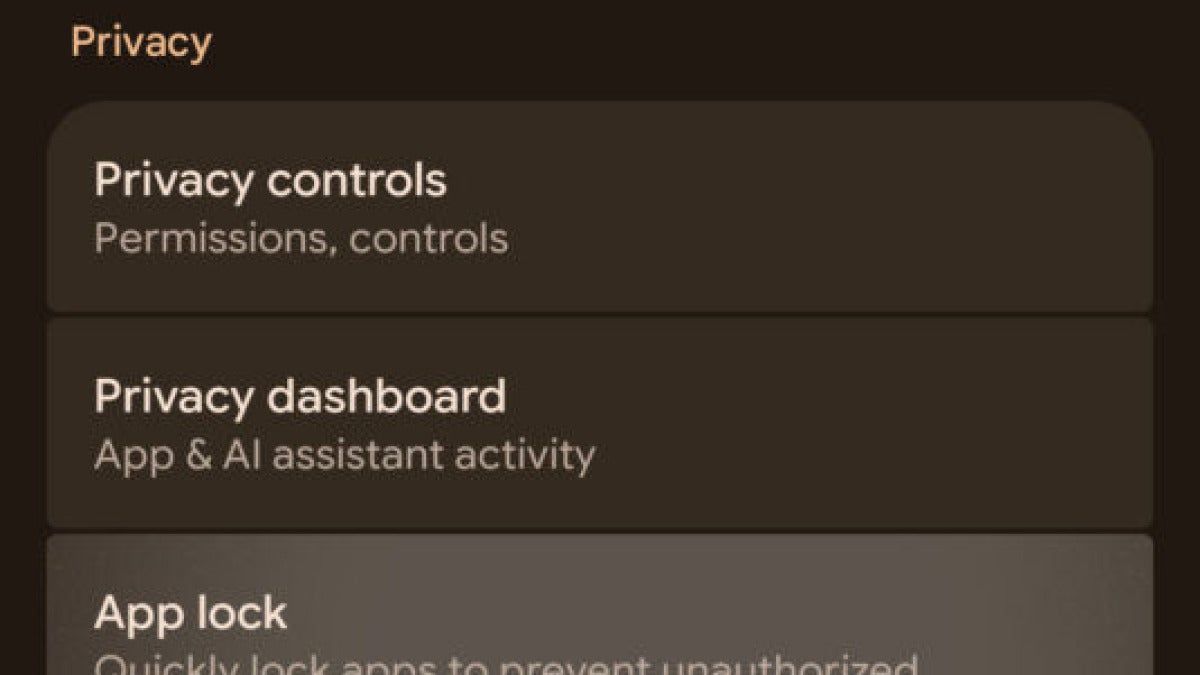
Recent Android Canary builds have turned up something Android has long been missing: a native app lock. So far, this is the clearest sign that Google is working on a system-level way to protect individual apps in Android. Code found in the Canary builds points to an Android 17 rollout in the second half of 2026, with ways to lock messaging, banking behind a PIN, password, or biometrics. There are also signs of multi-app locking, plus the ability to hide notification content.

That matters because Android users currently have to lean on manufacturer tools or third-party app lockers. Those can depend on overlays or accessibility access, and they’ve taken heat for weak protection, ads, and privacy concerns. A version built by Google and tied directly into Android’s security layer should be more dependable and feel less patched together.

If you regularly hand your phone to family, friends, or children, this native app lock feature is one to watch. It would also be easier than Private Space, since you wouldn’t have to move apps into a separate protected area just to keep them locked down.

Google’s native app lock could be especially helpful in places where phone sharing is common, including India. What’s still unclear is how it will fit alongside similar tools from Samsung, Xiaomi, and OnePlus, or whether every Android 17 device and every region will get it at launch.

For now, the only signs of Google’s native app lock feature are showing up in Android Canary builds.