During the 1950s and ’60s, American comics were, for the most part, a royal bore. The fault wasn’t a lack of quality on the part of their creators or that the characters weren’t interesting, but that, if they wanted to make it to stores, they absolutely had to comply with the Comics Code. And what is the Comics Code, you may ask? Well, an association that censored thousands of comics, banning everything from any horror scene to criminals portrayed in a glamorous light. What they wanted was to give simple messages for complex times, without letting anyone step out of line. Until, inevitably, Spider-Man arrived.
Spidey against censorship
In 1971, the Comics Code had already started to show signs of weakness thanks to the arrival of underground comics, which didn’t need to be in traditional distribution systems to get noticed, and where genuine stars were born. Marvel and DC comics were for teenagers, but at last there was an alternative for adults. Around that time, the Comics Code had loosened its grip just a tiny bit, allowing some sympathetic portrayal of criminal behavior and even corruption among public officials, as long as the villain was caught at the end and it was shown as something exceptional. What’s more: they even allowed horror characters to appear, as long as they were “the old familiar kind,” like Frankenstein or Dracula (which led Marvel to slip them into its universe almost immediately).
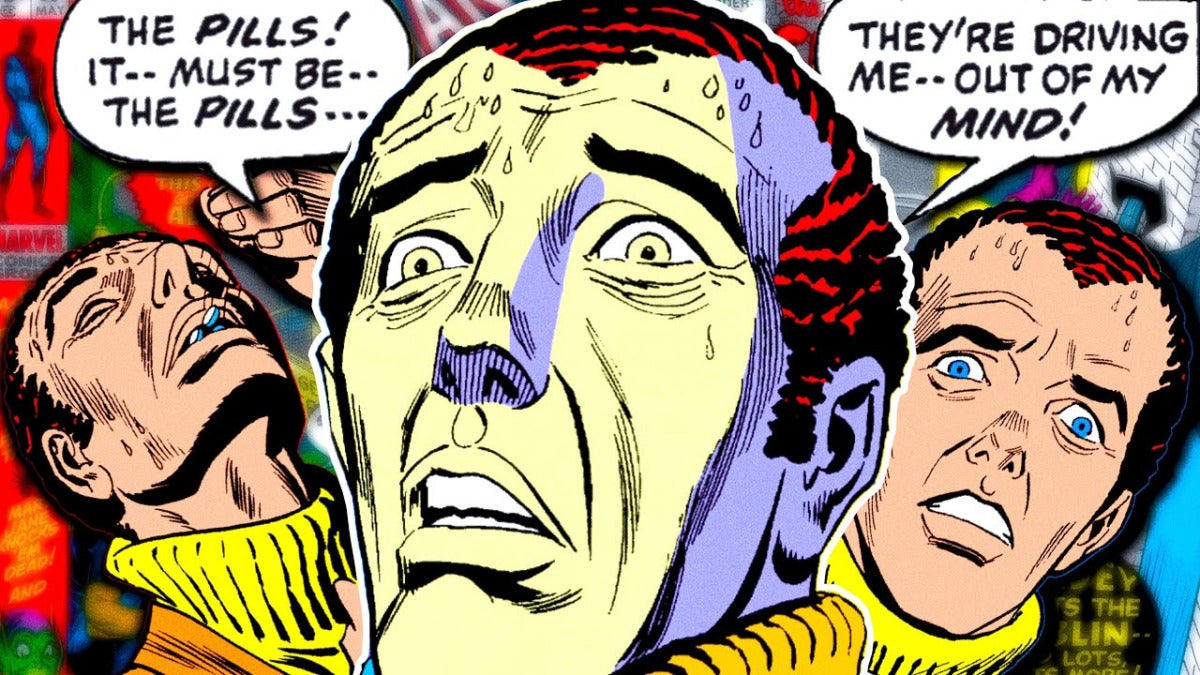
At that point, Stan Lee received a request from the United States Department of Health: to make a story about drug abuse. He was delighted, but the problem was that the code, without specifically forbidding the depiction of drugs in comics, did state that “all elements and techniques not specifically mentioned here, but contrary to the spirit and intent of the code, shall be considered violations of good taste or decency”. And few things were more indecent than showing people doing drugs, even if it was to point out that it was dangerous. Lee had already written the saga for issues 96 to 98 of The Amazing Spider-Man, and he wasn’t willing to throw it in the trash, so a direct confrontation began that changed the world of comics forever.
In this story arc, Norman Osborn became the Green Goblin again, but what really mattered was that drug addiction was shown on three different occasions, and it even ended with Harry Osborn taking so much that he overdosed. Obviously, the Comics Code didn’t like that at all. Yes, it had already approved a comic that showed drugs before, issue #1 of Deadman, but in that case it was a simple transaction and here it was shown clearly. What were the children going to think? The authority threatened Marvel with not giving the comic its seal of approval, and the publisher thought, logically… that they had far more to lose than The Amazing Spider-Man, the best-selling comic at the time. Spoiler: that was the case.
Sure enough, Marvel published issues 96 to 98 of the Spider-Man series without any major problems, they sold well and opened the door for other publishers to treat the Comics Code like a joke. Yes, it was possible to bypass its control and censorship. Yes, adult stories could be told. Yes, it was doomed to fail. At that moment, Carmine Infantino, head of DC, went for Marvel’s throat, saying that they were the decent ones and wouldn’t publish drug stories until the code loosened up. Luckily for them, they didn’t have to break their word, because it did so immediately, approving the use of narcotics if it was presented as something harmful. Ipso facto, DC introduced it shortly afterward, in a Green Lantern/Green Arrow comic. And the world kept turning.
In 2001, when the Comics Code tried to stop an X-Force comic, Marvel decided it had had enough of this obsolete, absurd thing and decided to leave the program, publishing all its comics on its own. DC did it in 2011, and today it has no real power, apart from being a joke. And it all started with Harry Osborn deciding to throw his life away.