The BBC and its new content strategy to attract younger audiences

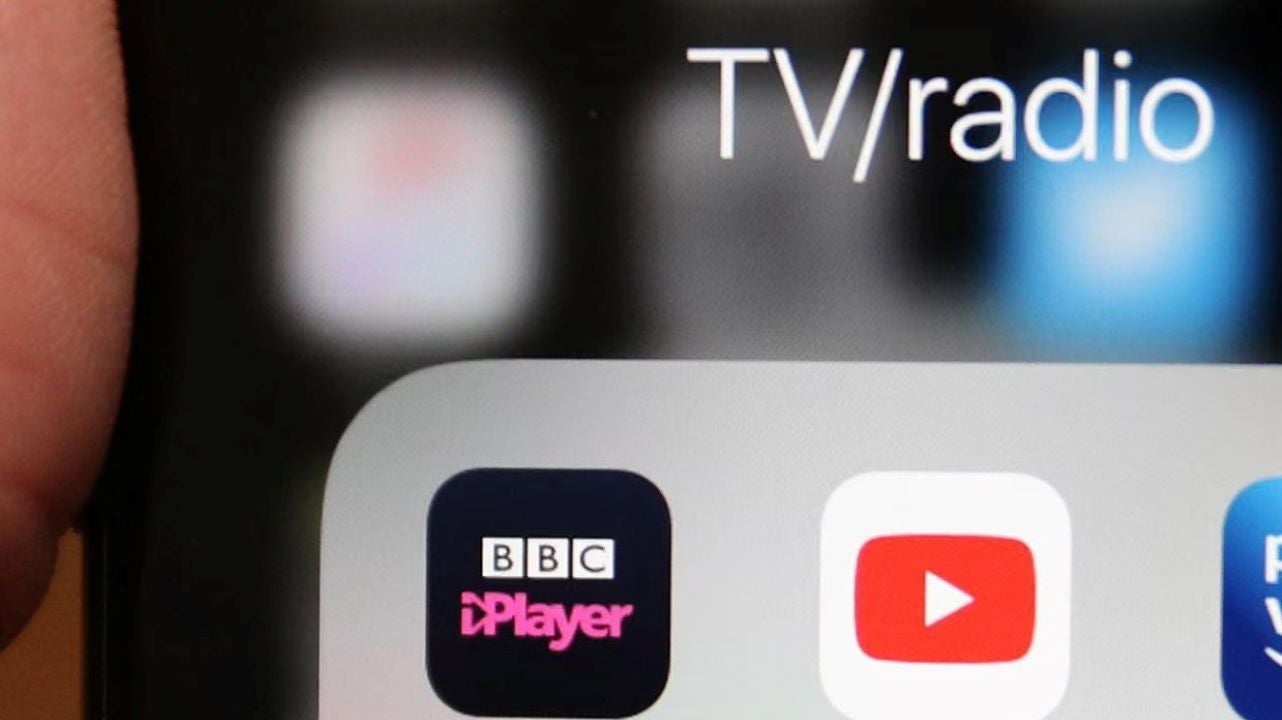
The BBC has confirmed its partnership with YouTube to launch exclusive and live content on the popular video platform, starting with coverage of the Winter Olympics scheduled for February. This agreement reflects the commitment of the British public broadcasting corporation to connect with a younger audience that primarily consumes content online and is therefore moving away from traditional television. Television is no longer what it used to be The BBC’s strategy aims to attract a new generation of creators and producers in the UK. Through […]

The BBC has confirmed its partnership with YouTube to launch exclusive and live content on the popular video platform, starting with coverage of the Winter Olympics scheduled for February. This agreement reflects the commitment of the British public broadcasting corporation to connect with a younger audience that primarily consumes content online and is therefore moving away from traditional television.

Television is not what it used to be

The BBC’s strategy aims to attract a new generation of creators and producers in the United Kingdom. Through dedicated channels, the corporation intends to offer original and fresh programming, especially aimed at children and young audiences. This move is not limited to the production of series but will also include news with innovative formats that foster a deeper connection with fans, as well as collaborations with brands and creators.

The introduction of this content on YouTube also suggests a significant integration with BBC iPlayer, allowing programming created for the video platform to be accessible through the BBC’s streaming service.

However, certain challenges persist regarding the quality of the content that traditional networks can offer on digital platforms. There is an urgent need to innovate and not simply replicate what already works, which can become a significant challenge. The BBC will have to demonstrate that it can provide valuable content that genuinely resonates with the audience in a competitive and constantly evolving landscape.

It's official: 'Doctor Who' is not dead, and it will return in 2026!

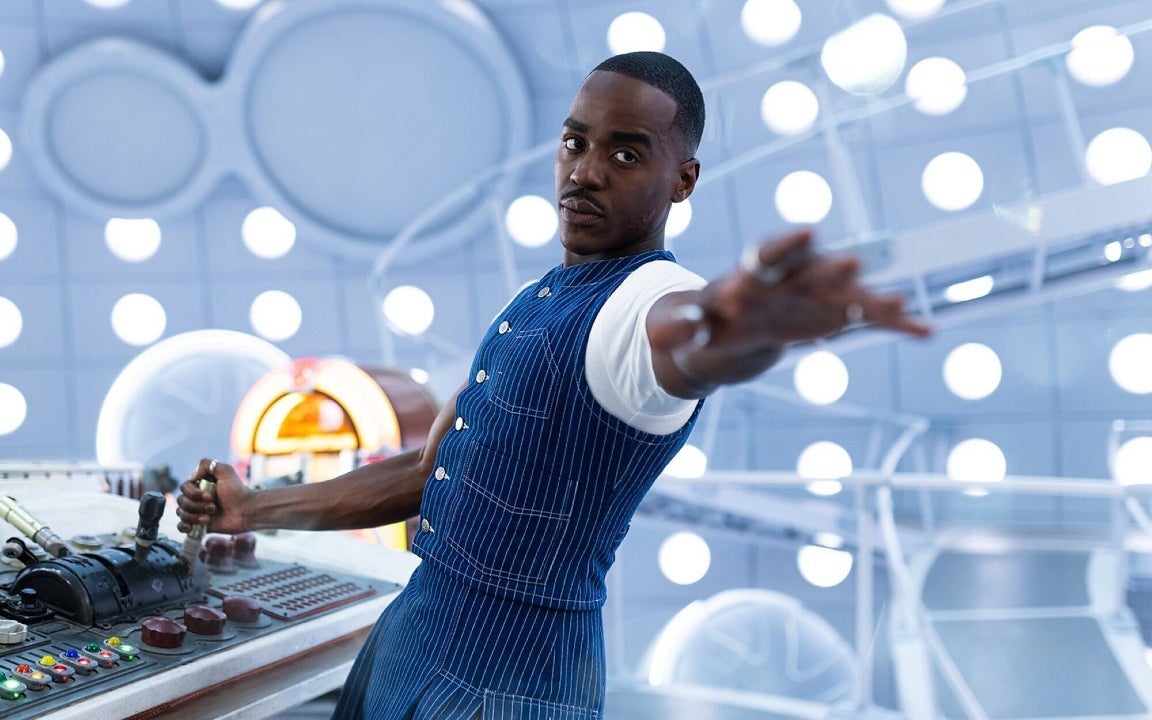
The iconic science fiction series Doctor Who will return in 2026 with a special Christmas episode, written by Russell T Davies. This announcement comes after the surprising regeneration of the 15th Doctor, played by Ncuti Gatwa, at the end of the second season, which has left fans in a state of anticipation. Although it has been confirmed that Davies is at the helm of this special episode, it has not been clarified whether he will remain as showrunner for future seasons, creating uncertainty around the future of the series. More TARDIS than ever A significant aspect of this upcoming […]

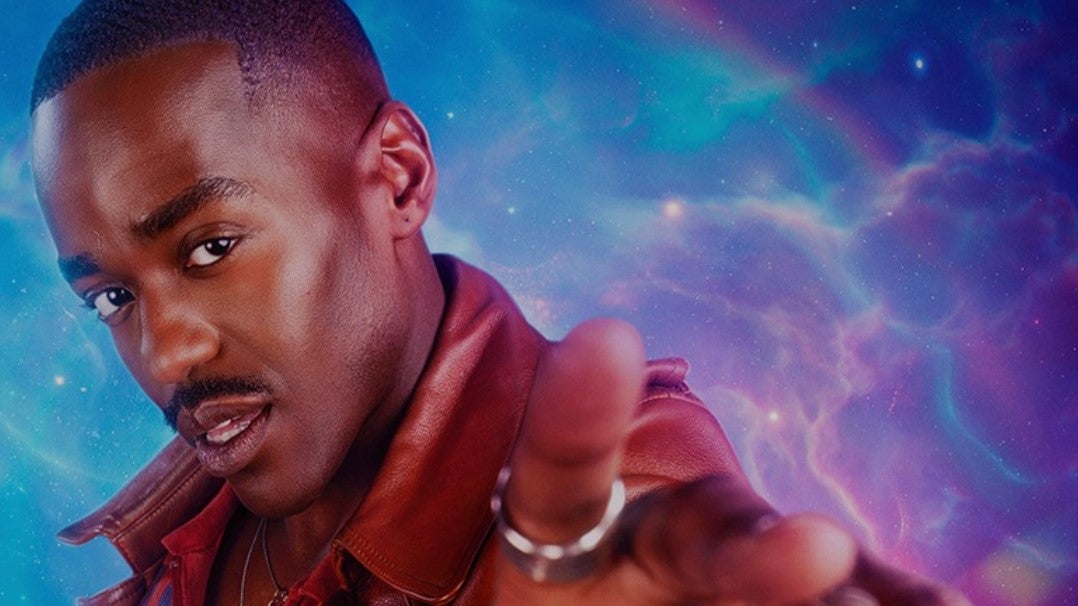
The iconic science fiction series Doctor Who will return in 2026 with a Christmas special episode, written by Russell T Davies. This announcement comes after the surprising regeneration of the 15th Doctor, played by Ncuti Gatwa, at the end of the second season, which has left fans in a state of anticipation. Although it has been confirmed that Davies is at the helm of this special episode, it has not been clarified whether he will remain as showrunner for future seasons, creating uncertainty around the future of the series.

Better late than TARDIS

A significant aspect of this upcoming release is that Disney+ will not be involved in the distribution of Doctor Who. This change marks a notable separation in the distribution of the series, which had an agreement with the streaming service for the past few years. The BBC has reaffirmed its commitment to the series and promises to make announcements about the upcoming season in the near future.

The confusion increased after the end of The Reality War, where a new character potentially played by Billie Piper was introduced, known for her role as Rose Tyler, who was a companion of the Doctor in previous seasons. The lack of a clear invitation as the new incarnation of the Doctor has led to speculation about the direction of the series. It is possible that Piper’s appearance as the next Doctor will be explained in the Christmas special.

Fans are also wondering where they will be able to watch new seasons of Doctor Who in the U.S., as the series has been distributed by various channels since its inception in 1963. With the recent departure of BBC America, it has not yet been confirmed what the new streaming platform will be, although BritBox could be an option. In the meantime, fans are eager for the return of their time-traveling adventures in 2026.

John Cleese accuses the BBC of being "extremely woke" and asks to be listened to

John Cleese, the renowned British comedian and co-creator of classics like Monty Python and Fawlty Towers, has launched a harsh critique of the BBC for what he considers a lack of courage in its programming. In a recent interview with The Radio Times, Cleese described the corporation as “cowardly” for its reluctance to offend people, suggesting that its content is overly influenced by “woke,” a cultural phenomenon that he believes reduces freedom of expression in the media. Everything is woke for those who want to see it that way. During the conversation, Cleese commented that the BBC has […]

John Cleese, a renowned British comedian and co-creator of classics like Monty Python and Fawlty Towers, has launched a harsh critique of the BBC for what he considers a lack of courage in its programming. In a recent interview with The Radio Times, Cleese described the corporation as “cowardly” for its reluctance to offend people, suggesting that its content is overly influenced by the “woke”, a cultural phenomenon that he believes reduces freedom of expression in the media.

Everything is woke for those who want to see it that way

During the conversation, Cleese commented that the BBC has succumbed to the pressure of those who are “extremely woke”, which in his opinion negatively affects the quality and diversity of the content offered. The comedian, known for his often controversial humor and provocative stances, argues that the need to be politically correct has paralyzed creativity in the comedy industry, where humor should be, according to him, a tool to address difficult topics and make the audience reflect.

Cleese’s criticism resonates at a time when many media institutions face the dilemma of maintaining a balance between social sensitivity and artistic freedom. His statement raises a debate about the extent to which society should adjust its way of communicating and representing diverse experiences, goals that have historically been at the heart of art and comedy.

So far, the BBC has not publicly responded to these comments. However, the echoes of this criticism could lead to a renewed debate about the role the corporation plays in the current era of political correctness and how this will affect its future content. Cleese, for his part, continues to defend a style of comedy that does not shy away from risk, urging others to do the same.

Is 'Doctor Who' in trouble? Much less than you think

The iconic British series Doctor Who has undergone a notable reboot, following the return of a new Doctor and a partnership with Disney, which promised to usher in a new golden era for the series. However, just two seasons later, its continuity has entered a sea of uncertainties. The current Doctor, Ncuti Gatwa, regenerated into the well-known Billie Piper, a twist that has generated both excitement and concern among fans. Despite this event that has captured the attention of fans, Disney has not yet renewed the series for a […]

The iconic British series Doctor Who has undergone a notable reboot, following the return of a new Doctor and a partnership with Disney, which promised to usher in a new golden era for the series. However, just two seasons later, its continuity has entered a sea of uncertainties. The current Doctor, Ncuti Gatwa, regenerated into the familiar Billie Piper, a twist that has generated both excitement and concern among fans. Despite this event that has captured fans’ attention, Disney has yet to renew the series for a third season, leaving many wondering if Doctor Who might be approaching its end.

Don’t you know that the Doctor always returns?

At the Edinburgh Television Festival, Kate Phillips, Chief Content Officer of the BBC, offered a reassuring message to fans, stating: “With or without Disney, Doctor Who will remain on the BBC. The TARDIS is not going anywhere. This statement underscores that, regardless of its current partner, the BBC remains committed to continuing the series that has been an integral part of its programming since 1963.

Although the collaboration with Disney+ has allowed for an improvement in the global reach and production standards of Doctor Who, the BBC has been its main producer for years. The possible loss of this partner could be interpreted as a return to the roots of the series, which could mean a change in the visual style, but not necessarily a downgrade. In fact, a season without the backing of Disney could regain some of the magic that has characterized Doctor Who, known for its low-budget production.

Meanwhile, there are speculations about the possibility of Disney+ renewing the series, which adds another layer of interest to the current situation. The uncertainty can be bewildering for fans, but the BBC’s commitment suggests that Doctor Who has a future, perhaps different, but still full of possibilities.

Introducing the little ones to the universe of Doctor Who? Thanks to this new series, it will be possible!

The BBC has taken an exciting step in expanding the Doctor Who universe by announcing a new version aimed specifically at preschool audiences. This project, which will air on the CBeebies platform, seeks to introduce the youngest viewers to the adventures of the iconic Doctor, who will travel through time and space to solve mysteries and challenges alongside his friends. Traveling through time from a young age The new animated program promises to introduce preschool children to the fascinating concepts of science fiction in an accessible and entertaining way. The series will focus on […]

The BBC has taken an exciting step in expanding the Doctor Who universe by announcing a new version aimed specifically at preschool audiences. This project, which will air on the CBeebies platform, aims to introduce the little ones to the adventures of the iconic Doctor, who will travel through time and space to solve mysteries and challenges alongside his friends.

Traveling Through Time Since We Were Little

The new animated program promises to introduce preschool-aged children to the fascinating concepts of science fiction in an accessible and entertaining way. The series will focus on problem-solving, fostering curiosity and critical thinking through narratives suitable for its audience. This approach not only expands the reach of Doctor Who’s content but also aims to leave a positive mark on a new generation of viewers.

With the aim of capturing the attention of younger audiences, the show will market the values of friendship, teamwork, and exploring the world, which are central elements in many of the classic Doctor Who stories. The animation provides a unique opportunity to make these lessons more visual and engaging, establishing an emotional and educational connection with children.

Doctor Who fans have expressed their enthusiasm for this expansion of the show’s universe, recalling how the Doctor’s previous adventures have touched on various themes over the decades. However, there is some curiosity about how more complex elements of the series’ narrative will be adapted into a format that is understandable and enjoyable for preschool-aged children. The BBC, for its part, seems committed to maintaining the spirit of the franchise while adapting to the needs of the new audience.

The mythical science fiction series that has only 2 seasons on Disney+… and is missing another 39 to upload

You don’t need to be a fan of hard science fiction for the word “TARDIS” to send a shiver down your spine. The blue phone booth that travels through space-time is an icon worldwide thanks to Doctor Who, a British series that began in 1963, ended in 1989, and was revived in 2005 (with a small break in 1996 for a terrible, terrible movie). You might think it has a lot of episodes, and that’s true: although many of them are lost and considered lost media, there are a total of 861. You don’t need to […]

You don’t have to be a fan of hard science fiction to feel a tingle down your spine when you hear the word “TARDIS.” The blue phone booth that travels through space-time is an icon worldwide thanks to Doctor Who, a British series that began in 1963, ended in 1989, and was revived in 2005 (with a brief hiatus in 1996 for a terrible, terrible movie). You might think it has a lot of episodes, and that’s true: although many of them are lost and considered lost media, there are a total of 861. You don’t need to binge-watch, but if you’re curious, you can now watch them… on no streaming platform.

Trust me, I’m the Doctor!

Disney+ surprised both fans and newcomers by acquiring the format of Doctor Who after the era of Jodie Whitaker, the first female Doctor, to bring another novelty: Ncuti Gatwa would be the first African American Doctor. However, the platform has decided that, no matter how much Gatwa is the fifteenth Doctor, there are many people who know nothing about the character and they need to try to attract them from scratch. With a series that has 41 seasons and continuously references past plots and enemies? Good luck.

If you look closely, on Disney these last two batches of episodes are marked as “season 1” and “season 2,” leaving aside and not uploading the classic (and not so classic) seasons. If you wanted to start from Christopher Eccleston, or get to know the legendary Doctor played by David Tennant, or even see what was special about the series when it was filmed in black and white… Tough luck. You can opt for the DVDs (where the original series was compiled, including reconstructions of the lost episodes) or watch some kind of compilation on YouTube.

Why not give a nod to the fans and show that the purchase of Doctor Who is more than just a shot in the dark to see how far the money from the fandom can go? What is the reason for not buying the rest of the seasons from BBC or, at least, the modern ones, where the series was rebooted more or less from scratch? It’s a mystery, and a shame: reportedly, the performance of these two installments has not been the best, Disney wants to pull out its investment and leave the poor Doctor spinning in his TARDIS forever. Or maybe there is salvation?

Come with me if you want to live!

In an era of franchises, sequels, and remakes, I don’t think Doctor Who took long to recover in some way: it is such a mythical product and honored in hundreds of series, movies, and video games that it is absolutely impossible to forget in the collective imagination… Although the end of season 3, which introduces the return of a character that has been overused for years, has led many fans to wish for its cancellation (I was going to say “premature,” but that’s not true) due to the lack of creative ideas.

Perhaps what the good Doctor needs is simply other voices to guide him through space. Just as Russell T. Davies and Steven Moffat managed to give a twist to the mythology and the type of stories that could be told within the series, why not bring in someone with a lot of voice and a lot of creative – or destructive, depending on how you look at it – power to steer the TARDIS once again? Before throwing in the towel and losing the very lucrative merchandising business, it is certainly not a bad option.

If the worst happens, and neither Disney+ nor BBC are able to revive interest in a time-traveling traveler who solves mysteries (perhaps the best synopsis in history), then his moment will come. At least, until a new generation, in a few decades, decides to bring him back. After all, he won’t be dead: just regenerating one last time.