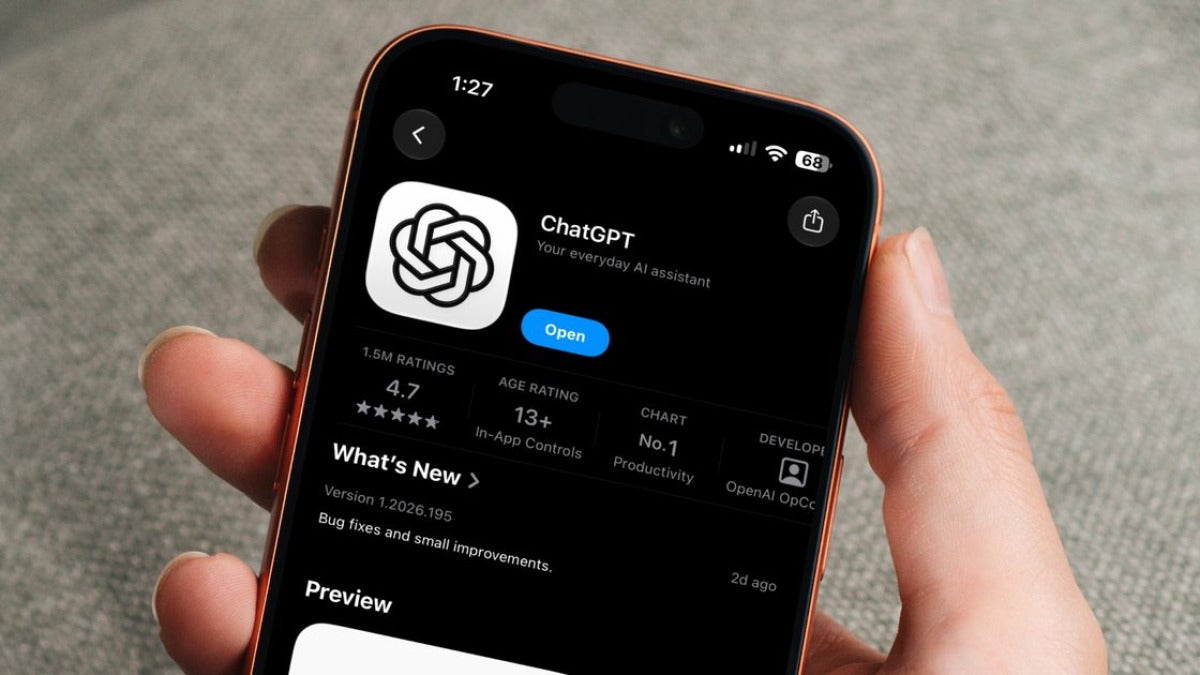
Claims have been circulating online over the past few days that Florida pastor Scott Winters is suing OpenAI over medical guidance he says came from ChatGPT. At this point, though, those claims aren’t backed up by credible news coverage or by any public court filing that can be verified.

According to the online version of the story, ChatGPT allegedly brushed off weeks of dizziness and unstable blood pressure, and Winters was later diagnosed with a pulmonary embolism caused by blood clots in both lungs. The same account says he’s suing OpenAI and CEO Sam Altman for negligence, unauthorized practice of medicine, damages, and an order stopping a supposed “ChatGPT Health” product. Right now, none of that can be confirmed through credible reporting or public court records.
Still, anyone using chatbots like OpenAI’s ChatGPT to check symptoms should take the larger warning seriously. OpenAI says ChatGPT isn’t meant to give medical advice. These tools can sound sure of themselves even when they’re wrong, incomplete, or simply not cautious enough. And one of the biggest failures in a situation like this is missing the moment when someone should be told to get urgent care. The research doesn’t point in one clear direction, either: a 2023 JMIR Medical Education study put diagnostic accuracy at about 72%, while other studies found that some chatbot answers came across as more empathetic and, in some cases, higher quality than physician responses.
Liability is still unsettled too. The U.S. Food and Drug Administration and the courts are still sorting out how healthcare software should be regulated, and broad consumer chatbots often sit outside the usual medical-device rules. Safety concerns have already surfaced elsewhere: the National Eating Disorders Association pulled its chatbot offline after reports that it had given harmful advice. You can use ChatGPT on the web or on mobile, but when symptoms are involved, you’re still better off contacting a medical professional.