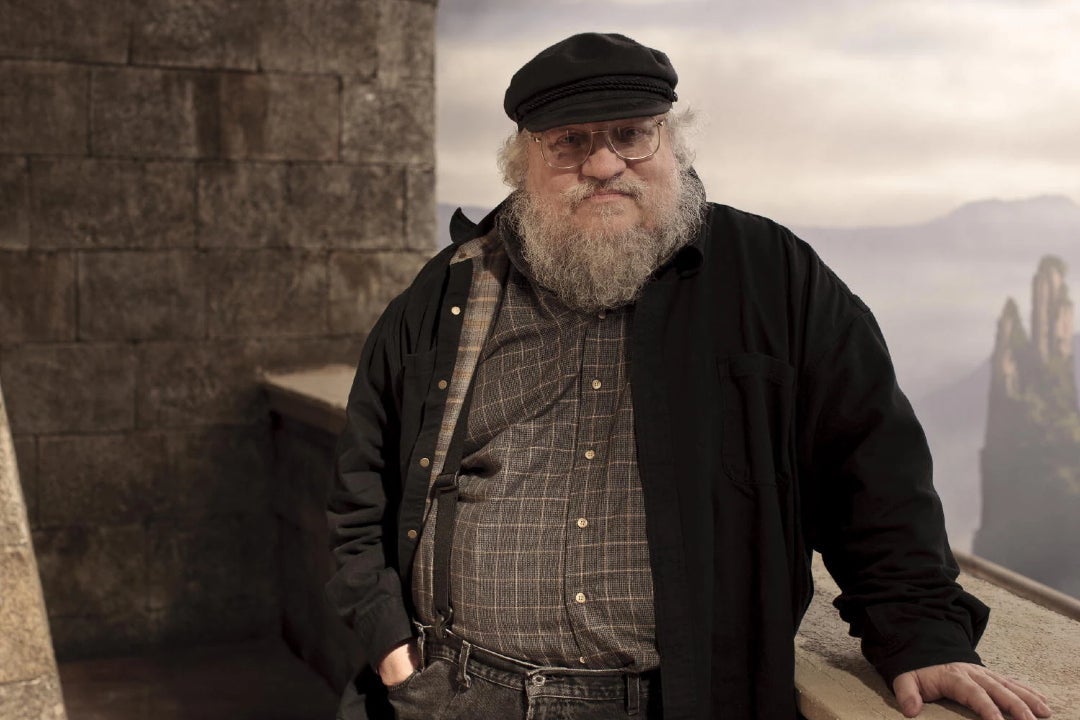
George R.R. Martin, known for his series A Song of Ice and Fire, along with other authors, has sued OpenAI, the company behind ChatGPT, claiming that it has infringed their copyright. This legal action is relevant in the context of the growing concern about the use of artificial intelligence and copyright-protected content.
The plagiarism machine has a hard time proving that it does not plagiarize
The lawsuit is based on three theories of infringement. First, it is argued that the use of copyrighted books to train AI models constitutes a violation of rights. Second, it has been claimed that OpenAI has accessed books through underground libraries, which would also qualify as piracy. Finally, it is suggested that the responses generated by ChatGPT are substantially similar to the original works of Martin and other authors, a point that the judges have considered significant in stating that detailed summaries could be easily identified as similar to the original books.
The damages for this violation could amount to $150,000, highlighting the seriousness of the allegations. The next phase of the judicial process involves a summary trial, where it will be decided which claims will go to trial, which will determine the course of the case and could set an important precedent at the intersection of AI and intellectual property.
Meanwhile, fans of Martin can look forward to his return to the world of Westeros with the series A Knight of the Seven Kingdoms, which will premiere on January 18, 2026. The series will be based on the Dunk and Egg novels and will take place 100 years before the events of Game of Thrones, following the adventures of the knight Ser Duncan the Tall and his young squire, Egg.