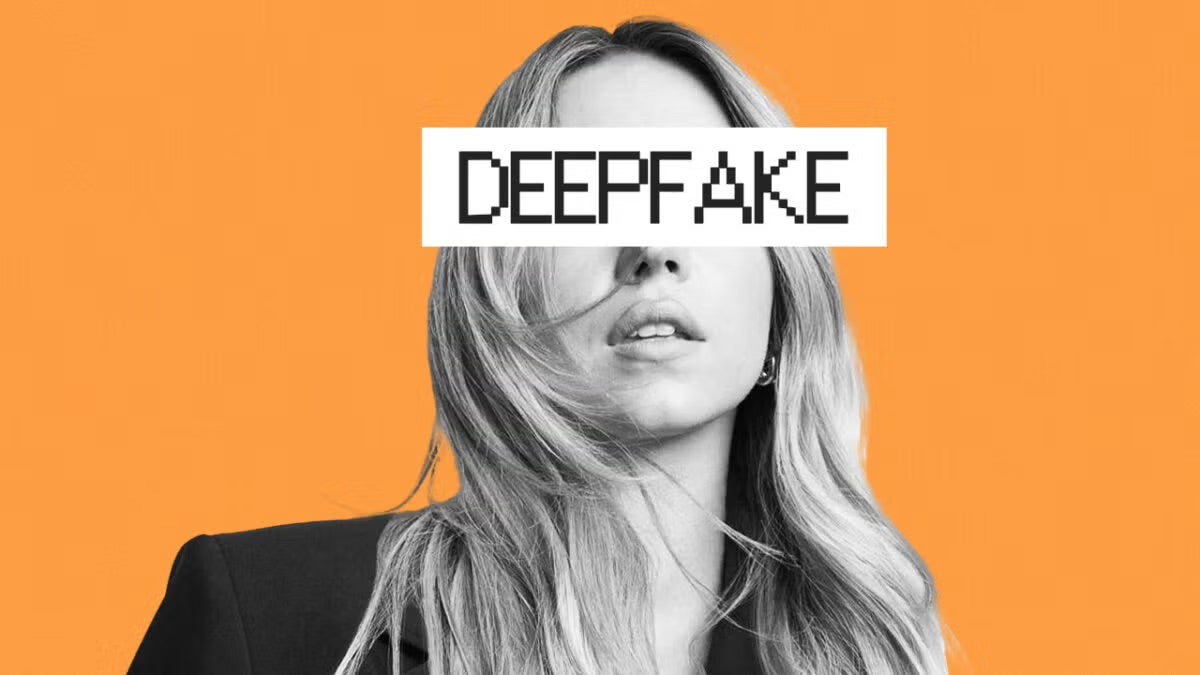
It has been a long road, but it has finally taken a step. Google has started taking concrete measures to curb the proliferation of non-consensual explicit deepfakes, a serious problem that continues to worsen with the evolution of artificial intelligence. In January, deepfakes of Taylor Swift naked went viral on Twitter, possibly one of the events that best highlight the seriousness of this phenomenon.

According to Henry Ajder, an expert in generative artificial intelligence, the incidents involving celebrities “may have done more than anything else to raise awareness about the risks” and have led both technology companies and lawmakers to take action. Ajder points out that we are at a “turning point”, where the pressure exerted by lawmakers and the growing consumer awareness has forced companies to stop ignoring the problem.
As part of its response, Google has announced that it will make it easier for victims to request the removal of explicit fake and non-consensual images from their search results. In addition, it will filter these results and reduce the ranking of searches that lead to fake explicit content. “That means people will have to make much more effort to find it if they want to access it,” says Ajder.

Despite these advances, Ajder believes that Google could do more. “Why don’t they treat this like child pornography websites and remove them completely from searches when possible?” he wonders. In addition, Ajder criticizes that Google did not mention deepfake videos in its announcement, limiting itself to talking about images.
But the measures taken by big companies are of little use if countries do not take action. The EU Artificial Intelligence Law and the Challenge Law in the United States seek to increase transparency and provide victims with a legal avenue to address these abuses. In addition, the United Kingdom has banned the creation and distribution of non-consensual explicit deepfakes, leading websites like Mr DeepFakes to block access to British users.
Source: MIT Technology Review
