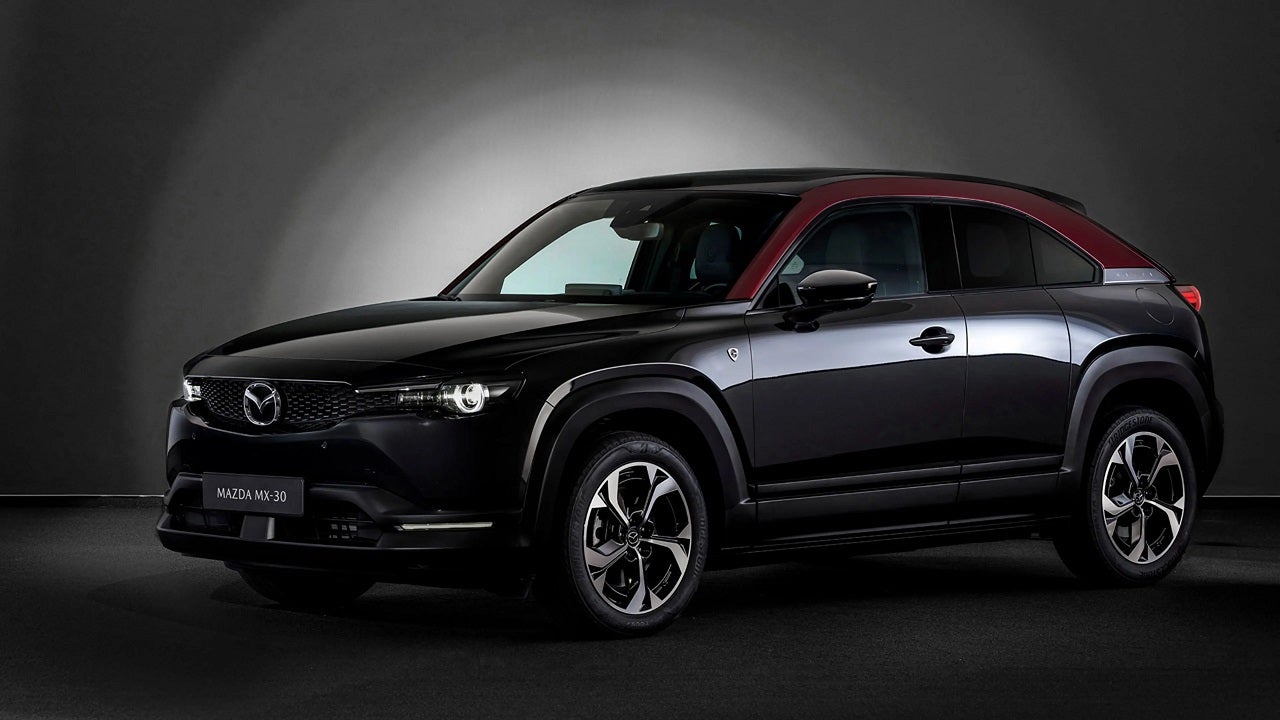
Mazda has introduced an innovative twist on its electric vehicle lineup with the launch of the MX-30 R-EV, featuring a rotary range-extender designed to augment its driving range significantly compared to the purely electric version.
While this enhancement promises to enhance user experience, some drawbacks have been reported, which may impact overall satisfaction among drivers.
During a recent test drive of the MX-30 R-EV, our experience revealed that the range-extending technology does improve performance relative to the fully electric iteration.
Revolutionary Rotary Engine Enhances Mazda’s MX-30 R-EV Performance
The rotary engine operates seamlessly, providing extra miles when needed, which is particularly beneficial for those concerned about range anxiety. Yet, the R-EV is not without its flaws.
Despite the enhancements, there are still notable deficiencies that could detract from the user experience, particularly in battery efficiency and charging capabilities.
Potential buyers may be torn when considering the MX-30 R-EV due to these unresolved issues. Critics point out that while the R-EV boasts a superior performance profile, it fails to deliver an entirely satisfactory experience, echoing concerns about the long-term viability of the innovative rotary technology embedded in this model.
The promise of better range is enticing, but without fully addressing the existing defects, consumers might remain hesitant.
In a rapidly evolving automotive market, Mazda’s decision to blend traditional rotary engine technology with modern electric vehicle dynamics positions the MX-30 R-EV as an intriguing option.
However, as this model hits the streets, further scrutiny will be essential, and drivers will likely weigh the advantages of the range-extender against the lingering issues that have yet to be resolved. Ultimately, the success of the MX-30 R-EV may depend on Mazda’s swift response to these challenges, as consumer expectations continue to rise in the eco-conscious vehicle segment.