
Since the rise of generative artificial intelligence in 2022, the creation and replication of copyrighted content has generated numerous legal conflicts, and now a new landmark case arises in the dispute. Disney, one of the titans of the entertainment industry, has filed a formal lawsuit against Midjourney, one of the most popular platforms for generating images through artificial intelligence, accusing it of massive intellectual property piracy for using its extensive library of content without authorization.
Will this set a precedent?
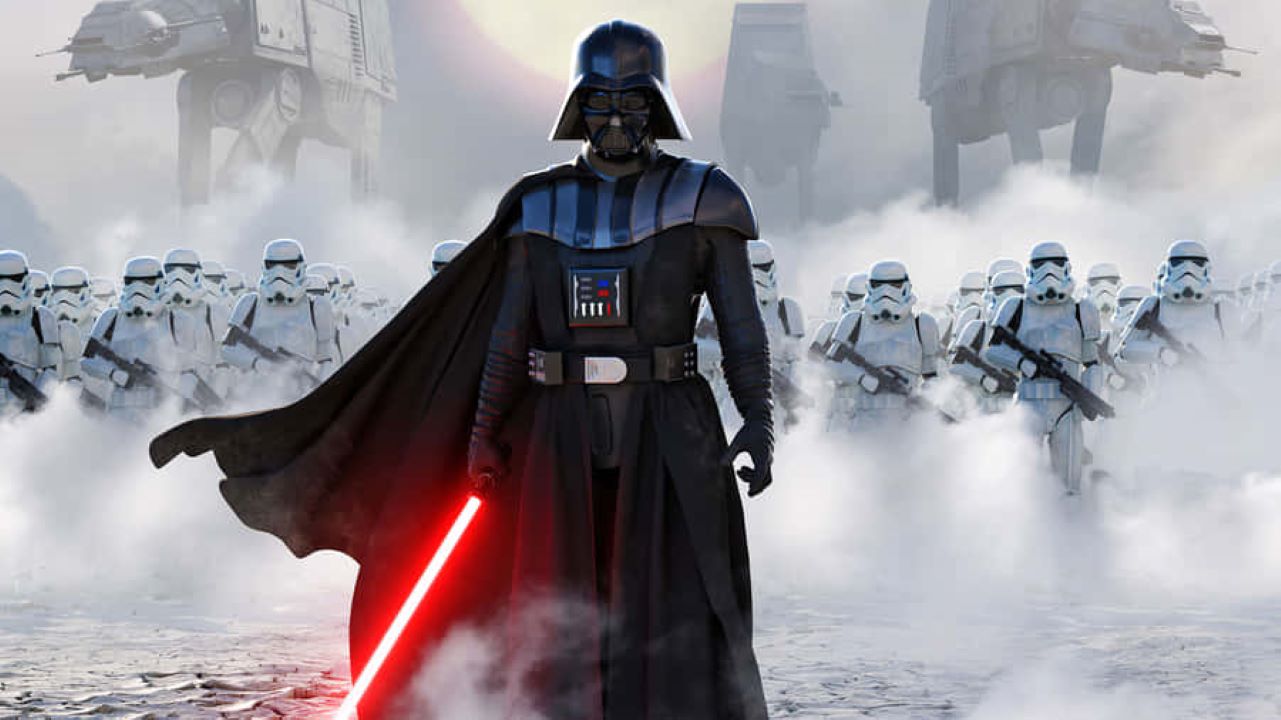
The case centers on Disney’s claim that Midjourney has created millions of images that emulate its most iconic characters, such as Darth Vader, Elsa, and the Mandalorian, with almost imperceptible changes. This situation raises serious legal implications, as Disney owns some of the most profitable franchises in history and has invested billions in creating these narrative universes.
The lawsuit, filed in a federal court in Los Angeles, states that each illegal use of protected content could result in penalties of up to $150,000, which could translate into multimillion-dollar damages. Furthermore, this case could set an important precedent for the regulation of AI use, pressuring tech companies to establish licensing agreements with copyright owners.
For its part, Midjourney defends its business model by claiming the principle of fair use, which allows certain uses of protected works without the need for authorization. The central question will be whether training its AI with this type of content is considered a valid exception or a direct violation of intellectual property, as Disney argues.
Given the current context, the possibility resonates that this litigation could have significant repercussions not only for its resolution but also for the future of content creation in the digital age.