Midjourney comments on the legal battle over Disney's copyright rights

Midjourney, the emerging image generation platform powered by artificial intelligence, has presented its first response to the lawsuit filed by Disney and Universal. At the center of this controversy is the accusation from the studios, which claim that Midjourney has engaged in vast, intentional, and ongoing copyright infringement. The lawsuit was filed in June and asserts that the company has used protected works without permission to train its AI model, sparking an intense debate about copyright in the context of artificial intelligence. I protest, Your Honor! In its defense, Midjourney argues that the studios […]

Midjourney, the emerging image generation platform powered by artificial intelligence, has presented its first response to the lawsuit filed by Disney and Universal. At the center of this controversy is the accusation from the studios, which accuse Midjourney of vast, intentional, and ongoing copyright infringement. The lawsuit was filed in June and claims that the company has used protected works without permission to train its AI model, sparking an intense debate about copyright in the context of artificial intelligence.

I protest, Your Honor!

In its defense, Midjourney argues that the studies do not have the legal power to prohibit the training of artificial intelligence with their works. This argument is set against a broader backdrop of discussions about how emerging technologies, such as artificial intelligence, interact with existing intellectual property laws. Midjourney’s response suggests that technological advancements must coexist with copyright, although the details of this interaction are still evolving.

The persistent efforts of Disney and Universal to curb the unauthorized use of their works reflect a growing concern in the entertainment industry. This concern intensifies as more AI platforms are integrated into creative processes, and the legal boundaries regarding the use of protected content become increasingly blurred. Midjourney, for its part, has positioned itself as an innovative player in the field, raising questions about the future of artistic creation in the digital age.

As this case progresses, it is expected to serve as a significant reference for future legal disputes related to artificial intelligence and copyright, in addition to opening a broader debate about the role of large corporations in overseeing technological development. The industry is closely watching the outcome of this legal battle, which could determine the regulatory framework that will guide the interaction between digital art and artificial intelligence.

Midjourney is accused by Disney of creating millions of unlicensed images

Since the rise of generative artificial intelligence in 2022, the creation and replication of copyright-protected content has generated numerous legal conflicts, and now a new landmark case arises in the dispute. Disney, one of the titans of the entertainment industry, has filed a formal lawsuit against Midjourney, one of the most popular platforms for generating images through artificial intelligence, accusing it of massive intellectual property piracy for using its extensive library of content without authorization. Will this set a precedent? The case focuses on Disney’s claim that Midjourney […]

Since the rise of generative artificial intelligence in 2022, the creation and replication of copyrighted content has generated numerous legal conflicts, and now a new landmark case arises in the dispute. Disney, one of the titans of the entertainment industry, has filed a formal lawsuit against Midjourney, one of the most popular platforms for generating images through artificial intelligence, accusing it of massive intellectual property piracy for using its extensive library of content without authorization.

Will this set a precedent?

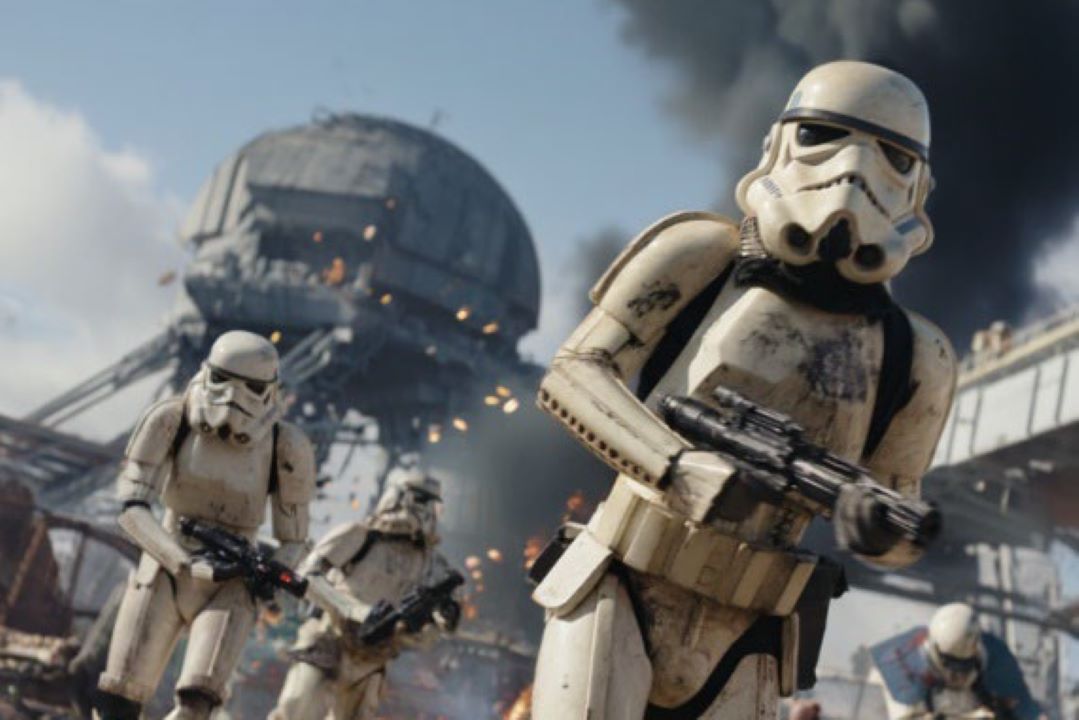
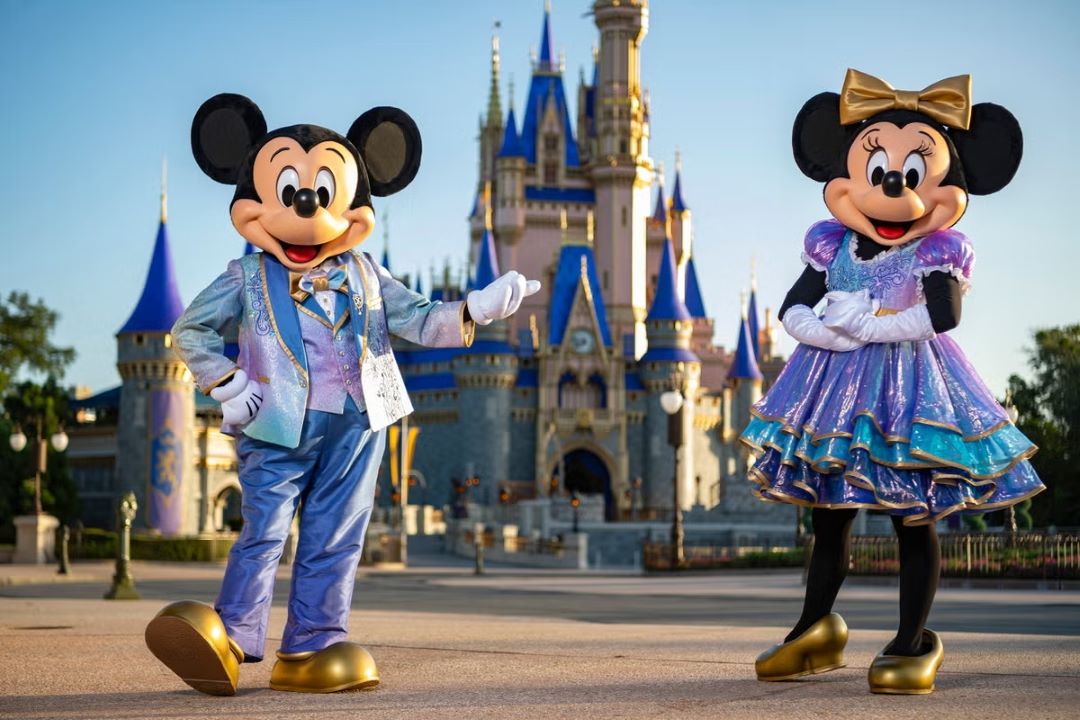
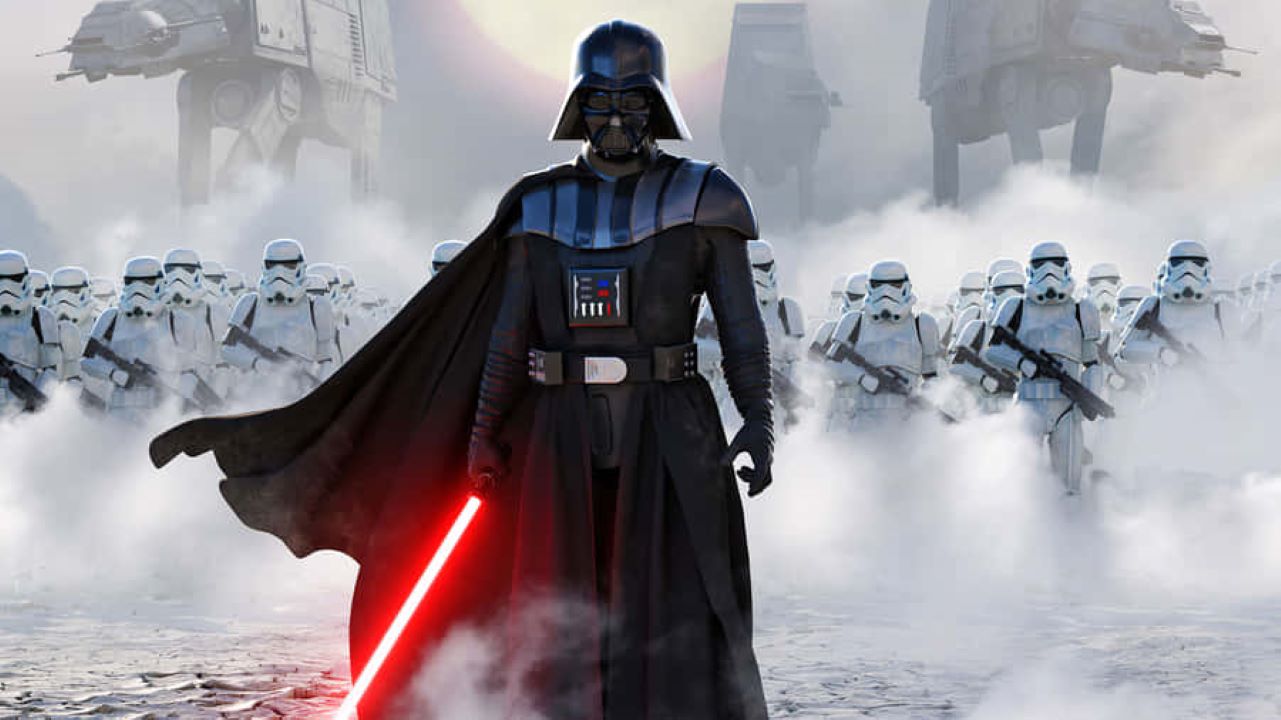
The case centers on Disney’s claim that Midjourney has created millions of images that emulate its most iconic characters, such as Darth Vader, Elsa, and the Mandalorian, with almost imperceptible changes. This situation raises serious legal implications, as Disney owns some of the most profitable franchises in history and has invested billions in creating these narrative universes.

The lawsuit, filed in a federal court in Los Angeles, states that each illegal use of protected content could result in penalties of up to $150,000, which could translate into multimillion-dollar damages. Furthermore, this case could set an important precedent for the regulation of AI use, pressuring tech companies to establish licensing agreements with copyright owners.

For its part, Midjourney defends its business model by claiming the principle of fair use, which allows certain uses of protected works without the need for authorization. The central question will be whether training its AI with this type of content is considered a valid exception or a direct violation of intellectual property, as Disney argues.

Given the current context, the possibility resonates that this litigation could have significant repercussions not only for its resolution but also for the future of content creation in the digital age.

Square Enix announces the release date of their next game… and the fans have not taken it well

Square Enix announces the release date of its upcoming game… and fans are not happy about it, as they have announced that it uses AI to create part of its art.

Square Enix has been doing a good job with their games for a few years now. With a greater focus on their old catalog, releasing more small and medium-sized games, giving space and budget to their bigger games, they are doing interesting things. They still need to improve the marketing of their non-AAA games, but it seems like they are on the right track. Except for their marked obsession with NFTs, generative AI, and everything that causes allergic reactions in players.

Stable Diffusion ACCESS

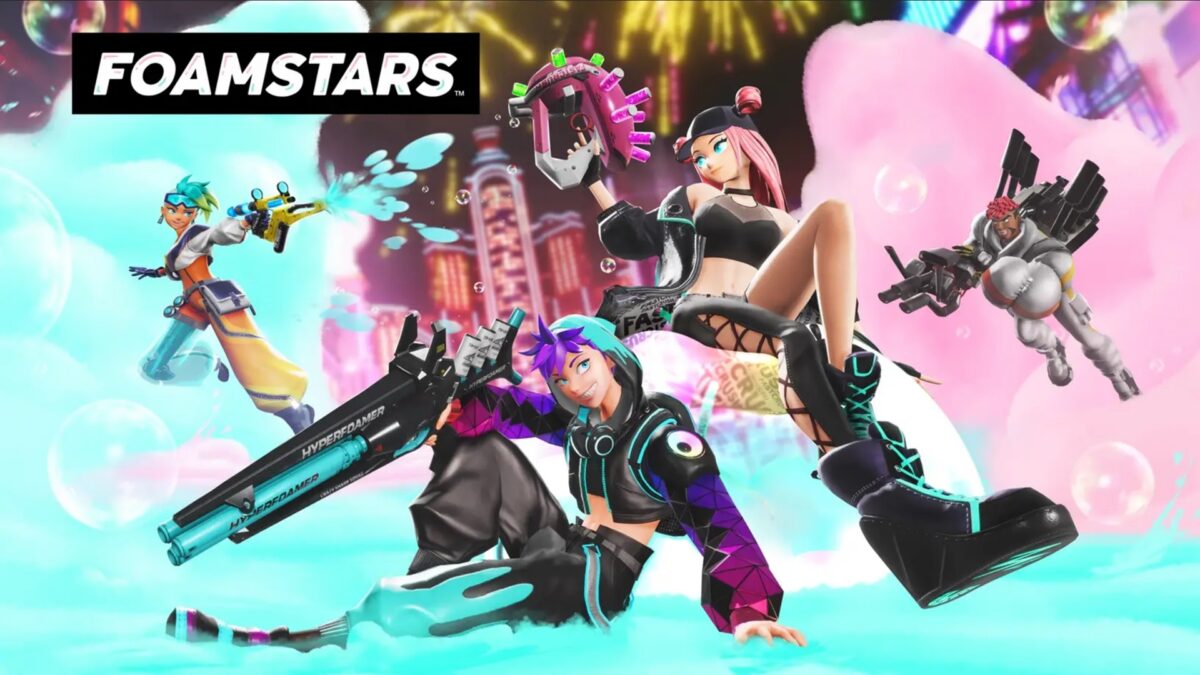
Last Tuesday, January 16th, in a post on the PlayStation blog, they revealed the release date of their upcoming game, Foamstars: February 6th. This game is a 4vs4 third-person multiplayer shooter for PlayStation 4 and PlayStation 5 that strongly resembles Splatoon, but with a k-pop-inspired aesthetic. Something they hope will reach a different and broader audience.

The problem for Square Enix is that the game has not been well received. Because, according to the game’s producer, Kosuke Okatani, the development team has used AI-generated assets. While he has emphasized that all design aspects have been developed by humans, the reality is that some game icons and disc covers have been created through Midjourney. This can also create several problems for them in the medium and long term.

The most obvious one is that, as we have already mentioned, the public does not feel particularly excited about the idea of playing a game that uses AI-generated art. However small it may be, the public’s perspective on this type of content is becoming less favorable, and Square Enix seems to be aware of this, clarifying that 0.01% of the game’s art, or even less, is generated by AI. Which does not solve the problem at hand.

Foamstars will be released on February 6th for PlayStation 4 and PlayStation 5. In addition, from February 6th to March 4th, all PlayStation Plus users will be able to play it for free. At least, those who are not bothered by its use of Midjourney to create game assets.

Stable Diffusion ACCESS