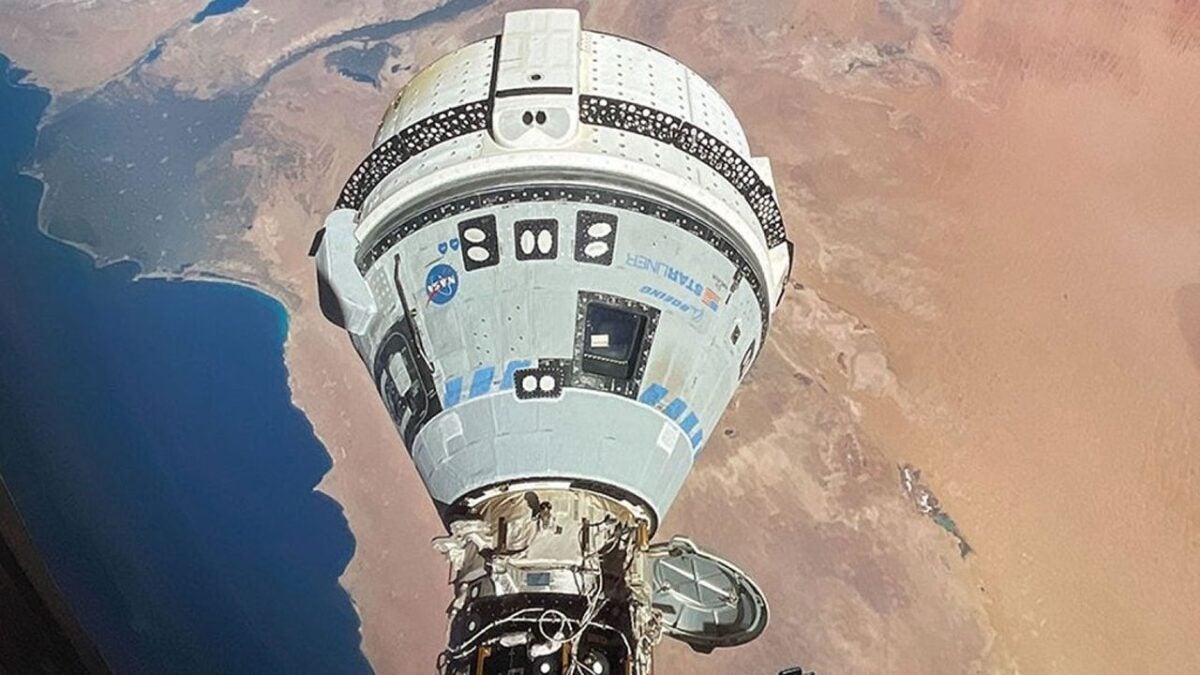
The Starliner capsule from Boeing is demonstrating satisfactory performance on its first crewed mission, to the point that it could remain in orbit beyond the planned 45-day limit, according to NASA.

Launched on June 5th, the Starliner capsule is currently docked to the International Space Station (ISS) and ready to undock in case of emergency. However, both NASA and Boeing are investigating a series of issues with some of the reaction control system (RCS) thrusters and several helium leaks that were detected before the docking on June 6th. Starliner will remain in space until the end of summer while tests and analysis are conducted.
The in-orbit tests carried out on June 15 did not identify the cause of the problems, although significant progress has been made: the helium leaks have stabilized and all thrusters, except one, are ready for the return to Earth. Starliner has 28 thrusters in its RCS, of which five had failures, and only one will be disconnected during undocking.
The service module of the Starliner, where the RCS is located, will be ejected before entry, descent, and landing. This additional time in orbit will allow teams to analyze how to proceed and evaluate possible changes to the service module design for future six-month rotation missions starting in 2025. NASA needs the capsule to remain docked for more than 45 days to allow for testing. The good news is that Starliner appears to be prepared to stay for up to 90 days or more.
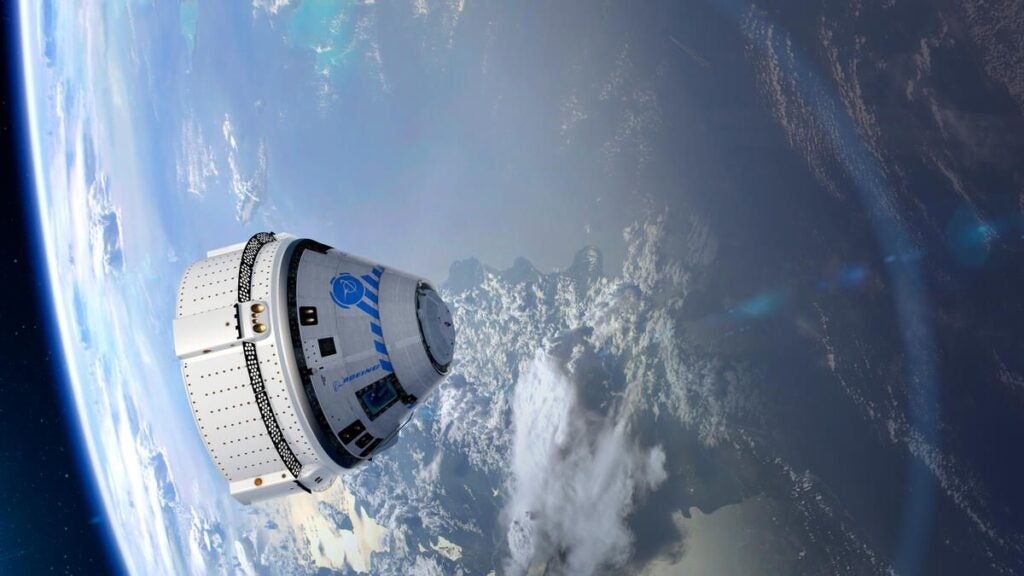
Steve Stich, Manager of NASA’s Commercial Crew Program, stated that the 45-day limit was conditioned by the crew module’s batteries, and they are in the process of updating that limit. The batteries are recharged on the station and have not shown signs of degradation, so the risk is the same for the next 45 days.
The Crew Flight Test (CFT) mission includes NASA astronauts Butch Wilmore and Suni Williams, both with extensive experience in testing and development. Both support the ISS astronauts in various tasks, including maintenance and organization of modules, while awaiting the results of the tests carried out in White Sands, New Mexico.
Source: Space.com
