
We have gotten used to the fact that every week, when we open Netflix, we have not just one, but several completely new movies made specifically for the platform: great directors, impossible sequels, or high-profile actors mix with films from South Korea or Spain that almost immediately become part of what we call the “catalogue background.” However, it wasn’t always like this: for a time, Netflix releasing its own movies was a rarity in an industry that had no idea how to react. And it wasn’t that long ago: just ten little years.
A beast with a name
Netflix’s eagerness to produce its own content dates back long before it dedicated itself to streaming, from the time when it was still a gigantic mail-order video rental service that would easily devour Blockbuster and the rest of its competitors. Back then, the Big N founded its own independent film production and distribution company, called Red Envelope Entertainment, which initially distributed films like Sherrybaby and This Is England exclusively in the United States, before moving on to production itself.
With the help of Red Envelope Entertainment, documentaries such as Super High Me and Steal a Pencil for Me were produced, but the adventure lasted only three years and closed its doors in 2008. But of course, there is a reason: in January 2008, the big N launched its streaming service, initially at no additional cost to subscribers, since the main business was still DVD rentals. By 2015, as we all know by now, not only was everyone already talking about Netflix, but in addition to distributing series and movies from others, it had started producing its own like House of Cards and Marco Polo, marking the beginning of its gigantic empire.
But what was happening with cinema? Netflix was the home of hundreds of movies when, after finishing their run in theaters and concluding the distribution window, they found their home there apart from in physical format. But of course, Ted Sarandos’ company needed exclusives at any cost, even if they didn’t produce them. Thus, on October 16, 2015, it premiered in theaters and streaming at the same time Beasts of No Nation, a film by Cary Fukunaga that was screened at the Venice and Toronto festivals, received nominations for the BAFTA, Golden Globes, and SAG… And it caused a controversy that to this day we have already more than overcome.
Netflix “Original”
First of all, a nuance needs to be explained: when you read “Netflix Original,” it doesn’t always mean that the company has produced the movie from scratch: that only happens on a few occasions. Normally, what Netflix does is buy an already made movie and simply distribute it under its label, after payment. This is how Beast of No Nation came into their hands, a great movie that, unwittingly and undeservedly, became the center of a controversy unrelated to it: before it, all movies maintained a distribution window of 90 days between their theatrical release and their appearance in home format or streaming.
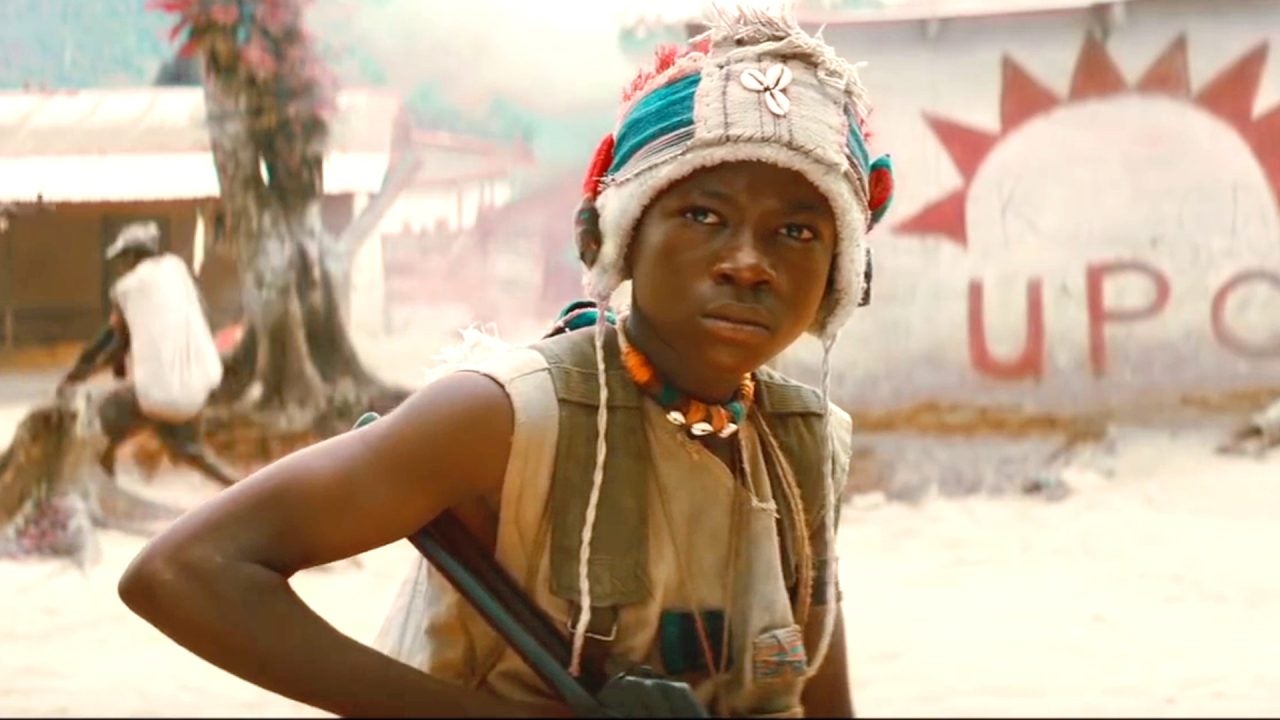
But Netflix skipped all of that, releasing the movie in a dual window: theaters and streaming. This led to four major cinema chains in the United States refusing to screen Beast of No Nation, and it became, in a way, a cursed film that was only shown in small, independent theaters. Over time, Netflix premieres went from being booed in Venice to being applauded at the Oscars, the pandemic caused the distribution window to explode worldwide, and now we all accept that what we can see in theaters today will be at our homes in no time.
The current entertainment landscape cannot be understood without the stir caused by Beast of No Nation, which completely revolutionized the film industry as we know it and which, moreover, and surprisingly… was genuinely good! The next time you open Netflix and see a movie on the front page that you have no interest in but watch out of boredom, remember this: it wouldn’t have been possible without Cary Fukunaga.
