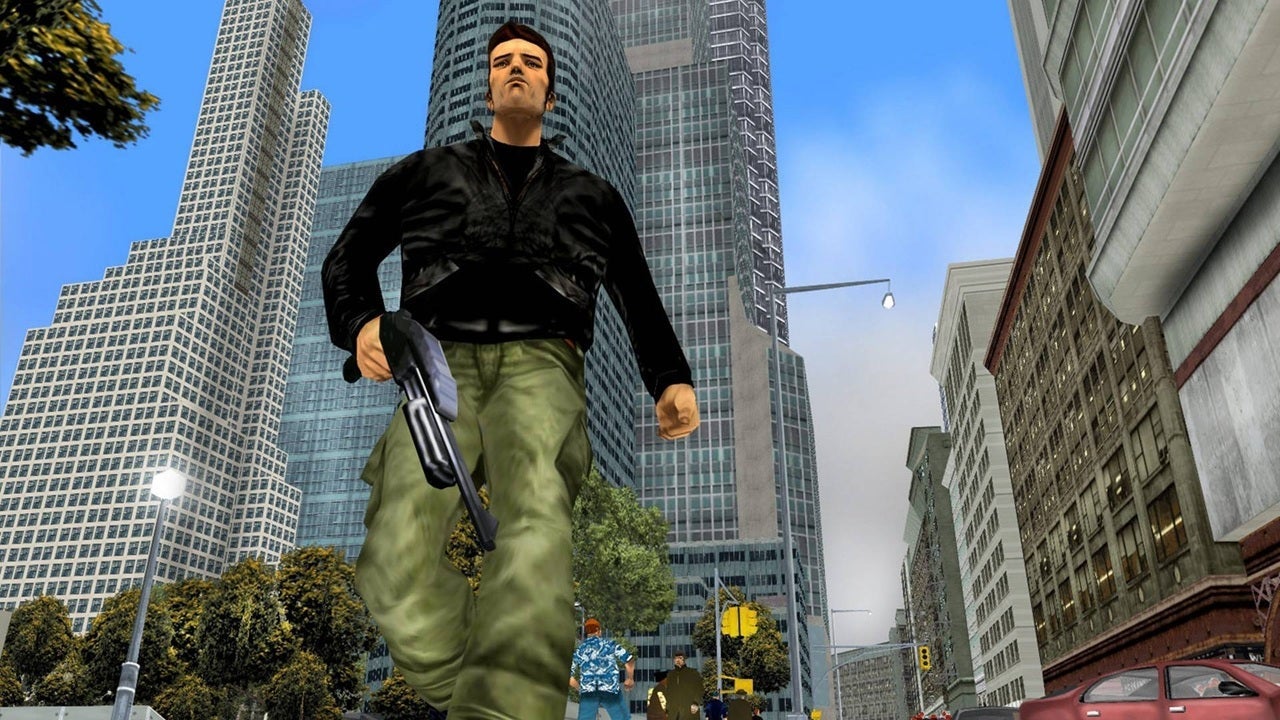
In an unexpected twist in the history of video games, it was revealed that Microsoft rejected in 2001 the opportunity to have Grand Theft Auto III (GTA III) as an exclusive title for Xbox. This decision, mentioned in the documentary Power On: The Story of Xbox, is considered one of the most regretted in the company’s history. Rockstar, the creator of the series, approached Microsoft with the project, but the executives, not foreseeing the impact the game would have, chose not to take the risk. At Microsoft, they have been lacking a vision for the future for years According to Kevin Bachus, who in […]
In an unexpected twist in the history of video games, it was revealed that Microsoft rejected the opportunity in 2001 to have Grand Theft Auto III (GTA III) as an exclusive title for Xbox. This decision, mentioned in the documentary Power On: The Story of Xbox, is considered one of the most regretted in the company’s history. Rockstar, the creator of the series, approached Microsoft with the project, but the executives, not foreseeing the impact the game would have, chose not to take the risk.
Microsoft has lacked a vision for the future for years
According to Kevin Bachus, who at the time was in charge of Xbox’s relationships with external developers, the transition from 2D to 3D seemed complex. This lack of vision allowed GTA III to become the best-selling game of 2001, accumulating 14.5 million units sold and, surprisingly, surpassing some releases that had been less successful. This was a crucial point that helped Sony seal a deal for the game to be temporarily exclusive to PlayStation 2.
Years later, at E3 2006, Microsoft amended its strategy by announcing that Grand Theft Auto IV would be a timed exclusive release for Xbox 360, a move that reflected a shift in the company’s philosophy regarding high-profile titles. This evolution in Microsoft’s strategy demonstrates how key decisions in the video game industry can radically alter the course of the market, recalling similar situations such as Nintendo’s rejection of Sony in its attempt to create a joint console.
The Grand Theft Auto saga has come a long way, evolving from 2D releases to becoming a resounding success in 3D. However, the future of the console, marked by strategic decisions and shifts in focus, presents an interesting exercise in speculation.What would have happened if GTA VI, which is set to arrive in November, had been exclusive to Xbox? The video game industry is full of alternatives that could have changed the course of history.
The Kowloon Walled City, an old Chinese enclave in Hong Kong, is remembered for its population density and extreme living conditions. With more than 35,000 inhabitants in just six acres, this space was known as a slum, with issues of poverty, poor sanitation, and organized crime. Despite its demolition in 1993, its legacy persists in popular culture and has inspired various representations in video games. Kowloon like we have never seen it Before, architect and content creator Sluda has recently recreated this urban maze in Minecraft, offering players the chance to explore its streets and […]
The Kowloon Walled City, an ancient Chinese enclave in Hong Kong, is remembered for its population density and extreme living conditions. With more than 35,000 inhabitants in just six acres, this space was known as a slum, with issues of poverty, poor sanitation, and organized crime. Despite its demolition in 1993, its legacy persists in popular culture and has inspired various representations in video games.
Kowloon like we have never seen it
Recently, architect and content creator Sluda has recreated this urban labyrinth in Minecraft, offering players the chance to explore its streets and historic buildings. Using a 3D model as a base, Sluda has made a meticulous architectural recreation that reflects the uniqueness of the Walled City, characterized by its chaotic buildings connected through improvised passages.
The construction process was monumental. Sluda faced the task of placing each building in its correct position, considering that each structure was unique, a consequence of the lack of regulation in its construction. The result is a detailed vision, with facades that capture the chaotic variety of the city, although the interiors of the buildings lack life and activity, increasing the sense of emptiness.
The recreation in Minecraft, available for purchase through Patreon, has received praise for its accuracy, although some players have noted the omission of the daily life that characterized the Kowloon Walled City, such as the bustle of its residents and the interactions in its narrow alleys. However, the map allows players to immerse themselves in the complexity of the space, even without the vibrant experience of its former inhabitants.
The influence of the Kowloon Walled City is not limited to this recreation, as its architectural legacy has been a reference in numerous video game titles, from Call of Duty to Cyberpunk 2077. With its recent representation in Minecraft, interest in this iconic place remains alive, showcasing the medium’s ability to explore even the darkest facets of urban history.
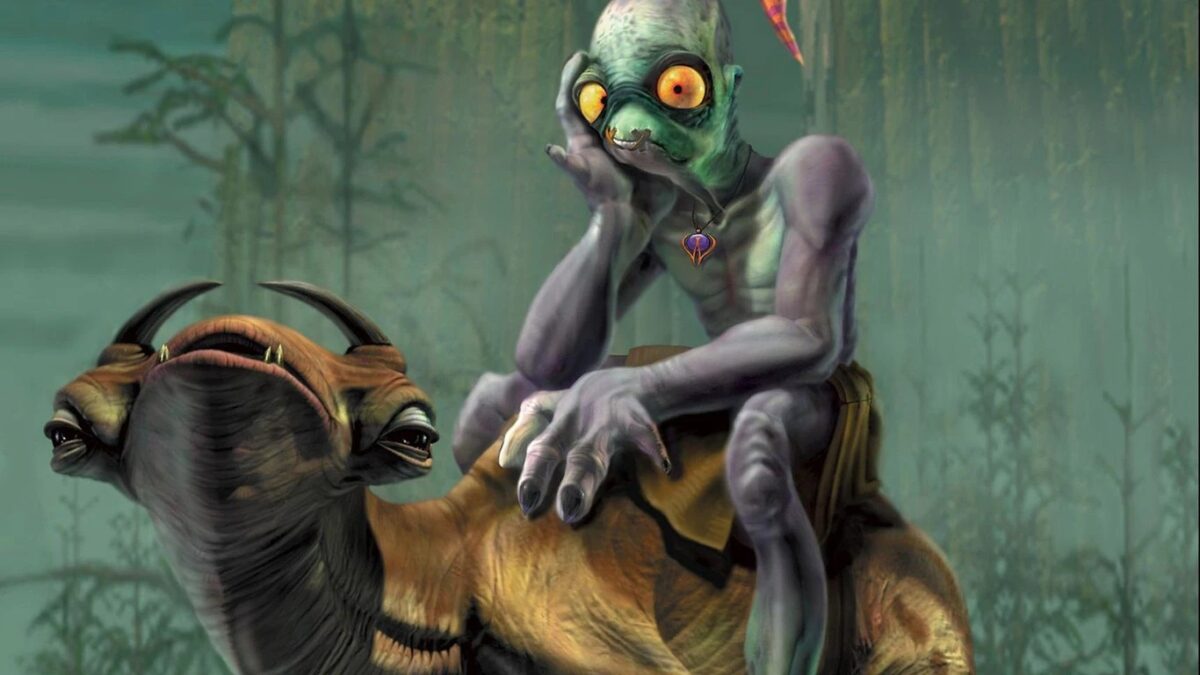
Fanatical has launched an impressive bundle that includes all the games in the Oddworld series for just one euro, highlighting its appeal considering that the regular price of these titles amounts to 84.92 euros. This attractive bundle features six games, including classics like Abe’s Oddysee, the remake New ‘n’ Tasty, Exoddus, and Soulstorm, as well as a DLC for New ‘n’ Tasty that adds more content for players. A saga of classic games that are quite unique Since its release in 1997 for PlayStation, Abe’s Oddysee has left an indelible mark on the […]
Since its release in 1997 for PlayStation, Abe’s Oddysee has left an indelible mark on the world of video games, standing out for its unique animation and the immersive atmosphere it managed to present in 2D. Although some players find its gameplay somewhat clunky compared to current standards, the rich setting and its originality remain high points that cannot be underestimated.
For those who prefer more contemporary experiences, it is recommended to start with Soulstorm or New ‘n’ Tasty. The latter is not only a reinterpretation of the first game, but it has also been optimized to attract new audiences. Another title of notable interest is Stranger’s Wrath, which introduces 3D gameplay elements and combines platforming with first-person shooting, being a highlight in the series for its mix of genres.
Interested players should hurry, as it has not been specified how long this offer will be available. The Oddworld package can represent an excellent opportunity for those looking to relive these iconic games or discover them for the first time. It is an ideal time for fans of the platforming genre and indie game enthusiasts in general.
Many believe that it did, but Avatar didn’t invent anything. In fact, the first 3D movie in the history of cinema is from 1914, although Niagara Falls is completely lost. Until they found the perfect format, Hollywood did several tests by adding, removing, and modifying: before color or sound arrived, 3D already existed thanks to movies like The Power of Love, from 1922, which allowed you to choose one ending or another depending on the lens you were looking through. However, it never went beyond a fairground invention until, in the 1950s, it became […]
Many believe that it did, but Avatar didn’t invent anything. In fact, the first 3D movie in the history of cinema is from 1914, although Niagara Falls is completely lost. Until they found the perfect format, Hollywood conducted several tests by adding, removing, and modifying: before color or sound arrived, 3D already existed thanks to movies like The Power of Love, from 1922, which allowed you to choose one ending or another depending on the lens you were looking through. However, they never went beyond the fairground invention until the 1950s, when it became the best antidote against the power of television. And no, James Cameron still had nothing to say here.
From 3D to Avatar
Between 1953 and 1955, a hundred three-dimensional films were released, whether they were Universal monster movies, adventure films (Raza de violencia, Jesse James contra los Dalton), or disaster films. Everything was fair game in the effort to reinvent cinema and protect it from the evil TV, to the point that the great Alfred Hitchcock made a 3D film (Crimen Perfecto, with little success). However, the audience that initially embraced it with fervor eventually grew tired of having to wear the famous two-colored glasses, and the beast of 3D passed into oblivion…
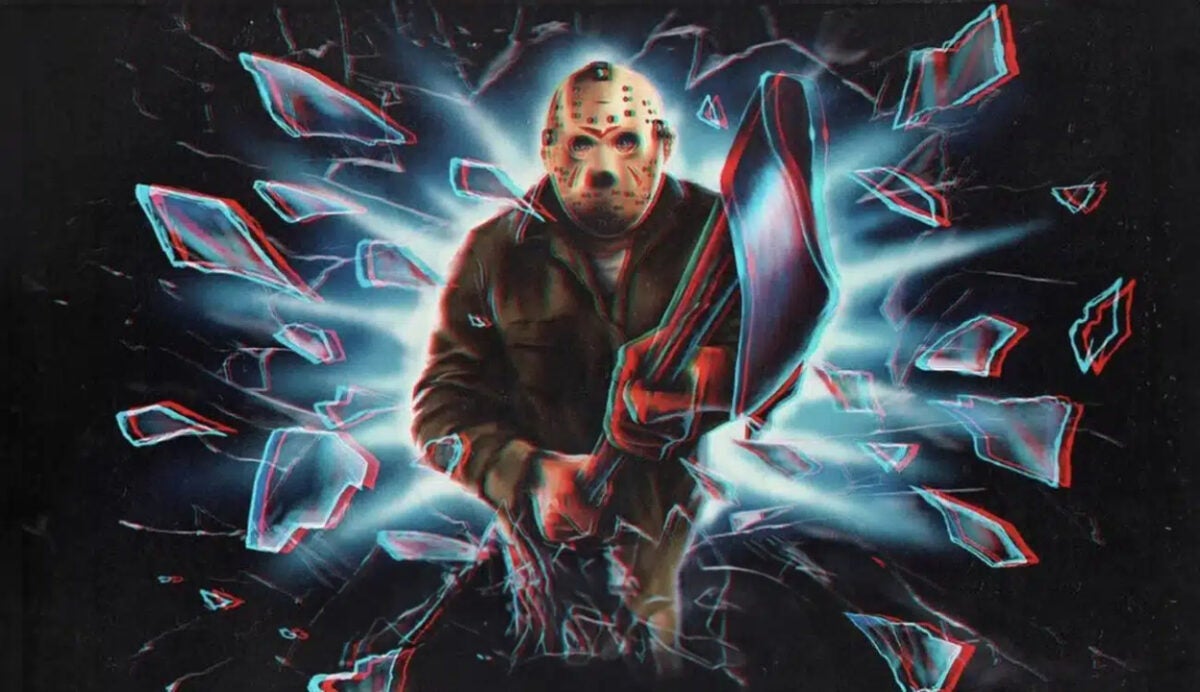
Until the 80s, of course. In an era like this, filled with kitsch, youth, and bright new trends, how could 3D glasses be missing? After the success of Friday the 13th, Part III, where the viewer could see the knife coming right at them, everyone rushed to convert their films to three dimensions, announcing it on the poster with a label larger than the title of the film itself. Cheap productions like Amityville 3-D, Jaws 3-D, A Nightmare on Elm Street 6: Freddy’s Dead, Metalstorm, Spacehunter, or Hyperspace made the audience associate the system with being… cheap but fun.
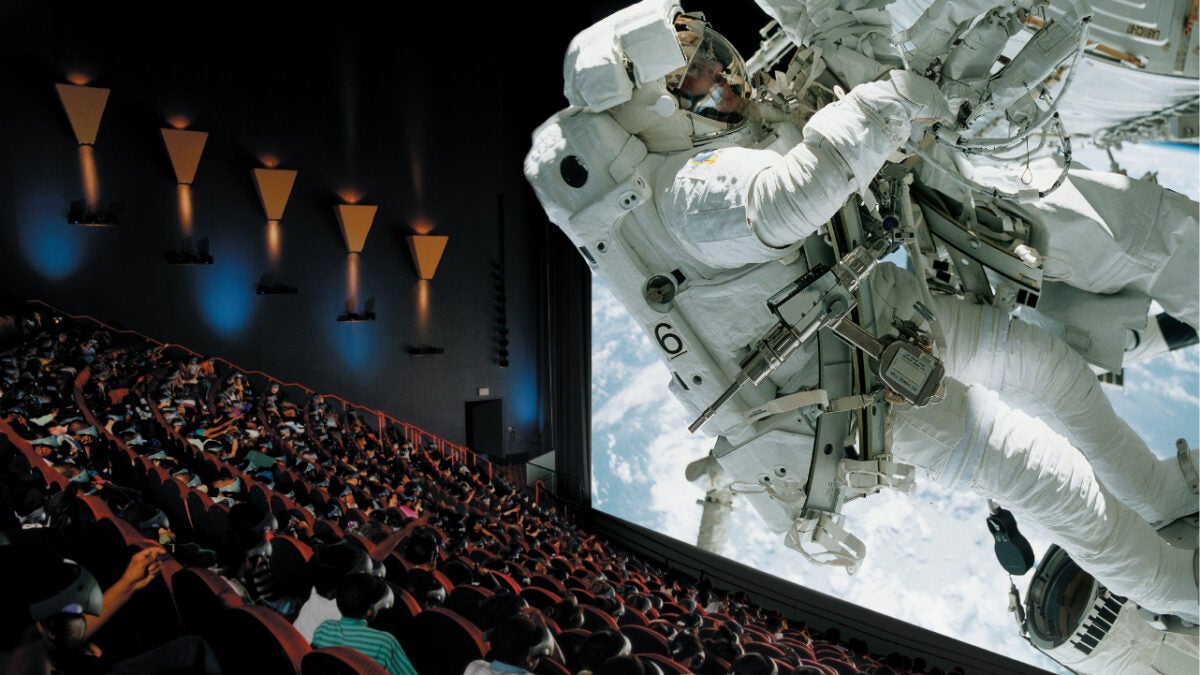
The fanaticism for three dimensions reached such a point that even in France, to enjoy the fourth part of the erotic Emmanuelle saga, one had to wear the famous red and blue glasses. The trick was used again, and by the early 90s it was only used to promote the new IMAX screens and experiments like Spy Kids 3D, where a sign indicated when we should put on the glasses, or The Polar Express. But then James Cameron arrived.
Better than 2D, worse than 5D
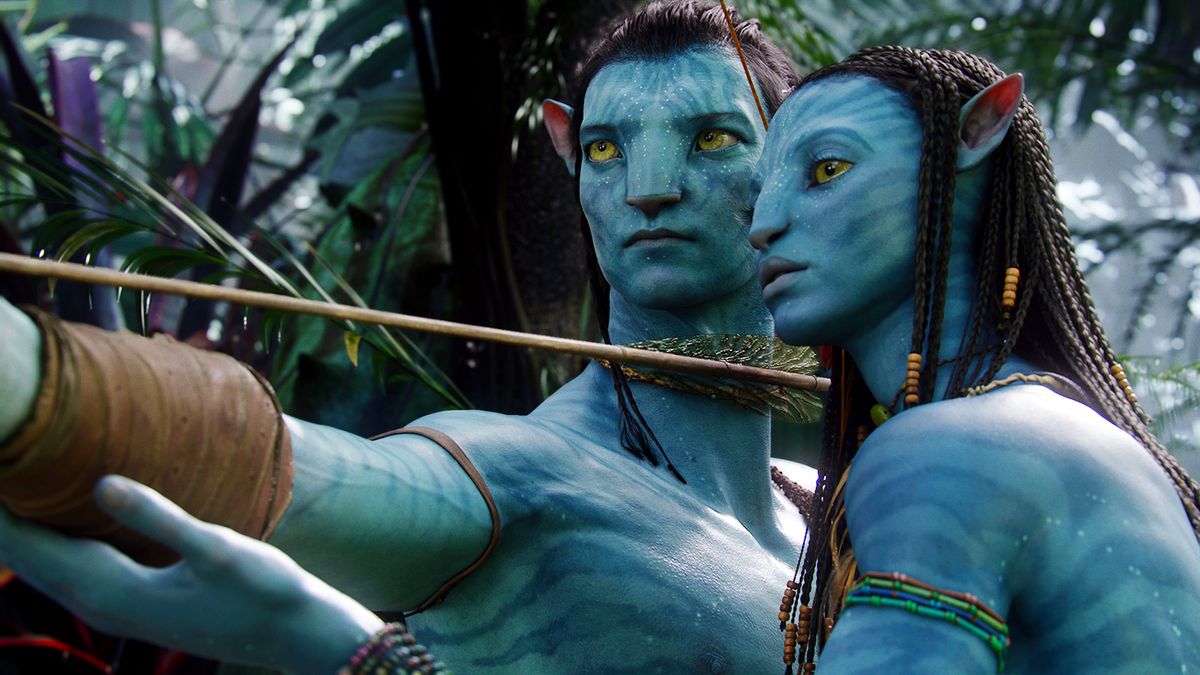
There may have been a boom in three-dimensional movies in the 50s and 80s, but nothing could prepare us for what was to come after the release of Avatar: the highest-grossing film in cinema history forced theaters to adapt for the future, the three dimensions, this time a much more precise system that was viewed through glasses -it must be said- much less iconic. Starting in 2009, no one missed their chance to release their movie, whatever it was, converted to the 3D system. Filmed this way from the beginning, and since it significantly increased costs, there were very few attempts, but the conversion was a relatively simple system, and it was apparent. How could one not try to dig in the gold mine?
Name a movie from the early 2010s, any movie: it had its 3D version. Look, I’m going to give you a few examples that you probably didn’t expect: Clash of the Titans, StreetDance 3D, Space Chimps 2, Resident Evil: Afterlife, Jackass 3D, Battle Royale, Yogi Bear, Gulliver’s Travels, concerts by Justin Bieber, Katy Perry or Glee, Torrente 4, Thor, Green Lantern, Final Destination 5, Ghost Rider 2, Abraham Lincoln: Vampire Hunter or Life of Pi are just some of the hundreds and hundreds of productions from around the world that jumped on the bandwagon. And sometimes, they even succeeded.
It wasn’t just a movie thing: 3D televisions also began to proliferate, with brands claiming they were the future of television as well. No one was broadcasting in 3D yet, but you could buy special movies to watch with the corresponding glasses. And, of course, we cannot forget the Nintendo 3DS, which in 2011 tried to jump on the bandwagon while it was still functioning. But little by little, and inevitably, after the novelty wore off, the audience’s desire to feel dizzy plummeted, and by 2019 the system meant very little, being launched exclusively to take advantage of cinema systems or the revamped IMAX.
And now, what? After the release of Avatar: The Way of Water and the upcoming third part, it seems clear that James Cameron has found the exact place to entice the audience to watch movies in 3D. But he, and only he. In 2024, only 12 American movies were released this way, and most of them under the pretext of IMAX (the new great savior of cinema in theaters, but that’s another story). Of those 12, only 4 were not animated, clearly showing that the trend is broken and it’s just a toy for the little ones. After all, the audience wasn’t that interested in three dimensions.
Oh, who knows, maybe in 2051 someone will rediscover it and cause another phenomenon that lasts a few more years. In the meantime, we have all forgotten about its existence, except when it’s time to go to the movies at Christmas and remember how annoying it was to put on the glasses and endure three hours of dolls jumping around. James Cameron fooled us all with a system from over a century ago and, frankly, it’s about time to say it. And yes, if you have a 3D television, you know exactly what I’m talking about. And I know it still hurts.
The Titanic is much more than Leonardo DiCaprio saying “I am the king of the world!” and debates about whether the two fit on that table
It has been 111 years since it sank, and yet it never ceases to fascinate us. The Titanic is much more than Leonardo DiCaprio saying, “I’m the king of the world!” and debates about whether both could fit on that plank. It is a tourist attraction in its own right, with museums built around it (the one in Belfast, where the ship departed, is a must-visit). Books and various forms of audiovisual material have been created about it, but we will never fully comprehend it. As Álex Ubago would say, that’s where the magic lies.
We know a lot about the Titanic: its passenger list, who survived, what was said on the night of the accident, and that two people could fit on that plank. However, there are still many essential questions to which we thought we would never have answers. After all, the ship is sunk four kilometers deep in the ocean, and only a few can afford the expensive tourist trips (sometimes they don’t even reach the bottom).
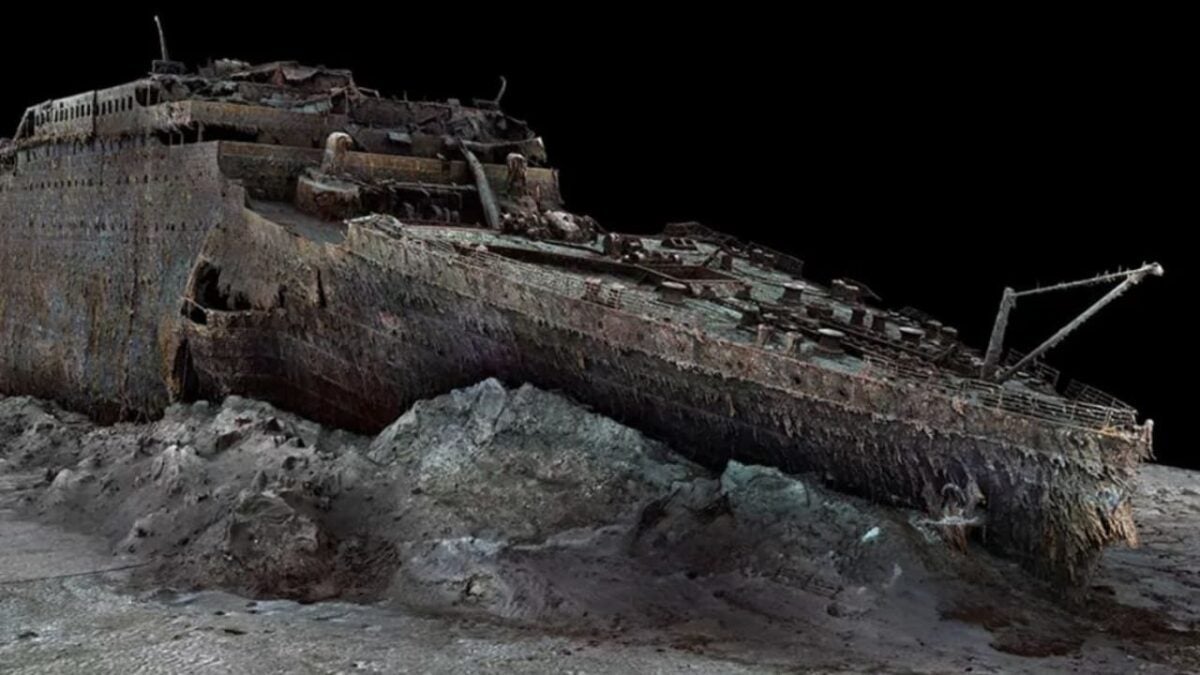
But the absurdly detailed 3D model that has come to light as part of Magellan Ltd’s expeditions sheds new light on the mysteries of the ship. It is so meticulously perfected that we can even see the serial numbers on some of the pieces, even after years of corrosion. There are still years of research ahead, but the idea behind this scanner is to find out exactly what happened beyond “it hit an iceberg.”
To create these absolutely incredible images, specialists sent remotely operated submersibles for over 200 hours, capturing 700,000 photos from every angle, covering every small area. Considering that scientists believe there is less and less time before bacteria irreversibly consume the Titanic, it is fantastic news that it will be preserved in 3D format for exploration.
In fact, details such as people’s shoes or the beginning of the magnificent staircase can be appreciated, all meticulously measured so that over a century later, we can finally tell James Cameron that his movie wasn’t entirely accurate. No, not ‘Avatar 2,’ the other one.