Many believe that it did, but Avatar didn’t invent anything. In fact, the first 3D movie in the history of cinema is from 1914, although Niagara Falls is completely lost. Until they found the perfect format, Hollywood conducted several tests by adding, removing, and modifying: before color or sound arrived, 3D already existed thanks to movies like The Power of Love, from 1922, which allowed you to choose one ending or another depending on the lens you were looking through. However, they never went beyond the fairground invention until the 1950s, when it became the best antidote against the power of television. And no, James Cameron still had nothing to say here.
From 3D to Avatar
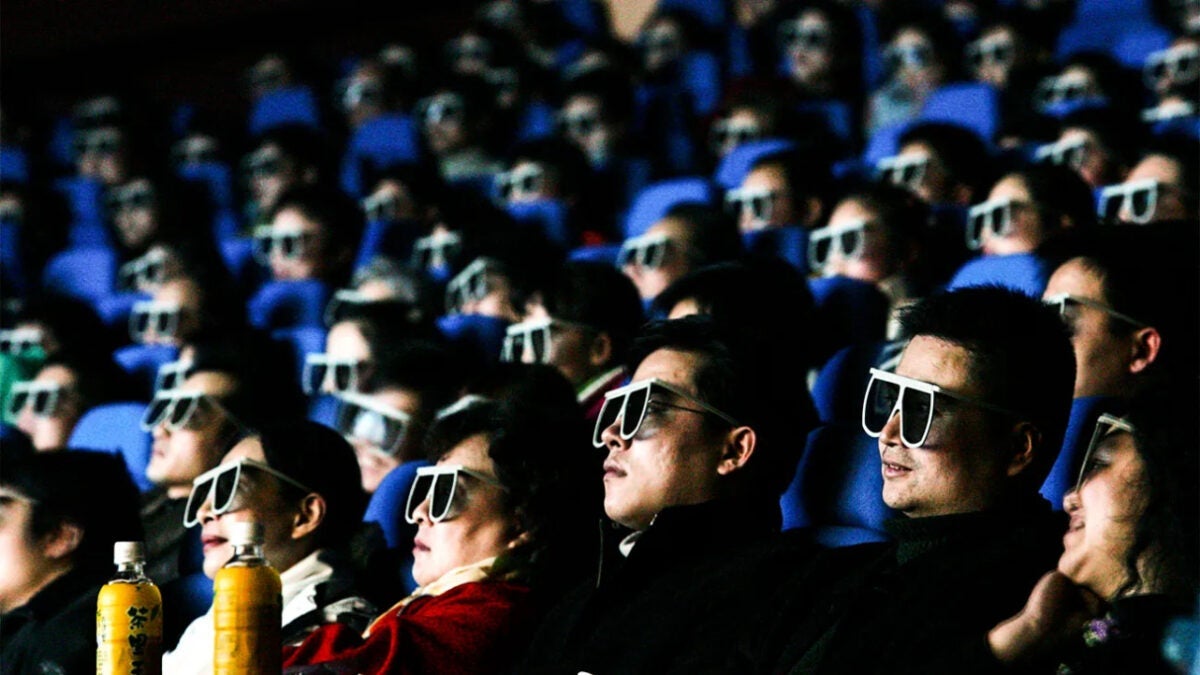
Between 1953 and 1955, a hundred three-dimensional films were released, whether they were Universal monster movies, adventure films (Raza de violencia, Jesse James contra los Dalton), or disaster films. Everything was fair game in the effort to reinvent cinema and protect it from the evil TV, to the point that the great Alfred Hitchcock made a 3D film (Crimen Perfecto, with little success). However, the audience that initially embraced it with fervor eventually grew tired of having to wear the famous two-colored glasses, and the beast of 3D passed into oblivion…
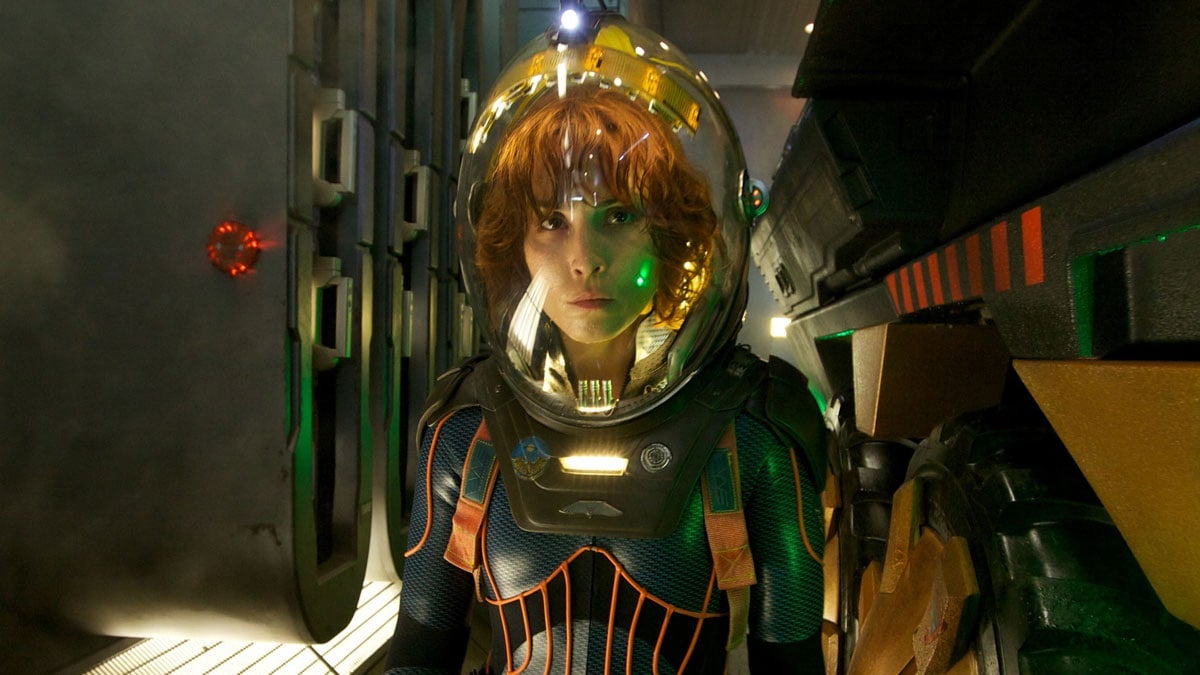
Until the 80s, of course. In an era like this, filled with kitsch, youth, and bright new trends, how could 3D glasses be missing? After the success of Friday the 13th, Part III, where the viewer could see the knife coming right at them, everyone rushed to convert their films to three dimensions, announcing it on the poster with a label larger than the title of the film itself. Cheap productions like Amityville 3-D, Jaws 3-D, A Nightmare on Elm Street 6: Freddy’s Dead, Metalstorm, Spacehunter, or Hyperspace made the audience associate the system with being… cheap but fun.

The fanaticism for three dimensions reached such a point that even in France, to enjoy the fourth part of the erotic Emmanuelle saga, one had to wear the famous red and blue glasses. The trick was used again, and by the early 90s it was only used to promote the new IMAX screens and experiments like Spy Kids 3D, where a sign indicated when we should put on the glasses, or The Polar Express. But then James Cameron arrived.
Better than 2D, worse than 5D
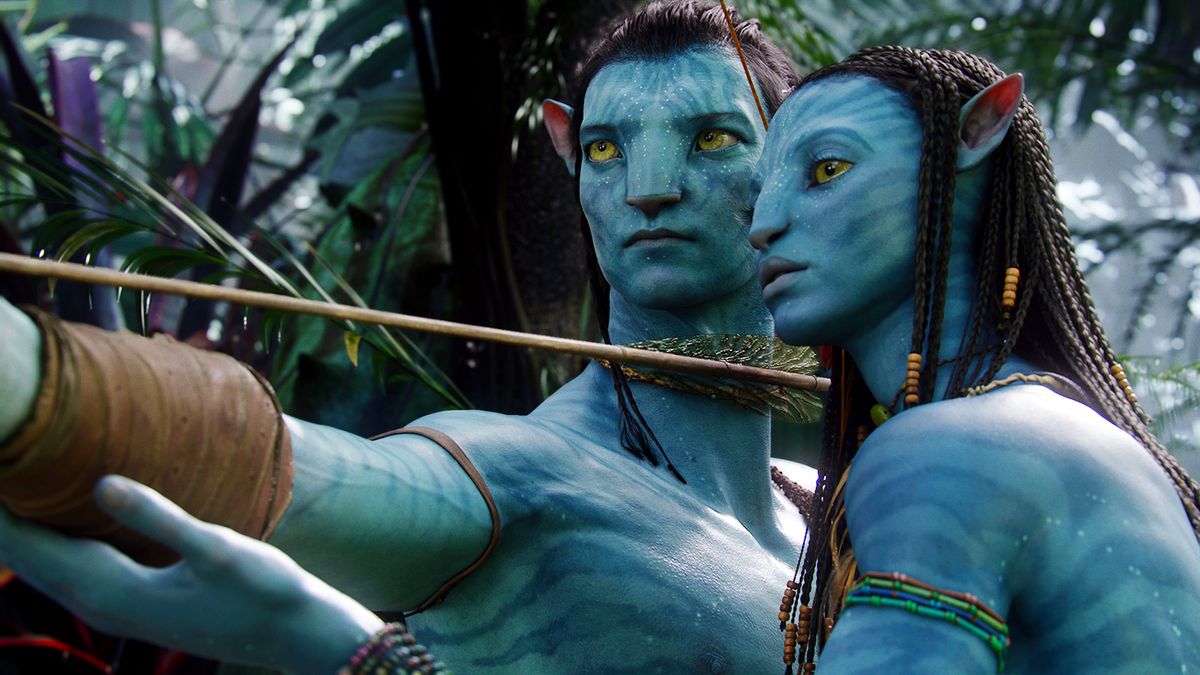
There may have been a boom in three-dimensional movies in the 50s and 80s, but nothing could prepare us for what was to come after the release of Avatar: the highest-grossing film in cinema history forced theaters to adapt for the future, the three dimensions, this time a much more precise system that was viewed through glasses -it must be said- much less iconic. Starting in 2009, no one missed their chance to release their movie, whatever it was, converted to the 3D system. Filmed this way from the beginning, and since it significantly increased costs, there were very few attempts, but the conversion was a relatively simple system, and it was apparent. How could one not try to dig in the gold mine?
Name a movie from the early 2010s, any movie: it had its 3D version. Look, I’m going to give you a few examples that you probably didn’t expect: Clash of the Titans, StreetDance 3D, Space Chimps 2, Resident Evil: Afterlife, Jackass 3D, Battle Royale, Yogi Bear, Gulliver’s Travels, concerts by Justin Bieber, Katy Perry or Glee, Torrente 4, Thor, Green Lantern, Final Destination 5, Ghost Rider 2, Abraham Lincoln: Vampire Hunter or Life of Pi are just some of the hundreds and hundreds of productions from around the world that jumped on the bandwagon. And sometimes, they even succeeded.
It wasn’t just a movie thing: 3D televisions also began to proliferate, with brands claiming they were the future of television as well. No one was broadcasting in 3D yet, but you could buy special movies to watch with the corresponding glasses. And, of course, we cannot forget the Nintendo 3DS, which in 2011 tried to jump on the bandwagon while it was still functioning. But little by little, and inevitably, after the novelty wore off, the audience’s desire to feel dizzy plummeted, and by 2019 the system meant very little, being launched exclusively to take advantage of cinema systems or the revamped IMAX.
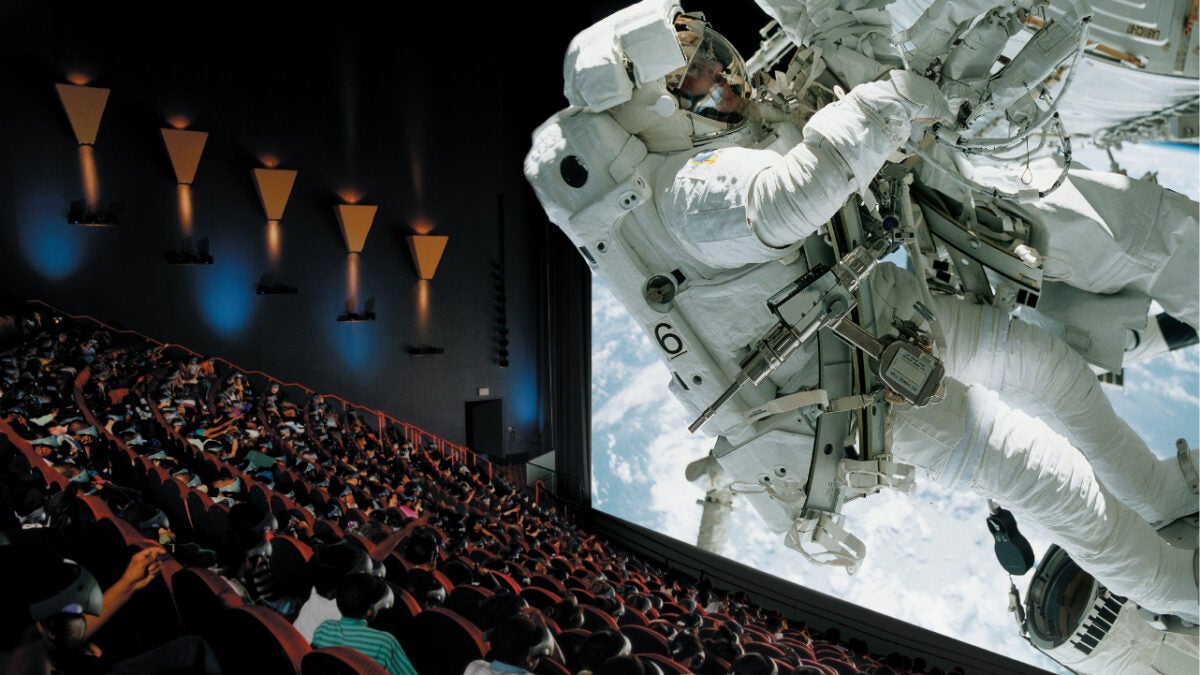
And now, what? After the release of Avatar: The Way of Water and the upcoming third part, it seems clear that James Cameron has found the exact place to entice the audience to watch movies in 3D. But he, and only he. In 2024, only 12 American movies were released this way, and most of them under the pretext of IMAX (the new great savior of cinema in theaters, but that’s another story). Of those 12, only 4 were not animated, clearly showing that the trend is broken and it’s just a toy for the little ones. After all, the audience wasn’t that interested in three dimensions.
Oh, who knows, maybe in 2051 someone will rediscover it and cause another phenomenon that lasts a few more years. In the meantime, we have all forgotten about its existence, except when it’s time to go to the movies at Christmas and remember how annoying it was to put on the glasses and endure three hours of dolls jumping around. James Cameron fooled us all with a system from over a century ago and, frankly, it’s about time to say it. And yes, if you have a 3D television, you know exactly what I’m talking about. And I know it still hurts.