Volkswagen has launched a new subscription model that allows ID.3 owners to access a power increase of 27 hp for a cost of £16.50 per month or a one-time payment of £649. This strategy has been described by some as an approach similar to business models in the video game industry, where subscriptions and downloadable content (DLC) have become common. This policy could leave consumers feeling dissatisfied, as they have to pay extra to unlock features that were previously considered standard.
It’s not the first time they do something similar
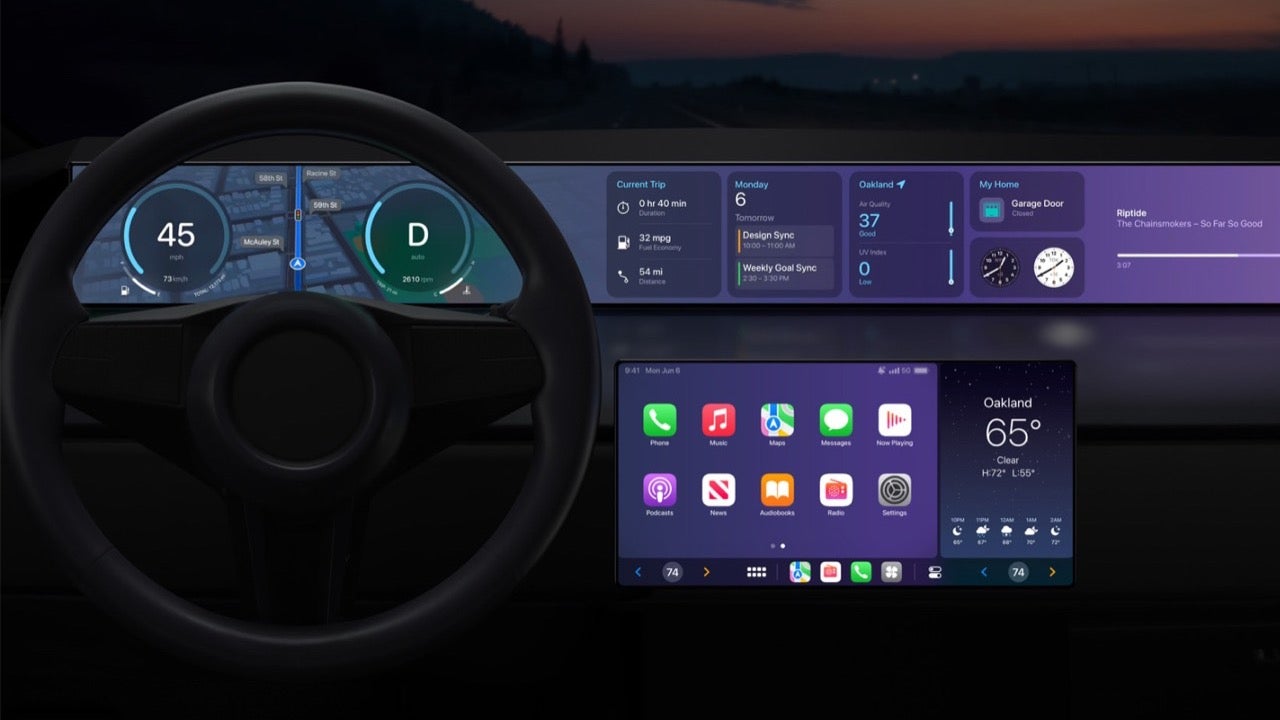
The Volkswagen case is not the first of its kind. BMW has already experimented with features like Apple CarPlay and heated seats that were subject to an additional payment system. This practice generated discontent among consumers, leading the company to retract some of its decisions. Public perception of these monetization strategies can become critical, especially as vehicles are increasingly becoming part of the ‘internet of things’.
Modern cars are becoming smart devices that can offer subscription-based features, allowing brands to continuously implement new capabilities. However, this also raises questions about the real value that drivers get from their initial investments in purchasing the vehicle. As automotive companies adopt these new practices, consumers will need to decide if they are comfortable with this monetization model and what it really means for their driving experience.
The trend towards subscription models in the automotive industry can be a pathway for innovation, but it could also be a source of frustration for those expecting full access to their car’s features after purchase. Public acceptance will largely depend on the clarity and honesty of the communication regarding what this new approach entails.