
How to succeed with a robot coworker

Learn how can you stay employable once robots start taking jobs.

robot coworker

We might be on the verge of a robot revolution, but employers are increasingly looking for people who excel at, well, being human.

Sure, robots can do a lot of things better than we can: data entry, stocking shelves, even hard skills like coding or debugging.

But, bots lack the nuance, out of the box thinking, and creativity that humans do so well.

According to LinkedIn data, soft skills are high in demand.  And while things like cloud computing, coding, and cybersecurity top the list, communication, collaboration, and creative problem-solving stand to be the differentiating factors of industry 4.0.

Why the emphasis on the softer stuff?

The simple answer is, humans should focus on improving the skills that artificial intelligence will have trouble replacing.

AI is set to transform most “doing” jobs into “thinking” and “feeling” jobs. Experts say jobs composed of linear, repetitive tasks will be the first to go. These jobs include customer service, retail, fast food, accounting, manual labor, and more.

The World Economic Forum estimates that 65% of our children will end up in jobs that don’t exist today. Which certainly makes it a challenge to develop the training methods that set the youth of today up for success.

It seems the consensus is, young people should develop a skill set that they can transfer to multiple occupations. So, it’s going to be increasingly important that we move toward a culture that values lifelong learning, and that we treat people skills and creativity — intangibles — as top priorities, not “nice to have” qualities.

Here are some of the timeless skills you should start polishing now. You know, before the robots come for your job.

Skills to focus on for our robot-human future

Empathy

empathy

Empathy is the ability to understand another person’s thoughts and feelings. It means you can place yourself in their shoes and that you consider others’ concerns.

This quality, often considered a personality trait, has significant impacts on productivity, engagement, and loyalty.

When you feel that you’re stuck with people who don’t care about you, teamwork suffers, there’s a lack of trust and culture of resentment. And in the future workplace, humans are going to have to band together and feel comfortable with throwing out new ideas — even if they might not work.

Improving your empathy has a lot to with taking a step back and thinking about how others might react to your words or actions. Ask questions and avoid making assumptions.

When you consistently approach coworker interactions with kindness and respect, the workplace becomes more compassionate.

Leadership

leadership

A good leader is someone who can motivate, inspire, and empower others. Leaders are assertive and likable, someone we can all look up to. But, many people believe leaders are born that way.

It’s true that traits like agreeableness and emotional intelligence come more naturally to some people. But, there are ways anyone can level up their leadership skills.

Recognizing and acknowledging others’ accomplishments, focusing on collaboration over competition, and maintaining a positive attitude, are things you can work on without enrolling in an MBA program.

Still, aspiring leaders may want to look into more formal training. Classes in organizational or project management are solid choices, particularly if you don’t have experience in a management role.

Before you sign up for a college class, though, check with your company to see if they offer tuition reimbursement or access to training programs.

Flexibility

flexibility

Adaptability and the willingness to learn something new on the fly are critical in an era where tech is evolving at a breakneck pace.

Cognitive flexibility is the ability to switch between one concept to another, or shift between ideas. It’s also a marker of what Harvard Business Review refers to as a growth mindset.

HBR reports that some people lean toward a belief that skills and interests are inherent — so someone might naturally be good at sports or is born with above-average intelligence. This is called a fixed mindset.

By contrast, a growth mindset stands to become a valued asset in a changing workplace.

One way to level up your flexibility is to think about yourself as this sort of package of skills. For example, you’re a project manager today, but you’re also an excellent communicator. You’ve got good writing skills, and you’re able to bring out the best results in your team by delegating.

These skills that you might use in your project management role today can help you in any position–whether that’s allocating robot labor to specific tasks or transitioning into a role that requires more writing and editing.

It’s that readiness to accept change and understand how your knowledge can apply to different areas that will serve as a backbone for reinvention.

Active listening

active listening

Listening should mean more than waiting for your next chance to talk. It’s a potent tool that can help you solve problems and build better relationships.

Active listening may come more naturally to someone who is genuinely curious about other people. Try to frame listening as a chance to learn something new or understand a different point of view.

Make an effort to understand where someone is coming from and why. This requires a great deal of focus, and you’ll need to get used to putting your phone down and looking at the person who is speaking—this indicates that you are treating someone with respect.

Listen to the words and pay attention to facial expressions and body language.

After someone finishes talking, let them know you understood what they said by reiterating the key points and asking for clarification on anything that didn’t make sense.

Final thoughts

People fear technology because they believe it destroys work. But that’s been the case for every significant shift we’ve faced as a population. Social media managers, app developers, and so on, didn’t exist until recently.

Skills like conversation, empathy, and problem-solving have always had value. But, up to this point, they haven’t been emphasized during the career training process. It might be time that changes.


Why skill acquisition is your best bet for career success

If you want a better job, here’s where to start.

level up your skills

Fear is a powerful emotion, especially when it comes to our jobs and our future — what will happen to us if we get left behind?

Sure, you’ve heard it all before — AI stands to put us all out of work. We’re being replaced by the latest batch of tech-savvy new grads. Or, we’re digitally transforming, pivoting to video, you get the idea.

It’s a common fear, someday becoming irrelevant. But, that’s not to say we should sit back and wait for obsolescence.

Handwringing over the robot revolution won’t help us stay competitive in a changing landscape, but a commitment to skill acquisition and development will.

Here are a few ways — both big and small for getting ahead of the curve.

Why skill acquisition is your best bet for career success

First of all, do you know where change is taking place?

Whether you’re a victim of an organizational pivot or freaking out over digital transformation, you know you need to learn some new skills, it’s just hard to know where to begin.

Learning new, relevant skills is the best way to bulk up your earning potential and provide more value to your employer or clients.

Start looking at the skills companies are starting to phase out. How much time do you spend on clerical work or manual data entry?

You should also take stock of who you currently work with and how you can bring more value to the table. What skills could turn you into an expert or allow you to sell multiple services?

For example, if you’re social media marketer that works with a lot of tech companies, you may want to take some online courses in things like web development or cloud computing.

This doesn’t necessarily mean that this is the career path for you — however, you’ll be more of an asset to your clients if you gain a deeper understanding of their space.

Spend time focusing on emerging skills

coding

There are a million learning channels out there and topics on the verge of becoming the next set of must-have skills. According to this CIO piece, web development stands to be in high demand for the foreseeable future, so that could be a good bet. Other hot areas include data science, machine learning and AI, and digital marketing.

One way to do this is to start tracking the skills that the top companies in your industry are hiring for. Make a list of the qualifications that keep coming up.

The other way to kickstart the research process is by reaching out to people on LinkedIn that work in your industry or have your dream job. The point isn’t to awkwardly ask for jobs, rather, to find out how these high achievers put their winning skill set together.

And we get it, it may be pretty intimidating to ask people for help. But, in many cases, people are happy to connect and provide some advice. If they’re not — they’ll probably just ignore you anyway, so it’s not really the end of the world.

What if you don’t have any time?

Yeah. You’re probably already working full-time. Which, unfortunately, is somewhat at odds with the ability to pick up and learn a new skill.

A few years back, researchers from the University of Pennsylvania and the University of Washington teamed up with Coursera to conduct a longitudinal study looking at the outcomes from online learning courses.

Encouragingly, they found many online learners from all over the world found that investing some time in MOOCs (massive open online courses) paid off in one way or another. For example, some users were able to demand higher wages, while others marked success by feeling better equipped to do their job.

Now, there were some caveats in the findings. For example, online learners from a less educated, less affluent backgrounds reported more tangible career benefits than those with more privileged situations. And older learners saw greater benefits than younger learners.

What we’re gathering from this is groups that had to make up more of a “difference” so to speak, benefitted most. Still, any new skill you can apply in the wild is valuable, no matter what socioeconomic bracket you’re in.

Level up in small ways during your free time

We get it – you’re short on time. You don’t have the budget to squeeze in a few sessions at the local university.

However, there are countless ways to keep up with the changing workplace environment, without much commitment at all.

Webinars, online tutorials, and courses are all available within a few clicks. There are podcasts, industry publications, blogs to check out — even making a commitment to read more makes a difference.

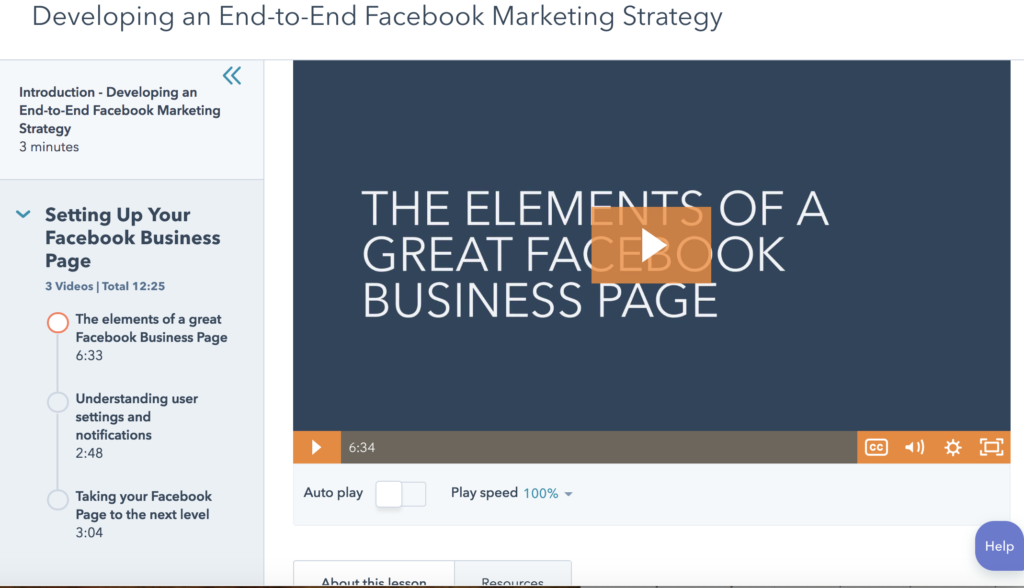
There’s also a ton of certifications offered through sites like Hubspot or Google, which provide instruction through a series of video lessons and an exam afterward.

Look for synchronous experiences

Again, there’s Coursera, Lynda, and others – all designed to help you improve your skills from coding to brushing up on your marketing savvy. But, most of these models are asynchronous, meaning they’re largely self-directed. The point is two-fold — the companies offering these courses can do so on a massive scale. And digital learners can make it work for their busy schedules. A real win-win, right?

Well, not so much.

You’ve got to be a self-starter to a high degree if you want to reap the benefits, and for most of us, it’s hard to muster the energy to complete these free courses.

Synchronous learning experiences, though rarer on the web, offer some social interaction and accountability built-into the online experience.

While these might be harder to find in the form of a free MOOC, consider looking at universities that offer online courses. Look at your local institutions; many offer certificate programs and courses for professional adults.

Because you’d be paying for the experience, you’ll find more of a hands-on approach, even if you’re taking classes online. Group chats, projects, and forums can make all the difference and can anchor you to the class a bit more.

Or look for a skills boot camp

Skills boot camps aren’t free either, but they’re cheaper than getting a certificate or a degree in many cases and serve as a way to teach people things like how to code.

Though Wired predicted the coding boot camp bubble would burst back in 2016, professionals can still get a lot of bang for their buck (and their time) by enrolling in a program.

Take, for example, General Assembly, which offers a variety of skills boot camps both online and in several cities. Or Datacamp, Byte Academy, among others, that offer programs in coding, as well as data science, project management, marketing, and more. These programs provide a way for late-career workers to gain in-demand skills and can lay the groundwork for a career change.

What’s more, according to data from Indeed, over 70% of employers think that boot camp graduates are just as capable as their degree-holding counterparts.

Final Thoughts

Professional development does take time, but it’s the price you must pay to avoid getting left behind in an era where chatbots reign supreme and automation is accessible to just about anyone with access to a SaaS subscription.

If now isn’t the right time for a boot camp, do some extra reading and catch all of those digital marketing certificates offered free on the web.

How to future-proof your career

What skills will be the most coveted in the future?

skills for the future

For today’s students, figuring out what to study is a big, hairy challenge.

Machines are on the verge of taking the jobs that their parents had, data mining is changing our relationships with brands, and even things like law or coding — relatively safe bets in the past — are changing.

So, how do we prepare for the robot revolution? The answer, it seems, may lie into learning into our inherent humanity. Here’s why.

Future-proofing your career

Work is changing

Technology, of course, reshapes every job. Some people believe that there will be no work in the future — but, chances are, we’ll all need to do some sort of job for the foreseeable future.

For example, work stands to become more fluid — focused more on mission-based teams, rather than rigid org charts.

Additionally, the gig economy isn’t going anywhere either, so future workers can expect to earn money from various sources — often working remotely on their own or with a changing cast of characters.

According to Deloitte’s Future of Work report, the skills of the future tend to fall into this “soft skills” category.

If you look at the skills we’ve outlined below, you’ll notice that things like being able to work with others bring big advantages to workers, same goes for flexibility, problem-solving, and creativity.

With that in mind—we may need to lend the liberal arts some respect that they haven’t seen in a long time. Here is a look at some of the skills that are increasingly in-demand.

Most-coveted work skills of the future

Creativity

Creativity is no longer exclusively the domain of painters and novelists. Rather, it’s a leg up when you can work alongside algorithms. Thinking in abstract terms, creating original content, and coming up with novel solutions to complex problems are valued skills when nothing is certain but change.

Teamwork

Social skills, of course, rule in the age of automation  Learning to manage teams, work collaboratively, and use your empathy at work will all help you go far in the workplace of tomorrow.

Problem-solving

Technology is bound to make things easier, as well as more complicated. Human workers will need to be able to analyze technology’s performance and its impact on the people its supposed to help.

Cognitive flexibility

Cognitive flexibility is a big one as the pace of tech-driven change has increased dramatically. So, the expectation that you enter a career and stop taking classes or earning certifications no longer makes sense.

So, where should we focus our efforts?

Students still face some tricky decisions. This McKinsey interview asked a panel of experts what, exactly, should incoming students study in college?

While all had different answers, there was this sense of agreement — students should develop core skills that can fit in anywhere. Things like being creative, being able to write and persuade, may serve students better than preparing for a specific career path.

The other thing we keep seeing over and over is this idea that humans need to develop their human talents and learn to use them in a range of diverse settings.

But, this also means people need to have a clear understanding of how their skills fit in with the skills that AI brings to the table.

According to Pew, experts seem to believe that technological advancements will push governments, educational institutions, and the private sector to create more educational and training opportunities that support flexible, lifelong learning, as it will no longer be reserved for those people who want to earn a promotion or change careers.

Final thoughts

In looking at the skills with a rising profile, there’s a sense of optimism there. Social skills, collaboration, creativity, and problem-solving are these very human things — and in the end, make us more valuable to our employers and lay the groundwork for success.

While we may need to adjust our mindset to get used to the idea of an abstract, ever-changing workplace, how we earn a paycheck in five, 10, 20 or years could get a lot more interesting.

Best online classes for leveling up your tech skills

Bulk up your resume from the comfort of your couch.

Best Online Classes for Leveling Up Your Tech Skills

If you work in marketing, tech, or really any industry, change is the only constant. So, the idea that education stops upon earning a certain number of credits is just plain silly.

But while most of us can acknowledge the benefits of becoming a lifelong learner, it can be hard to find the time or the money to head back to school. Luckily, there are plenty of online courses that allow you to level up your skills in just about any topic you could think of.

With that in mind, here are some valuable opportunities for anyone looking to add a few more lines to their resume that will actually make a difference.

Best online classes for leveling up your tech skills

Introduction to Artificial Intelligence, EDX

This course provides a high-level overview of AI and machine learning, explaining how AI is becoming the driving force behind smarter apps and more efficient organizations.

As part one of the Microsoft Professional Program in AI, the course will show you have to build basic machine learning models. You’ll use Azure Machine Learning and the Microsoft Bot Framework. While this all sounds super high-tech, you don’t need to be a coding expert to start playing around with the technology. The EDX website mentions that a high-school level statistics understanding and a working knowledge of Python are recommended, though not required.

Learn to Code for Data Analysis, Future Learn

Coding for Data Analytics

Data analysis is becoming an in-demand skill that may come in handy when you try to negotiate your next raise. Still, Learn to Code for Data Analysis will be easier to grasp if you know your way around a spreadsheet and are fairly good with numbers.

This course focuses primarily on Python–covering assignments, variables, expressions, functions, basic data types, and if-statements. You’ll practice programming in Jupyter Notebooks, writing and testing your own code.

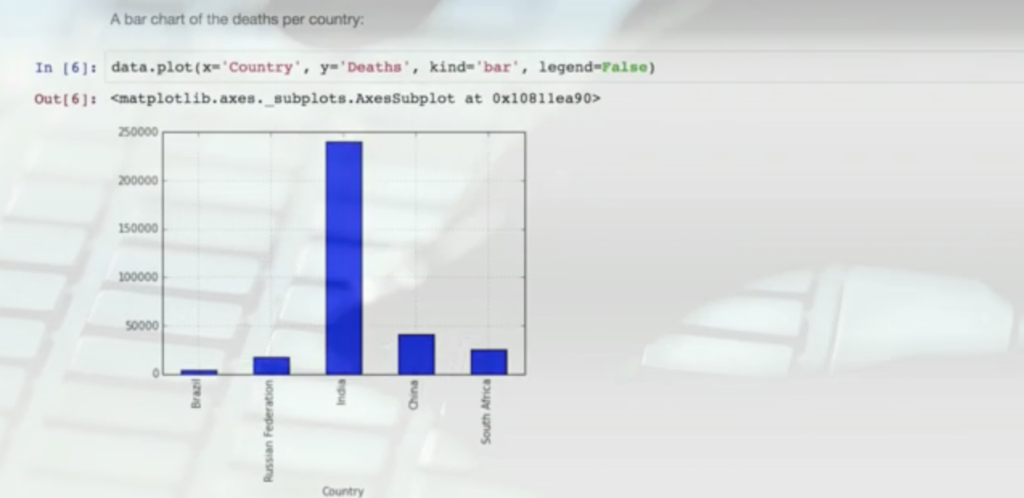
The final component of the course is analysis. Students will use pandas to read Excel and CSV files, as well as clean, aggregate, and filter data into simple, readable charts.

Of course, the class will be easier if you have some knowledge of coding or data analytics. However, we like that this is an approachable “in” for data science beginners hoping to keep up with the latest technologies.

Video Editing, Lynda

Video Editing Course -- Intro Lynda

Lynda is a good source of online classes of all stripes. But, the video editing course stands out, because no matter your industry, this interactive medium has become essential for marketing and engagement across all channels.

Even small businesses need to learn to run a camera and splice together some behind-the-scenes clips or video tutorial here and there.

Lynda’s video editing course is about three hours and shows you the basics of good video editing. You’ll learn about transitions, composition, pacing, and post-production effects.

While you’ll need to continue your video education after the course is over, this is a great primer for people looking to build on their online content skills.

Diploma in Web Design, ALISON

Diploma in Web Design

ALISON is something of an aggregate for online courses. The site is a central hub that showcases courses from colleges and digital learning platforms, so it’s easy to compare programs during the research phase.

ALISON’s module allows you to sort through their courses based on career goals, which makes it easy to find a new skill that will come in handy down the road.

This particular program allows you to learn web design at your convenience, free of charge. Here, you’ll learn how to use Dreamweaver to create websites with HTML, CSS, Flash, and JavaScript. You’ll also learn the basic basics like registering a domain name and choosing a hosting provider.

Like Hubspot, Google Academy, and MOOCs from MIT, Harvard, and others, ALISON allows you to purchase a digital diploma, which you can show to potential employers.

General Assembly Dash Program

General Assembly is a for-profit educational resource with locations based around the US. Unlike Trump University or ITT Technical Institute, General Assembly provides workshops and longer-term programs that allow professionals to get their tech skills up to speed.

The Dash program, however, is an online course, offered free that teaches development in HTML, CSS, and JavaScript. We like Dash, as it’s a nice starting point for those who don’t know much about coding—build your foundation before signing up for more advanced courses.

Code Academy Web Development

Web development continues to be an in-demand skill, and Code Academy’s user-friendly approach to teaching you the basics of building web apps and sites is one of our top picks.

This course follows a structured curriculum, they’ll teach you HTML first, then venture into CSS fundamentals, JavaScript basics and go from there. By the end of the course, you’ll be able to put together interactive sites.

What’s more, the website promotes these self-paced paths that allow you to customize your coding journey.

Courses are offered on a subscription basis—$19.99 per month or you can pay $199 per course.

Hubspot Social Media Certification

Hubspot Dashboard Social Media Certification

Hubspot offers a number of certification programs on their site for free, but the social media course is a good one for marketers—or anyone—who wants to gain a better understanding of how to use social media to drive business.

The curriculum is broken down into eight chapters, each with a few short video lessons. You’ll learn to develop a social media strategy, understand the importance of social listening, and learn to expand your reach on social. You’ll also look at things like digital advertising and how to measure your return on investment.

While you might know the basics already, it’s nice to get a quick refresher on just what metrics we should be measuring and how to hone in on a strategy that aligns with your brand.

Wrapping Up

Beyond the courses listed above, each of their home platforms, as well as Coursera, MIT Open Courseware and others provide a long list of options to professionals looking to expand their skillset.

And, with many of these courses being either free or fairly low-cost, there’s no excuse not to explore some new pathways. You may just find a new passion.

These are the highest-paying online careers

Work from home, make a fortune.

Working from home used to be too good to be true.

But 20+ years since the web went mainstream, companies are moving away from the traditional 9-to-5 model and workers are seeking out opportunities to work on their own terms.

We’re not talking about piecing together a modest income via TaskRabbit, Upwork, and delivering for UberEats. Nor are we going to show you how to earn $$$$ just like our neighbor’s mother-in-law or whatever.

While the gig economy has had a hand in some of these remote working trends, plenty of legitimate companies such as Dell, Humana, and Amazon hire remote workers for a range of positions.

Instead, we’ll look at some career paths that can rake in a decent living from your living room, coworking space, or wherever.

These are the highest-paying online careers

Copy Editor

copy editor

If you’ve got a keen eye for grammatical errors and a tight grasp on syntax and style—at-home copy editor could be a solid career path for you. Your job is to work with writers to enhance readability, conciseness, and more.

According to the BLS, copy editors earn an average of $59k per year — but this accounts for people working freelance, as well as working remotely for one employer.

Copy editors might also work as freelance bloggers or journalists or work on social media — as such, earnings can range considerably.

This person, of course, should be able to communicate clearly — and tactfully — work well under pressure and bring a ton of organization to the table.

Social Media Manager

social media

Social media has risen to the top of the heap when it comes to online job prospects. Social media managers are in high demand as social media is no longer optional for brands hoping to compete in a digital world — well, brick and mortar companies, too.

If you’ve got the writing chops and a knack for posting short, sweet, and engaging content, you could carve out a decent living as a social media manager.

Many companies hire a full-time social media professional to handle their online presence, while others seek out the services from freelancers.

According to Upwork, you could charge each client between $200 and $10,000 per month, depending on the workload and sector.

Blogger/Vlogger

vlogger

The amount of money you can make as a blogger or YouTuber varies quite a bit. Earnings are based on niche, follower count and how much time visitors spend looking at your content.

This career path is a bit of a gamble—you’ll need to become an influencer to generate the big bucks, but if you’ve got the touch, it could be a real windfall.

One way to earn money in this space is to become an Amazon affiliate or work with Google AdSense, which allow you to make money when followers buy items advertised on your platform.

That said, this path is a challenging one. We recommend pursuing another at-home opportunity while you develop a personal brand. If you’re a strong writer or video editor, those skills can translate to some supplemental income. In other words, you can ghostwrite or edit from home, in addition to building your personal brand.

Freelance Writer

A little different than the blogger building their own brand, the freelance writer typically works with a company–or a collection of clients.

That said, blogging – and writing other types of web content for companies, whether as a ghostwriter or under your own name is a more realistic option if you’re a skilled writer. Just about every brand needs content, so with a little know-how and a firm grasp on the written word, there’s money on the table.

You’ll need a portfolio, and preferably a niche—think fashion, technology, sports, or whatever. Salaries vary considerably—with earnings averaging between $10 and $100 an hour.

Technical Writer

writer

Different from a blogger/vlogger, but there might be some crossover, a technical writer might work as a medical writer or focus on topics within the science and tech scope. According to information collected from Glassdoor, technical writers earn roughly $70k, on average.

If you’ve got expertise in medical writing, computer science, finance, or something else requiring a high-level knowledge of a topic, this is a good opportunity to carve out a niche and make some good money in the process.

Web Developer

Whether you’re front end, back end, UX or UI–web development is in-demand, and often in a telecommuting capacity.

As such, this area is a good one for those who want to find a full-time job that they can do from anywhere. Salaries range from $30k at the entry level but can easily approach—or top the six-figure range, as you level up.

Because web developers have long worked from home, job postings can be found on all of the usual sites. Check Indeed, AngelList, Monster, Glassdoor, and wherever else you look for jobs—and filter by remote or telecommute.

Virtual Assistant

virtual assistant

Virtual assistants can work on a freelance basis or for a company, or by supporting staff from afar.

Small businesses often look for remote assistants when they need help, but can’t justify the costs of a full-time employee.

We should add a disclaimer here—the salary range is kind of all over the place. As are the quality of employers.

Companies often look for someone who can offset some of the admin tasks associated with their work, as well as a wide range of industry-specific tasks.

For example, we found many postings asking for a virtual assistant with design skills or social media know-how.

Salaries can range from $45k and $85k annually for full-time assistants—though there’s no shortage of part-time, $10 an hour jobs.

Finally, do your research

While remote opportunities are becoming the norm, so too are the scams that take advantage of job-seekers. So, to wrap things up, here are a few things you should watch out for during your search.

While remote employers might not be able to meet in person, a call or video conference is the norm. Be wary of people unwilling to take the conversation outside of the inbox.

The exception here is freelance writing jobs. Some clients prefer to exclusively through email. If this is the case, ask for a deposit before completing any work.

If a job description focuses more on the money than anything that pertains to the job, it’s a bad sign.

Postings that use overly sales-y language or no caps on earnings are likely too good to be true. As are those labeled “no experience necessary.”

Real companies want to find the best person for the job—not just some warm body.