How to look for a new job without your boss finding out

Ready to find a new job? Here’s how to scout for a new one without jeopardizing your current gig.

We’ve talked about it before; it’s essential to have a strong online presence if you’re looking for a new job. That’s all well and good, when you’re unemployed, self-employed, or not being monitored by your boss.

But, attempting to job hop while employed in a full-time situation is a whole other story.

Sure, most employers aren’t completely blindsided when an employee gives notice. It’s the way of the world, especially in 2019, when no one stays at a job for long.

Still, looking for a job while on the job can be a minefield. Will you get fired if you get caught? How will you schedule interviews? What happens if your employer finds out you’re looking for greener pastures and the search takes longer than expected?

Below, we’ll dive into some of the concerns job hunters have while keeping up the charade at a job they’re not exactly thrilled about.

Doing a secret job search — how to find work on the DL

hiding worker

Don’t search at work

If you work in an office, it’s hard to fight the urge to do some job hunting while you’re on the clock. But, by all means — don’t do it. Write your cover letters at home, fill out your applications at the coffee shop, and stay off of company networks.

For one, you’ll still need to be respectful of your company while you’re on the clock. They are still paying you to work for them, not going out and wooing some new company.

Second, employers are increasingly spying on their staff. In some cases, companies are looking at internet histories, keeping tabs on social accounts, and reading their emails. As such, it’s smart to avoid using any company equipment for personal business. Like anything else in this digital age, your online activity can affect your reputation down the road. Tread carefully.

For timely responses, limit your email replies to your phone. Or pack your personal laptop and have lunch in a local coffee shop.

TL/DR, do the heavy lifting at home.

Social media precautions

Again, social media is an essential tool for job hunters. Secret job hunters, not so much. Where freelancers and the unemployed can benefit from sharing their goals publically, employed seekers must err on the side of discretion.

LinkedIn will be one of the first places that a hiring manager will visit before deciding to schedule a call. Make sure your photos are in good shape, current, and that your job information is up to date.

Beyond keeping your social media sites clean and current, be careful about what you’re posting online. This means no Facebook posts about your job hunting process, no tweeting at potential employers, and so forth. Even if your boss doesn’t look at your profiles, someone else might pass the word along and blow your cover.

Building on staying mum on social, we should also mention that it’s smart to avoid posting your resume in any public settings.

What if interview times conflict with your real job?

This is a hard one.

One of the best parts of being alive in the digital era is that it’s super easy to submit online applications — rather than running your resume around town. Still, if you plan on working in an office setting at least some of the time, prospective employers and recruiters will want to meet you in person.

You’ll want to schedule your interviews carefully — early in the morning or at the tail end of the day make the most sense — as these short absences are easier to explain — you have to pick up your kid, go to the doctor, etc. Another smart idea is to schedule a few interviews on the same day — and use a vacation day.

If you do plan on leaving early or coming in late, you’ll want to bring a change of clothes. Many offices tend toward the casual and showing up in a suit when you’re usually a jeans person will draw some unwanted attention to yourself.

Recruiters can blow your cover

coworker spying

Most recruiters will say that they’ll be discreet, but they may accidentally blow your cover if you aren’t careful. Make sure you let them know your situation and be completely upfront about not revealing your name unless a prospect is serious.

Another concern is, the recruiter might work for your current employer. Recruiters, of course, don’t work for the job seekers. They get paid by the employer that uses them to find qualified candidates. As such, you need to remember these folks aren’t on your side. Be careful about what you tell the recruiter about your salary requirements, other prospects, and current job situation.

What if you do get caught?

Letting your employer know you’re thinking about moving on isn’t an easy conversation. But, if someone sees through your stealth attempts to duck out of the office for the latest “dental” appointment, it’s not a bad idea to clue your employer into your plan.

If you have a good relationship with the management team, they may try to convince you to stay — but they’ll likely understand this is the best move for your career.

Alternatively, it might be an awkward situation for the next few weeks, months, and so on.

As far as whether or not you can get fired, it depends. Hourly employees are getting paid for their time, so getting caught scrolling for openings while on the clock can undoubtedly result in loss of employment. Salaried employees might have an easier time, as schedules are often flexible so long as projects are completed.

Finally, make sure you don’t give notice until you have a firm offer and you’ve accepted it. In some cases, the new employer might withdraw an offer, so don’t put in your two weeks’ until you’ve signed a contract.


Level up your pay with these 8 free(!) online certifications

A few hours of studying could make your resume stand out to recruiters.

Free online courses have been around for a while now. There are thousands of choices, from MOOCs (online college-level classes) to specialized boot camps and program-specific certifications.

Getting free training where you can is a great way to make moves toward a higher paying job. But it’s important to understand that what you get out of these offerings depends on what you put into these options.

Below, we’ve listed a collection of digital resources that can help you keep pace with changing tech–whenever you have time.

Let’s have a look…

8 free online classes to make you more valuable

online learning

1. Hubspot: online certification courses

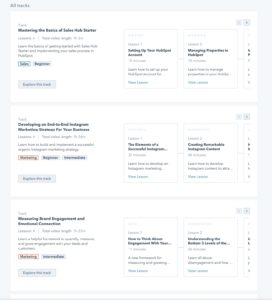
Hubspot certification tracks

Hubspot is a go-to site for sales and marketing professionals hoping to stay relevant in rapidly changing fields.

The site offers access to several training modules like sales strategy, inbound marketing, and social media—free of charge.

The marketing course, for example, will walk you through the basics of creating content for every stage in the buyer’s journey. It should take around four hours to complete, and you’ll then be able to take the test — a final exam delivered multiple choice style.

Are Hubspot certifications worth it?

They are, but they aren’t a requirement. For example, Hubspot Inbound Marketing is a great resource for the beginner marketing pro. Course offerings cover all of the “best practice basics,” and once you earn certification, you’ll have some proof that you’ve mastered the tricks of the trade.

Certifications are good for one year, and most are free. These courses are well-known in the sales and marketing spaces—often recommended by supervisors hoping to educate their teams quickly.

2. Udemy: This is how you make iPhone apps

iOS app workshop free

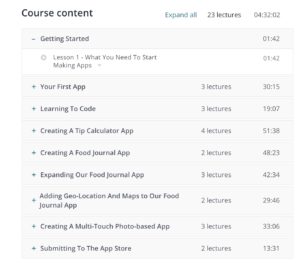
Udemy’s course is more of a workshop, designed to teach you how to create apps and submit your very first attempt to the App Store in less than a day.

This five-hour course is free and promises to teach you every step in the iOS App development process. While this might be easier for those with a bit of coding background under their belts, the course description does mention that coding newbies are more than welcome.

Course includes:

  • 4.5 hours on-demand video
  • Nine downloadable resources
  • Full lifetime access
  • Access to mobile and TV
  • Certificate of Completion

3. freeCodeCamp

free coding courses

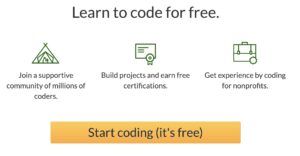
freeCodeCamp is a non-profit online resource that will teach you HTML5, Python, CSS3, Javascript, and more. The mission is to help people learn to code through a vast library of online articles, lectures, and interactive coding lessons. Work at your own pace and earn certifications.

We should mention, the programs will be a significant time investment. Each certification requires 300 hours and the completion of five final projects.

Additionally, you can gain work experience by working on coding projects for nonprofits. So, while this is a lot of work, you will have the unique benefit of getting a free education and the documentation to back up your new found skill set.

4. Facebook Blueprint Certification

Facebook Ads Certifications

Facebook is a crucial element in any organization’s digital strategy, whether you’re striving for organic traffic or better ad results.

One way to go from generic marketer to social media pro is to become a certified Facebook pro through the site’s Blueprint training program.

What is Facebook Blueprint?

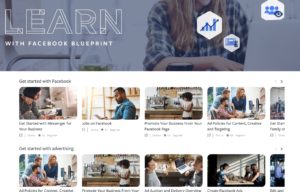
Well, it’s a comprehensive guide to all things Facebook ads. There are 100+ courses available, free, which show you how to do everything from creating Facebook pages to generating more Instagram activity.

FB offers two Blueprint certifications, one for planning and one for buying. Both require participants to pass two exams and certification is valid for 12 months. At which point, you can renew your credential. While the training is free, you do need to pay $150 per exam.

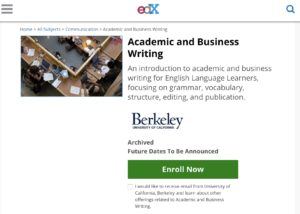
5. edX: Academic and business writing

UC Berkeley Business Writing free

Considering leveling up in the soft skills department? If so, brushing up your writing skills isn’t a bad place to start.

edX offers access to UC Berkeley’s intro to academic and business writing course, which provides an excellent overview of grammar, structure, editing, vocabulary, and publication.

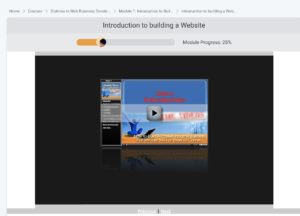
6. Alison: Diploma in web business development and marketing

business marketing alison

Building a web presence is a complicated process, especially if you’re newer to the world of autoresponders and driving traffic. This free course blends email marketing basics and lead generation methods with backend stuff like web hosting and creating pages.

According to the site, you’ll finish the course with the ability to create a website, understand web design concepts, and identify different ways to monetize your website.

Alison courses are free, but obtaining certification means you’ll need to score 80% or higher in each assessment and you’ll need to pay for official certification via the Alison shop.

7. Copyblogger: Internet Marketing for Smart People

internet marketing for smart people

Copyblogger isn’t just a great blog for the internet writers out there; they also provide several certifications aimed at helping people become better writers.

This specific course, which consists of a collection of eBooks, modules, and more covers the best practices associated with creating a profitable online business.

So, it’s essentially a valuable tool for any business. Level up copywriting, content marketing, and relationship building.

You might not get an official diploma, but you will walk away with some new skills you can add to your CV.

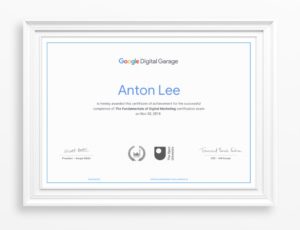
8. Google Digital Garage

Digital Garage online certification

Google’s Digital Garage is a hub for free tutorials that cover everything related to digital marketing—including video marketing, SEO, email marketing, search engine marketing, and more.

While the Google Analytics certification is better known (and worth doing as well), the search giant’s garage certification is essential for anyone who wants to learn digital marketing basics or brush up on the latest best practices.

Keep in mind that this isn’t a quick five-hour workshop. The free program spans 26 modules and 40 hours. Once you pass the test, you can download and showcase your new set of skills on LinkedIn and elsewhere.

The robot hiring manager — impartial recruiter or totally biased bot?

Changing up the interview process to improve diversity in the workforce is one of the top priorities amongst large tech companies looking to bulk up their staff.

Unfortunately, depending on the human mind to make impartial hiring decisions means dealing with the hidden biases we hope don’t see the light of day.

The idea of adding the robots to the decision making process is to screen applicants based on logic — finding the right person for the job, regardless of race, gender, background, and so on.

So, it kind of makes sense right? After all, artificial intelligence stands to be this beacon of equality, hiding demographics and matching candidates based on skill, before the humans get to them, equipped with harmful biases.

The future of an AI HR department

Robo-hiring

How is the technology being used today?

These days, robots are part of the hiring process, but generally relegated to the initial screening process. For example, you might get a phone interview with a company, but rather than talk to a person through the phone or video conferencing app. You’ll answer a series of questions for a robot, who later applies an algorithm to your answers to gauge compatibility.

Companies like HireVue are supplying technology to companies like Goldman Sachs, Under Armour, and Unilever, among others. The platform gives all applicants the same set of questions, which HireVue says helps eliminate biases.

Proponents of AI-based hiring say it’s a means of streamlining the hiring process. And, it’s easy to understand the appeal. The process saves companies time and allows them to sort through more candidates than ever.

interview

Unilever has been using artificial intelligence to screen entry-level employees for nearly two years now. Their process screens candidates by asking them to play neuroscience-based games to measure traits like risk management or the ability to read contextual clues.

If applicants make it through the games phase, they’ll then continue onto the interview process — where they’ll record their answers to a series of interview questions. Interviews are not live. Instead, the AI analyzes each of the answers, scanning for keywords, body language, and intonation.

A company called Pymetrics is the name behind the games and advertises their service as a way of “matching talent to opportunity, bias-free.”

How it works is, participating companies have existing employees play the game. Pymetrics analyzes the data to pick out specific trends, then builds algorithms that scan for likelihood to succeed. Prospective candidates, like in the Unilever example, play the games and match to opportunities.

What are the advantages?

On the employer side, there’s the element of convenience, of course. For Unilever, the company found that the AI enabled them to hire more nonwhite employees, as well as entry-level staff from a wider range of colleges than they did before adding the technology to their recruiting strategy.

Employers are also hoping that the process can reveal the smaller things that humans miss during the interview process.

According to a CNN Tech article, companies are looking toward pre-employment lie detector tools that help companies see when an interviewee is embellishing their qualifications. While honesty is typically the best policy, we have to say the facial scanning is a bit creepy.

The advantages on the employer side are clear — obviously, the streamlined method benefits recruiters and companies more than the person who needs a job.

But, there’s some evidence an AI-guided experience could have some positives for the job seeker, as well. For example, chatbots can help candidates navigate complex application instructions — and the potential to reduce bias promises greater ethnic and economic diversity in the workplace.

But, there’s always a dark side

Many AI technologies are still in their early stages. So, the main risk for employers is that they’re looking at a solution that isn’t yet proven.

And, when you’re considering AI options that analyze candidates’ word choice, tone, and body language, you might be missing out on some awesome candidates that are — say, fidgety or uncomfortable while recording responses.

Cornell professor Solon Barocas spoke with the Washington Post and warned job hunters to be wary of any company who is using an algorithm in place of an actual hiring manager.

The professor highlighted Amazon’s failed experiment using an algorithm to evaluate job applications. In it, Barocas suggests companies should err on the side of caution when applying AI to these decisions that do, have significant effects on peoples’ lives.

algorithm

Algorithms, of course, come with their own biases, as engineers bring their own baggage to the table during development.

So, last month, Amazon scrapped its AI recruiting tool, after it was revealed to have some sexist inclinations.

The reason for this is, U.S. tech companies are still struggling to close the gender gap among developers and other technical positions.

Amazon’s AI engine primarily trained by male developers, and had started penalizing women’s resumes. In fact, even the word, “women’s,” prompted the AI to downgrade resumes from applicants who attended women’s colleges or listed accomplishments like “captain of the women’s basketball team.”

That issue might be a relatively easy fix for the company, but there’s also the issue of masculine language and job applications. Meaning, there’s a chance that applications like HireVue hold some biases themselves, in spite of their efforts to eliminate the ugly side of recruiting.

For example, the technology was found to place higher value on “aggressive” words like captured or executed, more common on male engineers’ resumes.

The tool’s inherent gender bias wasn’t the only problem. Another major issue came in the form of data problems, with the AI firing off recommendations at random. Researchers found the tool was matching under-qualified candidates to positions that were far outside their pay grade.

Of course, that’s just one example. But, the fact that algorithms are scanning for job qualities based on existing top performers, it’s hard not to wonder if they’re scanning for the same old masculine power words and mannerisms—rather than aiming for diversity in a more subtle sense.

The Washington Post article points out that an algorithm trained to match candidates to top performers based on performance reviews is already set up to reinforce biases.

They give the example of a female leader given low marks on a performance review for being too assertive while being an aggressive seller might be seen as an asset in a different context.

The point is, artificial intelligence doesn’t replace the recruiter’s job. There will always be the need for the human hand in the decision-making process.

How to ace your next job interview

When the interviewer asks “Why are you the best person for the job?” here’s how to answer it.

Are you really the best person for the job? There’s no way to know for sure. You might have a long list of top-notch credentials, glowing recommendations, and a knack for getting results from any team.

Still, “why are you the best person for the job?” is a question that sends chills down the spines of seasoned job hunters and fresh college grads alike.

The question sounds pretty straightforward, but the goal here is to understand how you’ll fit in with your new team and add value to the role.

Below, we’ll look more closely at this question and how to use it to your advantage during your next big interview.

“Why are you the best person for the job?”

job interview

Why do interviewers ask this question?

Some experts say that this question is a test. It’s a way to figure out how you interact with people and how you handle being put on the spot. It’s both awkward and vague — the perfect way to make you squirm in the hot seat.

The best person question also functions as a way to establish whether you fit in with the company culture and can be an opportunity to showcase how you stand to add value to the organization.

What it means to sell yourself

Selling yourself might not be the best name for this exercise in job hunting discomfort. Selling yourself, is, of course, a key component of the job hunting process, but it’s awkward.

But from an employer perspective, their role is to find the best person for the job. Should they fail, well, it makes them look bad. So, you need to convince them that:

  • You can do the work and do it well.
  • You fit in with the team, but bring something new/valuable to the mix
  • You’ll make your prospective boss’ life easier
  • Your skills and experience are a cut above the rest

That’s a tall order.

Rattling off your list of accomplishments and skills can easily cross that thin line between confident and arrogant.

Job hunters often go into the interview with the mindset that they need to talk managers into hiring them. And they do, but your goal is to come up with roughly 3-4 bullet point accomplishments that relate to the role. These can be industry awards, education, soft skills, technical skills, or the results you’ve achieved in your previous role.

Tread carefully, because these things you mention should be measurable and framed in the way that you are there to solve a problem.

The thing is, your interviewer doesn’t really care what you think about yourself. They care about where you, your skills, and experience come together to solve their problems.

This might sound familiar if you’ve worked in sales before. The idea is to listen to the interviewer’s needs, then focus on where you reduce the burden.

Easy, right? Well, yes and no. Nerves are bound to take over. If you’re shy, modest, or don’t do well on the spot, practice and preparation are your BFFs.

Let’s look at how to tackle self-selling and land that role.

How to sell yourself

job interview

Prepare

Before the interview, you’ll want to understand what the company does and how your specific strengths can help the organization. Candidates that do their research always impress employers, but you’re doing yourself a favor, too. Learn about the company’s culture, as well as their mission, their customers, and their goals.

Review the job listing again and scan for specific qualifications or skills they’ve mentioned. Compare those skill keywords to your resume and jot down some “times where you’ve done X” and how it’s prepared you for this role.

The second part of the preparation process is preparing a response based on the research you’ve gathered. Those bullet points we mentioned? Use those to craft a sales pitch. Your pitch should be a minute or two and should highlight the things that make you stand out the most.

Be specific

It’s not good enough to say that you’re a team player, a hard worker, a pro multitasker. To really position yourself as the best person for the job, you need to do more.

Use examples to illustrate your strengths. This is a chance to tie things back to the desired qualifications in the original posting. So, if the role requires strong collaboration skills, it might be a nice opportunity to tell a story about a time you demonstrated your ability to be collaborative.

Anyone can say that they’re great at communicating, thinking on their feet, or spotting the tiniest details. But few people can spin these buzzwords into a bonafide story.

Storytelling has become an increasingly valuable skill. As such, you should practice articulating your skills and accomplishments in an engaging, enthusiastic, and authentic manner.

Don’t make the focus on how much you need the job

Okay, this might sound counterintuitive  But, again, we’re looking at how you can add value to the company. From an interviewer perspective, no one cares that this is your dream job or that you’re running low on savings and need to land a role—any role—ASAP.

While it’s kind of annoying, interviewers don’t love it when you appear to be all about the paycheck and the flex benefits. Of course, you wouldn’t be there if you didn’t need a job—however, the candidate that demonstrates excitement about the opportunity is the one that likely gets the job.

Talk about what you expect to accomplish

Granted, this often is another common interview question; the old what do you hope to get done within your first 30, 60, or 90 days on the job?

But, this is another example of where you can prove yourself as someone who can solve problems and think ahead. Prepare by looking at the job description and coming up with a plan of attack; how might you increase sales by 20%? What leadership style will you bring to the workplace?

In short, bringing specific examples for how you plan to enact change will serve you well.

Finally, make sure you are the right person for the job

Before you go to the interview, consider this: does the job align with your goals and values? Does the role match up with your strengths? Will it challenge you? And does it fit your working style?

Ultimately, the “why are you the right person for the job” question serves as a means of figuring out whether you’re a fit or not.

It’s important to remember that selling yourself is not about convincing someone you’re right for the job when there’s a mismatch. A lack of chemistry means that you’ll struggle in that role no matter how many accolades you’ve racked up in the past.

How to build your personal brand online

Brands are people and people are brands. It’s the way of the world now; your online presence is your key to landing dream jobs and rising to the top of your field.

Look, we get it, the idea of creating a personal brand can feel kind of, well, gross at times.

It conjures up images of the aspiring thought leaders scrambling for claps on Medium — or the perfectly made-up Instagram models who can monetize just about anything.

But, these thirsty examples aren’t the only paths toward personal branding,

You want to be a go-to source in your field, right?

Chances are, that’s a yes.

Below, we’ll look at how you can ensure your digital profiles paint a picture of what you offer potential clients and employers, without compromising yourself in the process.

How to build your personal brand online

build your brand

What’s your story?

Some people prefer to keep the professional and the personal realms separate.

Others may feel straight up uncomfortable talking about themselves or telling their story.

Of course, selling yourself can be way harder than selling products or services — in this case, it feels personal when someone says, “thanks but no thanks.”

Think about your strengths and defining characteristics, your milestones, your passions, and your career path. If you’re not sure where to start, look at the thing that you’re best at and go from there.

Then, craft a story that looks at your path. Are you a former corporate lawyer that gave it all up to become a travel blogger? Are you a lifelong marketing pro, starting a company that helps small businesses turn it all around?

Yes, a lot of entrepreneurs talk about themselves a lot — sharing their origin story wholeheartedly.

If this truly makes you squirm, then we recommend creating a professional story that offers the highlights of your career and how it qualifies you to do what you’re doing now.

Know that branding and marketing are not the same thing

When you’re talking branding strategy, it doesn’t refer to the process of getting your name out there. Branding is more about what you do and why.

Strong brands — Apple, Coca-Cola, Amazon — all paint a clear picture when you hear their name. And while you’re likely not going to hit the big time on that level — you need to consider what people will think about when they hear your name.

And, if you don’t define this for yourself, others will go ahead and do it for you.

What are your values?

One thing to consider is authenticity. You don’t want your personal brand to represent a person that doesn’t exist. Instead, do some work—and uncover what matters most to you. PwC has a created a worksheet that’s quite helpful. The idea is, you’ll check off five or so values that mean most to you — then, cut it down to one or two that best represent you and your goals as a business person.

What is your professional persona?

personal brand

It might be helpful to think about your digital presence as your “professional persona.” It’s a version of yourself that embraces the fact that you need to share your accomplishments and ideas.

It’s also worth pointing out that social media is a great place for introverts to outshine their more vocal peers. Here, you can transform quiet contemplation into a way to share your ideas.

The professional persona, of course, keeps your presence limited to your work experience and accomplishments.

That said, a few personal details can endear you to others without getting, well, too personal.

This blog post from Social Talent recommends choosing just three things to share about yourself — and they don’t need to reveal much about your personality and preferences. The example used here includes sharing a photo after a run or some local sights, things that show you’re a person, but don’t dive too deep.

Okay, you’re probably thinking — what do you mean “persona?” I am a person.

But, here are a few things to think about when crafting your professional alter ego:

What is your niche?

If you’re a writer, which topics are your bread and butter? Designers, what’s your style? Consultant? What kinds of businesses do you work with? Your social accounts and personal website should lay this out in clear terms.

Writers, for example, should mention any niche topics they cover–whether that’s providing social media captions, copywriting ad content, or tackling a specific type of subject matter.

How do you talk about yourself?

Who are you, what do you do for your clients? On your LinkedIn page, website, and any additional profiles, you’ll need to present a consistent tone of voice, and carefully consider the language you use to talk about yourself.

Are you informal, funny, professional? Make sure this online voice aligns with the work you do, your values, and your personality. It should feel natural.

Why are people attracted to working with you?

Don’t hesitate to highlight testimonials, LinkedIn recs, or your own account of what you offer that no one else does.

What is your personality?

Again, it’s not necessarily a requirement that you reveal your Netflix preferences or your favorite spots to grab a drink.

Building a personal brand takes a lot of effort and a significant time investment. It’s easy to resign yourself to the fact that you have to craft a brand narrative, but you don’t need to start asking for “likes and subscribes” or booking speaking gigs you’re not feeling great about.

Frame it this way: you get to control the narrative about who you are and what you stand for. It’s a power move.

Practice makes perfect

For the social media averse, it’s unlikely that you’ll dive in and be swimming in followers overnight. Start slow.

Initially, this might mean filling out your LinkedIn profile and from there, publishing a weekly blog post on your website or Medium account. Maybe your next move is Twitter.

The point is, these little moves can help you push out ideas here and there that can reveal your talents and takes on various things.

It’s hard when you’re staring down a world of influencers and thought leaders pumping out podcasts and videos and inexplicably have tons and tons of professional grade photos.

But, authenticity wins. If that’s not you, focus on your strengths. Ideally, it’ll make it easier down the road when you have a list of accomplishments, skills, and content to point to next time you have an interview.

Trending jobs in 2019

Discover which careers are booming this year.

Digital transformation is well underway.

Machine learning, chatbots, blockchain applications have all become part of the work landscape, all while stirring up fears of our pending irrelevance.

Obviously, healthcare tops the charts in most cases — surgeons, nurses, dentists, and orthodontists are always in high demand — so we opted to leave them out of our list of jobs on the rise.

In 2019, in-demand jobs are fairly diverse, but have something in common — many emphasize the human side of an automation strategy. As LinkedIn found in 2018, you don’t necessarily need to be in a highly technical role to see success. Sales, marketing, and communications professionals have a promising outlook, too.

Skills like leadership, project and product management and roles with a strategic component are sought after by employers. And of course — hard skills in the STEM purview are needed to develop and maintain this new wave of tech.

Here, we’ll look at some of the top jobs in 2019 — and likely beyond.

Trending jobs for 2019

data scientist

Data scientist

A data scientist is a person who gathers, processes, and analyzes data. With the hordes of data coming in thanks to advancing data collection methods, humans skilled in breaking these massive sets into usable insights are major assets for companies.

Database administrator

Database administrators are becoming increasingly in demand, as companies start using more software solutions that include AI and machine learning components. The ability to maintain clean, secure databases will be essential for ensuring software can be leveraged to meet an organization’s goals.

Product Manager

A product manager knows how to make a product sell. They work with multiple teams, as well as members of the public to make sure that products are at their best before going to market.

Product managers conduct market research, determine specifications, set pricing, and develop marketing strategies. While this isn’t a highly technical role, product managers often work in tech companies and will do well if they can “speak the language.”

Machine learning engineer

machine learning

Machine learning engineers are programmers with advanced knowledge in the areas of AI and machine learning. They work to develop AI technology and work with complex algorithms and datasets to train systems. As more companies invest in these technologies, engineers can expect to have their pick of opportunities.

Statistician

Statisticians are in demand, with growth expected to rise by 34% through 2024. Statisticians collect and analyze data, looking for patterns that explain human behavior or uncover insights that address a range of public and private sector concerns. Today’s businesses basically run on these massive datasets, so those with a firm grasp on statistics are a major asset to any company.

Sales director

Sales professionals will still be in demand this year, and likely moving forward. Recruiters have long been having trouble filling sales positions with skilled workers who can keep pace with change.

That change can be attributed to CRMs and other analytics tools that are now industry standards. There’s also a shift in buyer demographics, as millennials take on the lion’s share of B2B purchasing decisions.

Still, technology, combined with the ability to read the room and connect with others makes a good salesperson hard to replace with a machine.

Marketing Managers

Marketing managers stand to stick around for the long haul, though their role may change in the coming years. As it stands, your average marketing manager is in charge of marketing campaigns, branding, social media, and content strategy.

Successful marketing managers should also be project managers, critical thinkers, and have the ability to monitor ad performance and other metrics. As marketing tech advances, this role may begin to evolve into a more analytic, decision-making focused role.

And, moving forward, privacy concerns and a crowded social media market may make marketing more challenging. Those who can roll with the punches–and get around new rules and shifting algorithms will likely see success.

Financial Manager

financial planner

Financial managers are looking at a bright future, too. Because of the aging Boomer population, there is a huge demand for good financial advice. Financial managers help clients plan for short and longterm goals, like retirement, college funds, and buying a home. They also break down tax laws, investments, and monetary rules and regulations.

Job seekers — what to expect

Flexibility, improvisation, and a willingness to learn are all important qualities in a job candidate.

While the top tech jobs often require specialized education, tech-savvy marketers, managers, and writers all have transferrable skills required to supplement AI and machine learning applications.

Improve your prospects by earning certifications — in marketing or project management, as well as coding and software-specific training.  The point is, change is the only constant.

Cold pitching 101: How to find actually prospective clients

Looking to sell your skills? Here’s how to open the door to new opportunities.

If you’ve dabbled in freelance writing — or freelance anything — you’ve seen post after post touting the power of cold pitching. It’s reportedly the best way to find high-quality clients and grow your business to new heights.

Unfortunately, a lot of the content out there is super promotional. And much of it involves successful bloggers selling their expertise to those with less experience or savvy in the space.

So what’s the story with cold pitching? The concept is as straightforward as it sounds — you’re reaching out to strangers to sell a service.

The thing we found more challenging was the research process. Where are people finding these lists of prospects, in the first place?

Here, we’ll look at some tips for compiling a list of your own prospects.

How to find new work opportunities

networking

What is cold pitching?

Cold pitching is the process of reaching out to a targeted list of strangers to convince them to give your company a shot. In most cases, you’ll do this via email — though you could try using the good old-fashioned phone.

Basically, you’re sending a company/person a personalized email after doing some research on your own. This means you’re qualifying leads on your own.

Pitches should be as concise as possible. Nobody likes to field a cold email, after all.

Why you should cold pitch

For one, being a freelancer means that you generally don’t have the luxury of taking home a reliable, bi-weekly paycheck. Your earnings depend on how much you work and how much clients are willing to pay for your service.

Among the biggest challenges for independent workers is locking down a steady stream of paying gigs that provide a predictable income.

So there’s this constant need to be prospecting, even when you’ve got enough on your plate. You can apply for jobs through job boards, go to networking events, or ask existing clients for referrals.

Cold pitching, however, offers some distinct benefits over the usual channels, and here’s why:

Easy-to-measure results

When you’re emailing cold leads, it’s easy to see which pitches get results. You have a record of sent messages that you can review to see how many conversions you’re getting compared to what was sent.

It’s easy

Well, sort of. Cold pitching requires that you write customized, well-researched emails to strangers, so it’s not this mindless effort. But, once you’ve got your list of leads, you’ll have a quick way to reach out to prospective clients — even just a few each day.

Freelancers can get busy, but keeping up the business development part of their job means they’ll be less likely to experience work droughts down the line.

Contracts are on your terms

Because you’re sending the email, you’re in the position of power.

While you are at the mercy of collecting enough yeses to pay your rent, those who sign on are agreeing to the terms you put out there.

One of the key reasons that freelancers tend to like this method is, it’s an effective alternative job board.

There’s nothing wrong with job boards, per se. But, the process of applying for multiple jobs and hoping the rates work out to more than $0.0008 per word can leave you feeling like your fate is in someone else’s hands.

How to identify the right clients

scouting clients

First of all, you should only approach clients that you can imagine yourself working with.

If you’re a writer with experience in writing about technology, your ideal clients might be software companies, cybersecurity firms, or web apps. You won’t want to approach roofing companies or fashion brands, otherwise, it looks like you’re sending mass emails with little thought as to where they land.

Niche matters, too. Stay in your lane. A generalist might have the right skill set, but they risk falling into the “jack-of-all-trades” category. Instead, you narrow your area of expertise.

As you start hunting for leads, you’ll want to ask yourself a few questions as you comb through each lead:

  • What can you offer this client?
  • Why will you be a good fit?
  • Does the subject matter interest you?

Where does one find these companies in the first place?

Okay, there are a few different ways you can start conducting your research. We’ll start with platforms. While the sites we’ve listed here are job boards, they’re actually a great place to conduct research.

Now, we’re not suggesting that you apply for the jobs. Rather, you can head over to a site like AngelList or LinkedIn and filter by company type. AngelList also allows you to email people directly through the platform, bypassing the actual job application part.

Some ideas:

Alternatively, you might want to Google startups within your niche. Startups need help getting the word out about their brand and may not have the budget for a full-time writer.

Tread carefully, though. Sometimes, it’s hard to work with new companies as their status changes from one day to the next.

  • Quora — Create an account that highlights your business. When someone posts a question you can help with, you can swoop in to help.
  • Social media — Twitter and Facebook both have decent search functions. Look for trending topics within your niche and reach out to companies that might be a fit.
  • Groups — LinkedIn and Facebook groups are another good resource for collecting leads. Facebook’s platform has a group for anything — local business owners to industry-specific offerings like digital marketing or tech startups. Joining groups means you’ll be able to make new connections and identify companies to reach out to outside of the platform.

Make a spreadsheet of the companies you find during your research. Create tabs for email addresses, status, notes, and anything else that might inform your messaging.

Find the decision maker

Going in cold usually means you’ll be reaching out to a company, not an individual. Chances are, the director of marketing won’t post their business email on the company website, but doing some research before sending an email to “Dear First Name” is a good idea.

Do some research on the company page and social media accounts to see if you can identify who is in charge of marketing, social media, or whatever your area of specialty is.

Be sure to address this person by name in the email — even if it’s just going to “help@company.com.”

How to get people to read your message

composing email

  • Make it personal — skip the template; cold pitching is already, well, cold. Instead, make it obvious that you’ve done some research. And skip the spammy salutations. No one reads an email addressed to “Sir/Madam.”
  • Create a great subject line — Spend some time coming up with creative subject lines. A good subject line makes the suggestion that there’s something worthwhile in the email. A bad one means you’ll get marked as spam. Check out Hubspot’s tips for some inspiration.
  • Include social proof, if possible — share links to your best work, endorsements, awards, or positive reviews from happy clients.

Don’t forget the follow-up

People often forget to respond to emails, especially when they’re not urgent. In general, you want to give prospects about a full week to respond.

Send a short, low-pressure reminder after the seven day (ish) mark. The second email should basically say, “I sent you an email and wanted to follow up to see if you’ve had time to consider the offer.”

Make sure you attach the previous email so they can easily access the information you sent the first time around. And if you don’t get a response, move on. There’s no use in trying to pressure someone into becoming a client.

How to sound like a real-deal subject matter expert in a hurry

A little research can change the entire trajectory of your career.

Subject matter experts, or SMEs, are people who know a subject inside and out. While the OG SMEs might be folks with advanced degrees or decades of experience in a certain niche, being able to write like a pro is a skill you can develop.

A useful skill that can help you advance your career in writing, marketing, and beyond, developing your expert voice goes beyond faking experience.

Understanding how to become a subject matter expert boils down to a few key things. You must learn how to do research, write in different voices, and learn to take complex material and spin it into something approachable.

Here, we’ll look at some of the ways you can sound like an expert even when you feel like a novice.

How to present yourself as an expert

expert

Mastering the art of research

As an SME-in-training, you’ll need to graduate beyond citing Wikipedia and learn where to find high-quality information.

In this phase, there are a few things you can do to start talking like an expert.

Where does your audience hang out online?

The first step is learning as much as possible about your chosen niche. Immerse yourself in the conversation by hanging out in the same corners of the web as the actual experts.

Find online forums in this space — think Reddit pages, online publications, and Meetup groups.

You’ll also want to join relevant social media groups — Facebook groups, LinkedIn Groups, follow key experts on Instagram, Twitter, and other relevant platforms. In any case, this is your chance to see what people are talking about in real time, which is far more informative than attempting to Google information and hope that it’s relevant.

Another good place to look is Medium. Here, you’ll find a lot of articles — which span a wide range of quality — geared toward every niche you can think of.

While these sources don’t necessarily have the credibility that comes with say, a scientific journal or reputable newspapers like the New York Times, Washington Post, or the Wall Street Journal, they offer a quick way to pick up on industry lingo and trending topics. Spend a lot of time in these corners of the web and you’ll be writing insider blog posts in short order.

ID industry publications

Beyond the social sphere, industry publications are another great source of specific information. Subscribe to all the newsletters and trade magazines you can, and follow the associated social media accounts.

White papers, eBooks, webinars — these types of content take a deeper dive than your average blog post.

Who are you competing with?

Competitive analysis is another great starting point for grasping the language and trends in a new niche.

You can learn how “the pros” in the space talk to their audience, what topics matter to this audience, and where you can offer something different or better.

Take note of the following:

  • What kinds of articles/blogs/digital resources exist?
  • What do competing brands post on their social media feeds?
  • Website copy.
  • Articles/blog posts/marketing collateral — how do competitors address their audience?

Practice breaking down complex terms into simple language

simplify

Explaining complex information in a way that connects with a broad audience without talking down to them is a skill that will serve you well. As you start to familiarize yourself with the new subject matter, try rewriting what you’ve just read in your own words.

Benjamin Franklin famously used this trick to teach himself how to write. Franklin would rewrite articles from The Spectator until he mastered the style himself.

In the SEO world, the technique is known as “skyscrapering.” Essentially, this means you’ll identify a piece of “good” content online and create something similar, but better.

Considering voice and tone

Another thing to think about is finding the right voice for the niche in question. How formal is the norm, here?

Are you going for a friendly expert vibe? Informal? Youthful?

Refer back to those competitor publications and look closely at how they communicate with their readers.

While the goal isn’t to copy someone else’s voice, most industries have a set of “cultural norms” that apply to the communications within the space.

For example; if you’re writing about food, you might opt for something friendly, approachable — like how you’d talk to a friend you invited over for dinner. By contrast, if you’re writing about supply chain management, a no-frills, plain language style might be your best bet.

Additionally, you need to learn the lingo. Using an incorrect term can raise red flags for readers who already have an understanding of the industry you’re writing for.

As a writer, you must provide value to your audience. Blog posts, white papers, and eBooks should help readers learn more about a topic; selling should come second.

Fake it til you make it

As a burgeoning SME, confidence will be one of your biggest challenges. As you learn new concepts and start making connections, it’s a good idea to practice writing to your audience. Deconstruct concepts and explain them in your own words — as confidently as possible.

Start by using a tool like Hemingway, which will help you identify the wishy-washy language, passive voice, and other hallmarks of low confidence. As you learn more, you’ll feel more confident in your ability to communicate like a bona fide thought leader.

Interview the real experts

interview

Interviewing experts adds an extra layer of credibility to your content. A direct source you can quote — it’s smart to set up phone calls with people who know their stuff.

Often these folks benefit from working with you because they’re too close to the subject matter. As an outsider, you can zoom out and explain concepts in a way that connects to people who lack in-depth experience.

For example — if you’re writing content for a machine learning startup — you’ll want to talk to the employees/founder about specific concepts. But they might be inclined to explain the ins and outs of the math used in their process, which could be alienating to readers.

Ask for clarification — for example, a plain language definition of natural language processing can help you connect with readers who are also learning about this topic.

Oh yeah, recording your calls can pay off. This way, you can focus on listening and asking the right questions, rather than frantically trying to take notes as they rattle off a bunch of new terms and topics.

Finally, if your experts are on board, you may want to ask them to review any content you’ve created to check for clarity and accuracy.

Who are you talking to?

“Buyer personas” are a marketing staple. The term refers to a fictional customer, usually a composite of the real people who might be interested in your product/service/ content. (For example, “Maria” might be the 30-40-year-old first-time mom you’re targeting. Or “Dave” might be the theoretical Patriots fan who loves craft beer and video games.)

When your goal is to sound like an expert within a particular niche, you need to understand the gamut of demographic information. Targeting a specific audiencecan make your writing sound more personal than if you’re just flinging it out there to the entire planet.

Wrapping up

In the end, learning to communicate with authority is a skill worth developing. Research, competitive analysis, and the ability to take on different voices as needed may seem like the domain of marketers alone.

But, this is a transferable skill likely to have value now — and down the road when AI encroaches on our job prospects.

The above steps offer a roadmap for learning about new topics in short order, but “talking the SME talk” takes practice and dedication.

7 ways to stay inspired when you are your own boss

Do you work alone? If so, these tips can keep you creative, balanced, and happy.

Working for yourself might seem like the ultimate dream. You make your own hours, wear sweatpants if you want to, and don’t live life dreading pointless meetings.

Your business, your rules.

But, being a model employee and running a tight ship isn’t always easy. It’s hard to stay inspired, motivated, creative, when it’s day-in, day-out, cranking out work on your own.

Below, we’ve compiled a list of seven ways to stay inspired when you work for yourself.

How to stay motivated when you work for yourself

1. Make time for reading

reading

Adding reading to a never-ending pile of to-dos may sound counterintuitive. Where is that time for leisure reading supposed to come from anyway?

Even 45 minutes or an hour spent reading a good book can do a world of good.

For one, if you’ve ever spent days on end writing a ton of content, you know that you’ll start to sink into the habit of using the same words over and over. Reading works in a different style than your own can help you pick up some new ways to communicate an idea — even if you’re not aware of it.

Reading business books or self-help books can be great sources of inspiration, but don’t discount the power of a good pleasure read.

Emory University’s Center for Neuropolicy published in a 2013 study that found reading changes the brain not only during the activity but afterward, as well. The study found that reading promoted heightened connectivity in the temporal cortex, an area associated with our ability to process language.

In turn, reading can serve as inspiration, no matter the genre or relation to your day-to-day work.

We should mention though, the way we read on the web — scanning in an F formation — your Apple news habit doesn’t offer the same benefits as reading an old-fashioned book.

2. Spend time looking at the big picture

Focusing on the zoomed out view can help you keep your head in the game. Revisiting your mission is super important. Long term, you should look at two things: what do you want to create with your business? And, second, how far do you want your reach to extend?

It’s easy to lose sight of primary goal when you’re caught up in the weeds invoicing, editing, or putting together spreadsheets.

3. Write down goals—and review them frequently

goals

Writing down smaller goals is a basic concept. But this is different than making your to-do list.

Instead, write down goals, along with a progress report or the steps that need to be completed.

The point is, do whatever it takes to keep your big picture items in view, documenting your progress, and making plans for your business in the long run.

4. Become a mentor

Spending a lot of time working alone can make you a bit self-absorbed.

Taking some time to help someone who is just getting started in their career can renew some of the passion that gets lost in the day to day shuffle — between to-do list items, calls, and demanding clients.

Whether you choose to hire an assistant, get an intern, or spend time with someone who needs a little extra help — this relationship can be mutually beneficial.

For them — they’re benefitting from your knowledge and experience. On your end, you’ll have access to a fresh perspective. You’d be surprised; rattling off ideas and listening to what the new blood has to say can be a powerful motivator.

5. Delegate or outsource to save time

delegating

Knowing when to delegate is a skill that all bosses need to nail. It’s essential for time management and allows you to focus on the stuff that matters.

You may have started out doing everything yourself, but you can’t be a master of everything, right?

Instead, you need to realize that growing your own business means taking the time to hire an assistant for your social media accounts. Or outsourcing a graphic design job for your new website.

By all means, do the things you love, but know that getting qualified help allows you to take your vision to the next level.

One reason that people don’t delegate as much as they should is, it’s hard to write a job description and create a system for deadlines, deliverables, and standards. As such, you should start by taking a day to create your own SOPs and writing them out — for each job type.

Things to do before hiring a helper:
  1. ID tasks and associated deliverables
  2. Who do you need to delegate tasks to? How many different people do you need to find?
  3. Where will you find people? Some roles may be filled by gig workers, while others may be better suited to a real-deal employee.
  4. Management plan — from communication to deliverables ownership, to payments, write out all of the specifics, according to each role that needs to be filled.
  5. Set a schedule for status meetings and updates. Communication is critical, and regular check-ins mean you have the chance to make corrections if your designer/developer/freelance writer/social media guru isn’t entirely on the same page.

6. Brainstorm/network/talk with others

When we ditch the old 9-5, we miss out on the positives of working in an office setting too. As much as it’s nice to do your own thing, there’s a lot of creativity that comes from working with other people or you know, just chatting.

With the rise of social media and all of these business tools that have made it easier to work from anywhere, we lose something in the process. Make a point of grabbing lunch with a friend, attending local Meetups or networking events, or reaching out to contacts in your industry.

7. Find a schedule that works

schedule

Some say the secret to success is waking up early. Others get their best work done in the dead of night after everyone has long been asleep.

Whatever your chronotype, your preferences, and so on — it’s essential that you find a schedule that works for you and your brain.

Set the start of the day and the end of the day at the same time and stick to it Monday through Friday.

You’ll start to understand the times of day when you’re most productive and from there, can structure your daily tasks according to that schedule. Second, working the same hours every day makes it easier to set boundaries with your friends and family, as well as your clients.

While freelancers and entrepreneurs don’t always have the luxury of on time and off time, working during the same hours each day also prevents that inevitable work-life bleed.

Wrapping up

Inspiration comes in part by being smart with how you spend your time. For example, if you fail to delegate the tasks that are boring or hard or just not your thing, you’re sapping your mental energy before you get to the “good stuff.”

Instead, making time for networking and mentoring means you’re exposing yourself to new people and perspectives, which can help you break out of a rut. Or listening to podcasts you enjoy, reading a few chapters of a book before you go to bed each night, or even taking on a new hobby — these things get your brain working in ways that don’t immediately seem related to your work.

In the end, these habits listed above work together to save you time and help you avoid burnout.

7 healthy habits for remote workers

Working from home? Here’s how to stay happy and productive.

remote worker

For some, working remotely means staking a claim at a local coffee shop. For others, it’s staying home in sweats, rarely emerging during daylight hours.

And then there are the lucky ones, the digital nomads — who somehow fit working in with hitting the beach.

In any case, working from home means you’ll develop your own habits — some good and others bad.

And worst case scenario, you’re looking at a day marred by procrastination, isolation, and our favorite — digital loafing.

Here are some ways to strike a balance. Even if it sounds miserable right now, you’ll thank us down the road.

7 healthy habits for remote workers

1. Don’t forget about your friends

friends

One of the hardest parts of remote work is revealed within the name — it’s isolating at times. We lack the camaraderie of a traditional office plan, occasionally pining for idle chatter about that new lunch spot down the street or how Bob from accounting spent the weekend.

Without the built-in interaction, you’ll find in a traditional office; solo workers must “make their own fun,” so to speak.

While it can be challenging to close the laptop from time to time, giving yourself the space to do something leisurely like grab lunch with a friend, go to a happy hour, or have some people over for a meal can do you a lot of good.

There’s always going to be something you could be doing — whether that’s fine-tuning your website or digging around for new leads.

But, when you start skipping too many events, the invitations may eventually dry up. Friends assume you can’t do anything or feel rejected after too many “nos.”

On the flip side, remote work is a relatively new way of life, and for that reason, many people don’t “get” why you’re not always available.

Explain (nicely) to friends and family that you will not be available during specific working hours, and stick to them. Over time, those people will begin to get the message that your flexibility doesn’t mean you can shirk your responsibilities at any given moment.

2. Invest in good nutrition

Eating well is hands down one of the best things you can do to stay sane, energized, and focused. It’s well documented at this point that nutrition plays a significant role in making sure our brains are operating smoothly.

Additionally, you’ll want to make sure you stock the kitchen with healthy options. Even the most productive workers among us wander into the kitchen out of boredom, especially if you know that it’s packed with sweet and salty treats.

Save the junk food for the odd occasion and don’t keep in the house. Instead, load up on fruits, veggies, and some quick protein sources.

3. Find a productive workspace

It’s critical that you carve out a designated workspace in your home. Now, many people have some constraints—there might not be enough space for a full-on home office. Still, you can always create a workspace in the corner of a room — dedicated just to work.

What we’re getting at is, you need to create a physical distance between your work and your life outside of work.

The reason for this is, having a designated workspace kicks your brain into gear — going into your office each day provides a trigger that says, “get to work” and will, ideally, help you fight distractions.

The second part of this is building in environmental changes. If you work from a home office, spending a few hours working from a coffee shop or the local library can give your creativity a bit of a boost.

4. Stop multitasking. Seriously.

multitasking

Look around in any working environment — the coffee shop, the coworking space, and so on — and chances are you’ll see several folks looking at phones while emailing, writing, or working on some presentation slides.

We like to think we’re skilled at multitasking — it makes us feel like we’re checking off to-do list items like a badass.

But, multitasking also means we remember less and make more mistakes. And, if you’re trying to promote a greater sense of well-being, these little mistakes can be sources of stress and shame down the road.

Think about it, when a client gets back to you with a laundry list of mistakes, it sucks, right?

Practice doing one thing at a time. Set a timer — for say, 20 or 30 minutes at a time. Initially, it may be difficult to do just one thing at a time, but practice makes perfect. Over time, you’ll find that you’ve improved your turnaround time and accuracy.


5. Learn to leverage your mental capacity

When you’re working from home, failing to be productive means that you’re leaving money on the table.

It’s not like the days at the office where, despite those post-lunch slumps, you can still count on money coming in at a predictable interval.

So, when there’s a disconnect between your work and your mental state—focusing becomes this uphill battle. As such, you’ll want to adapt your work habits to your energy levels.

Many people are more detail-oriented in the morning or more creative during the evening.

At first, you might want to start tracking these things. You probably already know whether you’re a morning person or a night owl, but diving deeper into your natural rhythms can help you tap into a productive routine.

6. Take some time to tidy up

clutter

It’s hard not to develop a case of “it’s my office, I’ll do what I want.”

However…

A messy desk or a poorly equipped office will hinder productivity — and clutter the mind. Studies have shown that clutter can contribute to stress, procrastination, and a lack of focus — all killers for an effective day spent working from home.

If your desk is in a state of disrepair, spend just 15 minutes throwing out the La Croix cans, coffee cups, and energy bar wrappers. We promise it will make a world of difference.

Invest in things like calendars, planners, and the pens you like most, but keep the office supplies to a minimum.

7. Take action against Imposter Syndrome

Imposter Syndrome, a term that’s been around since the 1970s, has gotten a lot of play in the media over the past few years. The term refers to a phenomenon, primarily in high achieving women that feel as though they are intellectual phonies.

We bring this up because imposter syndrome can do a number on your motivation. Because you don’t witness colleagues’ activities, you might find yourself comparing yourself to others in similar positions — better credentials, a style you like better than your own, the list goes on.

When you’re off on your own, managing your time with little oversight, you’re also spending a lot of time alone without any feedback—and in some cases, may feel like a fraud.

Keep tabs of your achievements and positive feedback you receive — and check in with your remote connections from time to time.

Wrapping up

Healthy habits mean a lot more than simply eating more vegetables. From a productivity standpoint, your job is to create routines that work for you and stick to them.

Get dressed every day and ditch the Doritos. Make your home office a personalized productivity center — and for God’s sake, drink water.

How you deal with the challenges associated with working from home will set the tone for your success down the road — a productive life with the space for friends, family, and a little alone time, too.