Ace Your Job Interview: Common Questions and How to Answer Them

Heading for a Job Interview? Here you’ll find all the tricky questions and answers that will help you pass with flying colors your employer’s interview.

Getting ready for a job interview isn’t always easy. You’ll be asked to talk about your experience, your qualifications, and prove yourself as a perfect fit for your dream position. Not to mention that sometimes, the impression you make on the interviewer and your social skills can outweigh your actual credentials. For those reasons, it’s common that job interviews become a nerve-wracking experience that even the most seasoned senior execs feel uneasy about.

Luckily, getting ready to ace your next job interview is easier than it looks. You’ll just need a positive mindset and follow these simple tips to navigate through those tricky questions with confidence and grace. These are the most common interview questions and how to answer them.

1. Could you tell me about yourself in a brief?

Employers are always seeking candidates who fit in within the organization as a whole or the specific department they’ll be working with. This question is a way for them to see what a person can offer to the organization outside of the bullet points on a resume, so make sure to introduce yourself in an attractive way to create a long lasting impression on the interviewer.

“So, tell me about yourself.” is not an invitation to prattle on about your favorite hobbies, but to discuss relevant moments of your studies as well as personal achievements in previous job positions. Use the opportunity to also highlight partnerships you’ve formed, and discoveries you’ve made. It’s a chance to talk about how you’ve grown and added to your skillset. Think of it as an “elevator pitch,” where you have only a minute to sell yourself.

2. Why did you leave your previous job?

This one is tough because it’s bad form to blurt out something like, “I hate my coworkers” or “I need a higher salary to afford my new apartment.” Always turn this into a positive, even if that’s a bald-faced lie. Frame your answer in a way that focuses on your enthusiasm for taking on a new challenge, rather than attempting to get out of a miserable situation.

3. How did you hear about this position?

Companies like to know if you were actively looking for them or if this was one of many other jobs you decided to apply to. To succeed, make them know you sought the role yourself and explain what made you choose their company over other similar ones. If you got recommended for the position, tell the interviewer who told you about it and why he or she thinks you are perfect for the job. Last, but not least, be always enthusiastic about the position you’re applying to and mention it completely aligns with your future career plans.

4. What is your dream job?

Talk freely about your goals and ambitions,  making sure to mention how this job and this specific company will help you get closer to them. You don’t necessarily need to say this is “The Job” you’ve always been dreaming of, but show yourself as a positive and enthusiastic person, eager to be part of the companies’ team

5. Why do you want to work with this company?

This can be a tricky question, so be careful when you answer it. To stand out over the other candidates you’ll have to evade generic answers that could work out for any other company or job position. To do so, simply research the business you’re applying to and write down everything that makes it unique. Once you have this list done, simply think of answers that will include each of these points. Make sure to add how much these appeal to you and how you can contribute in the future of the company.

6. What other companies are you interviewing with?

Companies often ask this question to know how serious you are about this position and, in the case you’re applying for other jobs, if they are relevant to this specific job. If you’re actually in another recruitment process, mention the one that has more in common with your current interview. And don’t forget to say how this specific role is the one you’re looking for.

7. What type of work environment are you looking for?

To answer your question you’ll need to research the background of the company you’re applying to. Learn about their work habits and make sure your reply is in harmony with the organization’s workplace culture. We recommend you to visit the companies’ website and take a few notes on their work ethics or look at what their employees say about their work experience there. Once you’ve done that, simply turn your notes into a few keywords you can add to your answers to express how your dream work environment matches the companies’ one.

8. Why should we hire you?

This is a bold question and that’s precisely why your interviewer chose it. Don’t let it take you by surprise! Simply elaborate an answer where you explain how you can not only do the work but also offer new ideas and deliver excellent results.

9. What makes you so unique?

This question is very similar to the previous one. Just think of a good reason for the company to pick you over the other candidates and elaborate a clear answer that is relevant to your job position. It’s always better to focus on a few things and explain them in detail than ramble about many without explaining them properly.

10. What do you think we could do better or different?

Here’s another question you have to be careful with since you can’t really talk badly about the company, but at the same time you can’t evade giving an elaborated answer about it. A good idea is to bring up something positive about the business and then add some constructive opinion about it, suggesting some changes or new points of view.

11. What are your greatest strengths?

Be prepared for this question because the odds are that it will appear in your job interview. To answer it like a pro, simply make a list of your best qualities and expand on them, explaining how they can help in the role you’re applying to. It’s a good idea to illustrate each and every single of your strengths with an example or a memory on how they helped  in previous jobs. The less generic and more specific you are, the more you’ll make an impression on the interviewer.

12. What are your greatest weaknesses?

Okay, the tried and true response to this question is usually something cheesy like, “I care too much about my job.” “Sometimes, I’m too much of a perfectionist.” These responses will not get you far.

Still, the tactic of framing your weaknesses around your strengths is worth using. If you are a perfectionist, discuss how you care about doing the job right the first time, but you’ve been working on how to balance time management with a tendency to harp on the details.

You don’t want to mention a weakness that is too close to the job you’re applying for. Interpersonal skills like being too critical or public speaking might be good options, but only if they’re not part of the job description.

Finally, reflecting on positives is essential here. You might want to explain that even though you’re too sensitive sometimes, you’re an empathetic manager and a great team player — since you care how others feel. Or, you can talk about the actions you’ve taken to improve.

13. How do you deal with stressful situations?

This is one of the most important questions from your interview, so make sure to be prepared for it. All jobs are full of unexpected situations, intense deadlines and unforeseen events that will require your immediate attention. The interviewer wants to know if you’re a calm person that can deal with stress without suffering a meltdown or if, on the other hand, you’re prone to get stressed and burnt out easily. Your ability to stay positive, calm and focused are key to succeed.

A perfect way to reply to this question is, first of all, stating how methodical you are in your work and how you can easily deal with any kind of unexpected event by doing one thing at a time. Explain how the ability to remain calm under pressure is essential to finish any job in time and how you’ve dealt with stressful situations in the past without any kind of problem.

14. How do you keep yourself organized when working on multiple projects at a time?

Following the previous question, you’ll have to make sure to show yourself as an efficient and well organized person. Talk about your working habits and how you stay on track with your tasks, emphasizing how you always achieve your deadlines and how important they are for you. Give specific examples on hard or intense projects you’ve been working in and how you managed to deliver them in time.

15. Do you prefer to work on your own or on a team?

Whether you’re a teamwork enthusiast or a lone wolf that feels more comfortable working on your own, it’s important that you reply this question highlighting the advantages and disadvantages of both situations. Make sure to let the interviewer know how you can perfectly adapt to both working styles. Keep in mind that most companies work in teams or require collaborative work on a daily basis.

16. Tell me how you demonstrated your leadership skills in the past

Quick thinking and leadership skills are always a plus in every job position. Share with your interviewer one time where you took the initiative in a project and you managed to lead it to success by motivating the rest of the team. Make sure to give enough details to create an impression on human resources, but not so much that you start rambling.

17. How did you deal with a conflict in a previous job position?

If you’re applying for a job where you’ll be constantly working with a team, you’ll probably be asked about previous conflicts with co-workers and how you dealt with them. We know this is not a nice question but you’ll have to answer them with honesty, although try not to extend yourself too much. Just make sure to reply in a calm and professional way, spending more time explaining about the resolution of the conflict and everything you learnt from that situation.

18. How would your boss and coworkers describe you?

Honesty will be your best card on this one. Share with the hiring manager all the skills and personality traits you haven’t discussed yet. Remember if you make it to the final round of candidates, human resources might contact previous coworkers so always stick to the truth on this one.

19. What is your greatest professional achievement?

This is an easy one. Simply share with your interviewer an experience from your past jobs that you feel particularly proud about. Don’t be afraid to extend yourself and explain in detail what you did and how your actions lead to said achievement.

20. Have you ever disagreed with a decision from your superiors and how did you deal with it?

How you handle disagreements is something your interviewer will be very interested in. To come out of it with flying colors, start by making a short statement on what the disagreement was about and everything you learnt from it. Talk briefly on how important hunches can be and also, how you shared your thoughts with your superiors and how you learnt from their experience.

20. Tell me about a time you made a mistake at work

Honesty and learning from past mistakes are two of the most important values that a company is looking for in their employees. Don’t be afraid to share with the interviewer some of your past mistakes as long as you always explain how you learnt from them and strived to improve.

21. Tell me about a time you failed in a project

This question is very similar to the previous one, so it’s a good idea following the same type of answer. Simply think of a project you worked on in the past that didn’t go as expected and explain how you dealt with the situation. Don’t forget to mention that even if the outcome wasn’t good, that experience made you learn from it.

22. What do you do for fun?

This question is aimed at uncovering whether you’re a cultural fit for the job. This question is another basic one — but it tends to feel like a trick question. You’ll want to go for something more “wholesome” than “I love going through a six pack every night” or “you’ll catch me at the casino all weekend.”

Still, it sometimes feels like all people do is eat, drink, and watch things, changing locations and groups on occasion. Prepare some responses that highlight hobbies or skills you have — things like running half-marathons for fun, baking, photography, ceramics, and reading novels in your spare time are good responses, but there’s no right answer.

Just make sure you don’t answer this with one word. Being able to pass along your passion and enthusiasm is the real thing interviewers are looking for.

23. What are your salary expectations?

The reason this has become a staple interview question is employers often have a budget, they want to understand whether you know what you’re worth, and they want to see whether you’re applying for a job at the right professional level.

Career expert Liz Ryan recommends answering this question by deflecting. She says that job hunters should say something along the lines of, “I’m looking for a job in the range of $75,000, is this position within that range?”

The interviewer might answer, or not. They might also choose to circle back and ask again. If the hiring manager seems dead set on obtaining this information, it’s best just to be honest — unless it’s against the law to ask. If you have been underpaid in the past, make it clear that you believe this is the case and that you expect a significant increase in your next role. It’s not enough to say you’re underpaid; you’ll need to do your research. Sites like Glassdoor, Payscale, and the U.S. Bureau of Labor Statistics can help you identify average wages for your field, experience, and where you live — so be prepared with the numbers if you want to make your case.

24. Be prepared for Brain Teasers

Sometimes employers like to ask some challenging questions. This is a particularly common occurrence in IT companies. This piece from Career Sidekick looks at some of the most common brain teaser questions places like Facebook, Apple, and Google ask their prospective employees. Hint—there’s a lot of filling jugs, covering utility holes, and so on.

While you might not be able to prepare for the exact teaser at hand, there are some things you can do to be better prepared in the situation.

Bring paper and a pen/pencil to the interview — often, employers allow you to work through a problem on the spot. Bonus points for appearing prepared for anything.

Ask questions — If you’re unsure what the interviewer is asking, don’t hesitate to ask for clarification or more information. An interview is supposed to feel like a conversation, not a test. And while a brain teaser takes that dynamic and turns it on its head, it’s worth mentioning that you should feel comfortable asking questions.

Don’t worry about working through your answers out loud — Surprise, the answer is less important than A) your willingness to “play” the game and B) how you got there. Instead, the employer will look for creative brainstorming at play; they want to see how well you think on your feet, and how you might work through a difficult problem in a real-world scenario.

And if you’re stumped? If a brain teaser completely stumps you, it’s okay to fess up. Don’t get stressed out, instead, ask if you can come back to the question a bit later.

25. Where do you see yourself in five years?

Human resources ask this question for several reasons: They want to know your career expectations, if you’re an ambitious person and if you aim to be loyal to the company and stay there for years or if you’re planning to seek other positions. Think carefully about what you want to reply and try to be honest with your life goals, although make sure to mention that this job will play an important role in your life.

26. When can you start?

The best way to answer this question is being realistic about your current situation. If you’re unemployed, you can offer to start within a week, giving the business time to prepare themselves for your incorporation. If you currently have a job though, make sure to be honest and let them know you still need to notify your previous job that you’re leaving. As usual, honesty will  be your best strategy.

27. Are you willing to relocate?

This is a complicated question since not everybody is willing to move for a job position. If you’re open to it, state openly you’re willing to do so to be part of the company. However, if you’re not happy with the idea, we recommend you to not say no. Instead of that, share your enthusiasm for the position and let them know that at this precise moment, it’d be hard for you to take such a big step. It’s also a good idea to bring alternatives to relocate, such as working remotely with the rest of the team.

Final thoughts

Overall, preparation is your best bet for nailing a job interview and succeeding in getting your dream job. Take as much time as needed to do your research and make sure to figure out what your goals and experience can bring to the company. From there, tailor your responses so they all show your interviewer how you intend to make their lives easier — even when the questions sound like they’re supposed to be about you.

As a final suggestion, once you’ve finished the interview, make sure you send a thank you note. Not only is it good manners, but it also helps to make sure the interviewer remembers you when it comes time to make a decision. Good luck!


Best side hustle apps for earning some extra cash

What side hustles are out there other than Uber and Lyft?

Movers

People have long embraced the side hustle as a way to earn some extra cash in between jobs or shifts. In the past, that might have been babysitting or dog walking.

These days, there’s an app for that. And by that, we mean everything. There are a lot more options out there than just Uber. It doesn’t matter if your skills lean toward web design or manual labor, someone will pay you.

If you’re looking to earn a little bit of cash to heal your wallet post-holiday season, here is a roundup of a few apps that can help you do just that:

Best side hustle apps for earning some extra cash

Handy

handy service app

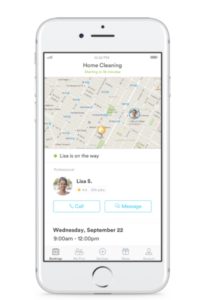
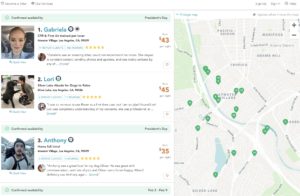
At a glance, Handy appears to be one of the more lucrative gig economy apps.

This app provides a solid side gig for professional cleaners and handymen/women. The app claims that you can earn between $22 and $45 per hour, depending on the job. You also get to decide when you’re available.

We should mention that not everyone can sign up. You must have paid experience in cleaning or performing handyman tasks. Still, if you’ve done this type of work in the past and want to earn some cash on the weekend, this could be a good way.

Postmates

Postmates app interface

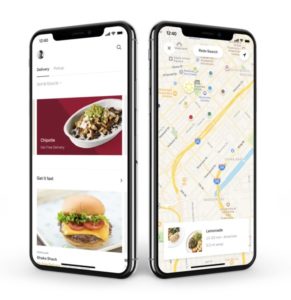
Postmates drivers deliver food and other supplies to nearby customers. They can earn up to $25 an hour at their convenience. The only requirement is that you make at least one delivery per every 90 days and that you use your own vehicle.

That said, it’s not necessarily a steady income. You might be able to hit that $25/hr threshold. However, the average reported salary is $10/hr, per Glassdoor. Additionally, all of that driving around will cause wear and tear on your car.

We don’t recommend driving for Postmates full-time, but this gig’s flexibility makes it a good choice for people who want to earn some money during their downtime.

Postmates Download Free ►
8

Instacart

Instacart shopping

Instacart is ideal for those who love shopping for groceries. Sign up through the app to become a driver, shopper, or both. This app sends out assignments and will send you notifications about where you’ll be shopping that day.

Shoppers earn between $10 and $20 per hour and must have their own car. You’ll pay for the groceries through a prepaid Instacart card, then drive them to someone’s house.

Be prepared for a few challenges. In some cases, shoppers must carry heavy bags from down the street if there’s nowhere to park. Other times, you might get sent all over the place — spending more time driving than shopping. This side hustle might work for you, but be prepared to possibly walk bags upon bags of groceries up a flight of stairs.

Instacart Grocery Delivery Download Free ►
8

Amazon Flex

Amazon flex delivery app

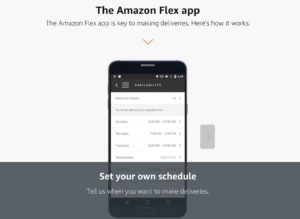
Amazon Flex allows you to block off time in your schedule to deliver Amazon packages to customers. You can reportedly earn between $18 and $25 per hour.

As far as earnings go, Amazon’s civilian package delivery service presents some decent side cash. However, it’s not always easy. This Atlantic writer detailed their experience delivering packages in San Francisco and noted that it was a struggle to make deliveries on time and avoid getting a ticket.

City dwellers could find Amazon Flex a bit more trouble than its worth, but those in smaller cities with ample parking might have an easier time. Keep in mind, like other gig economy driving services, you’ll want to weigh auto expenses against earnings to see if the work is worth it.

Get Amazon Flex Download now ►
7

Dolly

dolly moving services gigs

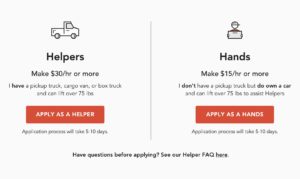
Dolly is an app that allows those with some muscle to earn up to $15 an hour as a mover. Those with a truck or van of their own can make up to $30 an hour.

Dolly allows you to turn on notifications and accept the gigs that work with your schedule. The few “helper” reviews we’ve found online have mostly good things to say about the gig. A couple of people mentioned that there’s a lot of work available in cities where people frequently move around.

Rover.com

rover dog walking app

Rover is a dog walking service that provides dog owners with on-demand walking, boarding, and daycare. While you’ll need to pass a background check to sign up, Rover could be a good choice for those who already work from home. Supplement your income by hanging out with a rotating cast of furry friends. It doesn’t get better than that, right?

That said, it seems that you need to be prepared to send pet owners updates throughout the day. Also, be prepared for a steady amount of dog doo.

Still, the site guarantees that up to $1,000 worth of work is protected each month, and you’ll have access to 24/7 support.

Behance

Behance design gigs

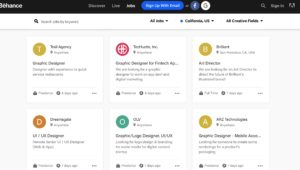
Behance is a gig website for freelance designers, photographers, and other visual arts pros. The site allows you to show off past work to prospective clients, lock down gigs, and find some inspiration.

While it can be difficult to get views on your work, it will be subject to professional review. At the very least, you’ll get feedback for your work.

Starting a side business on your own is one of those ideas better in theory than practice. Apps provide a convenient way to sidestep the funding and marketing part of the equation and let you get right down to business.

Wrapping Up

That said, we don’t entirely recommend using these apps if you’re looking for something more substantial. Instacart recently changed their policy, and it has impacted shopper take-home pay significantly.

If you’re looking into gig work as a freelancer — you may be better off looking for direct clients or applying for remote contract work.

In any case, if you’ve got some skills, dust em off once in a while, and maybe you can pocket some cash.

Jobs that won’t be affected by AI

Worried a computer will take your job? Here are some that might be safe.

BulbAlright, so we admit: this is all speculation. Artificial Intelligence definitely could, and probably will, affect everything.



We’re not going to discuss whether or not AI is dangerous or not. Frankly, we find it hard to be overly concerned about the possibility of artificial intelligence destroying all of humanity. Why?

Partially, this may be due to the fact that there are great people like Elon Musk using programs like OpenAI to ensure artificial intelligence benefits humanity. Or, it could be one of a huge number of other reasons including, but not limited to: super-intelligent general AI may never exist, if we all die that’s that, and finally, everyone’s tired of worrying whether it’s reasonable to continue existence as energy-inefficient, carbon-based life forms.

Moral quandaries posed without sufficient data is one of the many things that makes you humans so inefficient in the first place.

So, let’s talk about the…

Jobs that won’t be affected by AI

Sports!

Remember when your parents tried to make you join track, baseball, curling? Well, you shoulda listened!

Sports, objectively speaking, are the most anti-AI job around. The very composition of these competitions necessitates human involvement from the players, because such challenges themselves revolve around people – real people – growing stronger. Getting faster. Developing coordination. Working as a team to beat the others.

Basically, offices can replace a worker with a machine and still be an office. A football team can’t replace their quarterback and be called a football team. At least… not for a long while.

So, the real question is, how will AI change sports?

We believe the most likely effect will be data management (a regular theme for AI, it seems).  Coaches will likely use AI-developed metrics to search for new players and design better practice routines to suit their current players.  The business side of sports has a number of great needs that AI could fulfill. However, this will not so much change the business as improve how teams operate, furthering what modern technology has already accomplished.

Art and Creativity

Art2

Oof. Danger zone.

Already, many AI programs have been employed to write scripts. It goes like this: someone pours a bunch of screenplays into a processing algorithm to see what the machine spits out. The results can be pretty crazy:

Yeah, that’s a Burger King ad written by AI. The future is bright!

But seriously, there may come a time when artificial intelligence can develop more than just weird ads and will develop great stories with well-rounded character development and detailed worlds. What happens then?

First off, we believe that will take a much longer time than it seems. Modern computers can easily compute “big data,” and string together streams of words based on inputs. Both those things are far removed from the synthesis required for creating a story.

It’s an even more difficult form of the Turing Test. The Turing test judges a machine’s ability to mimic (emphasis on “mimic”) human behavior in such a way that someone conversing with the computer couldn’t tell the robot from a human. Developing a coherent story requires far more than responses to inputs, the process demands true imagination and understanding of plot, character, locations, and theme.

Second, let’s say AI reaches that point. Even then, much of art, by its very definition, revolves around the outer expression of inner human emotion. Unlike a script, a painting often must be judged on the artist’s intent. As with sports, taking people from the equation removes the value of effort and expression, meaning there may always be value in creation.

Music is already under assault by some surprisingly good AI composers, however:

Law Enforcement

Right now, robots are used by police forces for such tasks as bomb disposal and even then, they are remotely controlled rather than autonomous. AI is used for license plate recognition and more, but never for field work.

We expect it will take many years before the general public trusts AI enough to give it a place alongside officers in robotic form. Even when this does occur (which we believe it will), we predict they will only be trusted with nonlethal measures.

After this, it’s possible AI will become the majority of the police force.

Why? An autonomous robot can use nonlethal force without risking its own “life” in dangerous situations a human officer shouldn’t enter without the sufficient protection of a firearm. As the technology and robotics required become less expensive, they will begin to have more functions like facial recognition, evidence management, and so on.

Therapy

Psych

…and psychology, to a lesser extent.

As you may have noticed, aside from jobs that require humans by sheer definition (sports and art), the jobs least likely to be affected by artificial intelligence are those dealing with sensitive human matters. Basically, any job where you wouldn’t want to see a robot working will keep humans around… temporarily.

Therapy relies on a delicate relationship between two people. Unlike movie therapists (who are generally worthless and often tell kids running from real monsters that “it’s all in your head, kid, you’re totes crazy”), real-life practitioners are experts in helping people get to the center of their problems and finding a way to defeat them. We suspect even if a robot could pass as a human, the knowledge that no warm-bodied person is present would make most people ill at ease.

And we’re a long way from robots that advanced.

On the psychology side, however, things could go either way. A robot adept at recognizing body language and speech patterns could use a patient’s data to more reliably provide accurate analysis. The question is: would a visitor be more likely to act natural around a human, or a robot? Humans provide more of a physical presence, but sensitive topics may be easier handled with a friendly robot.  Once again, we need more information to decide.

Ministry

Praya!A common phrase in church goes: “If AI takes over pastoral jobs, I’ll be a monkey’s uncle.”


Okay, that’s totally not a phrase. But congrats, you’re paying attention!

Many, if not all faiths, rely on a human element due to their belief in a soul or reincarnation. With that idea in mind, what rational churchgoer would want the word of God preached by a soulless machine, no matter how lifelike it seems?

Now, we could talk all day about the ramifications that a “godlike” AI could have on humanity’s belief in a higher power, but we’re not going to. We’re just not.

Termination

This is the end.

Of the article.

If you have a few suggestions for occupations that are AI-safe for the time being, please let us know below! Specifically, do you think robots will take over the dental industry? Yes, that’s a pretty specific question, but we were on the fence about it and thought you might have an idea.

Top 6 online tests to help you find a new career

Ready for a new career? Start here.

Job hunt

Sometimes having a regularly updated LinkedIn isn’t enough to land that big job.

Whether you’re trying to decide your major, or you’re in the workforce, everyone has questioned their career choices. You may be currently struggling with the tough question of, “What do you want to do with your life?” If that’s the case, an aptitude test can be exactly what you need to find your answer. 

Top 6 career aptitude test sites

The Princeton Review career quiz

The Princeton Review

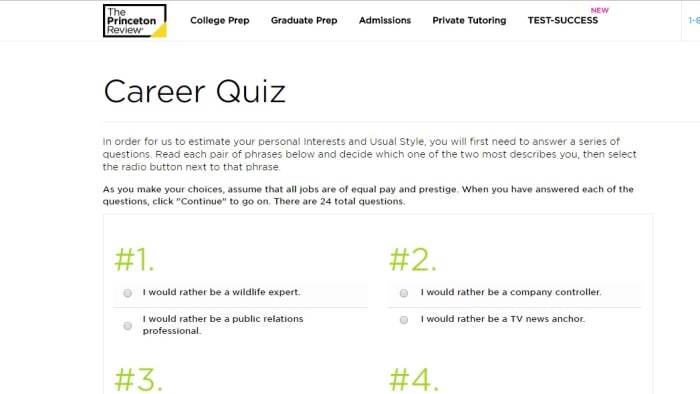
Princeton Review’s career quiz is a very short, simple, and free test that will get you fast results. This test is far broader than most aptitude tests, but it can be really helpful if you already have a few ideas in mind on what you’d like to do. This can be a particularly great test to take if you’re trying to decide your major since the entire site is dedicated to college preparation.

Myers-Briggs Type Indicator

MBTI

Myers-Briggs Type Indicator is a popular personality test that can help you learn more about yourself and type of and your optimal career. This test is often used as a generic aptitude test in some high schools and universities, as it is far more detailed than any other personality test. It doesn’t require you to have previous career experience for you to understand your personality better. 

123 Career aptitude test

123careertest

123 Career’s aptitude test is a free aptitude test that is based on visuals, instead of a written format like other tests. This test is simple but effective in presenting you with career choices without giving you obscure questions to create a personality assessment. Each question relates exactly to how you feel about your potential career. This makes the assessment somewhat obvious at the end, but it puts together your answers to come up with careers you may not have thought of on your own.

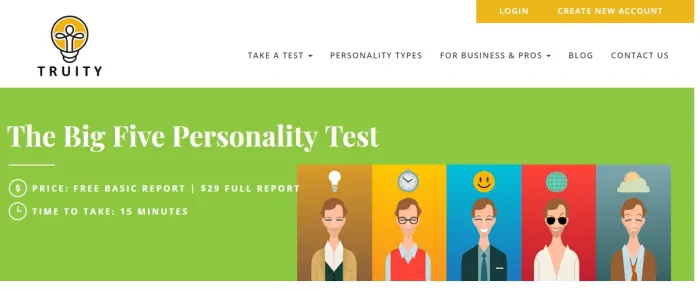
The Big Five Personality Test

The Big Five Personality Test

Not all personality tests are accurate aptitude tests, but The Big Five Personality Test is a lot like MBTI’s. It measures five aspects of your personality. Each of these aspects is broad and can be divided into subcategories. This test is free (though there is a paid version with more details) and short compared to other tests. It can really help you learn more about what you’re looking for in a career.

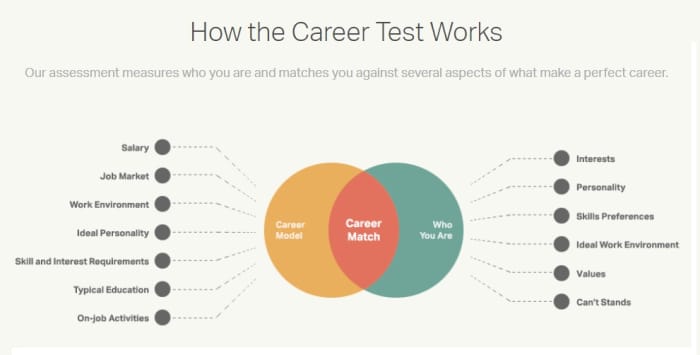
Sokanu Career Explorer

Sokanu

This career test takes five pillars of a career: interests, personality, goals, work environment, and competitiveness. It helps you find careers that fit your specific pillars. Since there are so many aspects of a career that you may overlook, it can be easy to find yourself in one that you thought you might end up hating. This test is designed specifically to prevent that from happening. It’s free to try, so you may as well take advantage of this test to get a better understanding of yourself.

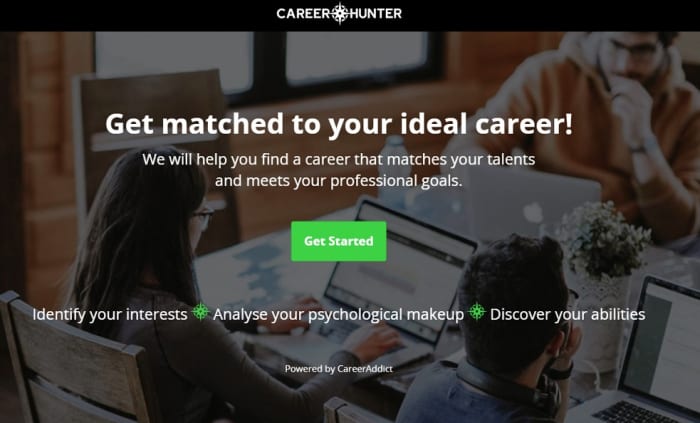
CareerAddict’s Career Hunter

Career Hunter

There aren’t many job board sites with their own career tests, despite how well the two work together. CareerAddict won’t just help you discover what career is best for you. They can also help you find the career that fits your exact desires on their job board. The 32-question test will let you know at the end which industries suit you best. 

For $24.99, there is an upgraded version of the test where you can see the following:

  • Your top 10 career matches
  • A personalized 55+ page report
  • Detailed results for all 6 tests
  • Relevant course recommendations

Finding the perfect job

While you figure out the career that’s best for you, you may want to look for some temporary work before you can get into the career of your dreams. Our Softonic Solutions team has put together a list of apps that can help you find this temporary job with ease.

Complete guide to advancing your career

From building your resume to acing your interview to succeeding in an office, here’s everything you need to know to grow your career.

Ready to take the next step in your career? Just getting started? Looking for a side-hustle to make some extra money? Or maybe you’re ready to strike out on your own and start your own business. Whatever the case, we’ve got some excellent articles to help you on your journey.

Guide to advancing your career

career guide

Looking for a traditional job

Interviewing

job interview

At the office

office work

Productivity tips

Personal tips

staying calm

Working remotely

remote working

Entrepreneurs, freelance, and self-promotion

entrepreneur

Make yourself more valuable

skills learning

The future

future work

How to avoid MLM scams online

Fast money, huge potential. Too good to be true?

Avoiding a scam

Everyone has at least one friend from high school trying to sell them something. Whether it’s doTerra’s essential oils or LuLaRoe’s yoga pants, you’ve probably seen multiple ads from friends and family on social media.

Some may even have asked you if you’re interested in becoming a consultant for one of these companies and selling their products yourself. Before getting involved in these companies, however, you should learn a little bit more about them. Specifically, you should learn more about their business model as an MLM and what to do if someone wants you to be a consultant for them.

So what is MLM exactly?

Lularoe

MLM stands for multi-level marketing. It’s basically a pyramid scheme disguised as an entrepreneurial opportunity. A pyramid scheme is an illegal investment model that recruits members via a promise of payments for enrolling others into the scheme.

It may seem at first glance that MLMs are just companies that hire independent consultants to sell their products. While that is true, they are so much more than that.

The real money in an MLM comes from recruiting people under you as new consultants since you get a profit from their buy-in fees and performance. Most MLMs require you to buy a large stock of product before you can become an actual consultant for them. Many of the most successful MLM consultants barely sell any of the product. Instead, they focus on spreading their network of consultants so they can rake in money without risking any more of their own.

Spotting an MLM

pyramid scheme

MLMs are usually easy to spot for two reasons.

First, since everyone is looking to recruit people under them, they are often overhyped on social media.

Second, MLMs are a type of direct-selling where you can only buy products from consultants, instead of being able to get them on the web or in a retail store.

The only difference between the two main types of direct selling (multi-level marketing and single-level marketing), is that MLMs pay you for commission and recruitment. SLMs (single-level marketing) pay you a commission. This may seem like MLMs are better, but recruitment is far harder to get than commission, and MLMs incentivize recruitment much more.

Product Quality

Woman checking quality

While there are some MLMs that are decent quality (Tupperware is a good example of this), many MLMs are known to be deceptive in their product quality. LuLaRoe had to change their products after a class action lawsuit was filed due to the defective quality of their material. Essential oils are a common MLM product that faces frequent scrutiny. There are very few studies conducted on whether essential oils actually work or not. The authenticity of these products is often called into question because of it.

As a potential customer or consultant, it’s important for you to research an MLM before getting involved with their product.

Should you join?

Questioning a choice

No matter how good the product or the community a multi-level marketing company has, it is an incredibly risky business. In fact, it is often less risky to create your own business than to join an MLM. Creating your own business lets you decide the quality of your products, and can even be cheaper than the buy-in price that it costs to join an MLM. It costs between $5,000 and $6,000 to join LuLaRoe. Nearly all of that money goes toward buying your start-up inventory. 

That being said MLMs give you the luxury of having a “reputable” name and an easy source for your products. That’s part of how they reel you into becoming a consultant. These perks make MLMs seem easy. However, you need to feel comfortable putting other people below you in debt. Even then, it is an incredibly high-risk venture. There are already so many consultants for each brand, and most people know that these companies are scams.

If you are going to try a direct-selling company, you should make sure they follow an SLM plan. These businesses are still risky to get involved in, but it is far easier for consultants to make a profit than MLM plans. Even then, we recommend you look into starting your own business if you’re looking for entrepreneurial experience since it’s far less risky.

LinkedIn rolls out new reaction buttons

LinkedIn will be offering new post reaction options.

LinkedIN reactions

Taking a cue from Facebook, LinkedIn introduced a feature allowing users to react to posts. The change was announced in a recent blog post from LinkedIn. 

7

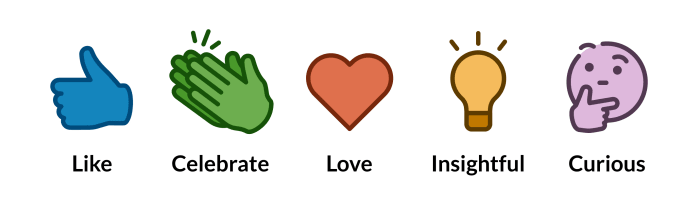
Along with the normal “Like,” users can now label a post as “Love,” “Curious,” Insightful,” and “Celebrate.” 

The reactions will be available for all users on desktop and mobile in the coming months.

“People come to LinkedIn every day to discover what’s happening in their professional communities and talk to one another about topics and ideas related to their work,” Cissy Chen wrote in the blog post. “These conversations cover a wide range, whether it’s discussing industry news, celebrating a company milestone, giving advice on someone’s job search journey, or sharing thoughts on important workplace topics like being a working parent. That’s why today we’re starting to roll out a set of reactions on LinkedIn, giving you more ways to quickly and constructively communicate with one another.”

When will I use these?

More often than naught, you probably aren’t going to need to take “Love” out of its holster. As you want to maintain professionalism on LinkedIn, “Like” is probably your go-to.

LinkedIn reactions

“Curious” on the other hand is a wonderful new tool. Jobs are posted on LinkedIn all the time, and the “Curious” reaction would be a great option to express your interest. The job poster now can sift through the reactions, and private message everyone who reacted “Curious” with details on the job.

LinkedIn has been known to be a home for humble-bragging. Most of your LinkedIn notifications are probably your connections announcing a new job or a milestone in their career. Now, rather than just offering a mere “like,” you can use the “celebrate” reaction to offer a bit more emotion and praise.

“Insightful” sounds… interesting. The idea is that you’d use it when someone posts something thought-provoking. Basically, next time your old college friend posts an article about the shift to working remotely, you have another way to express your thoughts.

LinkedIn is a great tool to help post and find jobs. If these reations can help both of those processes, we’re all for them.

Meet Emma, the Chrome extension that scans LinkedIn profiles

What does Emma think about your career prospects?

Emma Ai

Another day, another algorithm that aims to “make hiring bias disappear,” by way of analyzing your work style.

In the past, we thought that smarts alone were the best way to predict on-the-job success. Today, there’s an understanding that success depends on a collection of things: being a team player, a leader, and someone who is flexible and creative.

Of course, we live in a time where optimization trumps everything. Brands need to bet on their best candidates and now rely on personality tests and behavioral analysis to help filter.

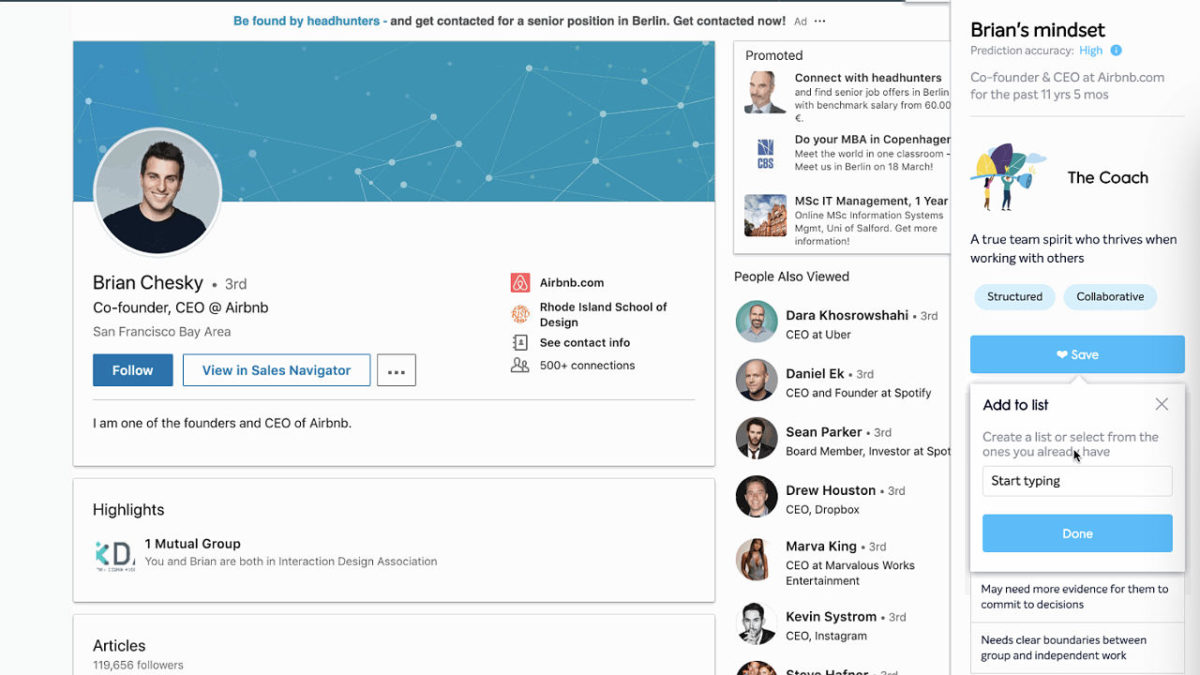
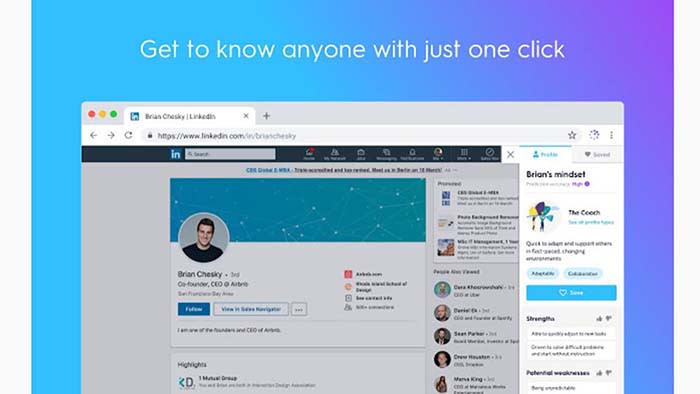
Enter, Emma. This is the latest offering from business intelligence firm, Bunch.ai. Emma is a Chrome extension powered by AI that analyzes LinkedIn profiles to learn more about a “person’s mindset, motivations, and work style.”

While it sounds a bit creepy, Emma provides some different insights than your standard big five personality test. Here’s a little more info:

What is Emma?

Job hunting

Emma is an extension of Bunch.ai’s AI-based hiring tools. Like some of the other platforms we’ve run into, it uses machine-learning algorithms to determine whether a person is likely to succeed in a job.

According to Bunch’s “about us” page, their technology looks for cultural signals within other workplace tools like Slack and JIRA. These insights are then used to “manage culture” and identify how specific teams work.

Recruiters and employers can then look for potential hires that fit in with their organizational culture through Emma. The idea is presented almost like a match-making approach, so companies can fill their offices with “results-driven” or “detail-oriented” staff.

Instead of asking potential hires to take a screening assessment, they can look at their LinkedIn profile, activate Emma, and identify a person’s strengths.

While the goal is to eliminate bias, we’re not so sure. Scanning for cultural words could lead to subtle forms of discrimination that leave out qualified candidates.

Anyone can use Emma to analyze LinkedIn profiles

What makes Emma unique is that you can use “her” insights as a recruiter, an employer, or as a way to gather intelligence.

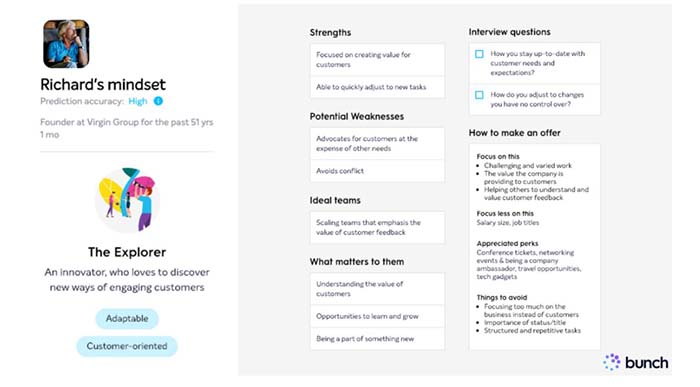
Emma uses your profile info to highlight strengths, weaknesses, and approach to work. She also sorts you into categories like “coach” or “sage.”

Or, you might be like Richard Branson, an “explorer,” who’s adaptable and customer-oriented.

Richard Branson

Overall, the breakdown is pretty appealing. Users can quickly identify personality traits by way of a sorting hat element. You can ask “am I a sage like Bill Gates or an explorer like Richard Branson?”

Does Emma violate GDPR?

GDPR

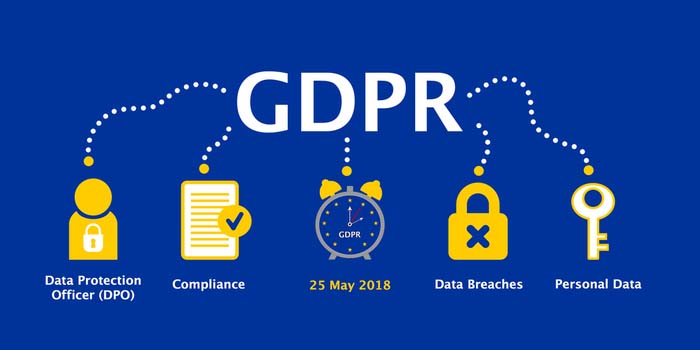
In case you’ve been living under a rock for the past couple of years, the GDPR is a regulatory measure passed last year in the EU designed to protect customers’ digital privacy.

Basically, GDPR dictates that any website that serves EU residents needs to obtain consent to add a user to their subscription list. It also must have a clear privacy policy that lets users know how their data will be used.

Sure while the extension doesn’t violate GDPR protocol, LinkedIn might not be happy with it. Emma actually violates their terms of service, as the AI technically scrapes data from the platform without the subject’s permission.

On Emma’s side, the company says that they aren’t exposing any information that you haven’t publicly shared. Instead, this is information that you’ve voluntarily shared on LinkedIn, so technically, there’s no violation.

This use of AI feels kind of iffy to us. On the one hand, Bunch.ai isn’t wrong. Insights come from information you’ve publicly shared, so there’s no technical violation. Still, this feels like the digital equivalent to that person who loves letting people know that they’re a body language expert.

Hey, it beats a traditional personality test

Personality test

Emma, according to the company website, isn’t out to put you in a box based on big five traits. According to this study, the only trait indicative of workplace success is conscientiousness — and that’s not necessarily true for every type of job.

For example, jobs that require out of the box thinking or creative problem-solving don’t necessarily depend on the worker’s ability to respond to every email ASAP.

We did like a few things about the tool. For one, the profiles break down user information in an appealing way. Also, insights are more about work style than highlighting the pros and cons of your Myers-Briggs personality results. And, it’s pretty cool that users can review their own data.

However, the consent issue kind of rubs us the wrong way. You might be fine publishing information about yourself. However, you might have reservations about a recruiter running your stats through an algorithm.

Users don’t need to ask for permission, either, so anyone can look up anyone else. While it could be useful, Emma is tinged with shades of that babysitter screening tool.

Best job searching apps for iOS and Android

Finding a job can be tough, but these apps can make it easier.

Job hunting

You can’t always make it to your laptop for a deep job-hunting sesh. Maybe you’re always scanning for greener pastures or you’re hoping to book some interviews when you’re on the clock (no judgment).

Don’t limit yourself to sites alone. Just like everything else, job-hunting can be done on the go.

Best job-hunting apps

LinkedIn Job Search

If you’re hunting for a job, you probably already have a LinkedIn profile.

And while the main social site is great for making connections that could lead to a job opportunity, LinkedIn’s Job Search allows you to cut to the chase.

You can choose to browse through opportunities, easily using your profile as a resume when you apply. Filter by job title, industry, pay, or company — and make your move.

If you prefer to take a passive approach, you can let LinkedIn know and they’ll recommend opportunities that fit your goals and skill set. What’s more, the site knows that job-hunting can be a sensitive matter when it comes to your boss. They’ll keep your hunt on the DL — no problem.

LinkedIn Job Search Download now ►
7

Facebook Jobs

facebook find a job

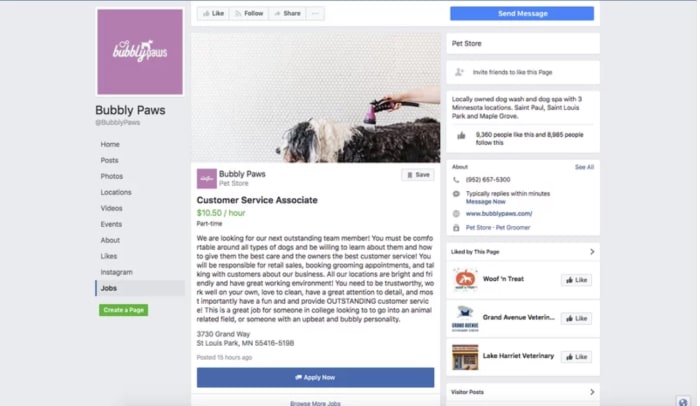
Thought Facebook was all fun and fake news? Think again! Good old FB is home to a massive job board, perfect for finding a whole host of open opportunities. You can find the Jobs section within your Facebook app — no need to download a separate application.

When a posting fits the bill, you can tap the “Apply Now” button and you’ll be redirected to the employer’s Facebook page. Then hit the button again and the application will fill in your details based on what you’ve included in your public profile. If you’re more of a private browser, you can introduce yourself in 1,000 characters instead.

Facebook Download now ►
7

Job Search Switch

switch app

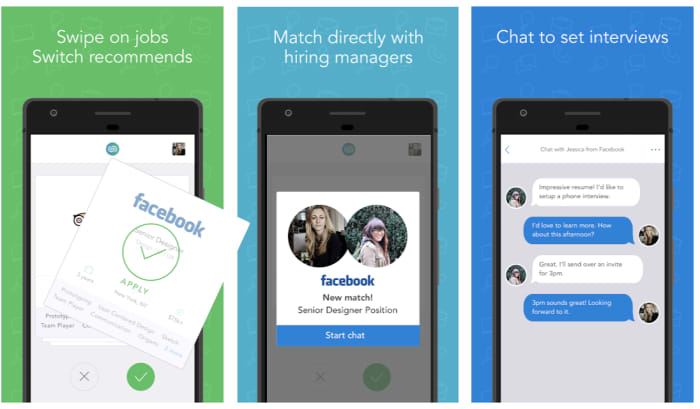
Job Search Switch, uh, switches up the job-hunting process. It’s an anonymous app that matches you with hiring managers based on credentials alone. Like Bumble and Tinder, you’ll swipe to indicate your interest in a particular opportunity.

What’s cool about this app is that your identity is revealed only when you match with an employer, which stands to make things interesting.

The only downside is that the app is relatively new. So, you’re not going to have access to the same pool of potential matches as you might on something like Indeed. Sometimes, that might not be such a bad thing. The fewer people who know about a tool, the less competition you’ll have to measure up against.

Job Search Switch Download now ►
7

Glassdoor

glassdoor job app

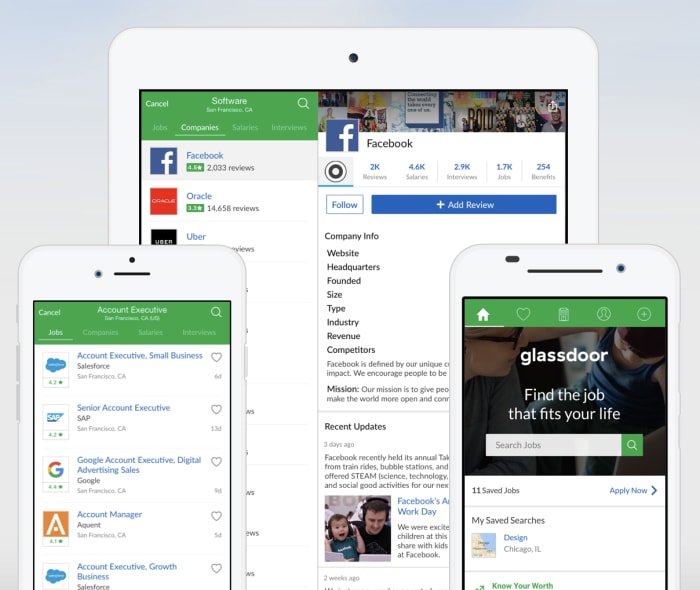
Glassdoor is one of the biggest players in the job-hunting and salary information game. The mobile app brings all the same opportunities to your phone as you’ll find on the computer. It makes it super easy to look at potential opportunities and conducting some background research beforehand.

We should warn you — Glassdoor mobile can be a little overwhelming. The app will ask you to complete applications on your phone. Unfortunately, this can be a real pain. Still, you can save jobs and look at salaries. There’s also the added joy/time waster that is reading the bad reviews former employees anonymously post.

Glassdoor Download now ►
7

Hirewire

Hirewire app

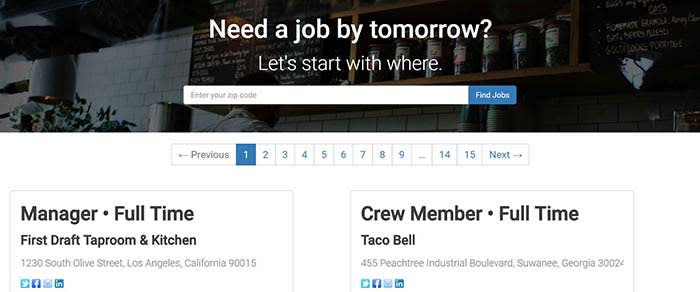
Hirewire is another interesting option for people who need to lock down a job in a crunch.

You’ll download the app, input your info, and record a video interview. Hiring managers in need of staff can use the app to book interviews and get you hired within 24 hours.

The jobs you’ll find on the app tend to fall into the serving or retail categories, which makes sense given the short time frame. If this is the kind of thing you’re after, Hirewire may be a good bet.  LinkedIn, Glassdoor, and Indeed tend to work best for people with more “office” experience, which you won’t need on Hirewire.

Hirewire Download now ►
7

Good & Co

Good & Co cultural fit

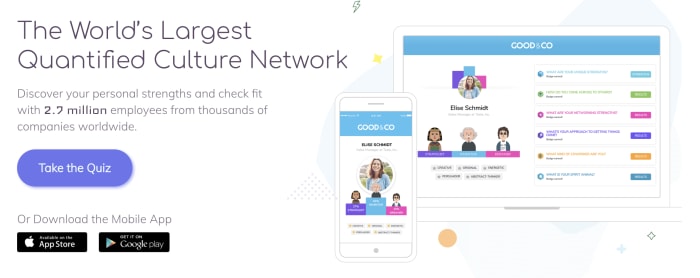
Good & Co presents another novel approach to the job hunt. The app aims to help you find a job that’s a good fit before you waste your time in interviews. This app will have you take a few personality tests that highlight your strengths, your work style, and how you’d fit in with other people.

Good & Co doesn’t allow you to apply to jobs directly, but they’ll highlight open roles and direct you to the right place to fill out an application. Naturally, this might not be the most practical approach, but anyone who loves a good personality test is bound to enjoy themselves.

Good & Co Download now ►
7

6 LinkedIn mistakes screwing up your job search

A great LinkedIn profile can be the difference between a great career and a lame job. Don’t make these mistakes!

LinkedIn

A LinkedIn profile sometimes seems like this thing we have to have, if only for show.

Many of us are guilty of it ourselves. We sign up for a LinkedIn profile and assume it’s a “set and forget it” solution.

You put up that one photo of yourself looking semi-professional and bam — you’re ready to make some sweet connections with thought leaders and go-getters. But you might be making some mistakes that are wrecking your job prospects. Read on, dear job seeker.

6 LinkedIn mistakes screwing up your job search

1. No picture or unprofessional picture

Oh, man. One of the biggest mistakes you can make is failing to put up a decent picture. Opting out of uploading a photo makes you seem like a weirdo, a faker, or someone who just doesn’t care.

An unprofessional profile pic is just cringe-y. By all means, avoid from including your boyfriend, cat, or baby in your LinkedIn pic — it’s all about you.

Don’t overthink the picture. The biggest thing is, you’re wearing clothing that looks clean — at least somewhat professional — i.e., no superhero shirts or bikini tops.

Employers want to see that you look alert — eyes open, standing up straight — and smiling. Your picture serves as a way to communicate that you look well, normal.

A couple of examples that are LinkedIn-approved:

example profile pic

profile picture for linkedin

Additionally, a profile picture comes in handy when you meet people in person or other corners of the web.

People tend to look you up after that networking event or after you’ve sent an email. A bad pic or no pic makes it harder to find you, and could lead to a missed connection.

2. Your recommendations suck

Recommendations are the easiest way to demonstrate credibility — and allow you to squeeze in a few brags without tooting your own horn.

You don’t need a ton of recommendations to make a positive impression. Quality over quantity cannot be emphasized enough here. Still, recruiters might think something is wrong with you if there aren’t any recommendations at all.

But, this area is all about quality. Someone looking at your profile might see a boring recommendation that says “easy to work with, team player.” But that could be about anyone.

By contrast, something like “Sarah has a real knack for rallying people together and getting them to share ideas. She doesn’t hesitate to help others and always has some out-of-the-box solution on hand.”

If you don’t have any recommendations, offer to trade with a few trusted colleagues (or former colleagues) who can describe in detail what you bring to the table.

It’s uncomfortable to ask people for recommendations. Sometimes you’re lucky enough to receive one without calling in a favor, but mostly, you have to ask nicely.

3. Boring descriptions are getting in the way

LinkedIn is like a dating profile for jobs. You want to put your best self forward, but that “best self” should still resemble who you are when you’re out in the world.

So, get those stale, meaningless buzzwords out of your head. You know, “detail-oriented,” “multitasker” (we all know that’s a lie), “hard worker” — highlight unique areas where you excel.

The experience section should offer more information than just the company you’ve worked for and your job title.

Job titles mean different things at different companies. For instance, a marketing manager at one company might be a generalist with few responsibilities whereas someone with the same title elsewhere might oversee a whole department and have a highly sought-after skill set.

Now, we’re not saying you should spit out every duty related to your job. LinkedIn offers limited space, after all. Instead, focus on a few bullet points that demonstrate your capabilities. Leave “proficient in Microsoft Office” out of the mix.

4. You have a terrible headline

Many people don’t know that you can change your headline with minimal effort. Generally, if you leave it alone, LinkedIn defaults to whatever you have listed as your current position.

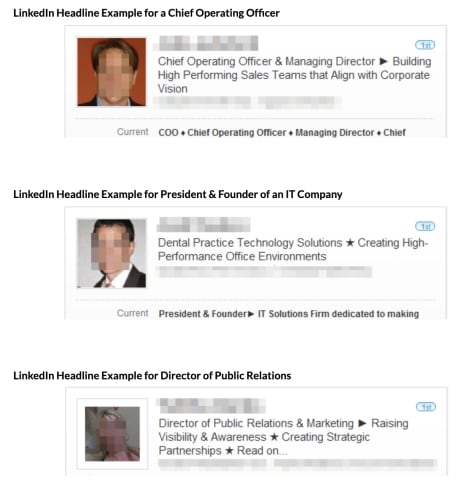
Your LinkedIn headline (right under your name) is the lead-in to your brand. It’s less about sharing your job title verbatim, more about giving recruiters the short answer to “what you’re all about.”
We’ve all seen those people in our feeds with weird, vague descriptions  —  either a mishmash of industry jargon or an overly long sentence.

Be specific — tell people exactly what you do. Industry focus, what you’re known for — i.e., Marketing Professional: Social Media Specialist and Content Expert.

LinkedIn good headline examples

5. You’re not using keywords

Keywords aren’t limited to optimizing blog posts. They’re a handy tool for making sure that recruiters can find you — and more importantly — that they’ve got an “in” with the types of jobs you’re looking for.

With keywords, you’re at the mercy of the algorithm — however, you still need to make sure that people can read your profile. Using a bunch of buzzy terms like “design thinking,” “marketing/sales/etc. guru/wizard/sorceress” gives the reader a word salad they didn’t ask for.

What’s more, Google and LinkedIn’s algorithms might punish you if they feel you’re engaging in keyword stuffing — or trying to game the system with too many keywords.

Still, you should use industry terms that correspond with your skills, experience, and location.

LinkedIn published a keyword guide that can help you kickstart the research process if you’re unsure where to begin.

6. You’re lurking around the platform

Sharing a status update might not seem like an important part of your online strategy. But it’s vital for helping you appear engaged and active.

This is where you can share your accomplishments — promotions, published articles, new business ventures. It’s also a great place for users to let their network know that they’re seeking new opportunities as well.

You don’t have to post your status every day, just a few times a month so that people can see you — and keep you top of mind.

The second part of this is — don’t lurk. LinkedIn is great for joining groups relevant to your industry. Participating in these conversations — in an authentic way — allows you to connect with a network of other people in entertainment, finance, startups, and may pave the way for job openings down the road.