If you fear the dark web, stop trusting Google

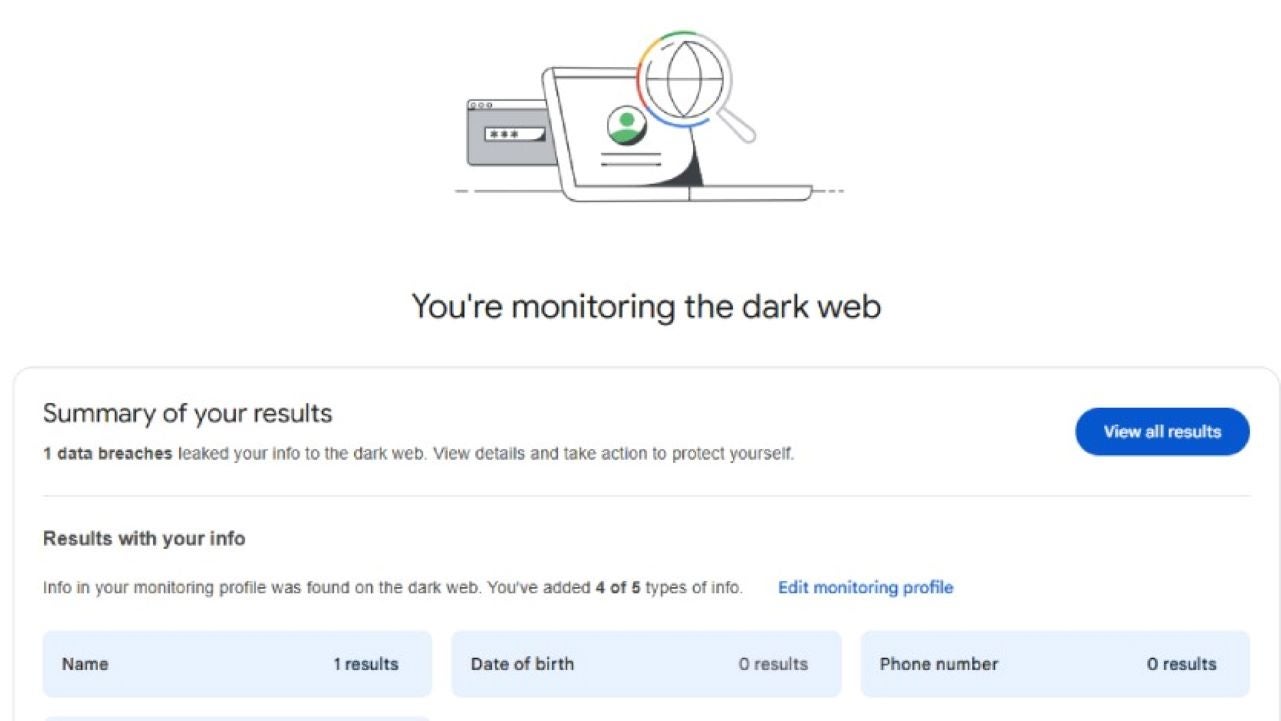
Google has announced that it will end its dark web reporting tool in February 2026, less than two years after its launch in March 2023. The feature was designed to help users monitor if their personal information appeared on the dark web, an area of the internet where stolen data is often traded. If you appear on the dark web, tough luck According to the company, scans to detect new breaches on the dark web will be suspended on January 15, 2026, and the tool will cease to exist on the 16th of […]

Google has announced that it will discontinue its dark web reporting tool in February 2026, less than two years after its launch in March 2023. The feature was designed to help users monitor if their personal information appeared on the dark web, an area of the internet where stolen data is often traded.

If you go out on the dark web, bad luck

According to the company, scans to detect new breaches on the dark web will be suspended on January 15, 2026, and the tool will cease to exist on February 16 of that same year. The decision is based on the feedback received, which indicated that, although the tool provided general information, it did not offer useful and clear steps for users to protect their personal information.

Google has expressed its intention to redirect its efforts towards developing tools that provide more specific and useful steps for online security. As part of this closure, the company promises to delete all data related to the dark web reporting tool once it is retired, although users have the option to delete their monitoring profile before the closure date.

Initially, the tool helped combat online identity fraud by allowing scans of personal data such as names, addresses, emails, phone numbers, and Social Security numbers. In July 2024, Google expanded this functionality to include all account holders, not just Google One subscribers.

Likewise, the company advises users to strengthen the privacy and security of their accounts by creating phishing-resistant passwords and applying multifactor authentication (MFA) methods. Additionally, they are suggested to remove their personal information from Google search results through the “Results about you” tool.

5 Myths and truths about the dark web

This is all you need to know about the dark web and some myths you shouldn’t believe.

Myths about the dark web

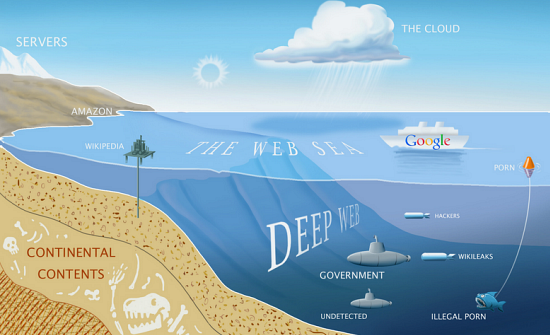
The dark web. As if the name doesn’t say it all already! Imagine an iceberg floating in the ocean. We can see about 10% of the iceberg above the water with 90% hidden below the surface. What we see is the popular image of icebergs that everybody is familiar with but hidden out of sight lies something more, something that is there but that not many people know too much about. This is kind of what the dark web is like when you think about the world wide web instead of icebergs. What we see and what everybody thinks of as the internet is just a small part of the overall web. The dark web is the vast part of the internet that most people don’t see.

What exactly is it though? Well, that is what we’re here for today. As most people don’t know too much about the dark web, rumor and myth can take hold. We’re here today to give you a clearer idea of what the dark web actually is and bust a few common web myths that are swirling around the internet.

What is the dark web?

deepweb

The dark web is the internet that you can’t find through search engines like Google or by clicking on links. The dark web goes beyond things like the BitCoin cryptocurrency and darknet markets like The Silk Road and, in fact, contains around 550 billion documents, which is a lot more than the 1 billion documents that the regular web has. It is very very big. Basically, it is everything that is online but isn’t easy to find. This is fact but it leads into our first common myth about the dark web.

Myth #1 You need special equipment to access the dark web

There is a commonly held misconception that only hackers and people with specialized computer abilities can access the dark web. This isn’t true. You don’t need special server banks or super-powered routers to access the dark web. Not at all. Instead, all you need to access the dark web is a web browser called Tor.

The Tor Project offers a free web browser that allows you to access the dark web. You can’t access the dark web without it, and it works by anonymizing and hiding your browsing activity. Tor, just like 95% of all the content you’ll find on the internet, is free to access.

Myth #2 The dark web is the same thing as the deep web

Both the dark web and the deep web are commonly referred to like each other. In fact, there are technical differences between the two.

The difference between them is how you collect information. The deep web refers to content that is usually locked up behind passwords and held in restricted forums. You can’t access these sites via search engines, but you don’t necessarily need Tor to access them. The Dark Web is all the information that can only be gathered by users who’ve anonymized their traffic using a web browser like the Tor Network.

Myth #3 It is illegal to access the dark web

This is just completely untrue. To the extent that even social media sites like Facebook have a presence on the dark web. In fact, it wasn’t long ago that Wikipedia set up a dark web page called the Hidden Wiki so that people in parts of the world living under government censorship could access the world’s biggest encyclopedia. It is in exactly these parts of the world, however, where it becomes a bit of a grey area.

In countries that like to keep tabs on their citizens and limit what they can see on the internet, the governments usually have laws against encrypting your data. As you need to use Tor browser to access the internet, which anonymizes and encrypts your data, it could be illegal to use Tor browser and therefore accessing the dark web would be illegal, even if there is no explicit law against it.

The other thing you need to consider is that due to its anonymous nature the dark web is filled with illicit information that could be illegal to access.

Myth #4 Only criminals use the dark web

Whereas anonymity does attract a certain kind of cybercriminal and deviant, there are plenty of other people who use the dark web. Sure you can hire a hitman, buy illegal drugs, download child pornography, and do other disgusting illegal activities but there are plenty of normal activities people do on the dark web. Things like socializing, sharing images and movies, and generally using and surfing the web in a similar way to how they browse the regular web.

Like we’ve already mentioned the dark web offers a way for people living under restrictive governments to access controlled information. The dark web also gives journalists and whistleblowers a safe way to communicate without fear of recrimination. They should still be careful, however, because of the final myth we’re going to bust.

Myth #5 You’re completely anonymous when you’re browsing the dark web

If you’re a journalist, whistleblower, or anti-government activist you’re going to have to take some further anonymity precautions than the baseline offered by the Tor browser. Although Tor was built to keep you anonymous and is needed before you can access the dark web it cannot guarantee your privacy on its own. A study concluded that Tor is not “…completely verifiable on the Dark Web.” This shouldn’t come as a complete surprise, however, when you consider just how seriously some governments take their efforts to oppress their people.

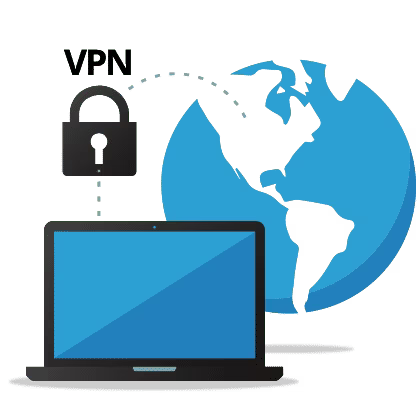
The good news, however, is that when combined with another privacy-protecting tool, Tor and the dark web can go a long way to keeping you safe. Using a strong VPN program when accessing the dark web, using Tor, will further enhance your privacy by masking your IP address and encrypting your data even further before communicating with your internet service provider. VPNs can even go so far as to hide the country you’re accessing the dark web from. If you’re busting out government secrets in China, a strong VPN can make it look like your connecting to the internet from the US.

Is the dark web really such a scary place?

Curious about the Dark Web? Here’s what you should know.

dark web

You’ve seen the commercials. The ones that run late at night, seemingly for the express purpose of scaring old people.

“Your information could be on the dark web…” Spooky….

So, what’s the deal, is the dark web as dangerous as the ads would have us believe?

Here’s a dark web primer — a little background on the dangers lurking, and the benefits of going dark.

What is the dark web?

The dark web is the part of the internet that isn’t indexed by search engines. Websites and networks included in the dark web are heavily encrypted and hidden from your average Googler.

The dark web is actually one subsection of the deep web. Deep and dark are often used interchangeably, but there is an important distinction between the two terms.

The deep web covers all parts of the web currently hidden from the average internet user. It’s essentially a whole mess of data, web pages, or anything that requires credentials to view. This includes website backends — just about every website has some elements that live on the deep web.

While it’s true that a ton of illegal activity does take place here, the dark web is also a super private way to access the web — a haven for those who live in areas with strict speech regulations and banned content.

Where a lot of people get confused is grasping the concept of how one actually logs onto the dark web.

Generally speaking, you’ll need to invest in some tools; a good VPN, which obscures your online activity from the government and your internet provider, as well as a new browser.

The most common option is Tor, a private browser that lives on a USB drive, rather than your computer. There are other options, too — but you may want to read some forums for best practices before diving right in.

Why the dark web has a bad rep

The main reason the dark web has a reputation for being the seedy underbelly of the network is, well, it really does play host to the internet’s criminal activity.

You can buy drugs, guns, and credit card numbers, access hacked Netflix accounts, and find software that helps you break into other peoples’ computers.

It’s important to know that the dark web does not exist for criminal activity alone. There are some perfectly valid reasons for being there.

Aside from guns, drugs, and illegal porn, here are a couple of reasons you might opt to go dark:

Access to hidden services

Hidden services are sites protected by Tor, and therefore, not accessible to those using Google or Firefox. Websites protected by Tor are visible to the public, but their IP addresses are hidden from view.

Anonymity

In this day and age, it’s not surprising that some people want to sidestep all of the data collection methods, ad tracking, and other privacy issues facing the mainstream web. In some cases, people live under governments that track their online activity.

The dark web can keep dissenters protected online, especially in cases where they could be in danger should their identity become known.

Others just want to browse the web securely. While most people don’t care too much if Google has access to their data or Facebook pushes targeted ads, others are deeply troubled by the current state of things. The dark web presents an opportunity to opt out without ditching technology altogether.

Are there actual dangers with visiting?

circuit

Yes and no. The biggest dangers on the dark web apply to those actually engaging in illegal activity. It is not illegal to access this hidden part of the web.

If you’re trying to buy drugs or credit card numbers, you run the risk of undercover law enforcement tracking you down. And there are all of the usual risks associated with doing business with criminals: fraud, blackmail, and other forms of exploitation.

Less obvious is the risk of exploitation. There are a lot of bad actors, with sophisticated hacking skills. As such, people could be identified during their visit, tricked into providing information, and subject to malware hidden in downloads.

Best practices for the dark web

While accessing the deep web isn’t the big deal those exploitative late-night commercials make it out to be, there are some safety precautions you wouldn’t usually need to consider while online.

Never use your real name, email address, or photos. You’ll also want to avoid using any passwords you use on the “regular web.” Any snippets of your life can potentially be used against you.

Disconnect your microphone, tape up your webcam, and turn off the sound. Additionally, we should mention that your camera can be accessed even while turned off.

It might sound crazy, but hackers can find their way into your videos and photos, as well as record your voice without your knowledge.

Naturally, if you want to dive into the dark web, you should really spend some time researching the place before you go — you know, just like you might do ahead of a trip to a foreign country.

A good place to start is this guide, posted on, you guessed it, Dark Web News.