What has really happened at Burning Man?

The eco-healthy festival, which tried to recreate the hippy nature of the 60s but at $400 per ticket, has been, to no one’s surprise, an absolute fiasco.

When, three years from now, you watch a Netflix documentary about the disaster of Burning Man 2023, remember this article. The eco-friendly festival, attempting to recreate the hippie nature of the 60s but with a $400 ticket price, has been, unsurprisingly, an absolute fiasco. Sooner or later, it had to happen, much like the Fyre Festival or a more modern Woodstock. There were talks of Ebola and people being besieged, but… What has really happened at Burning Man?

Google Maps DOWNLOAD

I’m burning

Burning Man was born in 1986 in the silliest way: a group of young people built a wooden figure of a man and burned it, repeating the ritual in subsequent years on the San Francisco beach. Things started to get out of hand when the original group of 35 people grew to 78,850 attendees in 2019, and Burning Man was charging between $190 and $1,400 per ticket. Additionally, it changed its location to the Black Rock Desert in the middle of Nevada.

Even during the pandemic years, around 20,000 people would gather to burn the wooden man and connect with nature. The problem is that this year, approximately 73,000 people attended, paying between 225 and 2,750 euros for a ten-day experience… And it has turned out to be one of the biggest chaotic events in the history of such gatherings.

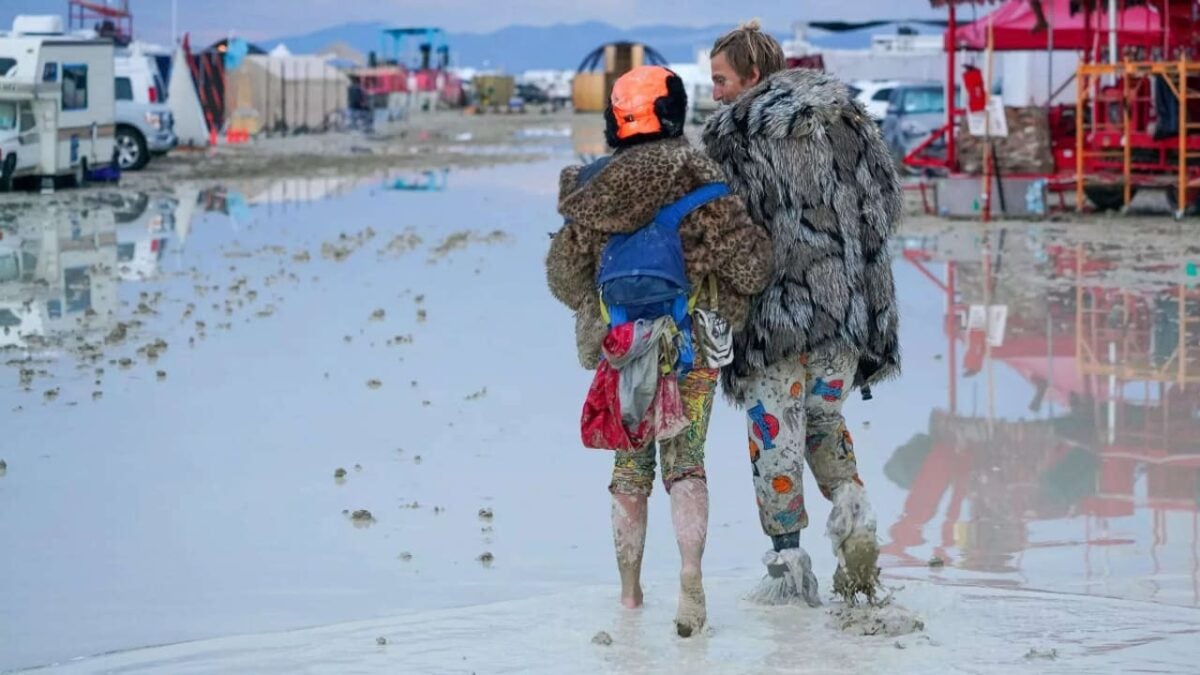
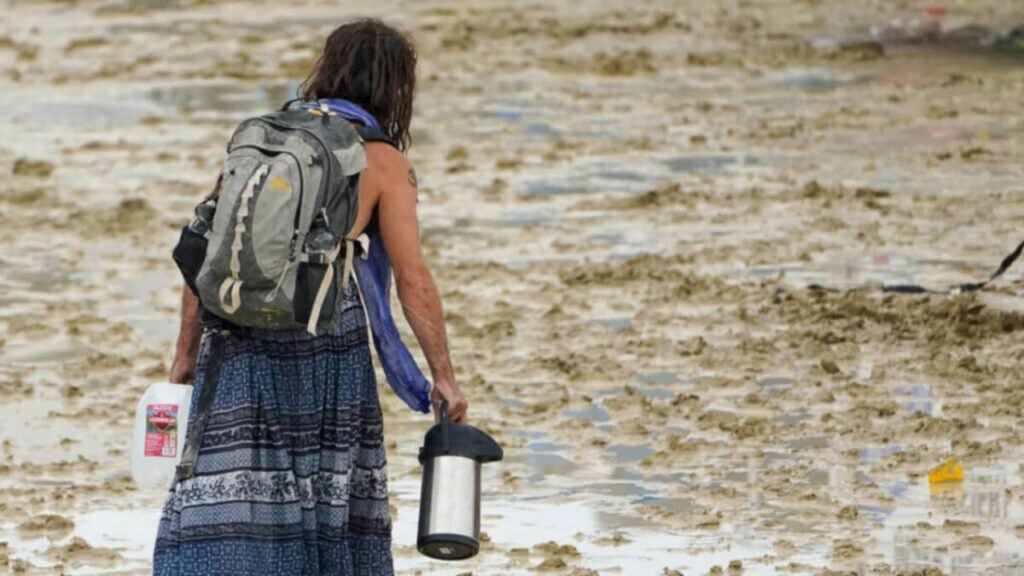
The camp where this “city” (as they call it) is usually established was completely flooded, leaving all its attendees stranded without clean water and, of course, without portable toilets. They wanted to live self-sufficiently, didn’t they? Well, there you have it, a perfect experience. Some people, like Chris Rock, managed to escape in a van in time, but most were trapped, unable to go anywhere, and turned the venue into pure mud.

The gates were closed, people en route had to turn back, and those still there had to ration their canned goods and survive as best they could. Sounds appealing, doesn’t it? So far, one person’s death has been reported, which will likely put an end, at least temporarily, to the “art and culture” festival that had been organized for nearly 40 years. There are no activities, no music, no food, and certainly, no one had the desire to burn a wooden figure. At least there wasn’t Ebola. That’s something.

Google Maps DOWNLOAD

Some of the links added in the article are part of affiliate campaigns and may represent benefits for Softonic.

Shocking Twist in Family-Friendly Gaming: Board Game Lets Characters Face Suicide and Financial Ruin

It was clear what he had to do: one who would teach virtues in life until he reached old age: the then longed-for 50 years. Thus was born ‘The checkered game of life’.

The 1860s were not exactly a bed of roses in the United States: over the next 40 years, more than 14 million immigrants would arrive from all over the world, the Civil War divided the states, and there was a need to educate citizens to live virtuously rather than in toxicity. That’s where a board game came into play, which over 150 years later is still being published: ‘The Game of Life’.

Monopoly Plus DOWNLOAD

To… play?!

Milton Bradley, known as MB in Spain, was a self-made man who was born in the tumultuous year of 1836 and, at the age of 24, started a factory dedicated to publishing lithographs that eventually transitioned into board games. And it was no trivial matter: during those times in the 1860s, games of any kind were considered sinful and even “instruments of the devil.” It was clear what he had to do: create a game that would teach virtues in life, leading up to the longed-for age of 50. And thus, ‘The Checkered Game of Life’ was born.

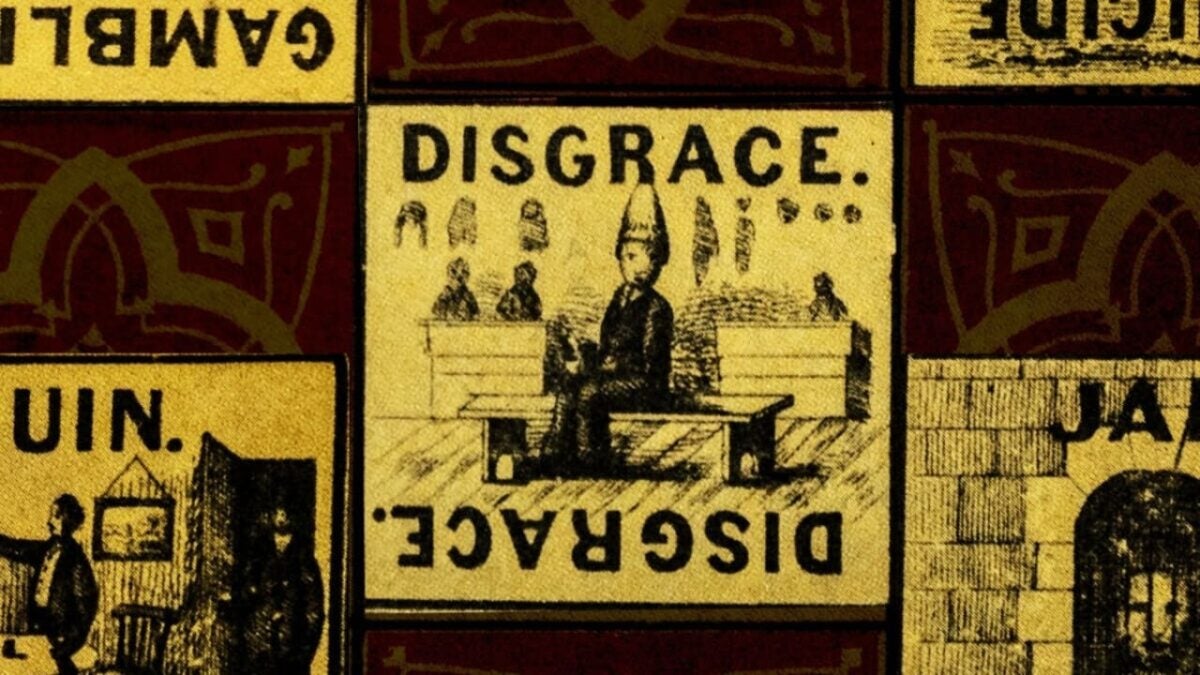
To achieve this, he chose different possibilities that a life could take and assigned positive or negative points to each of them: poverty, ambition, education, childhood, gambling, politics… The goal was to reach one hundred points and land on the special square that would award you half of them: Happy Old Age. You could attain wealth or government contracts, but what was most intriguing is that a square was included in which landing would result in the end of the game: suicide.

In 1860, they didn’t beat around the bush. In this game of morality, it was possible to end up in jail and miss a turn, go bankrupt… or end your life by hanging from a tree. Immediately, your token would be removed from the game because “How can anyone continue their journey to Happy Old Age after committing suicide?” From 1866 onwards, that square removed the depiction of a person hanging from a tree and became a simple wild card where nothing happened. Imagine the traumatized children of that time.

Interestingly, to avoid using dice, which were associated with gambling at that time, Bradley counted the points using a hexagon that he would spin on the board. One hundred years later, ‘The Game of Life’ was reissued, completely changing the board and the moral aspects, turning it into the game that continues to exist to this day. It now has versions featuring ‘The Simpsons,’ ‘Hello Kitty,’ ‘Pokémon,’ and even ‘Star Wars.’ However, suicides are no longer part of the game… or at least, we hope not.

Monopoly Plus DOWNLOAD

Some of the links added in the article are part of affiliate campaigns and may represent benefits for Softonic.

The Remarkable Journey of Lolita the Killer Whale: A Captive for 50 Years, Finally Set Free!

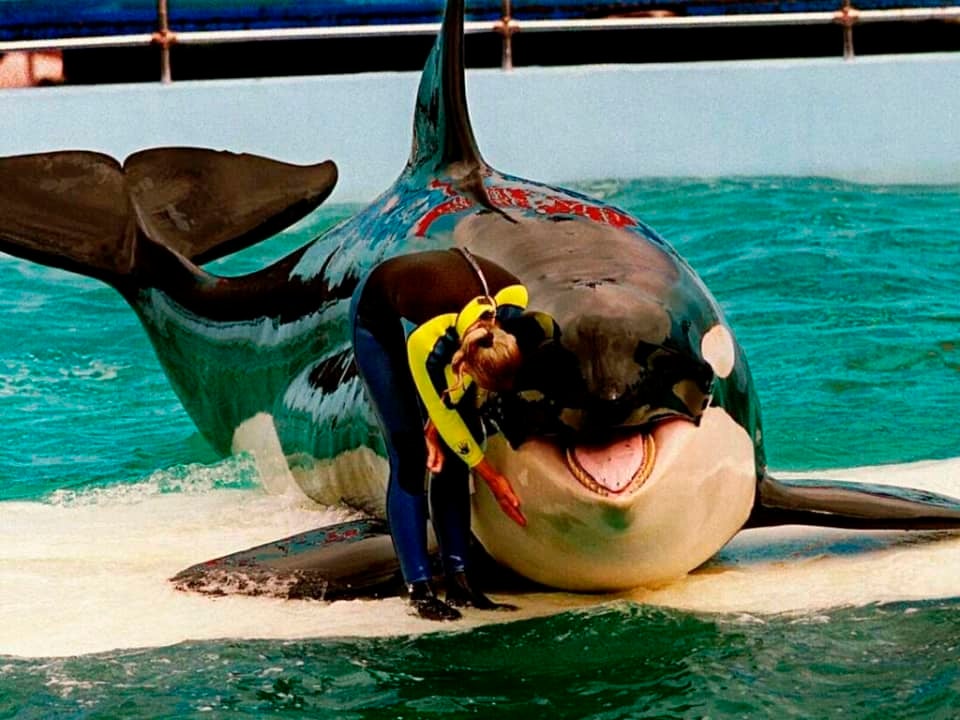
Lolita weighs 2,267 kilos and has not done shows of any kind for a year. The managers of the Seaquarium are sure that this will be positive for the animal: “I know that Lolita wants to swim in open water”

Depending on your generation, if we say “Lolita” there are two possibilities: you might think of the singer of ‘Sarandonga’ or you might think of an influencer who has been caught smoking in a bar. But there is one more whose story you have to know, one that seems inspired by ‘Free Willy’, that 1993 movie: the killer whale that, at last, is going back to the sea.

Animal Jam DOWNLOAD

Free Lolita

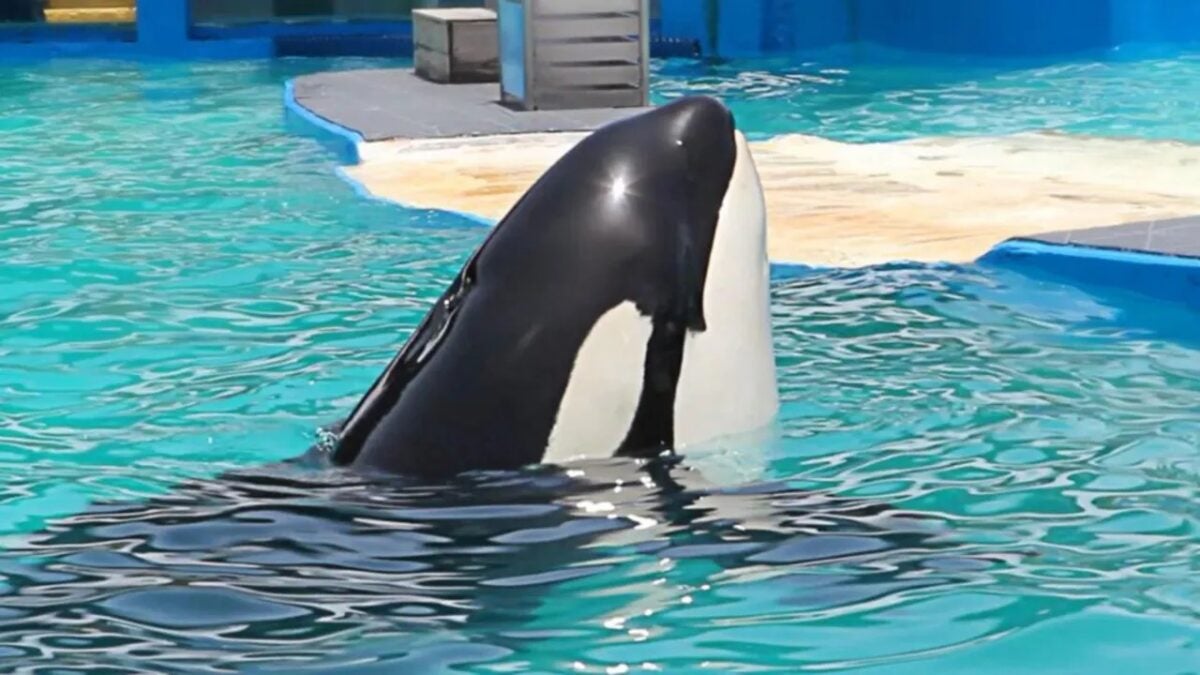
August 8, 1970. Penn Cove, a place full of Washington islands. Tokitae, a four-year-old killer whale, is trapped and sold to the Miami Seaquarium for about $20,000. Eventually, based on the work of Vladimir Nabokov and as a tribute to his best-known character, she ended up being named Lolita. It was 1970, let’s not ask for exquisite sensibilities.

Lolita started living with Hugo, a male with whom she never stopped mating (without offspring) and who died ten years later. Since then, she has shared her aquarium with dolphins and whales… until, finally, at over 55 years old, it has been formally announced that the orca will be released (finally) into the sea. There, as if it were a Pixar movie, her mother, Ocean Sun, who is almost a century old and still alive, lives on.

Lolita weighs 2267 kilos and has not been doing shows of any kind for a year. Seaquarium managers are confident that this will be positive for the animal: “I know Lolita wants to swim in free water”, they said, confident that real life is like a cartoon movie. Of course, she will have to wait between 18 and 24 months to be moved, and it will cost about twenty million dollars (three zeros more than it cost at the time).

It must be said that this does not come from the Seaquarium suddenly becoming responsible, but from the fact that in 2015 there was a protest with thousands of people at the gates with the slogan #FreeLolita… And the complaints have continued and grown over the years. Come on, those 20 million buy more a good PR case than the kindness of some millionaires, who probably have not thought that after fifty years stuck in a water tank, it is difficult for her to learn to move in freedom.

Along with Lolita, there are 55 other orcas in captivity around the world, four of them in Spain: Adam, Morgan, Tekoa and Keto, in the Loro Parque de Tenerife. Will we ever see their release?