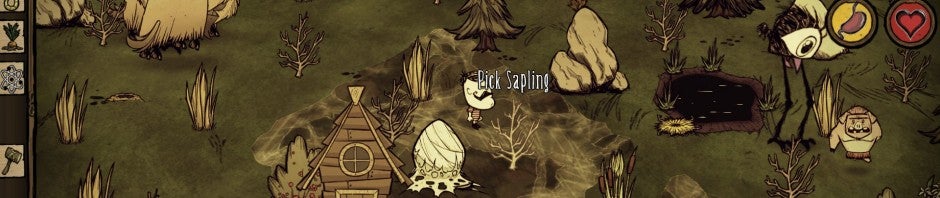
The board game Don’t Starve has had a resounding success on Kickstarter, raising nearly $4 million and far exceeding its initial goal of $50,000. This impressive funding comes from the support of a dedicated community, which since its original release in 2013 has turned Don’t Starve into one of the leading survival titles, with a strong cult following backing this tabletop adaptation. Suffering due to its success Developed by Glass Cannon Unplugged, this cooperative game is designed for 1 to 4 players and offers an experience in a world where […]
The board game Don’t Starve has been a resounding success on Kickstarter, raising nearly $4 million and far exceeding its initial goal of $50,000. This impressive funding comes from the support of a dedicated community, which since its original release in 2013 has turned Don’t Starve into one of the leading survival titles, with a strong cult following backing this tabletop adaptation.
Suffering Because of Their Success
Developed by Glass Cannon Unplugged, this cooperative game is designed for 1 to 4 players and offers an experience in a world where magic and science intertwine in unexpected ways. The game’s release date has been set for March 2027, generating great anticipation among fans.
In a recent update, the Glass Cannon team announced new funding goals that are available for sponsors. These include wormhole tokens, starting cards, and regeneration marker miniatures, which will add more variety and strategy to the game. The wormhole tokens, in particular, will allow players to move quickly across the map, while the miniatures will enhance the visual experience.
With only three days left in the Kickstarter campaign, an acrylic standee of Wurt and a digital skin have been unlocked if the total reaches $4.1 million before its close. Given the current funding levels, it is very likely that these additional goals will be met, further encouraging sponsor participation.
This effort to adapt Don’t Starve to the world of board games seems to be well received and promises to offer players a new way to explore its survival themes in a cooperative environment.
2024 is filled with so much, far more entertainment than we can encompass, from movies to series, including video games, comics, books, and of course… board games!
2023 is over! And 2024 is filled with much, much more leisure than we can handle, from movies to series, video games, comics, books, and of course… Board games! Because, deep down, who doesn’t have as a secret purpose to spend more nights with friends, snacks, and a good ‘Dixit’? Pay attention, because this is what we will be playing for the next 366 days.
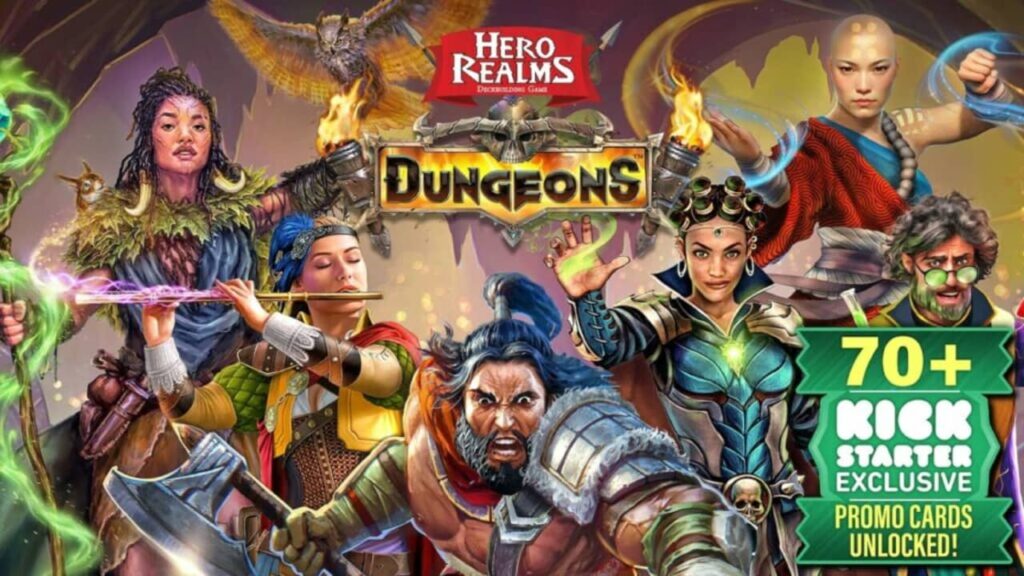
Over one million dollars raised on Kickstarter for a game that, if you have played ‘Hero Realms’, you already know is a must-have. Classic characters from role-playing games, an unparalleled adventure, a one-on-one up to four players and at the same time a cooperative for two delving into dungeons. Few things are more enticing in 2024.
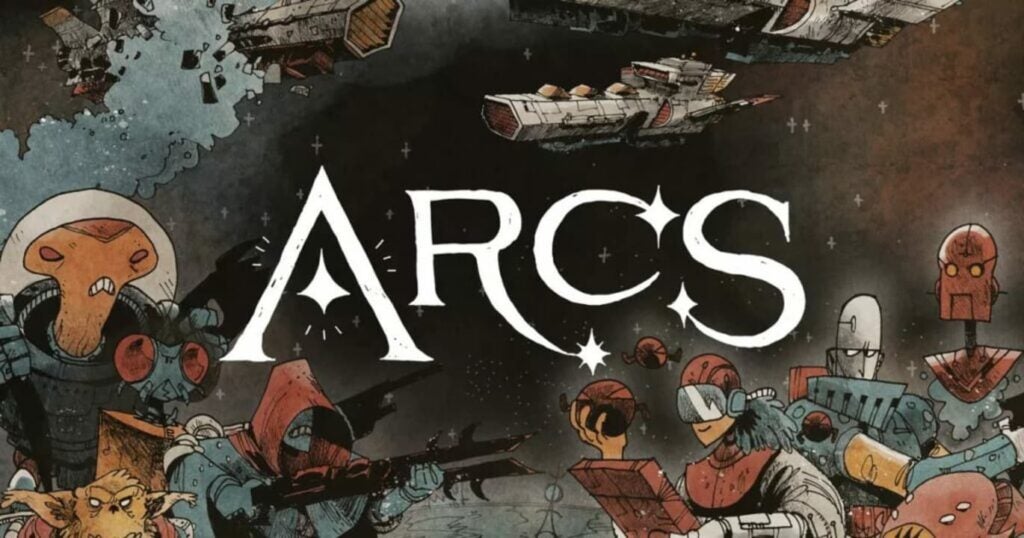
Arcs
A space-opera with fast-paced gameplay, funny designs, and a unique style of play. For 2 to 4 players seeking pure strategy, 18 different dice, about 100 wooden ships… Those who have already tried it say that it has come out very inspired, although you need to have played more games before to fully enjoy it. We’ll have to see it.
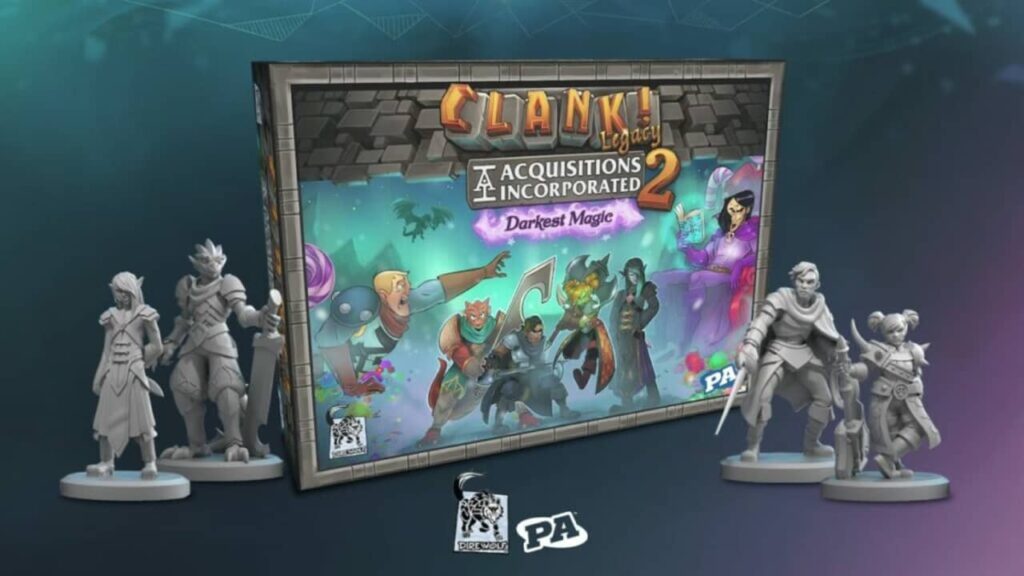
Clank! Legacy 2
If you have played ‘Clank! Legacy‘ you know what’s in store… And it’s not little. A game that spans over time, that will change the board forever, that will surprise you before, during and after each game. Does that sound like a lot? Well, on top of that, it’s based on the original ‘Clank!’ which was already fun on its own. It’s not going to be cheap, of course, but it will be worth every euro.
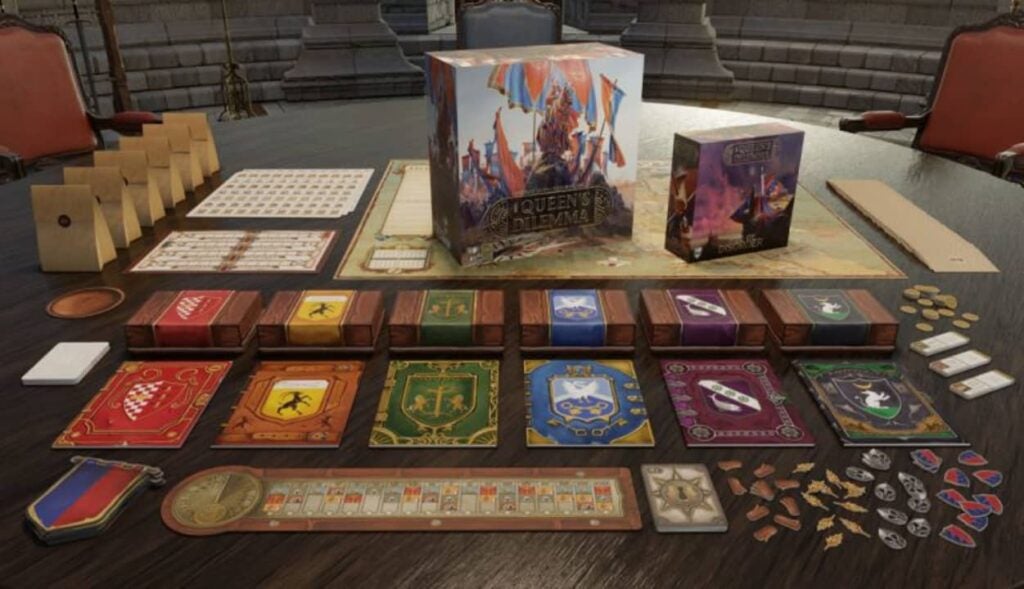
The Queen’s Dilemma
‘The King’s Dilemma’ is one of those games that you have to play in a group, no matter what, and always the same group to fully enjoy it. Twists, twists, and more twists in an adventure that will depend entirely on your decisions with an innovative gameplay that will put you in front of the biggest challenge of your life: gathering a group of four people who want to meet every weekend for a couple of months.
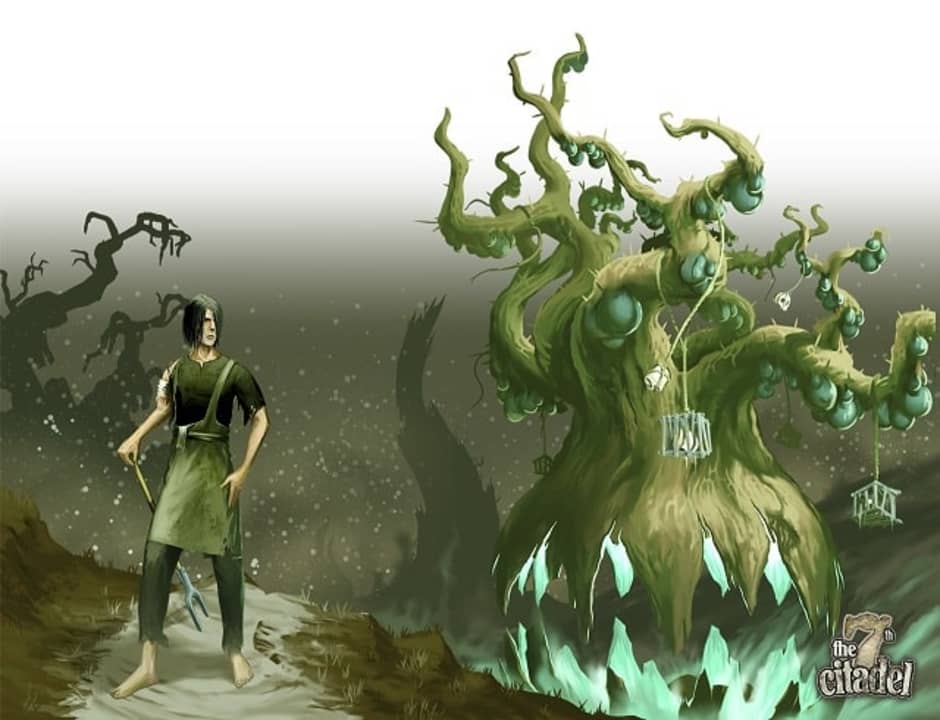
The 7th citadel
Originally it was going to be released in October 2022, but well, the important thing is that it comes out, after all. Your mission will be to discover what the Citadel in which you live hides. Or maybe you will never discover it! In a world full of resources, cards, LCG and interchangeable games, someone who wants to change everything is appreciated… even if it doesn’t go well at all.
2024 comes ready to become your gamer year! Roll the dice, prepare cards, fight against enemies, gather resources: let the game begin.
The good thing is that you have an excuse to give whatever you want for many Christmases to come. And we are going to explain to you why these 5 games are outdated… And what to replace them with. Go for it!
Surely it’s happened to you more than once: you arrive at a game night at someone else’s house and all they have are a couple of board games from the 80s, an unopened Settlers of Catan, and the classic deck of cards for playing mus. The downside is that this night might not be the most fun of your life. The upside is that you have an excuse to give whatever gifts you want for many future Christmases. Because we’re going to explain why these 5 games are outdated… and what to replace them with. Let’s get to it!
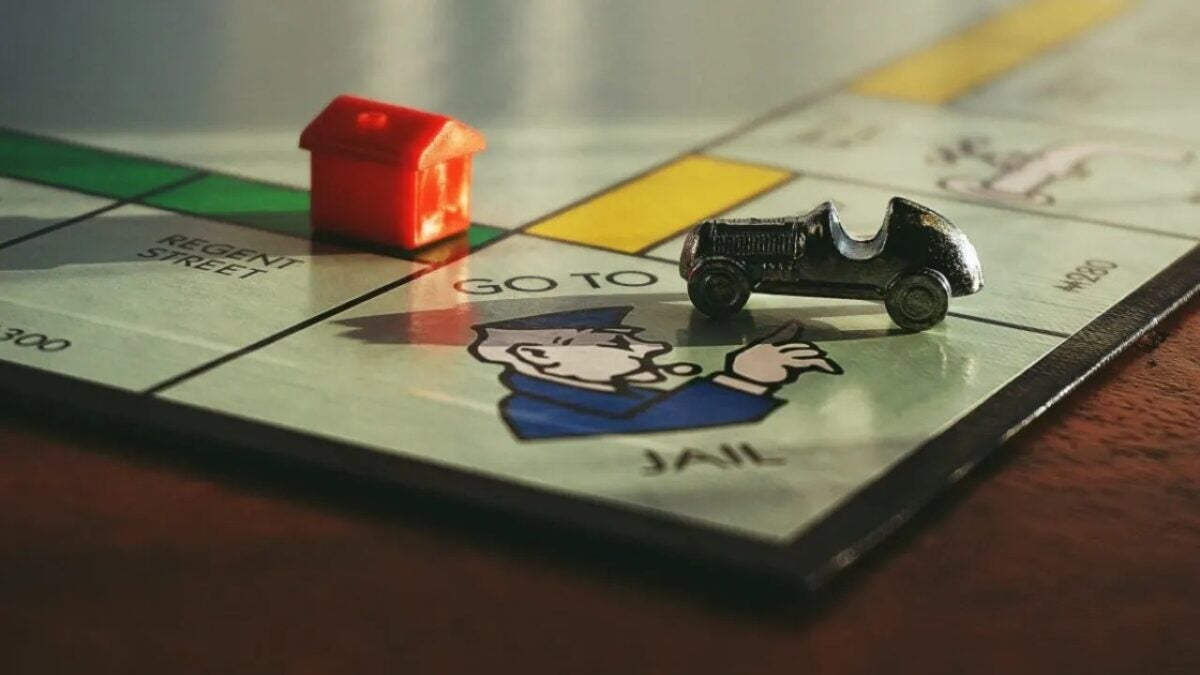
Let’s be honest: it’s always been boring. Buying streets, putting up houses and hotels, spending hours rolling dice and not getting anywhere while there’s a constant flow of money (and yawns) until some go bankrupt and others succeed. And the best way to replace Monopoly isn’t with a new version, no.
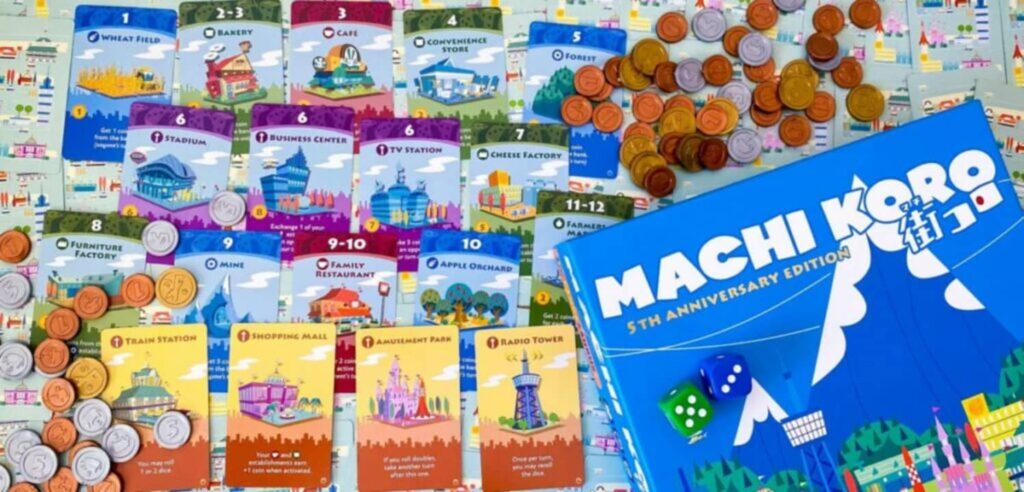
What you should play instead: ‘Machi Koro’, a game that is also about buying places, building, saving, and plundering your neighbors’ wallets, but for much less time, much better themed, and more fun. And if you like it, moreover, there’s the ever-appreciated Legacy version, where everything changes every time you sit down… forever.
Sure, yes, Trivial Pursuit will never go out of style, remaining as entertaining as it is cultural and iconic. However, if someone catches a good streak, you can spend minutes and minutes watching them answer question after question while others get bored, especially when a wrong answer sets them back in the game. Fortunately, there’s a good alternative.
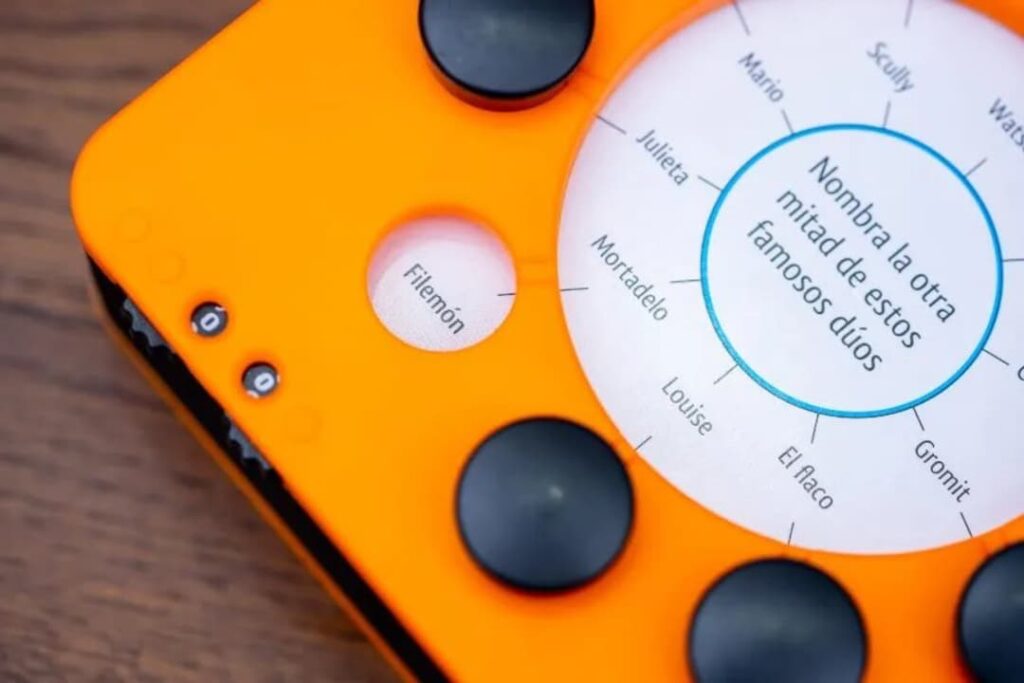
What you should play instead: ‘Smart 10’, where you have to answer a question with multiple possible correct answers. One person plays first, then the other, until both fail or withdraw. Much more agile, quick, and, dare I say it, fun.
Risk
It’s not a bad game at all, and among the classic basics, ‘Risk’ is one of those that withstands the test of time best. However, once you’ve played a dozen games, you won’t want to bring it out again because it’s basically the same thing over and over. There’s a better option, in this case, without straying from the same series.
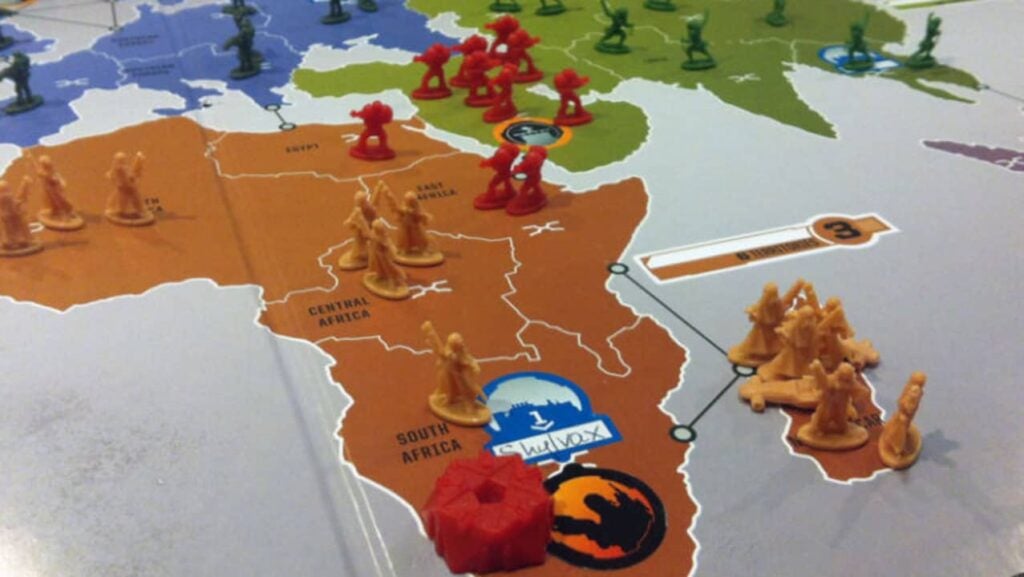
What you should play instead: ‘Risk Legacy’. Even those who are most tired of the original board game have to recognize that this is something else. A board and rules that continually change, including missiles, defeated factions, forcing you to come up with new strategies all the time. In the end, you’ll be playing something completely different from the original ‘Risk,’ and you’ll end up being grateful for it.
On paper, ‘Cluedo‘ is the ultimate game, blending logic, fun, and mystery in a delightful tabletop whodunit. But when it comes down to it, it’s about asking the same questions repeatedly and having more luck in the answers than the person next to you. It was great for its time, but nowadays, you’d be better off getting…
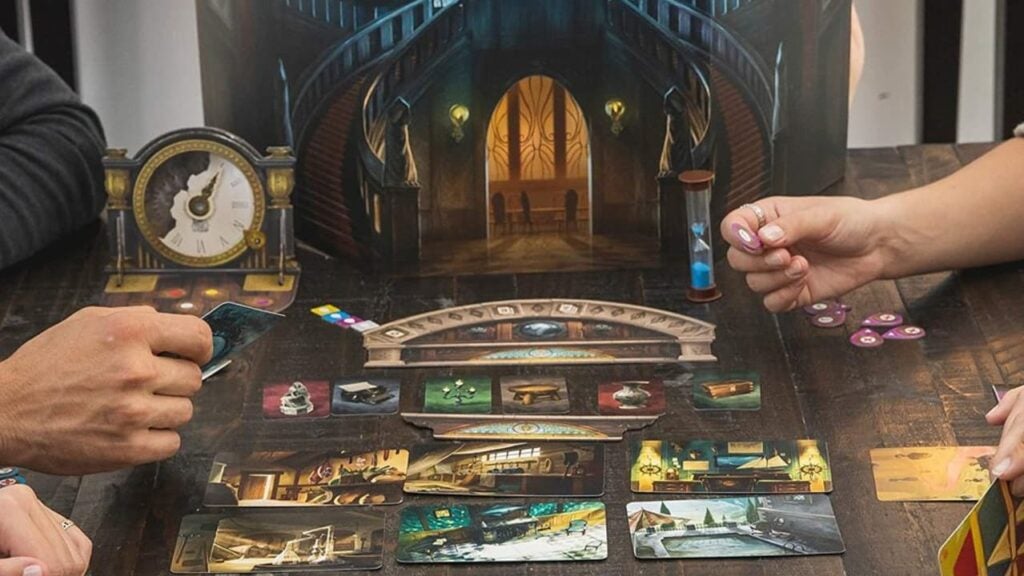
What you should play instead: ‘Mysterium’. One player takes on the role of the murder victim, giving other players ghostly clues by indicating images related to their death. Collaboratively, the detectives will have to figure out what happened. It’s a much more enjoyable twist, with artwork on the cards that’s sure to captivate you.
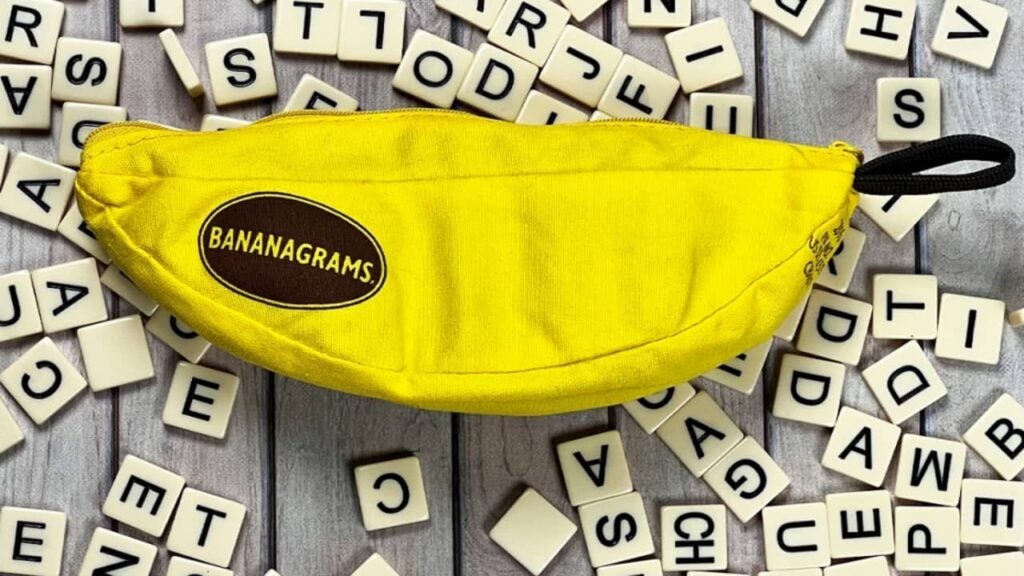
Spell out letters, form words, rack up points, reach the multipliers, and let the person next to you ruin your perfectly crafted strategy. ‘Scrabble’ continues to make waves with its iconic letter tiles and their values. However, time has passed, and there have been evolutions that might suit you much better.
What you should play instead: ‘Bananagrams’. It’s essentially ‘Scrabble’ but individual, with no value assigned to letters, just aiming to be quicker than your rivals at finding words. It doesn’t matter if you can’t create “Esternocleidomastoideo”; “uno” will do just fine if it helps you finish with all your letters before the others. A must-play.
We have moved on to another phase: that of games where we expect the unexpected. And here comes a board that you have surely played before: ‘Ticket to Ride’
If by this point you’re still anchored to ‘Monopoly‘ and ‘Risk’ as your go-to games, perhaps it’s time to visit a board game store and discover that Saturday afternoons can be much more enjoyable than buying, yet again, the street María de Molina. We’ve moved from classic games to other boards like ‘Settlers of Catan’ or collectibles like ‘Dominion,’ entering a new phase: games where you can expect the unexpected. And that’s where a board game you’ve probably played at some point comes in: ‘Ticket to Ride.’
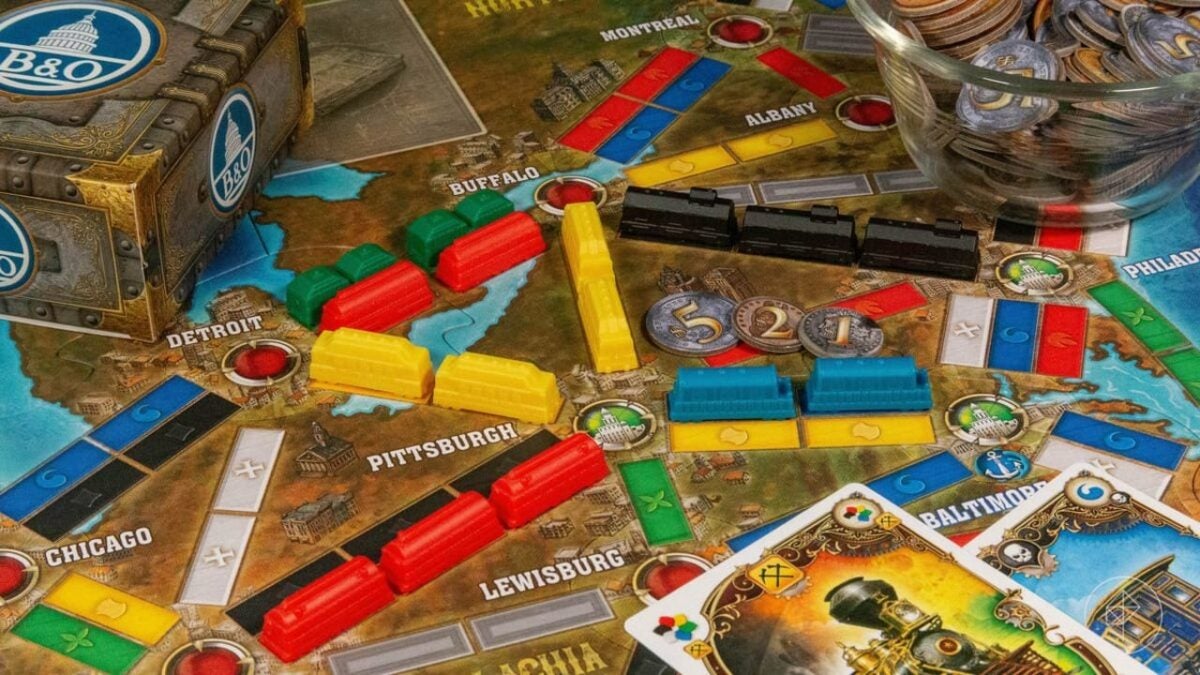
‘Ticket to Ride’ was born in 2004, almost two decades ago, and has become, by itself or thanks to its expansions, one of the games that cannot be missing in any board game collection. The objective is to create a train route connecting the cities on your route, preferably annoying your opponents along the way. For years, the gameplay system has remained almost unchanged throughout different editions and maps, from Europe to New York or London.
But now, everything has been turned upside down with the arrival of ‘Ticket to Ride: Legends of the West,’ a board game that finally takes the formula and reinvents it to create a legacy game. In other words, it includes a game board, cards, and rules that change from game to game, forming a story with a beginning and an end that players will have to uncover, surprise after surprise. In the style of ‘Pandemic Legacy,’ perhaps the most well-known game of this kind.
“And this includes sticking things on the board, making decisions, permanently altering the way you play, and, in the end, putting the game on the shelf never to be touched again. Sadly, legacy games offer an experience that cannot be repeated afterward or passed on to a friend: once you’ve started, the same group must reach the end, as if it were a video game.
For twenty years, ‘Ticket to Ride’ has been an example of a game almost frozen in time, always in continuous motion with new maps but fundamentally dedicated exclusively to the fans. Will it manage to kick down the door with enough force to fully enter the world of modern gaming? For now, it has the hype. And in this gaming world, often, that’s all it takes.”
Let’s hope, however, that the franchise’s board game, at least, doesn’t turn the night of fun into a pool of blood in your living room, which then turns out fatal.
Being very honest, it’s strange that it hadn’t happened already. I mean, the tagline of ‘Saw’ is “Let’s play a game,” and it usually doesn’t involve a round of ‘Monopoly‘ or ‘Clue’ but rather a saw to cut off your arm, another one to turn your leg into mincemeat, and some tubes attached to your nose that you’d rather not know about. Let’s hope, though, that the franchise’s board game at least doesn’t turn a fun night into a bloodbath in your living room. That could end pretty badly.
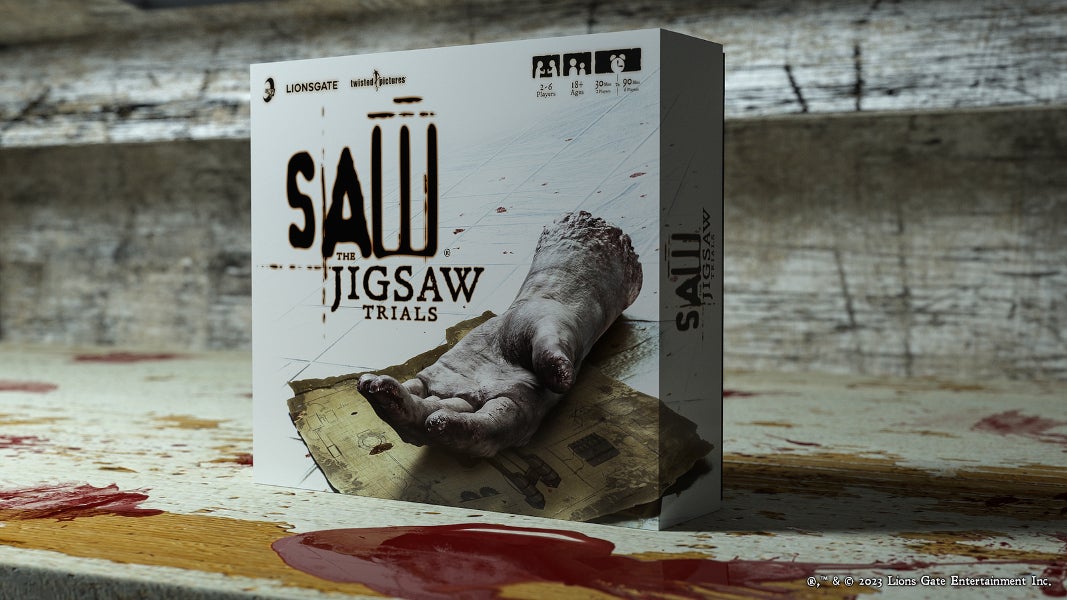
The board game will be called ‘Saw: The Jigsaw Trials,’ and for now, all we know is that it has its own Kickstarter page, where it will likely be funded without any issues. After all, its studio, Iconiq, is accustomed to releasing adaptations of audiovisual licenses such as ‘They Live’ or ‘Kingdom Tails.’ At the very least, the final result is usually interesting, which is more than what most franchise games can say.
Obviously, the game will involve dismemberment, classic traps, some new ones… and it can only be played by those over 18 years old. Not that anyone is particularly shocked at this point, right? All the movies are rated for adults, and there’s even one, ‘Saw VI,’ that received an X rating in Spain. In the end, it was released censored to avoid obligating its viewing in one of the eight porn cinemas that were left in Spain in 2009. Currently, there are none. The times are changing.
How do you play? Well, it’s for 2 to 6 players. Contestants must take on one of the 6 roles of ‘Saw‘ victims and collect items to escape from up to 2000 different traps, each with its own mechanism. Gradually, they’ll lose limbs until they die, and only one will remain alive, declared the winner. Fun for the whole family!
In fact, the cruelty is evident right from the trailer images on YouTube, where we can remove parts from our “character sheet” as a symbol of losing our body parts. The best part? The project is sponsored by Lionsgate, which means it will be faithful to the original. Perhaps too faithful. Just in case, get ready with tissues and antiseptic: you’re about to play a game.
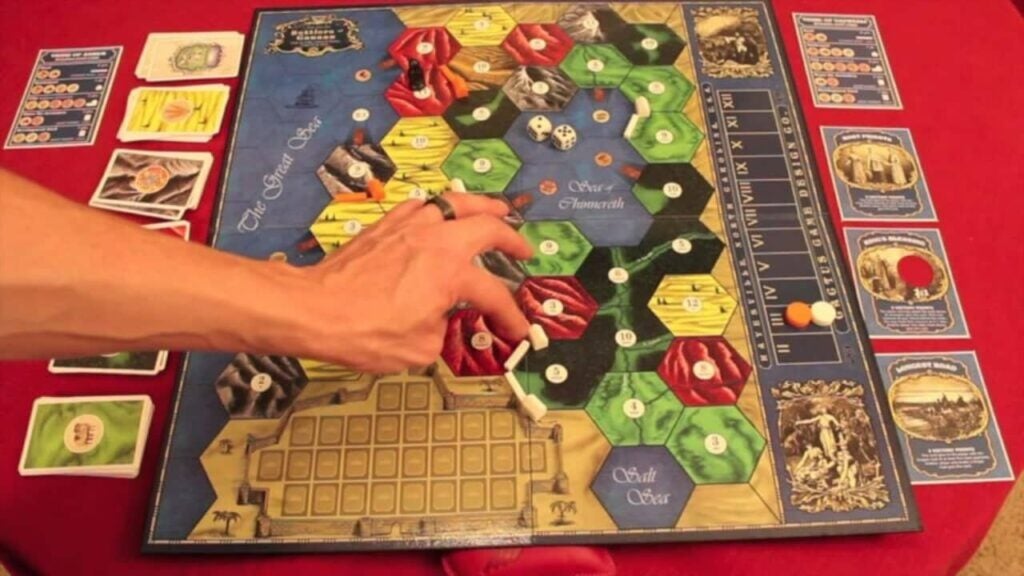
For having, he has even had a novel and several video games. But its most curious version is one that was made exclusively for the Hebrew players: 'The settlers of Canaan'.
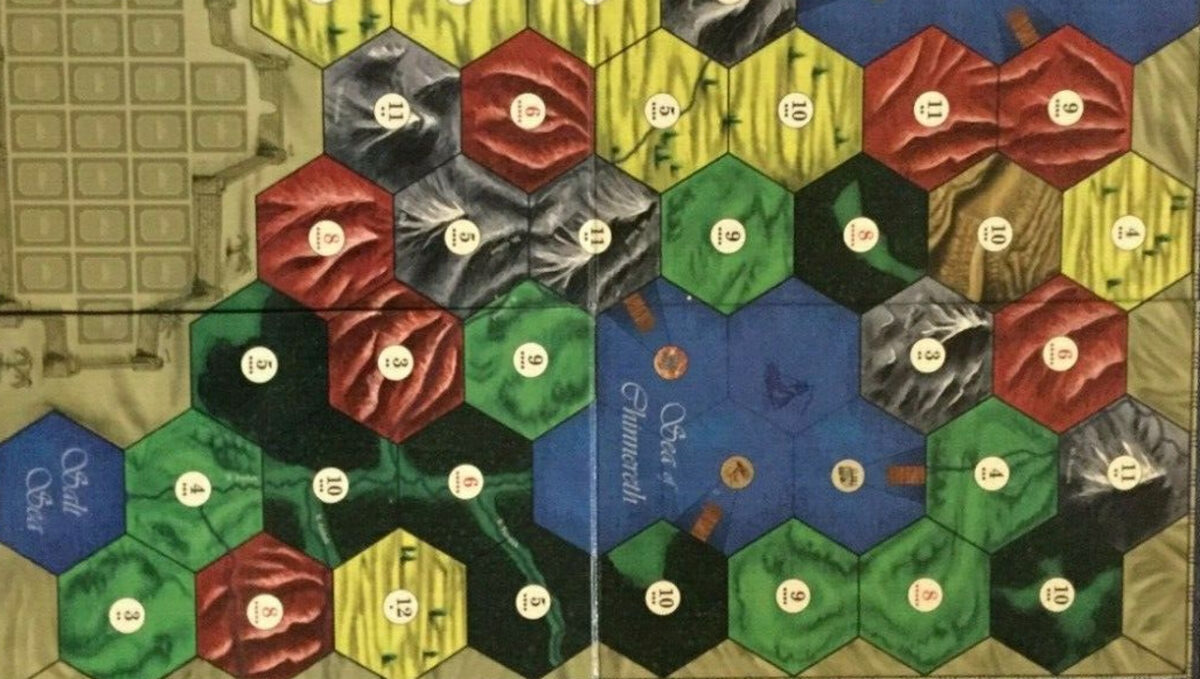
If you’ve ever tried a board game outside of the classics Monopoly or Trivial Pursuit, there’s a good chance it was Settlers of Catan, already a modern classic that has been on the shelves of 32 million homes since 1995. That’s saying something. Around the resources (wood, wool, wheat, clay and ore) unfolds one of the most popular games in history that has had a handful of frankly impossible versions.
Perhaps the first thing that catches our attention is the licensed versions: Catán is a game so easy to launch with any theme that from Alcatel (‘Communications of Catán’) to ‘Star Trek‘ or ‘Game of Thrones’ have had their own games. It has even had a novel and several videogames. But its most curious version is one that was made exclusively for Hebrew gamers: ‘The Settlers of Canaan’.
So a priori it seems almost a joke of ‘Family Guy’, but the truth is that it was published in 2002 in a very serious way by the company Cactus Game Designs, which licensed the game in the United States from Europe. Players will be in control of one of the tribes of Israel and, although at base it is exactly the same (spend resources to expand the land and disarm their opponents) there are details that make it a fascinating game.
For example, the fact that players have to build the “wall of Jerusalem”, in the desert of Canaan, where there can be up to 28 stones: the one who places the most will win the King’s Blessing and will earn two victory points plus the possibility of exchanging any of his resources for double. The cards have also been renamed, and are now called “The Ten Commandments” or “Stairway to Heaven” and change the alchemist for a prophet and the soldier for a priest.
In addition, it has two unique and exclusive cards with obviously Hebrew themes. “Korah’s rebellion” allows a player to take away another player’s priest card and put it in the deck and “Deborah’s song” makes everyone take a resource from the bank, regardless of the turn. In the German version of the game the wall of Jerusalem was removed but 13 hero cards were added that would generate god’s help. A curiosity for the biggest fans: Do you consider yourself a Catan expert? It’s about time to prove it.
If you haven’t located it yet, it’s that game in which you have to find the drawing that is repeated on two cards before your opponent does. Because yes, one always repeats itself. Always. And don’t think it’s a coincidence.
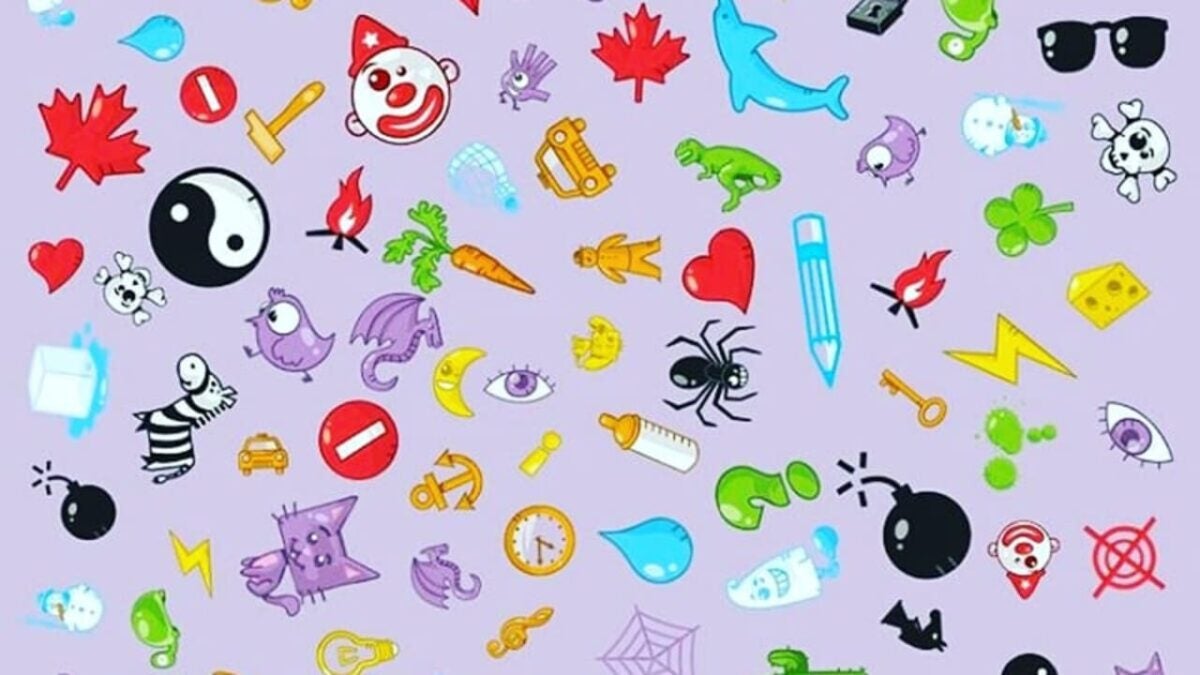
Have you ever played Dobble in your life? It’s not a question or a supposition but a statement: one million copies sold in Spain give an idea of the fame of this board game that has gone through all possible variations, from absolutely impossible versions (Astérix, Disney, The Mandalorian, Paw Patrol) to XXL or Waterproof editions, ready to play in the pool. If you haven’t placed it yet, it’s that game where you have to find the matching symbol on two cards before your opponent does. Because yes, there’s always a match. Always. And don’t think it’s just a coincidence.
To understand how Dobble started, we have to go back to the year 1850. No, it’s not that they were big gamers back then; it was in that year when Thomas Pennington Kirkman posed his famous “Problem of the Schoolgirls.” Don’t think badly of him; he was a reverend. The problem was as follows: “Fifteen young girls in a school leave in groups of three for seven consecutive days: they must be paired daily so that at the end of the week, no two girls have been together more than once.” Challenging, right?
In 1976, Jacques Cottereau, an enthusiast of the problem, created his own version: 31 cards, each with six images of insects. Thanks to the projective geometry formed by the Fano plane, only one insect was repeated on each pair of cards drawn. In a burst of imagination, he called it “The Insect Game” and put it in a drawer until 32 years later when a journalist, Denis Blanchot, found some of the cards and decided to borrow the concept to create his own game. It was 2008, and that’s how ‘Dobble’ was born.
In ‘Dobble,’ there are eight symbols per card (except in the kids’ version) in 55 different cards. And it may seem like magic, but yes, there’s always at least one repeated symbol. Pure and simple mathematics have created an immortal game with as many versions as there are days in a year (and more to come), including cooperative and competitive editions. In other words, it takes up very little space, and if you have young children, not having it around during the summer is almost a mortal sin. And if, out of curiosity, you try to understand the mathematical operations that led to completing the game, you might end up seeing… dobble.
The actor thought it would be a casting or a way to meet, but none of that. The director reached for his collection of board games based on Travolta movies.
It is hard to believe, nowadays, the social phenomenon that John Travolta was in the 80s, when he was chaining hits like ‘Saturday Night Fever’, ‘Grease’ or ‘Look Who’s Talking’ until, little by little, he was passing into collective oblivion a decade later. It took Quentin Tarantino to resurrect a stalled career with a film that brought him back to the forefront. But of course, to get there, the actor had to do something unheard of: play board games with him.
The story goes that Tarantino, fresh from the maelstrom that was ‘Reservoir Dogs’, called the star at his house to do something in the early 90s. The actor thought it would be a casting or a way to get to know each other, but nothing of the sort. The director drew on his collection of board games based on Travolta’s films: ‘Grease’, ‘Saturday Night Fever’ and even the sitcom ‘Welcome back, Kotter’, which in Spain doesn’t ring a bell but lasted a good four seasons.
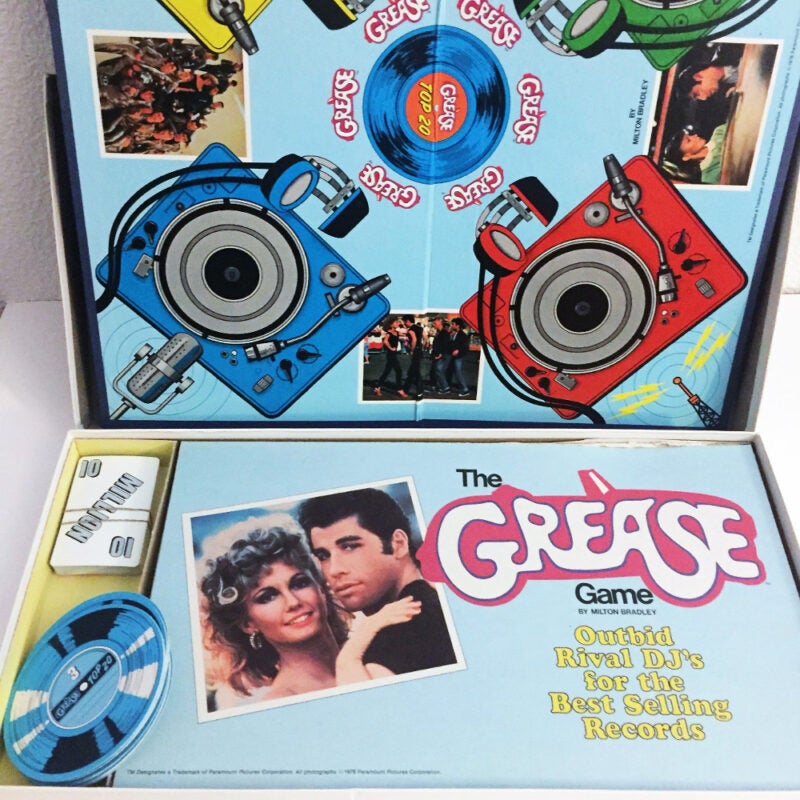
You may be thinking what the hell is a ‘Grease’ board game all about, but once we explain it to you, you won’t be satisfied. It is a game in which you will have to bet on different discs, and the one with the most at the end is the winner. What does it have to do with the movie of the same name? Well, the box features Olivia Newton-John and John Travolta, so why else?
Meanwhile, in the ‘Welcome back, Kotter’ game, each player has to take the place of one of Mr. Kotter’s students and move to the initial desk until completing the phrase “Up your nose with a rubber hose”, the phrase made popular by Travolta himself playing Vinnie. There is also a card game based on collecting characters with points: the first to reach 100 wins.
There is no information about the ‘Saturday Night Fever’ game, not even in Board Game Geek, the world’s largest board game database, so it is possible that the actor made it up. Of course, they must not have had a bad time when, at the end of the night, Tarantino offered him two roles: that of ‘Open until dawn’ or that of ‘Pulp Fiction’. the rest is history.
By the way, this doesn’t mean that Travolta gave up board games forever: on the contrary, he is one of the few people in the world who insists on playing ‘Monopoly‘ with real money. Oh, who would be a millionaire.
It was clear what he had to do: one who would teach virtues in life until he reached old age: the then longed-for 50 years. Thus was born ‘The checkered game of life’.
The 1860s were not exactly a bed of roses in the United States: over the next 40 years, more than 14 million immigrants would arrive from all over the world, the Civil War divided the states, and there was a need to educatecitizens to live virtuously rather than in toxicity. That’s where a board game came into play, which over 150 years later is still being published: ‘The Game of Life’.
Milton Bradley, known as MB in Spain, was a self-made man who was born in the tumultuous year of 1836 and, at the age of 24, started a factory dedicated to publishing lithographs that eventually transitioned into board games. And it was no trivial matter: during those times in the 1860s, games of any kind were considered sinful and even “instruments of the devil.” It was clear what he had to do: create a game that would teach virtues in life, leading up to the longed-for age of 50. And thus, ‘The Checkered Game of Life’ was born.
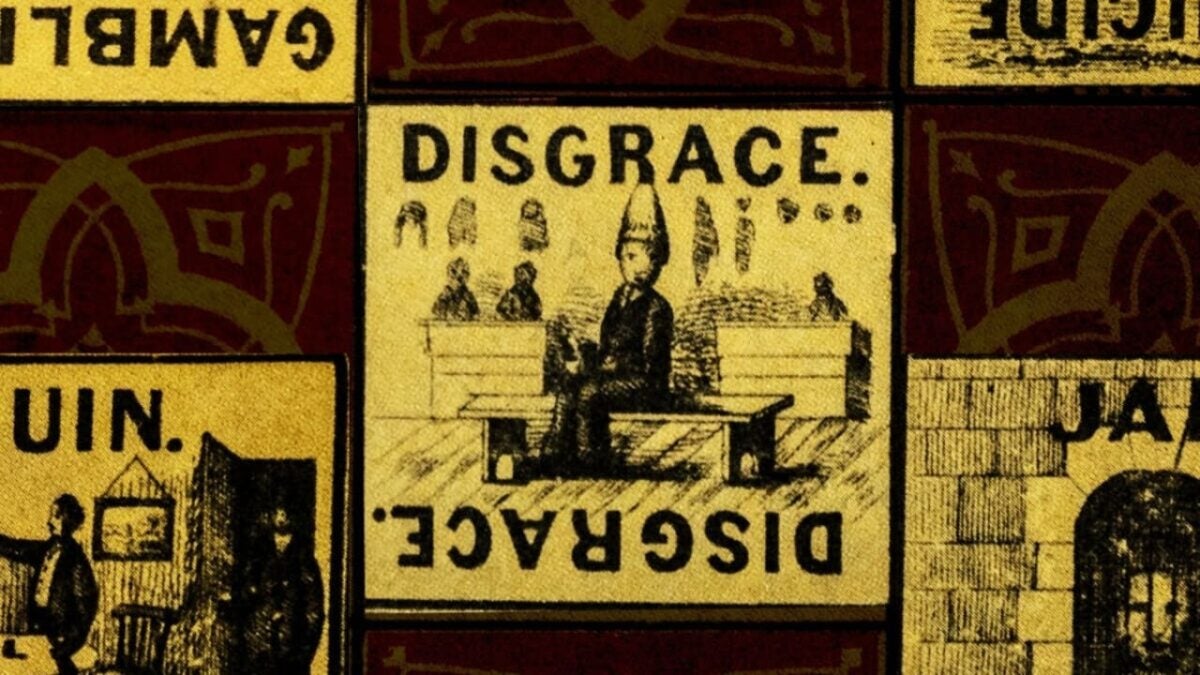
To achieve this, he chose different possibilities that a life could take and assigned positive or negative points to each of them: poverty, ambition, education, childhood, gambling, politics… The goal was to reach one hundred points and land on the special square that would award you half of them: Happy Old Age. You could attain wealth or government contracts, but what was most intriguing is that a square was included in which landing would result in the end of the game: suicide.
In 1860, they didn’t beat around the bush. In this game of morality, it was possible to end up in jail and miss a turn, go bankrupt… or end your life by hanging from a tree. Immediately, your token would be removed from the game because “How can anyone continue their journey to Happy Old Age after committing suicide?” From 1866 onwards, that square removed the depiction of a person hanging from a tree and became a simple wild card where nothing happened. Imagine the traumatized children of that time.
Interestingly, to avoid using dice, which were associated with gambling at that time, Bradley counted the points using a hexagon that he would spin on the board. One hundred years later, ‘The Game of Life’ was reissued, completely changing the board and the moral aspects, turning it into the game that continues to exist to this day. It now has versions featuring ‘The Simpsons,’ ‘Hello Kitty,’ ‘Pokémon,’ and even ‘Star Wars.’ However, suicides are no longer part of the game… or at least, we hope not.
It is estimated that he has won about 40 million thanks to a simple but fascinating game.
“If you’re humming along to the jingle ‘Saca un huesito y el corazón, operación’ (Take out a little bone and the heart, Operation), you’re probably already considering a pension plan. Indeed, ‘Operation!’ is a classic family board game. It was invented by a college student who sold it to toy designer Marvin Glass for $500. Today, it is estimated that the game has earned around $40 million, thanks to its simple yet captivating gameplay.”
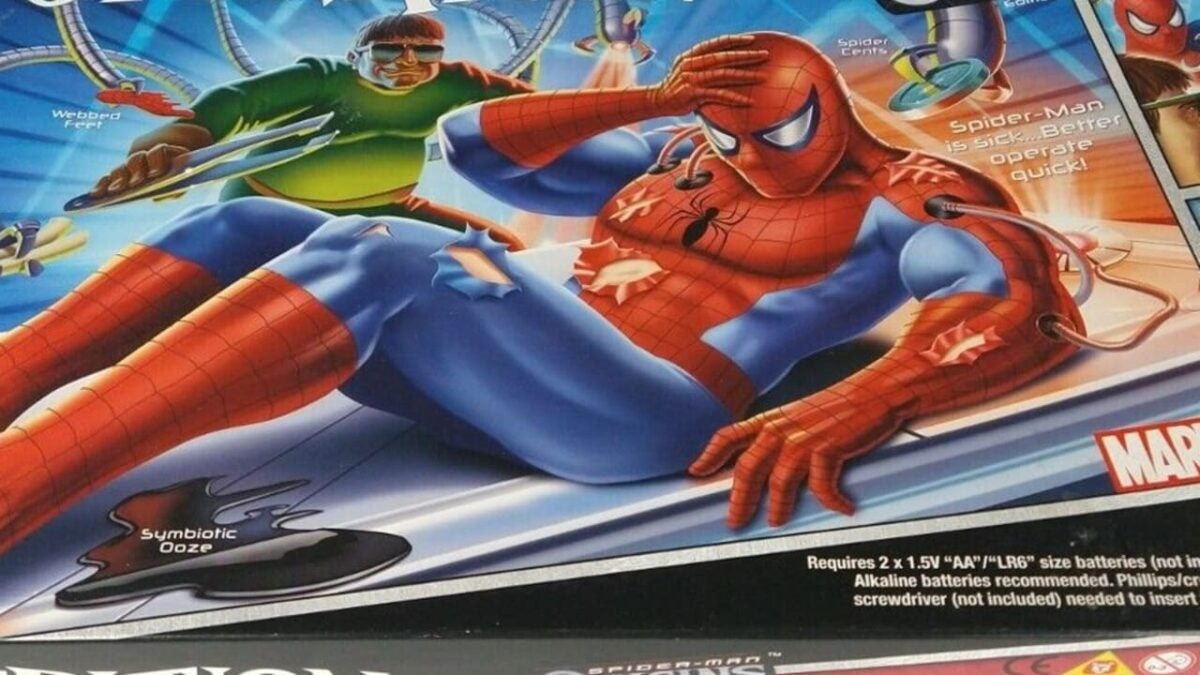
The gameplay is simple: you have to remove the organ indicated by the game without touching the edges. Essentially, it’s a board game based on having a steady hand and not much else, but it has survived from 1965 to the present day. There have been versions of “Operation” with sound effects and even a dog as the protagonist, targeting future veterinarians. However, none compare to the version created with your friendly neighborhood Spider-Man.
Taking advantage of the release of “Spider-Man 2,” where Doctor Octopus was the villain, Marvel teamed up with Hasbro to create the most unlikely Spider-Man game. The superhero was lying on the operating table of the evil doctor, and we had to help him by operating on his malfunctioning web-shooter, his “webbed head,” his “symbiote fluid,” or his “webbed feet.” Oh, and instead of a nose, his eyes would light up along with his “spider-sense.” Who knows why children were placed in the role of a well-meaning Doc Ock trying to save his arch-nemesis by removing random objects from his body.
Spider-Man’s version of “Operation” was not the only absurdly franchised one, but it was the first. Over the years, the game has seen variations featuring “Shrek”, “The Simpsons” (with Homer on the operating table), “Fallout,” “Star Wars” (manipulating R2-D2 and C-3PO), “Doc McStuffins,” and “The Mandalorian.” Interestingly, despite “Operation” seeming like the easiest thing in the world by now, there was one version that sparked controversy among fans: the “Paw Patrol: The Movie” edition.
Firstly, because what is being saved is… a kind of image of all the characters together instead of one of the pups. Secondly, because the holes are all similar in size, and it’s not clear which object goes where. And thirdly, because there hasn’t been enough attention to detail in the game. When you think there’s no corner of the internet for everything, remember that there are people who are such fans of a children’s board game that they are willing to play the Paw Patrol movie version just to point out its flaws. There’s something for everyone out there.