More than half of Americans went to the movies last year, but just barely

The Academy Awards, which are held annually to recognize the best films of the year, are approaching at a time when film consumption is evolving. A recent survey conducted by the Pew Research Center reveals that only 53% of Americans reported having attended a movie theater in the past year, which could indicate a shift in entertainment habits among the population. Half of the cinema, is it? The survey, conducted in the summer of 2025, reflects not only the preference for consumption […]

The Academy Awards, held annually to recognize the best films of the year, are approaching at a time when movie consumption is evolving. A recent survey conducted by the Pew Research Center reveals that only 53% of Americans reported having attended a movie theater in the past year, which could indicate a shift in entertainment habits among the population.

Is half of cinema, ci?

The survey, conducted in the summer of 2025, reflects not only the preference for consuming content on digital platforms but also a potential challenge for the film industry facing competition from streaming services and a wide variety of home entertainment options. The trend of declining cinema attendance could influence how award events are developed, including the Oscars, which have historically relied on box office performance and visibility on big screens.

Despite the decline in cinema attendance, it is important to highlight that the love for cinema remains present in American culture. This fact underscores the significance of the Academy Awards as a celebration not only of the films that have hit the screens but also of the artistic achievement and talent that those productions bring with them. However, perhaps the industry should reconsider its approach to attract an audience that seeks different experiences and is increasingly inclined to enjoy cinema from the comfort of their home.

With the Oscars ceremony on the horizon, industry observers and film enthusiasts will be watching how productions adapt to the new dynamics of audiovisual consumption. The challenges are clear, but so are the opportunities that arise in this evolution of the cinematic landscape.

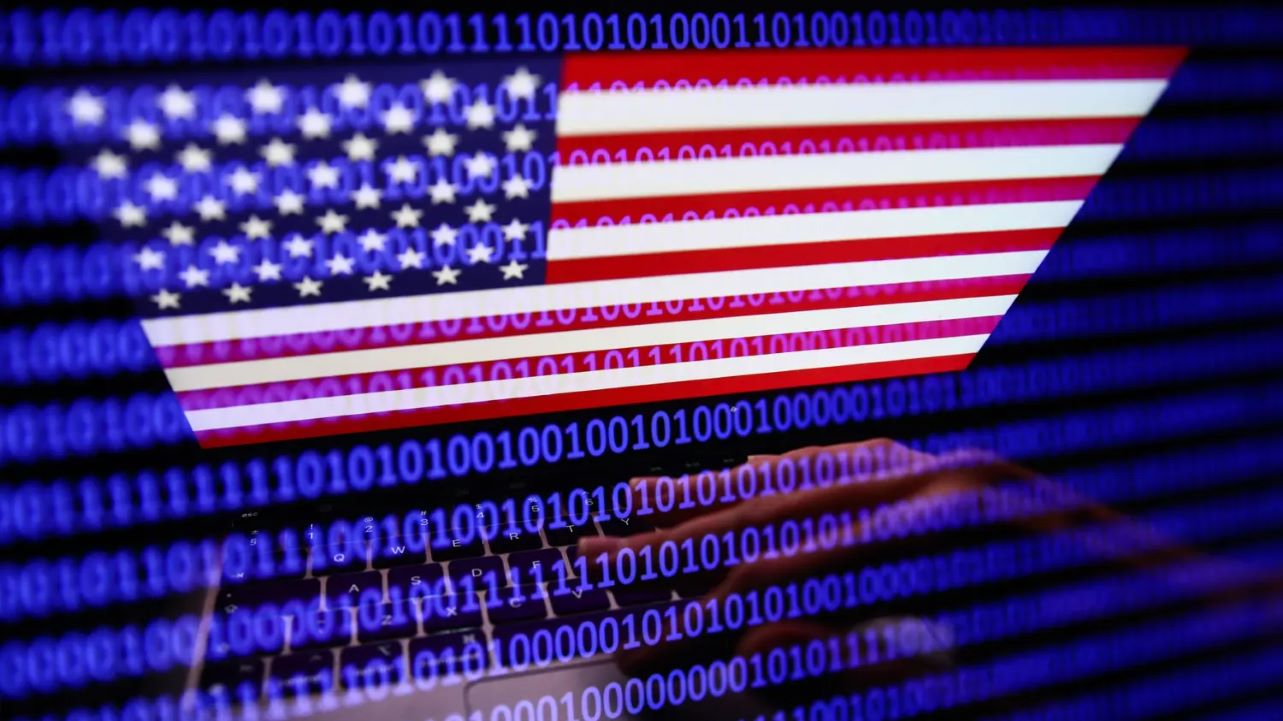
The United States may be on the brink of a cyber catastrophe

Hostile powers, including China and Russia, are intensifying their cyber operations, posing a significant threat to the critical infrastructure of the United States. Reports indicate that Beijing is not only stealing information but has also been planting tools and maintaining access in key systems, giving it the ability to pressure the U.S. in the future. Similarly, Russia has been testing U.S. critical infrastructure through increasingly sophisticated operations, gathering information and even supporting criminal activities. Security must return. For its part, Iran and North Korea […]

Hostile powers, including China and Russia, are intensifying their cyber operations, posing a significant threat to the critical infrastructure of the United States. Reports indicate that Beijing is not only stealing information but has also been planting tools and maintaining access in key systems, giving it the ability to pressure the U.S. in the future. Similarly, Russia has been testing U.S. critical infrastructure through increasingly sophisticated operations, gathering information and even supporting criminal activities.

Let security return

For its part, Iran and North Korea are increasing their disruptive attacks that impact hospitals, schools, and local governments. The global threat of cyberattacks shows no signs of slowing down, as the cybersecurity capacity of the United States is under pressure. Collaboration between the public and private sectors has also decreased, while federal agencies suffer from a lack of stable leadership.

The Cybersecurity and Infrastructure Security Agency (CISA) faces critical challenges, including the loss of approximately one-third of its workforce and unstable funding. Experts are calling for the Senate to quickly confirm a permanent leadership for CISA and for sustained budgets to be established in order to address the increasing cyber threat situations.

Moreover, the lack of an ambassador for cyberspace and digital policy at the State Department has left the United States in a vulnerable position to confront global authoritarianism. The administration is urged to nominate a new ambassador to represent U.S. interests in shaping international cyber norms and strengthening the capacity of allies.

In summary, effective and bipartisan action is required to prevent a cyber catastrophe in the United States, as well as to restore trust and coordination between the public and private sectors in the field of cybersecurity.