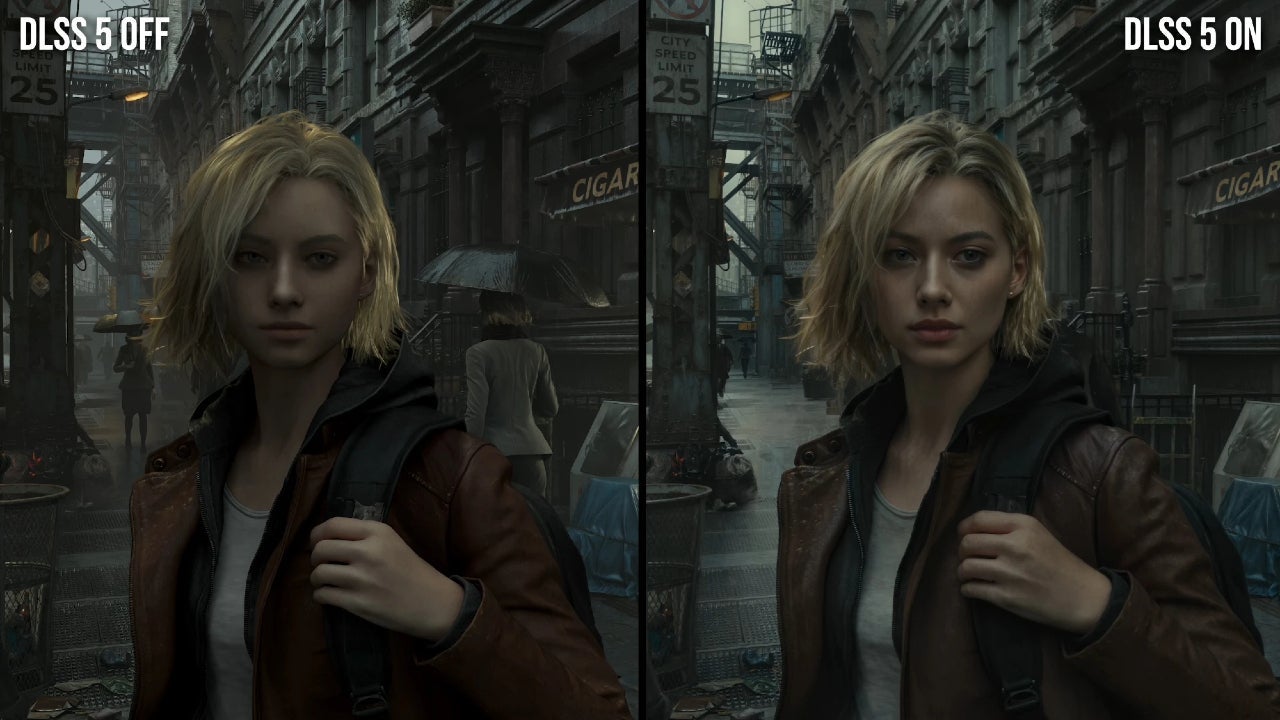
In a recent debate about the use of Nvidia’s DLSS 5 technology, senior animator Mike York has expressed his deep criticism regarding its effects on video game characters. York, known for his work on titles like GTA 5 and Death Stranding 2, argues that this new technology, which is based on a real-time neural rendering model, distorts the appearance of characters in an unrealistic way. His analysis has gained relevance following the controversy generated by the use of DLSS 5 in Resident Evil Requiem, where he highlighted the transformation of the protagonist Grace Ashcroft into an image that he considers comparable to a TikTok filter.
Consider that there is nothing good here
York’s criticisms come at a time when the debate over DLSS 5 is intensifying among players of other franchises. In particular, the Assassins Creed Shadows community has begun to protest against the new DLSS 5 filter, warning that it could harm the historical reputation of the saga. Gamers argue that the implementation of this technology could lead to results similar to those observed by York, which would create widespread discontent among the fanbase.
On the other hand, Digital Foundry’s initial response to DLSS 5 was more enthusiastic, although the publication has revised its stance, acknowledging that performance under certain conditions may not be as expected. This disagreement in perceptions highlights the current tension in the industry regarding the direction that graphics technology is taking and its impact on gameplay. While developers seek to innovate, the opinion of veterans like York brings to the forefront the need for a balance between technology and the player experience.