Daring Heist of the Year: 780 Intel Processors Intercepted en Route to China

Life is very complicated so what I do is steal about 1,000 processors and I try to sneak them through customs in my country: that’s what some thought…

It hasn’t been even three weeks since we last heard about what seems to be a Chinese pastime: attempting to smuggle technology into the country without paying taxes.

TikTok DOWNLOAD

And we now have to add another incident to the list. This time, nearly 1,000 Intel processors valued at over $137,000 have been discovered hidden in the engine compartment of a cross-border bus.

Tom’s Hardware reports that this recent attempt was thwarted as the smugglers tried to pass through the Gongbei Port, connecting Macau and Zhuhai in China.
Selling Next-Gen Processors and Evading Taxes: Their Aim

Customs officials became suspicious when examining digital images of a cross-border bus. A closer inspection revealed that it had been modified to conceal contraband items, specifically 780 Intel processors this time.

Reportedly, the CPUs were relatively recent models, including 12th-generation Alder Lake chips and 13th-generation Raptor Lake chips. The entire haul is estimated to be valued at over one million yuan, approximately $137,341. This translates to an average value of around $176 per CPU.

We’ve witnessed various imaginative ways of evading Chinese customs inspections. Most individuals tie hardware to their bodies, while incidents have also involved 84 SSD units hidden on a scooter and 200 CPUs concealed in a fake pregnant belly.

An individual attempted to smuggle 30 million Hong Kong dollars (around 3.8 million USD) worth of electronic products through the Man Kam To checkpoint from Hong Kong to mainland China, simply by lying about the contents of the transported boxes.

In April, reports disclosed that the total value of all smuggled hardware introduced into China and subsequently seized by customs officials had reached an astonishing sum of 4 million dollars.

This figure only accounts for the detected contraband. The actual value, including items that might have gone unnoticed, is likely much higher.

Selling anything in China without paying import taxes can yield lucrative profits for smugglers. Many individuals in the country are willing to purchase hardware despite the lack of warranty, as it’s often much cheaper on the black market.

TikTok DOWNLOAD

Some of the links added in the article are part of affiliate campaigns and may represent benefits for Softonic.
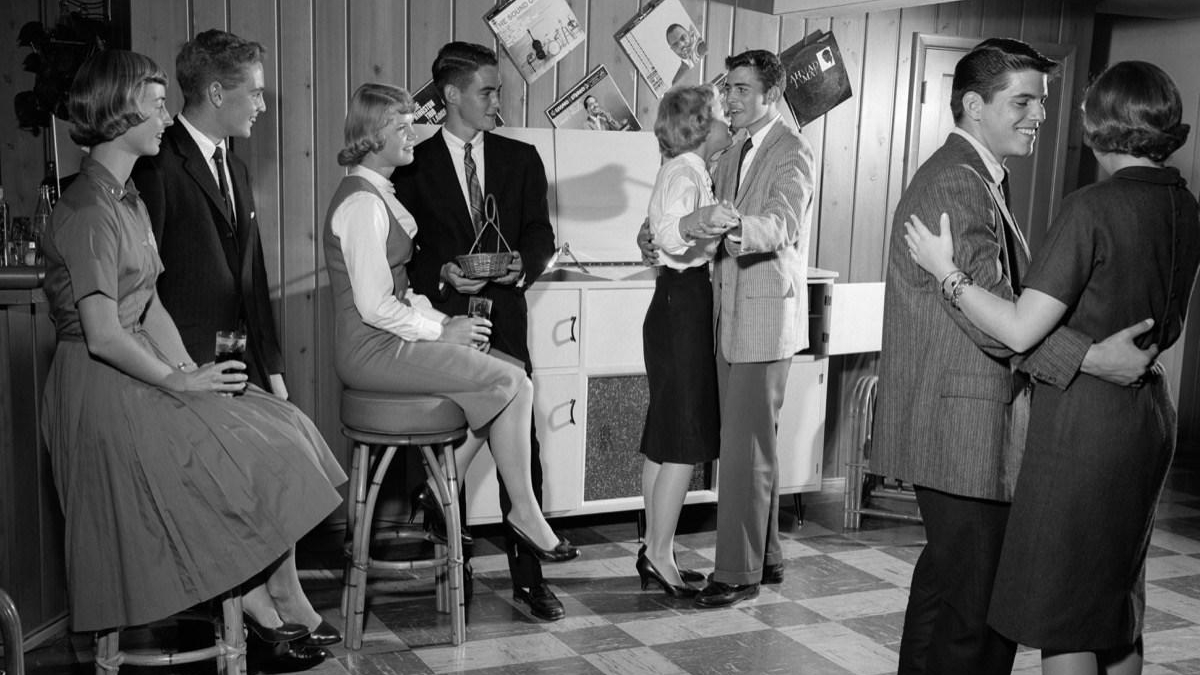
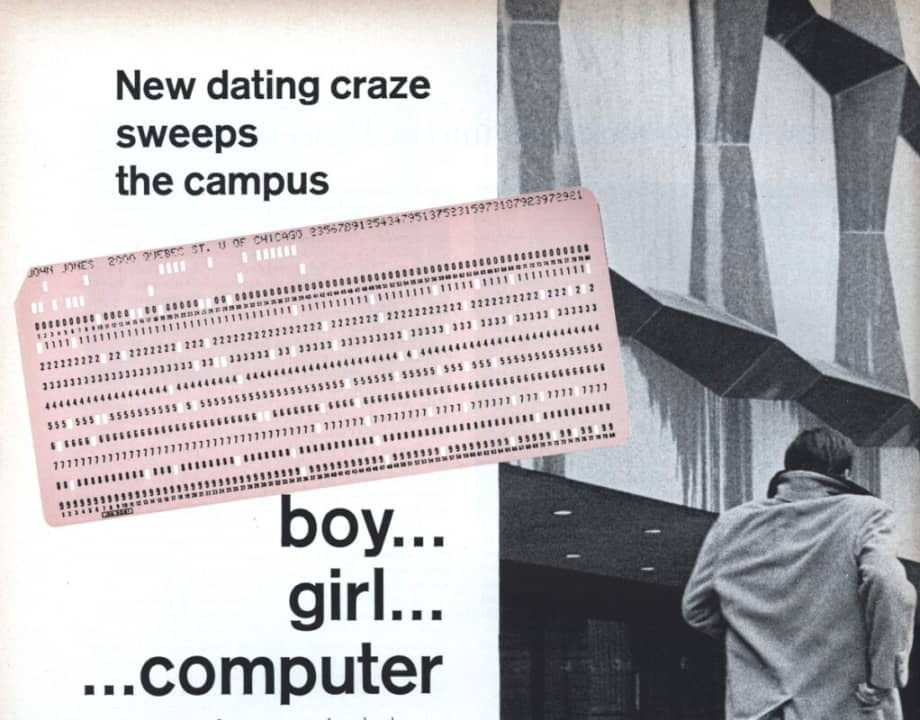
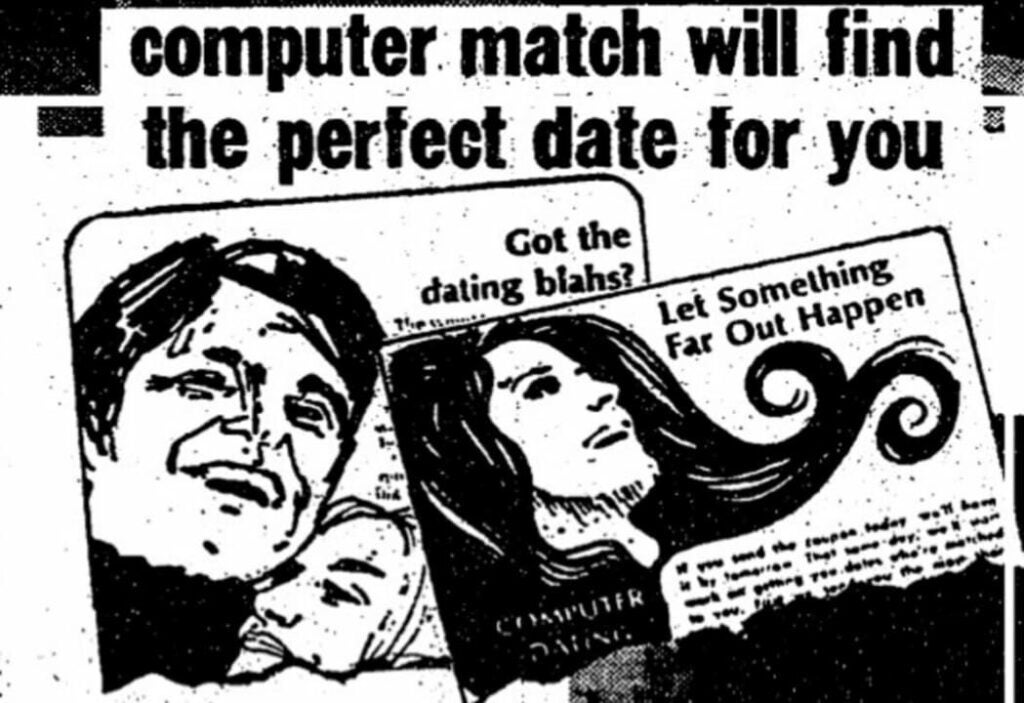
Love in the Age of Computers: The Early Days of Digital Dating

They intended to unite 49 women and 49 men by finding the most compatible people with each other. Spoiler alert: it was an absolute disaster.

We tend to think that we have invented it all, but deep down it has been around for years and years, only in much more rudimentary ways. Take for example Tinder, Adoptauntio, Badoo or whatever you want to use, the way we flirt in modern times, something our grandparents wouldn’t understand… If it wasn’t for the fact that in 1959 people were already finding the love of their lives thanks to a computer.

I gave you all my love, at love dot com

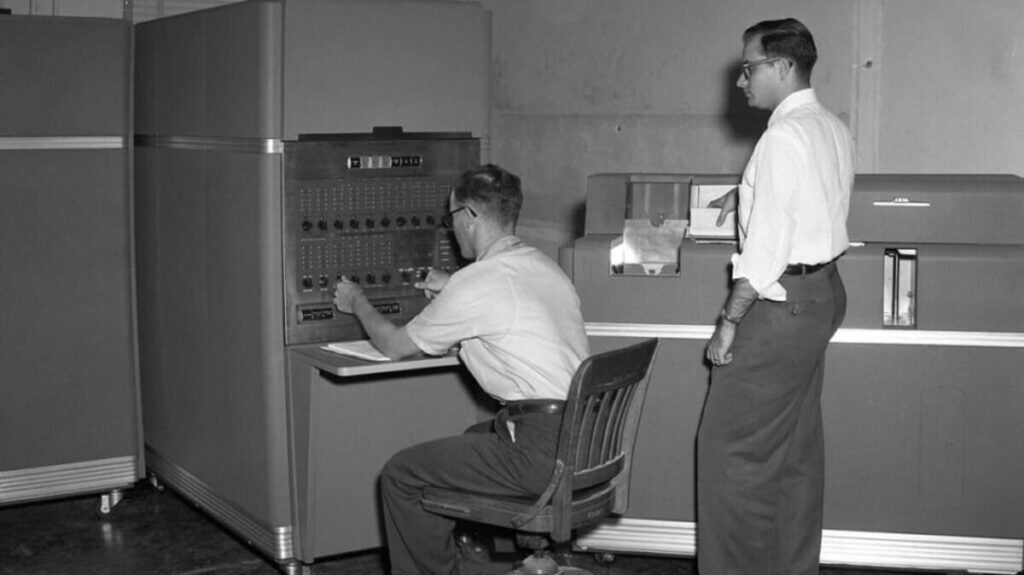
In 1954, a milestone in computing took place: the IBM 650, the first computer to be manufactured on a large scale, was assembled. More or less: a total of 2000 units were produced, each weighing 900 kilos. As a curiosity, it was the first computer that gave some money to its developers… And the one that served for more mundane matters such as, well, flirting.

Stanford University, 1959. Philip A. Fialer and James Harvey are two mathematics students very interested in the future of computing who are preparing a final project destined to make history. Its name couldn’t be less interesting: ‘Happy Families Plan Service’ (although they later renamed it ‘Marriage Plan Service’), but the idea behind it was a good one. They intended to unite 49 women and 49 men by finding the most compatible people with each other. Spoiler: it was an absolute disaster.

The people selected were mostly Stanford students, but also residents of Los Trancos Woods, where the boys used to party. Each of these 98 people filled out a questionnaire and went through a program they created. This program compared a member of one “class” (i.e., a man) with all the members of the other class (women) and repeated this for all the members of the first class. The pair with the smallest difference in questionnaire scores was matched, and the process was repeated over and over again. The problem is that the first pair was ideal, yes, but the rest, as they were chosen and discarded… became more and more different.

Send me an e-mail and I will open my mailbox.

Fialer and Harvey only had ten minutes a day to conduct their experiment with the IBM 650, and so they decided to do the logical thing: sneak in at night and process all 98 questionnaires at the same time. All that remained was to test the success (or failure) of their idea.

The two students organized a party in their rented house hoping to have hit the nail on the head, but it is well known that you never get it right the first time and the pioneers are forgotten by history. Also, some of the dates were so disastrous that they even paired 30-year-old single mothers with 18-year-old virgins. None of the couples that came out of that computer ended up getting married and both decided that marketing it would be a big mistake.

However, they marked the line to follow that continues to this day. In fact, in 1965 the first company dedicated to computer dating was launched, ‘Operation Match’, and that same year the same experiment gave rise to the first wedding ever performed thanks to computers: Marilyn Anderson and Gordon Keating still keep his questionnaire as proof of their love between chips, bytes and exaggeratedly heavy computers.

The business flourished in the years that followed, and people would pay as much as four dollars at the time (about twenty today taking inflation into account) to fill out a questionnaire with questions like “Do you believe in a god who answers prayer?” or “Is extensive sexual activity in preparation for marriage part of ‘growing up’?” The system on which these questionnaires were measured against each other was an IBM 7090, i.e., exactly the same thing Fialer and Harvey did shortly before. Only they were making money.

The computer-based matchmaking system would eventually evolve in the 1980s into something you’ve surely seen in movies: the VHS tapes of suitors introducing themselves that were sent to the homes of bachelors and bachelorettes to choose their -perhaps- next partner. In 1995, finally, Match.com was born by Gary Kremen, the same person who was smart enough to register the Sex.com website in 1994, earning more than 80 million dollars in sales to the highest bidder. Ah, how beautiful is love!