Was it a trauma that had important socio-political consequences? Definitely. Did it help to popularize one of the most mythical foods in the Japanese country? Well too.
On February 19, 1972, five members of the URA (United Red Army) entered a vacation facility in Mount Asama, Nagano, and took a woman hostage. The situation would take ten days to disperse and result in two deaths, but it would leave behind a legacy of one of those things without which college students (and people who don’t know how to cook) couldn’t live: instant ramen cups. How is this possible?
Momofuku Ando, a culinary inventor, launched instant ramen in August 1958 as a way to provide food to Japan in a post-war environment. At that time, it was known as Chikin Ramen and was considered a luxury product that cost six times more than fresh ramen. However, its price gradually decreased, and now it costs much less than what you can find in the shabbiest restaurant in the smallest town in the country.
Thirteen years later, Ando himself introduced an even easier-to-cook version of his instant noodles: the Cup Noodles. It was a cup to which you only needed to add water to enjoy a meal. Cup Noodles became so popular that you can even visit a museum dedicated exclusively to the brand and its various varieties in Osaka. One of the highlights of the museum is that you can indulge in one of these cups yourself at the end of the visit.
However, in 1972, instant ramen had not yet fully taken off. It was during the act of terrorism we mentioned earlier when television crews flocked to Nagano to broadcast live, for ten days, every movement and decision. It was during this coverage that people saw police officers relying on Cup Noodles for sustenance, as they were seen eating them at different locations. Cup Noodles became the official emergency food, and sales skyrocketed.
Did this traumatic event have significant socio-political consequences? Undoubtedly. Did it help popularize one of the most iconic foods in Japan? Absolutely. In fact, it served as an inspiration for the creator, Ando, to culminate his work and create instant noodles that could be consumed in space. The astronaut Soichi Noguchi was the first to enjoy the so-called Space Ram. You have to taste it to believe it.
In Japan they have decided to promote Mission Impossible: Deadly Judgment, Part 1 by making a crossover with one of the most celebrated anime.
Spies are trending. With a new Mission Impossible movie about to hit theaters, it’s more evident than ever that we love these pop culture characters. Adventurous, with a mission in mind and fighting for a greater good, they are the closest thing to real-world heroes. And in Japan, aware that they have the most famous spy of the present, they have decided to promote the new Mission Impossible movie with the most unexpected crossover.
Mission Impossible: Deadly Judgment, Part 1 has received an official poster where the original actors are replaced by the characters from Spy x Family. A popular anime series that is sweeping both within and beyond the borders of the Land of the Rising Sun, it tells the adventures of a spy named Twilight, who is forced to form a fake family to reach his objective and prevent a new war between the countries of Westalis and Ostania from erupting. This becomes more complicated when he not only has to hide his identity from his wife and his adopted daughter, but they also have their own secrets, as his wife is an assassin and his daughter is a psychic.
At the same time, the promotion has also led to the voice actor of Lloyd, the civilian name of Twilight, explaining the key aspects of the Mission Impossible franchise in a video of just over a minute. Another small nod that serves to contextualize the audience while, at the same time, promoting both the movie and the anime along the way.
While it will be released in Japan on July 21st, Mission Impossible: Deadly Judgment, Part 1 will premiere in Spain, the US, and much of Latin America a week earlier, on Friday, July 14th. Similarly, Spy x Family has one season, which aired between April 9th and December 24th, 2022, available on Crunchyroll, with a second season already announced but without a release date yet.
While these kinds of promotional crossovers are extremely rare in the West, they are quite common in Japan. It’s something we hope other countries take note of because, in addition to being highly effective, they are truly fun to watch.
Some of the links added in the article are part of affiliate campaigns and may represent benefits for Softonic.
Do you want to start in the hobby? We have selected ten perfect sleeves to start with. The bad thing is that you never want to leave it.
Some say that the first manga is to be found in the scrolls of the twelfth century, but the truth is that it is generally agreed that the first Japanese comic as such has its origin two hundred years ago, with the publication of ‘Hokusai manga’, by Hokusai (the author of the famous wave of Kanagawa). It consisted of unconnected drawings that had no narrative, but it established the importance that visual iconography was to be given in Japan.
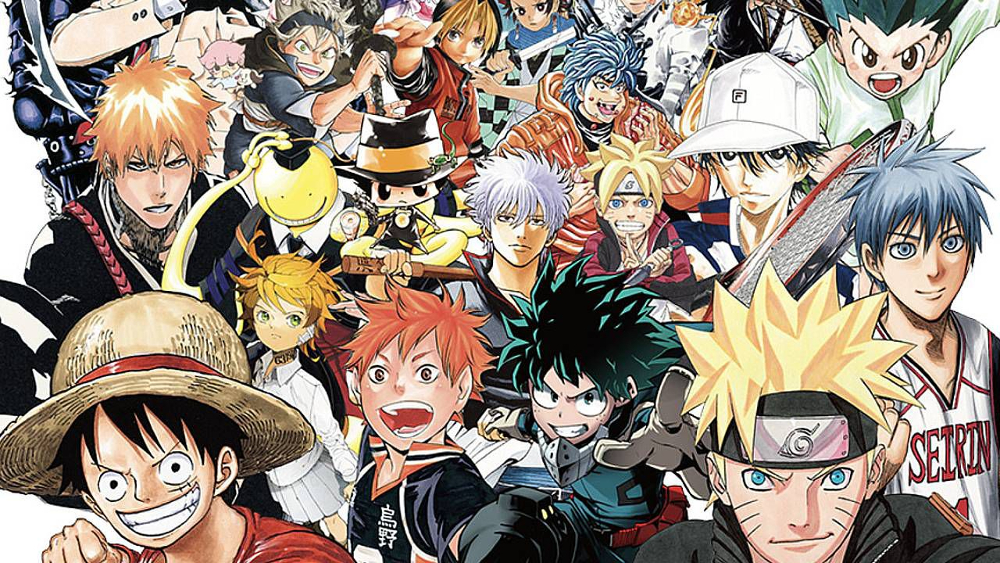
From then until now, millions of manga have been published and the otaku public is in a constant state of ferment: there are about 150 weekly or monthly magazines full of different series, which are then compiled in volumes, of which the most important ones usually reach us in Europe. We can talk all we want about Marvel, DC and independent comics, but what kids really read is here, among people with outstretched arms, high school sweethearts and people turned into chainsaws. Want to get started in the hobby? We’ve selected ten perfect manga to get you started. The bad news is that you’ll never want to quit.
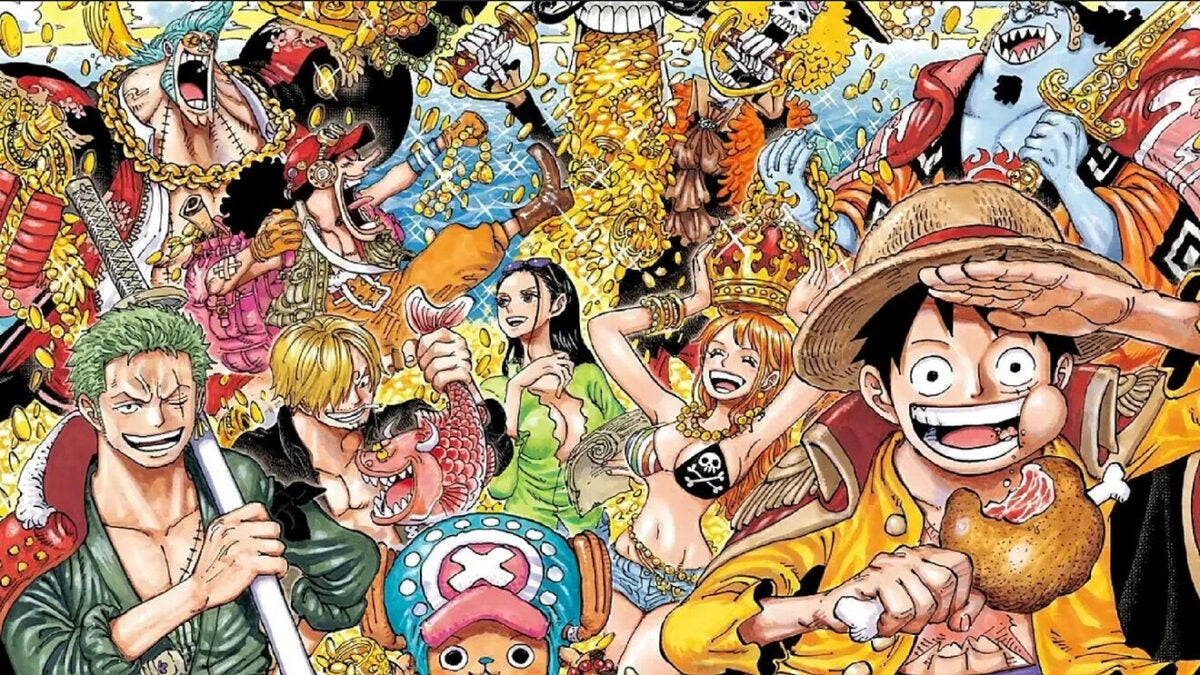
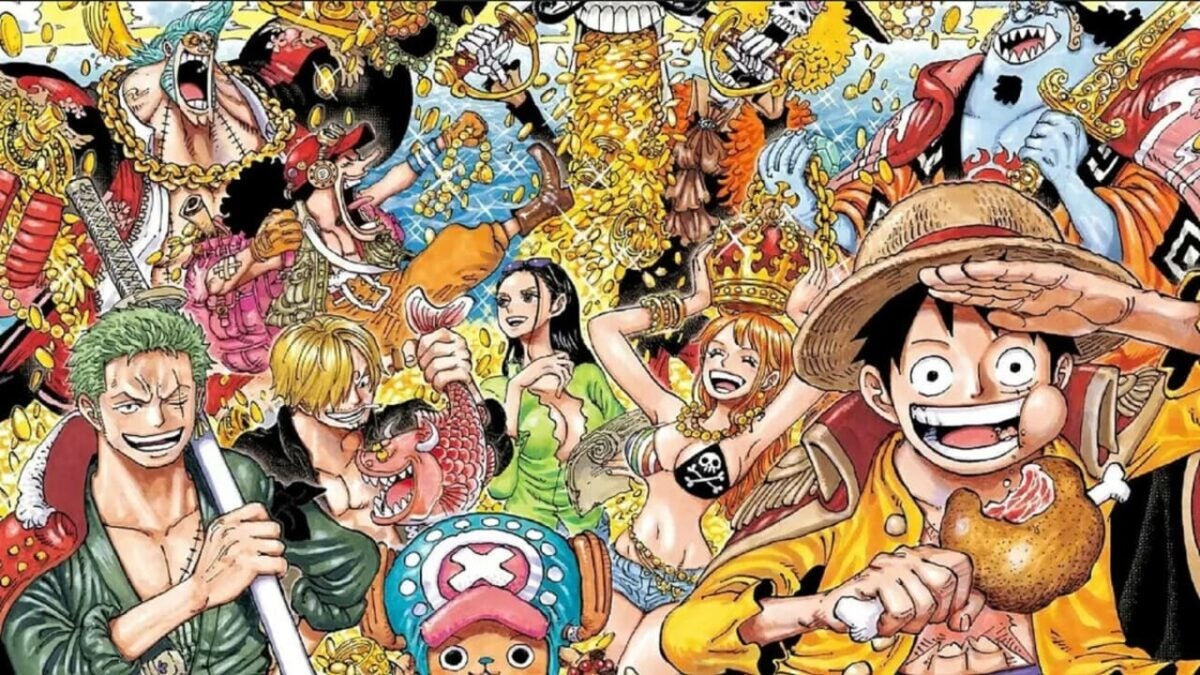
From its inception in 1997 until now, ‘One Piece‘ has become more than just the trendy shonen (for boys) manga: it is pure pop culture and one of the greatest adventures in the history of fiction. What started out as something very simple has become entangled with hundreds of characters whose lives, careers and fights are intertwined and you never know when they will become important again. Comedy, drama, fights and a lot of heart in the manga that, if you don’t feel lazy, you have to read. In Spain it is published in two different editions: one volume by volume and another one, which has just started, that joins three in one. As difficult to read as it is easy to collect.
Monster (Naoki Urasawa)
Volumes: 9
Naoki Urasawa’s work is counted by masterpieces more than by manga: ’20th century boys’, ‘Pluto’, ‘Asadora!’ and, of course, ‘Monster’, the first one that came to Spain and possibly the most remembered. A story full of folds, unexpected twists and an exquisite drawing that will surprise you. Also, in case you find it hard to read things set in Japan, you should know that almost all of its 162 episodes take place in Germany and the Czech Republic. Ah! You can find it in kanzenban (fat) volumes published by Planeta.
Adolf (Osamu Tezuka)
Volumes: 1, 2 or 5
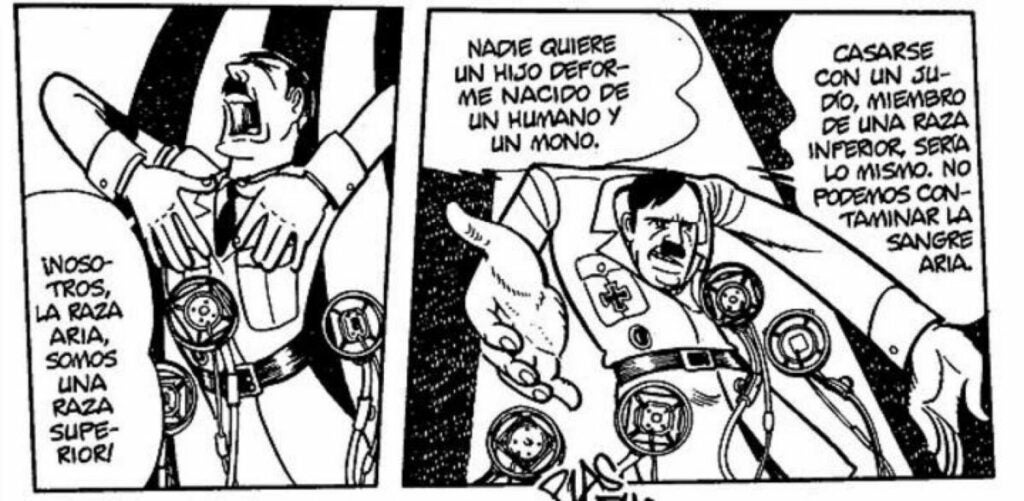
Osamu Tezuka is considered the “god of manga” and it’s not an appellation given by chance. It’s practically impossible for you to read everything he wrote and drew during his lifetime, but there is one manga in particular that you should check out as a fabulous chronicle of Nazism: ‘Adolf’ was published in the mangaka’s mature stage, in 1982, and tells the story of three different Adolfs who will have parallel lives. Including, of course, Hitler. A real pearl that you can find in full volume format, in two large volumes or five more transportable ones. You choose, but read it anyway.
Maison Ikkoku (Rumiko Takahashi)
Volumes: 10
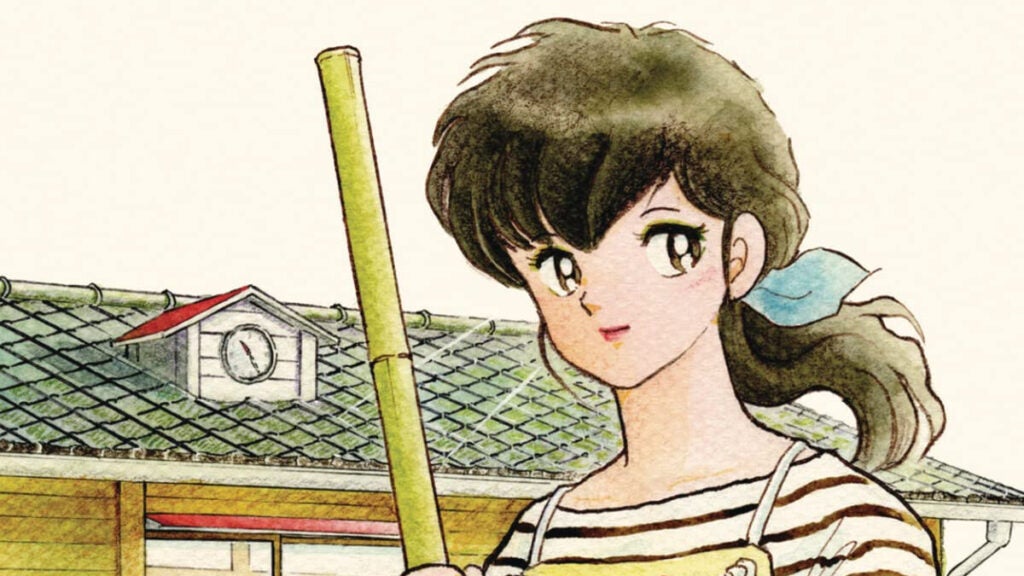
It’s hard to choose something from Rumiko Takahashi, the author of works like ‘Ranma 1/2’, ‘Inu Yasha’ or ‘Lamu’, but we’ll take one of her first titles, an adult romance manga with a lot of crazy comedy that will make you fall in love with each of the characters of that crazy house, but especially with Kyôko and Godai, who will live encounters, misunderstandings, continuous love and heartbreak until, probably, the most satisfying ending of an author who finds it hard to finish her stories. Just now it has just begun to be republished in ten large volumes, but if you are very old you may remember its first edition as ‘Juliette je t’aime’.
Video Girl Ai (Masakazu Katsura)
Volumes: 9 or 15
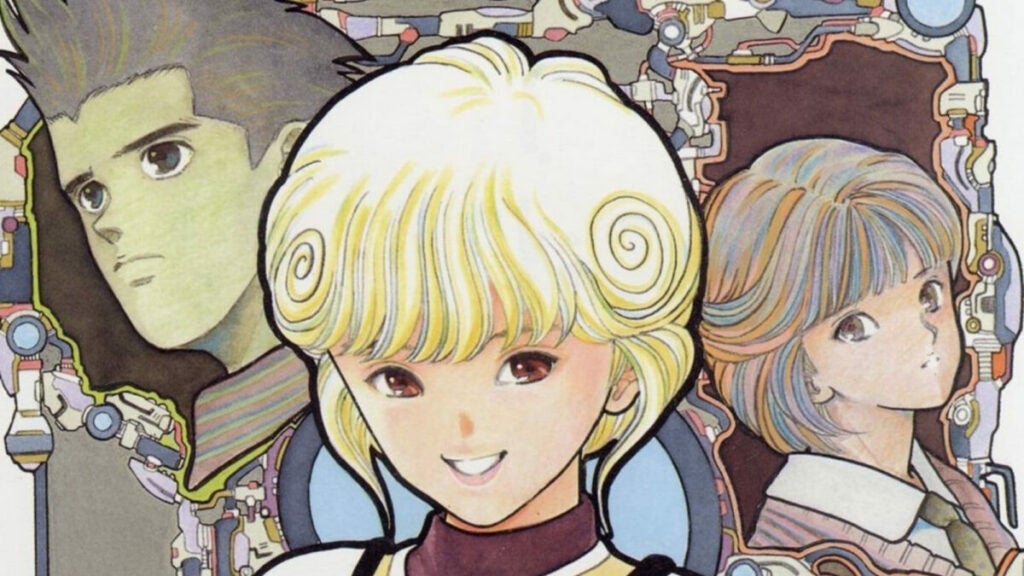
Maybe it’s because it’s the first manga I ever read, but I’ve always found a purity in ‘Video Girl Ai’ that I don’t see in other romantic shonen. Yes, it exaggerates the sexual attributes of its protagonists. Yes, it drags on a little bit. But it’s so dramatic, so adolescent, so hopelessly romantic, so racy and so funny that you just have to read it to realize what manga in the 90’s was all about in one work. If you like it, it goes together with another mythical work by Katsura, ‘I “s’. You can find it in a series of 15 volumes that came out a long time ago and included its sequel ‘Video Girl Len’ or in a reprint in 9 volumes that will begin soon by Planeta.
Good evening, Punpun (Inio Asano)
Volumes: 13
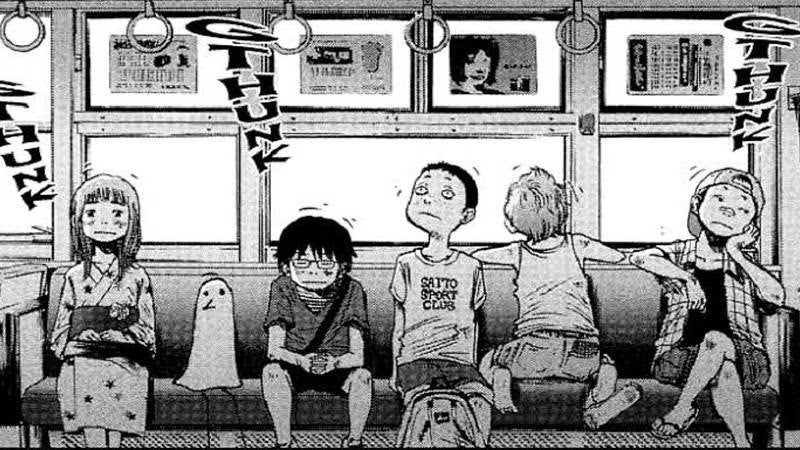
Inio Asano is one of the most interesting adult voices in manga. His are ‘Solanin’ or ‘Dead Dead Demons Dededede Destruction’: he is a specialist in, under a layer of sweetness and innocence, breaking your heart into a thousand pieces. And nowhere as in Punpun, the series about a dysfunctional character who grows from childhood to his twenties: the manga begins as the profile of a strange character in a world he doesn’t understand and ends up delving into philosophy and nihilism in an unforgettable and emotionally catastrophic final stretch. A marvel.
Uzumaki (Junji Ito)
Volumes: 1
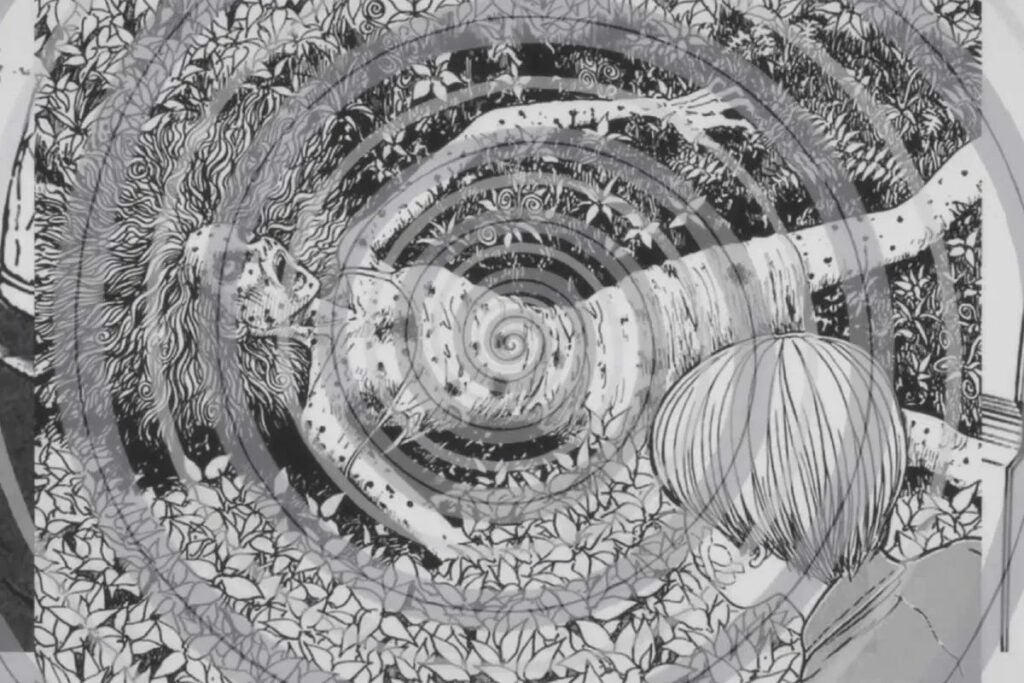
When talking about influential authors in contemporary horror, Junji Ito has to appear. His convoluted images, languid stories, threadbare characters and devastating black and white make stories like ‘Uzumaki’ authentic windows to nightmares. In a single volume (or 6 if you have the old edition) you will see a people gradually becoming obsessed with spirals until, suddenly, they are the only thing that matters in their lives….. And you will enter a state of madness from which there is no return. If you like it, don’t miss the rest of his work, published extensively over the years (but especially the terrific ‘Tomie’. You’re welcome).
My Father’s Almanac (Jiro Taniguchi)
Volumes: 1
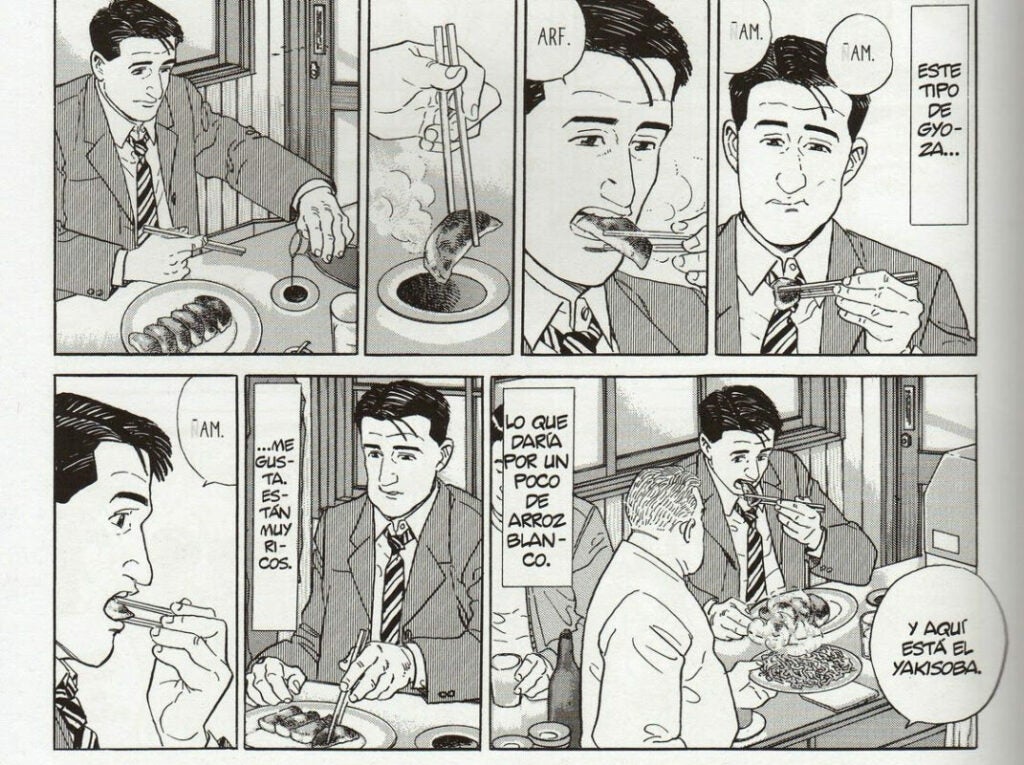
And the exact counterpoint to Ito is Jiro Taniguchi, an author focused on tranquility, landscapes, walks and melancholy who reached his masterpiece in ‘My Father’s Almanac’, a twist on nostalgia that reflects the transformation of Japan represented in a family, and in particular a father, who, like all people, is full of edges and is much more complex than he seems. If you want to delve into his work, ‘The Wayfarer’ and ‘Distant Neighborhood’ will fill you with joy and, at the same time, sadness. This is the magic of Taniguchi.
My Lesbian Experience with Loneliness (Kabi Nagata)
Volumes: 1
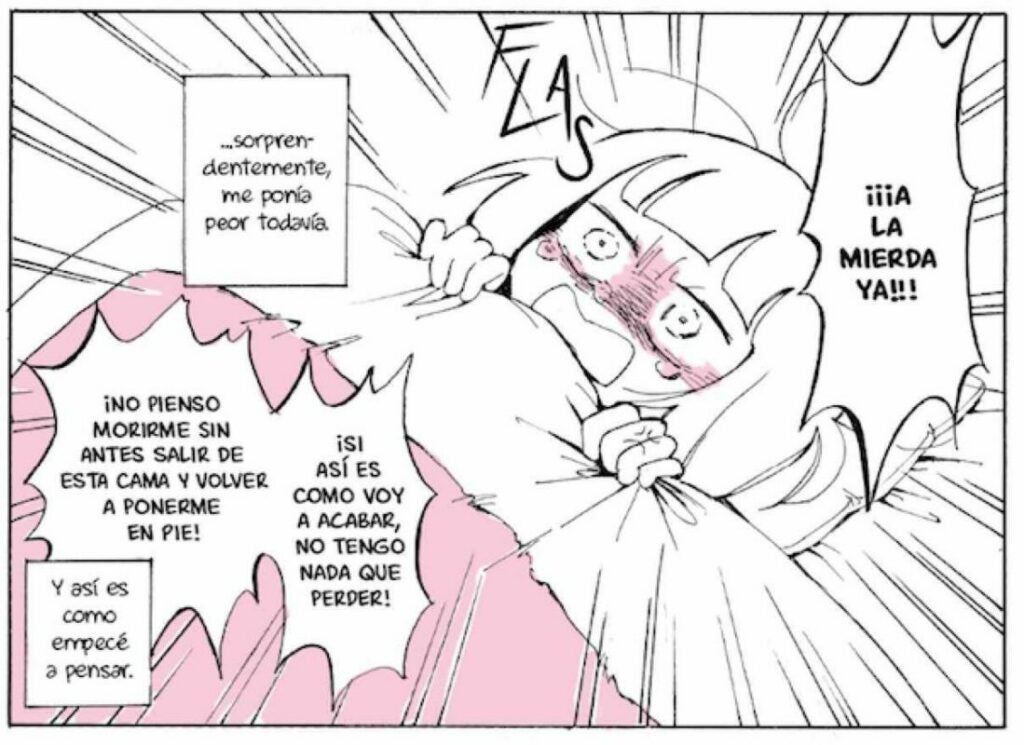
Kabi Nagata is a mangaka with mental problems who has depicted her life in several manga, the most famous of which is this one, in which she tells how she overcame her shyness to hire a lesbian prostitute… And the mistake it was. Nagata is direct, honest, funny and although she falls into self-hatred more times than we, as readers, would like to read, it is more than understandable seeing the life she tells us about. As you will probably want more after reading the volume edited by Fandogamia, you also have ‘Exchange diary (with myself)’, ‘I ended up in a rag running away from reality’ and ‘Kabi Nagata, wandering warrior’. They never reach the refreshing novelty of this volume but they are great all the same.
Yotsuba! (Kiyohiko Azuma)
Volumes: 15 (and counting)
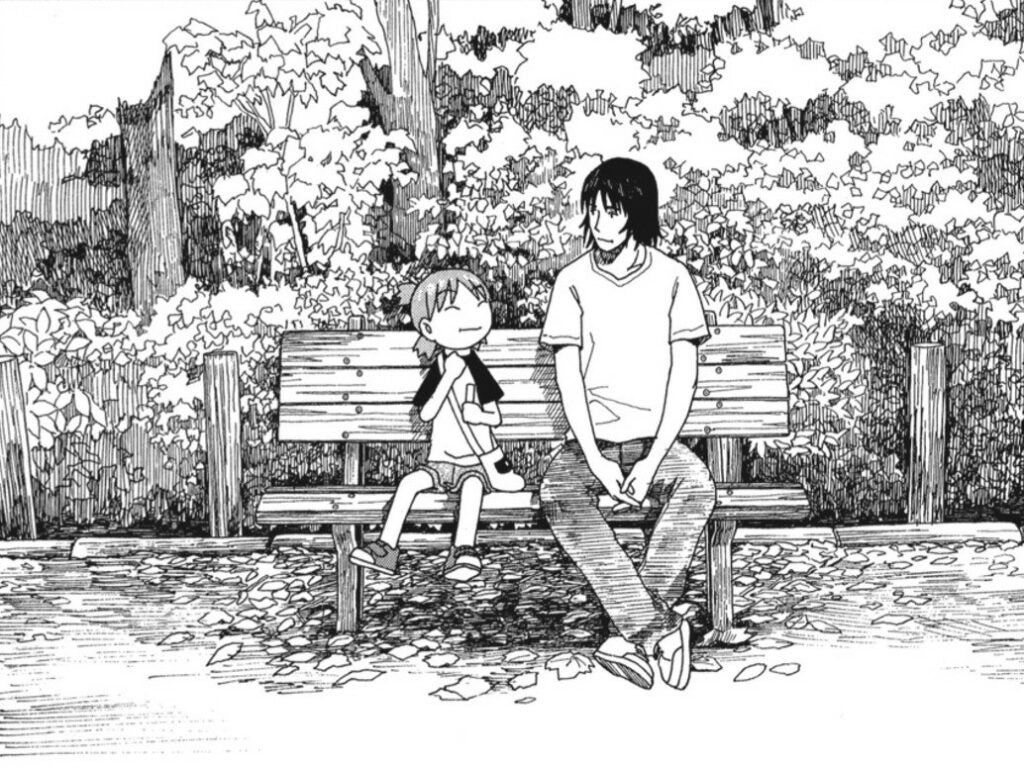
Yotsuba is a girl who discovers the world. That’s the manga. That’s all there is to it. It’s the cutest and cutest thing you’ll ever read in your life, thanks to some kind and well-defined characters, a funny and adorable drawing, Azuma’s perfect understanding of the childish mind and the absolute love that is her protagonist. There is no choice but to end up loving it. Unlike many other series, each chapter of the manga is monthly, which prevents volumes coming out at full speed. Better: it’s a chance to take life easy. Just like Yotsuba.
It is now, after almost 1100 chapters, when we finally begin to look, very distantly, at the end of the adventure.
If you don’t know ‘One Piece’ yet, it’s probably because the barrier of more than a thousand episodes is pushing you back. If you’re already a fan, you’re probably one of those who have uttered the phrase “Well, but they go by in no time, little by little you get there, it’s worth it”. Eiichiro Oda’s manga was born in the pages of Shonen Jump on July 22, 1997 and since then until today have continued to be published almost without rest. But… What if we told you that it would have ended twenty years ago?
For Oda, the story of a pirate who stretches himself and his crazy crew was not enough for more than five years: one of presentation where all the companions would join, three in Grand Line and one of the final saga. But as good as the mangaka is at telling stories, he is not good at calculating time: after 101 episodes, the group of only five crew members (out of the ten planned) managed to reach the beginning of the main adventure. It is now, after almost 1100 episodes, that we finally begin to glimpse, very distantly, the end of the adventure.
It is surprising that the creator of one of the most influential manga of all time is so absent-minded. For example, in 2003 he said that a crew member would die that year: it would happen three years later with the destruction of the Going Merry. He also wanted to kill Ace, Luffy’s brother, the same year of his appearance, and if you’ve read the manga or watched the anime you already know how the matter ended. So when he says there are only three years left for the adventure to end, it’s best to take it with a grain of salt.
Although it may surprise us when a manga exceeds 1,000 episodes, in Japan it is quite normal. For example, ‘Kobo-chan’, a strip by Masashi Ueda that has been published for forty years, exceeds 13,300, and ‘Sazae-san’, which saw its protagonist grow from 1946 to 1994, ended its run with a whopping 6,477 episodes (more than 8,000 in the anime, which is still being broadcast). It is possible that Oda’s work will eventually overtake classics like ‘Doraemon’ (1,345 issues) or ‘Detective Conan’ (1,125 so far) in length, but it remains to be seen. It will depend on the mangaka’s calculation, fight up fight down.
For the time being, we’ll settle for holding on to Luffy’s arms, shifting into fourth gear and letting ourselves be surprised until we become those people who recommend anime that anyone would take five years to watch. Or is it that only Eiichiro Oda has the right to change his mind?