Virtual reality is in a critical state, facing significant challenges that cast doubt on its future as a pillar of video gaming. Ten years ago, VR promised to revolutionize the industry, but today it faces a complicated landscape, marked by cutbacks and projects that fail to take off. Recently, Meta, the parent company of Facebook, announced the closure of several of its internal studios dedicated to game development for its Meta Quest platform, including Sanzaru Games and Twisted Pixel.
The complicated virtual reality market
Since January 13, various developers from these companies have shared on social media the news of their layoffs, which has raised concerns about the direction of Meta’s Reality Labs division, which has been affected by losses nearing $4 billion. Sources indicate that the company plans to cut between 10% and 15% of its staff in this area, which has approximately 15,000 employees and several internal studios.
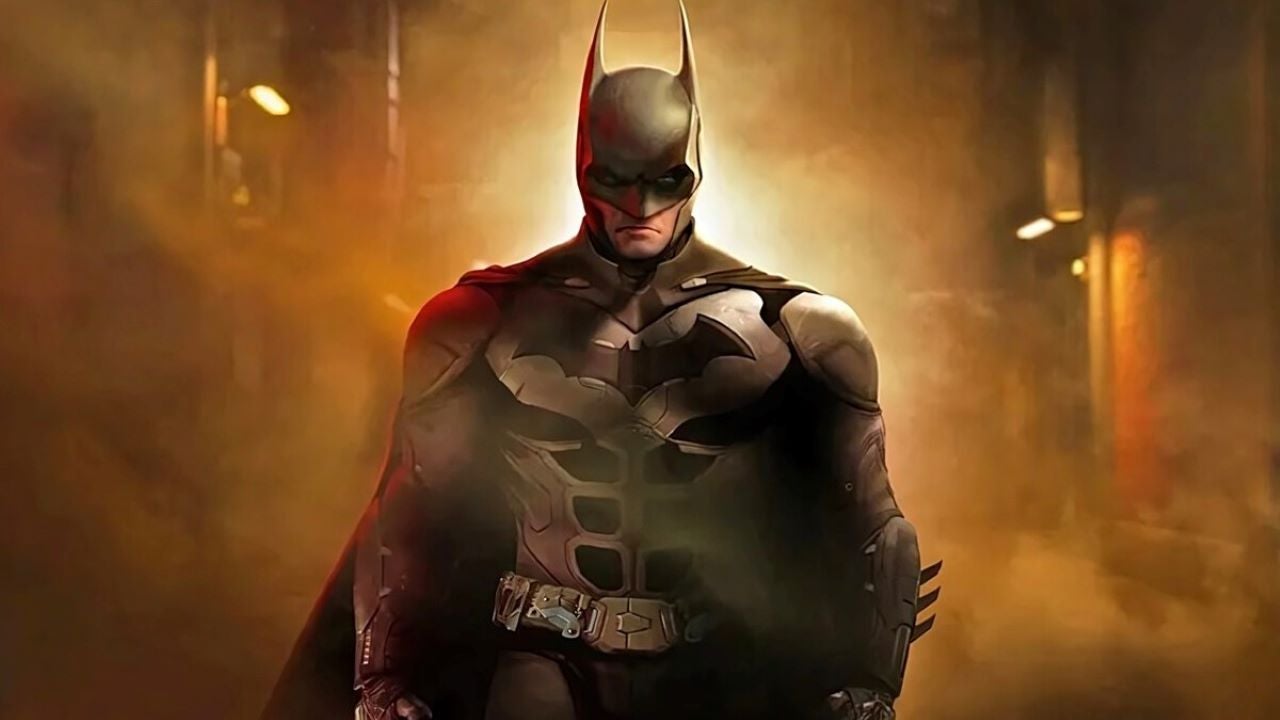
Layoffs and closures have generated uncertainty especially regarding the development of the sequel to Batman: Arkham, a project that was under the direction of Sanzaru. Although some initial reports suggested that the studio may have closed permanently, it has been confirmed that Camouflaj, responsible for the successful Batman: Arkham Shadow, has not been closed, although it has also been impacted by the cuts. However, with Sanzaru out of the equation, the future of the sequel to this VR game is uncertain, leading to speculation about its possible cancellation.
This radical move by Meta reflects a shift in its priorities, indicating a significant reduction in its investment towards the metaverse and virtual reality, which has effectively been a failure compared to the initial expectations surrounding the technology.