Mark Zuckerberg presented the Metaverse just over four years ago as the vision of the future for technology and communications, while rebranding Facebook as Meta. This transformation was accompanied by a multimillion-dollar investment aimed at creating a virtual space where users could socialize, work, and have fun. However, reality has proven to be very different, as the central platform of the Metaverse, Horizon Worlds, only reached a modest 200,000 active users, a figure considered insufficient given the magnitude of the investment. An idea that was sold to us as inevitable In a twist […]
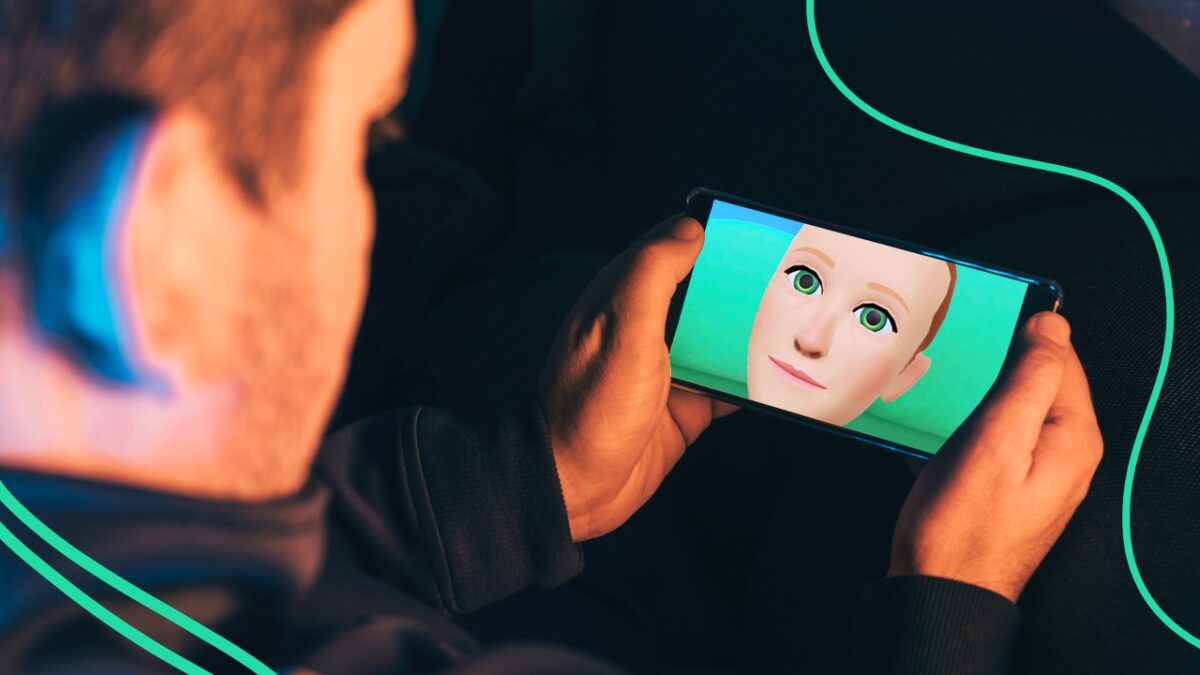
Mark Zuckerberg presented the Metaverse just over four years ago as the vision of the future for technology and communications, while rebranding Facebook as Meta. This transformation was accompanied by a multimillion-dollar investment aimed at creating a virtual space where users could socialize, work, and have fun. However, reality has proven to be very different, as the central platform of the Metaverse, Horizon Worlds, only reached a modest 200,000 active users, a figure considered insufficient given the magnitude of the investment.
An idea that was sold to us as inevitable
In a significant turn, Meta announced that Horizon Worlds will officially close on June 15, 2026. Users will no longer be able to build worlds in virtual reality or access the platform through VR devices, marking a clear failure in Zuckerberg’s ambitious vision. More than $80 billion in losses have accumulated since 2020 in the Reality Labs division, which is responsible for the Metaverse and virtual reality, raising concerns about the future viability of the project.
As of March 31, 2026, the most iconic spaces of Horizon Worlds, such as Horizon Central and Events Arena, will disappear. The only option that will remain will be a mobile version of the platform, which will resemble more of a three-dimensional social network than the immersive experience that was initially promised. The situation has led many to wonder if this is the definitive end of Meta’s aspirations in the Metaverse and whether the company will be able to regain its footing in the face of such significant losses.
This outcome is a reminder that, while technology advances by leaps and bounds, public acceptance plays a crucial role in the success of new platforms and visions. As the closure of Horizon Worlds approaches, the future of Meta’s Metaverse seems to be at a crossroads.
In the video game world, there are many forgotten franchises. Games that were huge successes in their time and that, perhaps because it is considered that times have changed a lot, have now been almost definitively shelved. Not having received a new Castlevania or a new F-Zero in over 20 years seems almost ridiculous, considering the infinite potential of both franchises, but fans have to resign themselves to the reality of things: there is little that can be done if companies have no interest. And this is despite the fact that we have chosen two franchises that are still alive, Castlevania even having made a comeback […]
In the video game world, there are many forgotten franchises. Games that were huge successes in their time and that, perhaps because it is considered that times have changed a lot, have now been almost definitively shelved. Not having received a new Castlevania or a new F-Zero in over 20 years seems almost ridiculous, considering the infinite potential of both franchises, but fans have to resign themselves to the reality of things: there is little that can be done if companies have no interest. And this is despite the fact that we have chosen two franchises that are still alive, with Castlevania even having returned from the dead with the announcement of a new game for this year.
Because there is always hope. Even franchises that seem dead and forgotten sometimes return in the most unexpected ways. This has happened with the .hack franchise, one of those sagas that seemed we would never see again even though, during the 00s, they became really popular within a very specific sector of anime fans. And we are going to tell you everything you need to know about it, including why there are people popping champagne for its return.
The franchise that made transmedia popular
.hack is a Japanese multimedia franchise created and developed by CyberConnect2 and published by Bandai Namco Entertainment, designed from its origins to establish synergies between different media. The story would be told through video games, anime, manga, and novels, all occurring in parallel, none being adaptations of any other. Each would tell a specific aspect of the world, focusing on common characters or situations among them, but each developing its own themes and stories.
The first iteration of this story was called Project .hack and involved, in addition to CyberConnect2, some of the most talented anime studios of the 2000s, such as Gainax and Bee Train. The result was a huge popularity of the franchise, especially of its video games and animes, even causing a significant impact in the West.
But what is .hack about? It’s about a world like ours, but in an alternative reality, where technology has evolved in a different and substantially faster way. Because of this, an alternative to the Internet has emerged, favoring virtual reality in interaction with technology. However, a global disaster in the computer network in 2005 caused by a virus called The Kiss of Pluto causes an MMORPG called The World to collapse, resulting in an extremely peculiar situation. Everyone who was connected at that moment became trapped inside the game. And those who die inside it also die in reality.
Although this is a well-known and overused premise today in manga and anime, even in young adult literature and science fiction, it was not at the time of its publication in 2002. And that made it tremendously popular. It quickly swept among young people in Japan and the West alike.
A franchise with many layers
The anime hack//Sign, directed by Kōichi Mashimo and produced by the Bee Train studio and Bandai Visual, served as a prequel for everything that was to come. Establishing its main characters, a tone focused on the psychological and sociological themes of being trapped in a foreign world, and embracing a tone bordering on thriller in which the studio had been specializing over the years.
This would serve as the basis for the tetralogy of PlayStation 2 games that would form the foundation for the franchise. .hack//INFECTION – Part 1, .hack//MUTATION – Part 2, .hack//OUTBREAK – Part 3, and .hack//QUARANTINE – Part 4 would imitate the style of an MMORPG within an action RPG, developing the themes of the anime more deeply, focusing more on the characters and The World, concentrating on the consequences of an increasingly unstable video game where all players are approaching, ever closer, to an inevitable apocalypse.
The tetralogy was extraordinarily well received and is still considered a masterpiece among its many fans. But the franchise didn’t stop there. After that, they made .hack//frägment, an MMORPG based on .hack, as well as several miniseries based on the universe. All of which would lead to a new project: .hack Conglomerate.
With new protagonists and the same structure as the original, with an anime .hack//Roots, occurring before the events of the main video game, .hack//G.U. Vol.1//Rebirth, .hack//G.U. Vol.2//Reminisce, .hack//G.U. Vol.3//Redemption, and .hack//G.U. Vol.4//Reconnection, although it had much more development, with more animes and more mangas and more spinoffs in video game format, the success of .hack Conglomerate was much more discreet. While many of its fans enjoyed this new iteration, many others considered it a lesser version of the previous one. And the critics in general did not see the same freshness that they found in the original tetralogy, even if Bee Train continued to offer the same quality on the anime side.
Although the franchise had six years of releases, by 2012 they had already finished with the last title, .hack//Versus, a fighting game that was only released with the Blu-ray launch of .hack//The Movie in its Japanese version. At least, until now.
CyberConnect2 has announced to celebrate its 30th anniversary the release of .hack//Z.E.R.O, an action RPG set in the universe of the .hack franchise. With no Bandai Namco behind it, we currently have no release date or announced platforms, except for a teaser from Kamikaze Douga, the studio behind animes like Pop Team Epic or Ghost of Tsushima: Legends.
Surely we still have to wait to see more of .hack//Z.E.R.O, but what we have seen so far is already impressive and has left us wanting more. And while it is true that the franchise did not end on its highest note, it is no less true that CyberConnect2 has demonstrated over the last fifteen years that they are a top-tier studio capable of making excellent games. That is why it is interesting to return to the .hack/ universe and see what they are capable of without having to rely on the burden of transmedia once again.
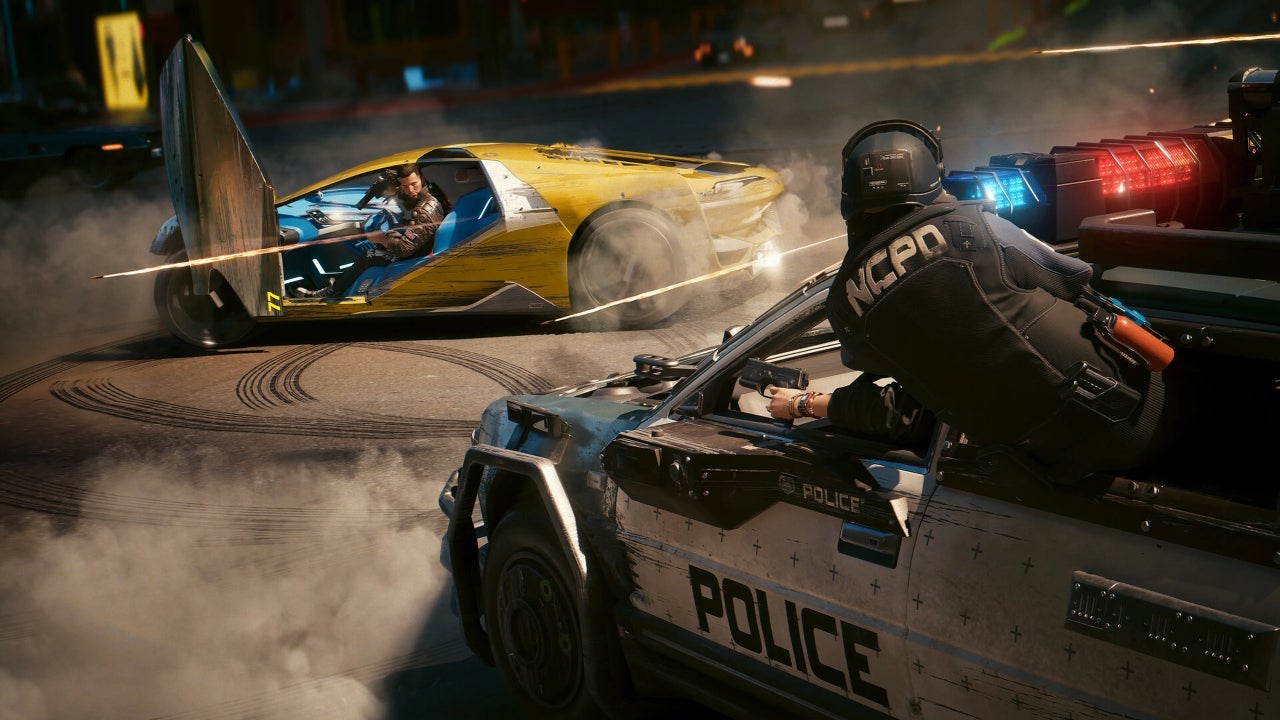
CD Projekt has issued a DMCA notice requesting the removal of the R.E.A.L. VR mod, created by Luke Ross, a well-known mod developer who provides virtual reality support for various games, including Cyberpunk 2077. This action has generated a great uproar on social media, where users express criticism towards the company, suggesting that the mod could be released for free with a donation option. Better for it not to exist than to exist for free Luke Ross, who earns more than $20,000 a month through his Patreon account for access to […]
CD Projekt has issued a DMCA notice requesting the removal of the R.E.A.L. VR mod, created by Luke Ross, a well-known mod developer who provides virtual reality support for various games, including Cyberpunk 2077. This action has generated a great uproar on social media, where users express criticism towards the company, suggesting that the mod could be released for free with a donation option.
Better to not exist than to exist for free
Luke Ross, who earns over $20,000 a month through his Patreon account for access to the mod, has questioned the logic behind CD Projekt’s decision, comparing it to Take-Two Interactive’s actions against similar mods in the community.In his message, Ross expressed his disappointment, noting that these corporate decisions seem to be motivated purely by financial reasons, while modders should offer their work completely for free.
Despite the controversy, Ross also announced that the R.E.A.L. VR mod is now compatible with Baldur’s Gate 3, which could attract an even larger audience. However, it should be noted that CD Projekt has made it clear in its policies that while they allow reasonable donations for fan content, they prohibit the sale or exclusive access through paid platforms.
The gaming community has become polarized on the issue; some defend Ross, arguing that his mod has improved the experience for many players, while others believe he should adhere to the established regulations set by the developers. This situation highlights the delicate balance between the creativity of modders and the intellectual property rights of large companies in the video game industry.
Virtual reality is in a critical state, facing significant challenges that cast doubt on its future as a pillar of video gaming. Ten years ago, VR promised to revolutionize the industry, but today it faces a complicated landscape, marked by cutbacks and projects that fail to take off. Recently, Meta, the parent company of Facebook, announced the closure of several of its internal studios dedicated to game development for its Meta Quest platform, including Sanzaru Games and Twisted Pixel. The complicated virtual reality market Since January 13, various developers from these companies have shared on social media […]
Virtual reality is in a critical state, facing significant challenges that cast doubt on its future as a pillar of video gaming. Ten years ago, VR promised to revolutionize the industry, but today it faces a complicated landscape, marked by cutbacks and projects that fail to take off. Recently, Meta, the parent company of Facebook, announced the closure of several of its internal studios dedicated to game development for its Meta Quest platform, including Sanzaru Games and Twisted Pixel.
The complicated virtual reality market
Since January 13, various developers from these companies have shared on social media the news of their layoffs, which has raised concerns about the direction of Meta’s Reality Labs division, which has been affected by losses nearing $4 billion. Sources indicate that the company plans to cut between 10% and 15% of its staff in this area, which has approximately 15,000 employees and several internal studios.
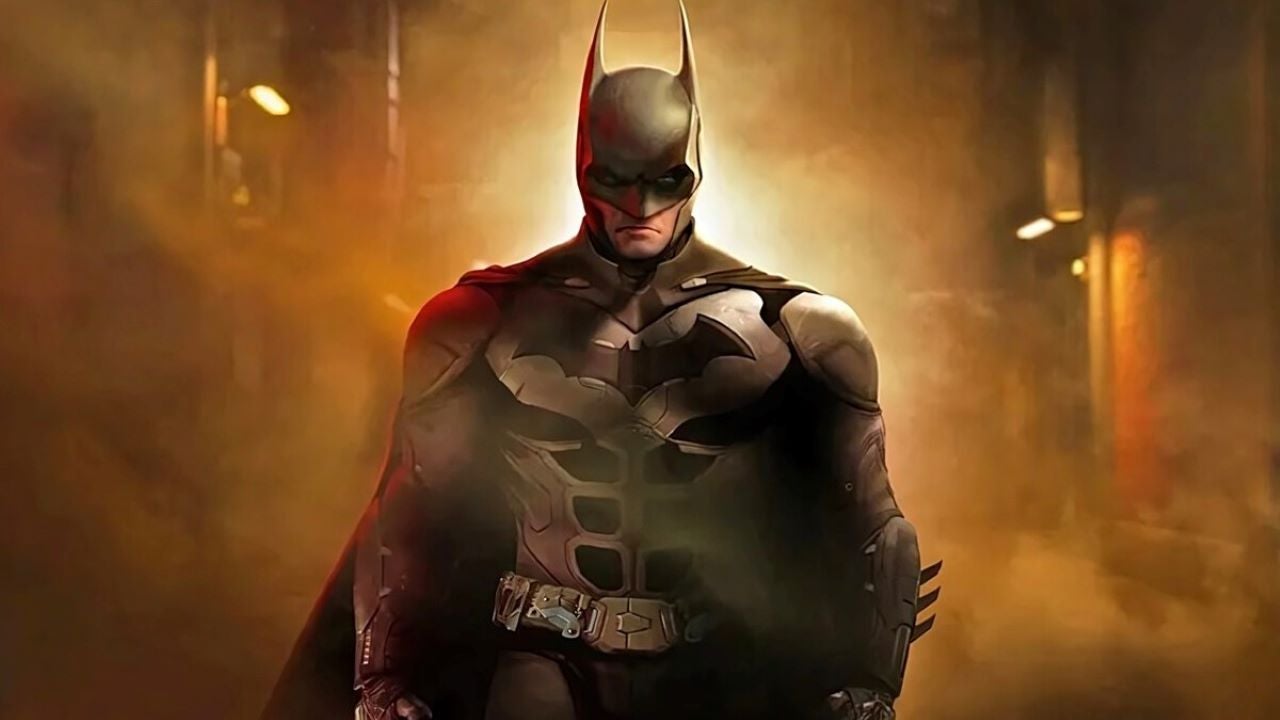
Layoffs and closures have generated uncertainty especially regarding the development of the sequel to Batman: Arkham, a project that was under the direction of Sanzaru. Although some initial reports suggested that the studio may have closed permanently, it has been confirmed that Camouflaj, responsible for the successful Batman: Arkham Shadow, has not been closed, although it has also been impacted by the cuts. However, with Sanzaru out of the equation, the future of the sequel to this VR game is uncertain, leading to speculation about its possible cancellation.
This radical move by Meta reflects a shift in its priorities, indicating a significant reduction in its investment towards the metaverse and virtual reality, which has effectively been a failure compared to the initial expectations surrounding the technology.
Meta is undergoing a significant restructuring in its Reality Labs division, laying off more than 1,000 employees, which represents about 10% of its workforce. According to an internal memo, these measures are part of an effort to make the division “more sustainable.” As the company shifts its …
Meta is undergoing a significant restructuring in its Reality Labs division, laying off more than 1,000 employees, which represents approximately 10% of its workforce. According to an internal memo, these measures are part of an effort to make the division “more sustainable.” As the company changes its course, three virtual reality development studios will be closed: Armature Studios, Sanzaru Games, and Twisted Pixel, responsible for notable titles such as Resident Evil 4 VR and Asgard’s Wrath.
Forget about VR video games
The decision to reduce the focus on virtual reality and the metaverse has arisen after accumulating losses of approximately $50 billion between 2020 and 2024. Despite the massive investment, Meta has failed to produce a successful and widely used product in the market. Andrew Bosworth, CTO of Meta, had warned that the metaverse could become a “legendary misadventure” if Reality Labs did not recover soon. However, the future of the metaverse is now centered on mobile devices and wearables powered by artificial intelligence, far from fully immersive virtual reality headsets.
The company plans to reinvest the savings generated by these layoffs into the development of new wearable technologies, although this raises concerns about privacy and potential legal complications. The new devices could offer innovative features, but they also present a dilemma regarding their general acceptance and effectiveness in the market. With a starting price of $799 for certain devices, doubts are raised about their viability in an environment where consumer trust is at stake.
Meanwhile, Meta will continue to work on the metaverse, but with a more limited focus and at a slower pace in the development of VR headsets. Although the company is expected to explore new avenues, the path to consolidating its vision for the future seems to be fraught with obstacles.
Valve seems to be about to announce a new gaming hardware device called Steam Frame, which could be a successor to the successful 2020 Valve Index virtual reality headset. Based on the recent trademark application for the term Steam Frame and the movements of several influencers heading to Seattle this week, everything indicates that the reveal of the new technology is just around the corner. It is suggested that this new device could be the final version of the Valve Deckard, a virtual reality headset in development, complemented with new controllers whose name […]
Valve seems to be on the verge of announcing a new gaming hardware device called Steam Frame, which could be a successor to the successful Valve Index virtual reality headset from 2020. Based on the recent trademark application for the term Steam Frame and the movements of several influencers heading to Seattle this week, everything indicates that the reveal of the new technology is just around the corner. It is suggested that this new device could be the final version of the Valve Deckard, a virtual reality headset in development, complemented with new controllers codenamed “Roy”.
Virtual reality, always tomorrow, never today
Virtual reality enthusiasts on platforms like Reddit have gathered evidence pointing to an imminent announcement, almost strategically coinciding with Meta’s Connect event, scheduled for September 17 and 18. However, several influencers have confirmed that they will not attend this event in Silicon Valley, suggesting that Valve is preparing to shine with its own presentation at its headquarters in Bellevue, Washington.
Additionally, dataminer investigations have revealed that certain components of SteamVR have recently been renamed as “Frames” within the code. This reinforces the belief that the Steam Frame will be a wireless device, so it will not be tethered to a PC via a USB cable. This approach could represent a significant advancement in the user experience in the virtual reality space.
However, there is speculation about the future of Valve’s product line, especially with the Steam Deck. There is curiosity about whether the company will continue developing this device or if it will explore the console territory with new Steam Machines, now that SteamOS has improved considerably for gaming. In any case, new hardware from Valve always generates expectations among fans.
The world of virtual reality video games is about to experience a significant innovation with the announcement of Thief VR: Legacy of Shadow. Although the idea of immersive simulators has been limited in the realm of VR, this new game aims to fill that gap by offering classic experiences from the Thief series, such as stealth and exploration, in a completely immersive environment. A technology that favors unique approaches According to Eugenio Aguilar Oriani, publishing producer at Vertigo Games, “VR is a natural fit for an immersive simulator, as it allows […]
The world of virtual reality video games is about to experience a significant innovation with the announcement of Thief VR: Legacy of Shadow. Although the idea of immersive simulators has been limited in the realm of VR, this new game aims to fill that gap by offering classic experiences from the Thief series, such as stealth and exploration, in a completely immersive environment.
A technology that favors unique approaches
According to Eugenio Aguilar Oriani, publication producer at Vertigo Games, “VR is a natural fit for an immersive simulator, as it allows players to physically interact with the world.” Players will be able to crouch, hide, and move in the shadows to avoid detection, as well as use their own hands to steal objects and solve puzzles in a richly detailed environment.
One of the highlights is the mechanics of lockpicking, specifically designed for VR controls. Players will use both hands to manipulate the pins of a lock with haptic feedback, adding an extra level of immersion. However, some critics have expressed their dissatisfaction with elements like the string arrows, which appear with specific anchor points, limiting players’ creativity.
The story of Thief VR is set approximately 200 years after Thief: Deadly Shadows and before the 2014 reboot, creating a bridge between different periods of the series. The new protagonist, Magpie, will start as a common thief, but his journey will lead him to become a master thief, a trajectory that reflects the growth of characters in previous installments.
Thief VR: Legacy of Shadow will be released this year and will be available on Steam, promising to maintain the essence of the series while introducing new dynamics for players, both veterans and newcomers to the Thief universe.
Google and Samsung have unveiled Google’s Android XR platform, and the first hardware to run this new platform will be the mixed reality glasses called Project Moohan, created by Samsung. If you have seen the photo of the new Project Moohan glasses, they might look familiar to you, as TechRadar mentions that they are a mix between Google’s Daydream VR glasses and Apple’s high-end Vision Pro. Well, today, December 12, Google and Samsung have presented the Android XR platform and the glasses in the form of a development kit. Although not […]
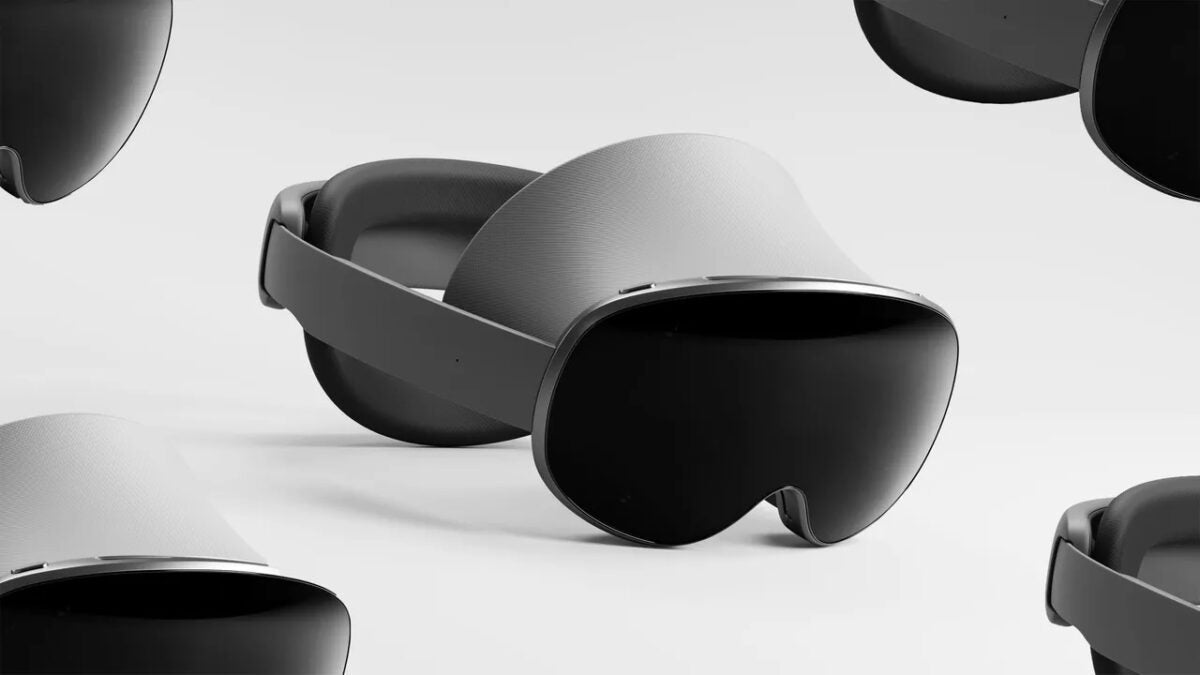
Google and Samsung have introduced Google’s Android XR platform, and the first hardware to run this new platform will be the mixed reality glasses called Project Moohan, created by Samsung.
Subscribe to the Softonic newsletter and get the latest in tech, gaming, entertainment and deals right in your inbox.
If you have looked at the photo of the new Project Moohan glasses, they surely remind you of something, as TechRadar says they are a mix between Google’s Daydream VR glasses and Apple’s high-end Vision Pro.
Well, today, December 12, Google and Samsung have presented the Android XR platform and the glasses in the form of a development kit. Although we don’t know when they will be available for sale.
What we know about the Google and Samsung project
Samsung and Google described Project Moohan as glasses that will offer the full range of XR experiences, from fully immersive to mixed reality. This makes sense considering that Moohan means “infinite” in Korean. The glasses feature eye and hand tracking and will respond to voice queries.
And Gemini, Google’s generative artificial intelligence platform, will be at the center of Google’s augmented reality system. This contrasts with Apple’s Vision Pro, which, although it integrates Apple’s Siri, does not have that level of awareness, at least for now.
"Project Moohan" is Samsung's answer to the Apple Vision Pro, and I'm so excited to see what it can do. ?
But most importantly, it would be awesome to see new things that are actually meaningful rather than just being an Apple Vision Pro copy. pic.twitter.com/72UA6NDMJw
Samsung did not comment on the key specifications of Project Moohan, refusing to go into details such as price, weight, battery location, and imaging technology, other than stating it will be high resolution. From the photos and videos seen, it appears to be gray headphones with a single band and support foam around the back of the head, and a glass front surrounded by a thin chrome bezel.
What we do know is that the silicon powering Project Moohan comes from the third part of this partnership: Qualcomm. Samsung has not specified which chip or chips Project Moohan will have, but it is logical to expect it to incorporate the advanced Snapdragon XR2.
Android XR will provide a visual experience within Moohan that should be familiar to anyone who has experienced mixed reality with Apple’s Vision Pro glasses or Meta’s Quest.
Google is also focused on ensuring that its native applications, such as Gmail, Maps, Google TV, and YouTube, are ready for Android XR, and demonstrated how YouTube could offer an immersive video viewing experience.
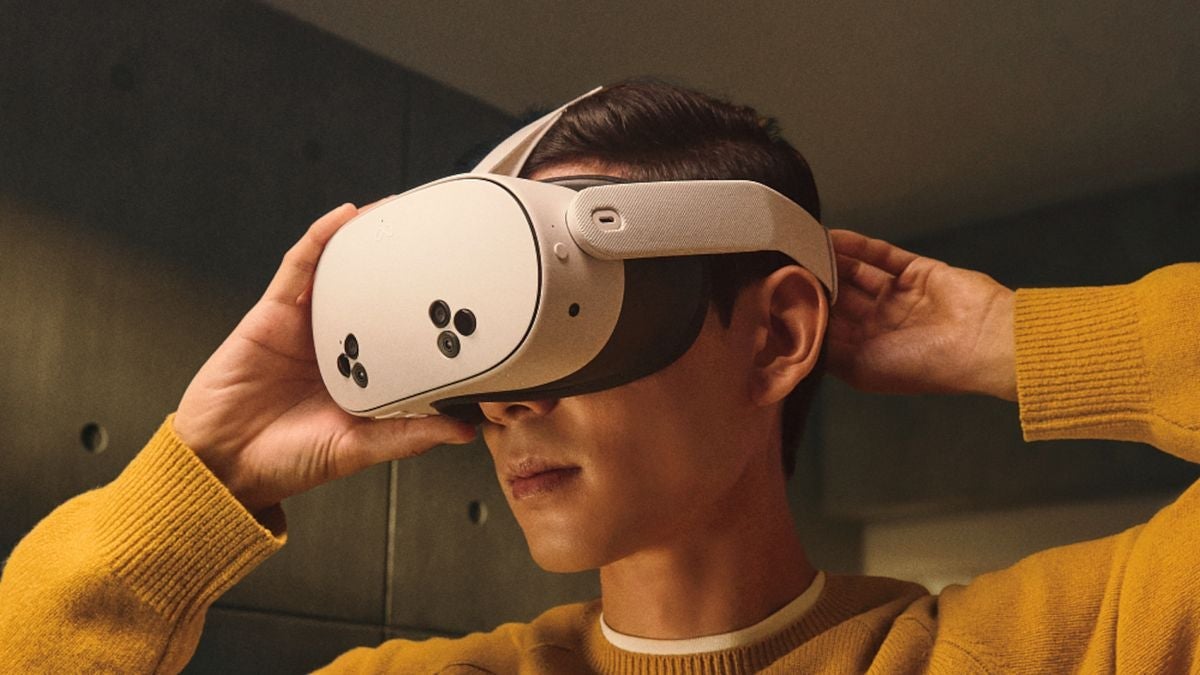
There is a company called Meta that aims to bring virtual reality, augmented reality, and mixed reality to homes around the world. And their business plan is to do it affordably, so that everyone can afford a headset. In other words, the opposite approach to Apple and the Vision Pro. Yesterday, the Meta Connect 2024 event took place, where Meta (formerly known as Facebook) showcased all their products related to VR, AR, and MR. And among everything they presented, the Meta Quest 3S drew a lot of attention.
There is a company called Meta that aims to bring virtual reality, augmented reality, and mixed reality to homes around the world. And their business plan is to do it economically, so that everyone can buy a pair of glasses. That is, the opposite approach to Apple and the Vision Pro.
Subscribe to the Softonic newsletter and get the latest in tech, gaming, entertainment and deals right in your inbox.
Yesterday the Meta Connect 2024 event took place, where Meta (formerly known as Facebook) showed all its products related to VR, AR and MR.
And among everything they presented, the Meta Quest 3S caught a lot of attention. Below, we will explain everything these glasses offer and why they are so worth it in terms of value for money.
Features, Price, and Launch of the Meta Quest 3S
The Meta Quest 3S has the same Snapdragon XR2 Gen 2 chipset as the Meta Quest 3, so their performance is essentially identical. However, there are some minor differences.
Beyond the smaller storage (Meta Quest 3 has 512 GB), the new 3S also has a slightly smaller field of view (between 89 and 96 degrees, compared to the 110 degrees of the MQ3); it uses the Fresnel lenses of the Quest 2 instead of the pancake lenses of the MQ3 (which makes them thicker); it has a single LCD screen instead of a dual one and lacks a headphone jack.
On the positive side, the average battery life of the Meta Quest 3S is 2.5 hours, higher than the 2.2 hours of the Meta Quest 3.
The Meta Quest 3S are compatible with most existing accessories, such as the Elite straps and carrying cases. However, it is incompatible with the charging dock, so a new compact charging dock is needed.
All purchases of Meta Quest 3 made from now until April 30, 2025, will be eligible for a free copy of Batman: Arkham Shadow, the prequel being developed by Camouflaj and scheduled for release on October 22. Additionally, Meta is giving away three months of subscription to Meta Quest +, which includes access to various virtual reality games.
The Meta Quest 3S will be released on October 15 and will be priced at $299 for the 128 GB version or $399 for the 256 GB version. Undoubtedly, a significant price drop that will bring virtual reality closer to many people and new customers. Meta is on the right track.
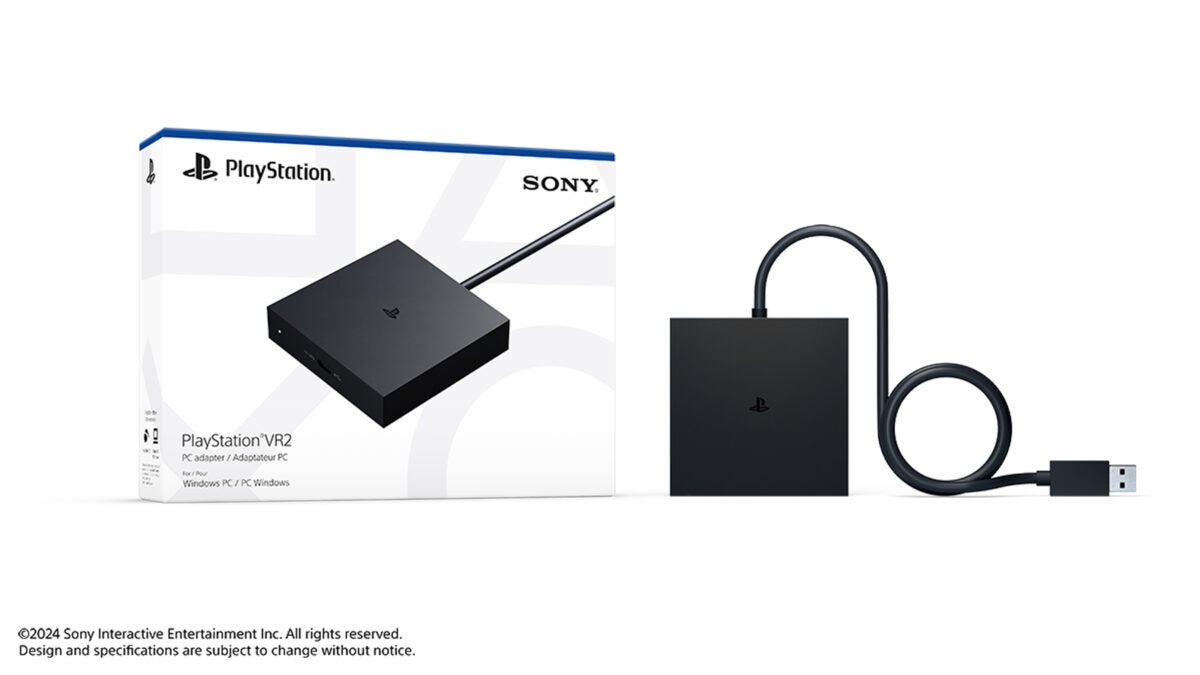
Sony has officially announced that the PlayStation VR2 adapter for PC will be available starting on August 7th, with a price of $59.99. In Europe, it will cost 59.99 euros.
This announcement represents an important step in Sony’s efforts to expand the functionality of PlayStation VR2 beyond PlayStation 5 and attract new buyers, as sales expectations for the goggles have not been met.
PlayStation VR2 is Sony’s next-generation virtual-reality goggles designed for the PS5 console. They offer significant improvements compared to their predecessor: higher resolution OLED lenses, a wider field of view, and a more comfortable design.
Starting August 7th, players will be able to connect their PlayStation VR2 goggles to PC using the new adapter, allowing users to access the wide library of virtual-reality games on Steam.
To use the VR2 on PC, players will also need a compatible DisplayPort 1.4 cable and a PC that meets the minimum requirements. The adapter will have a price tag of $59.99 in the United States, €59.99 in Europe, and £49.99 in the United Kingdom.
Installing PlayStation VR2 on a PC is simple. Users will connect the virtual-reality headset to their PC using the PS VR2 adapter for PC and a DisplayPort 1.4 cable, and then download the PlayStation VR2 app and the SteamVR app from Steam.
This configuration allows you to customize settings and purchase or acquire free VR games to play through SteamVR. However, some features specifically designed for PS5 will not be available on PC. These include HDR, headset feedback, eye tracking, adaptive triggers, and advanced haptic feedback beyond basic vibration.
Despite these limitations, other high-fidelity features such as 4K images, a 110-degree field of view, touch detection, transparent vision, foveated rendering (without eye tracking), and 3D audio will be supported.
To celebrate this announcement, Sony is also offering a discount as part of its Days of Play promotion. Until June 12th, players in some regions will be able to enjoy a 100-euro discount on PlayStation VR2 and PlayStation VR2 Horizon Call of the Mountain Bundle for PS5.