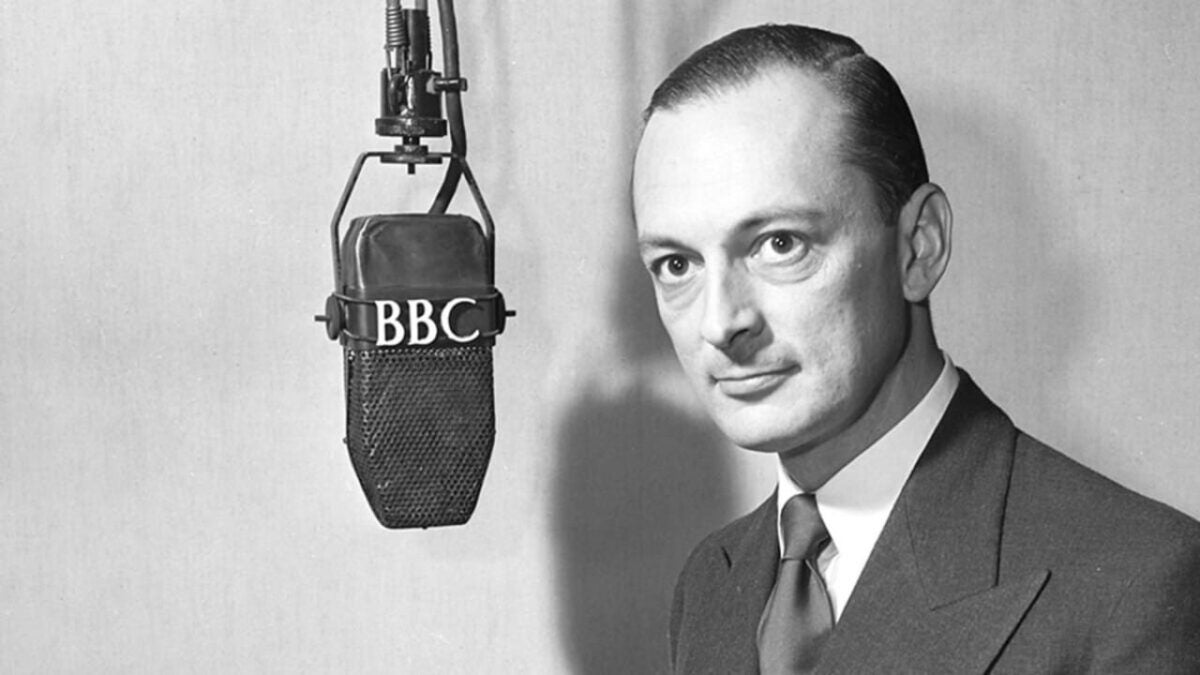
April 18, 1930: The Day the Headlines Went Silent

“Good evening. Today is Good Friday. No news.”

April 18, 1930. There were still six years to go before television began broadcasting in the United Kingdom, and news was primarily followed through radio in the absence of print media. However, on that day, in the 8:45 PM BBC bulletin, there were only three written sentences: “Good evening. Today is Good Friday. There is no news.” And then, 15 minutes of piano music. Considering the continuous stream of horrible events that dominate the news whenever we turn on the television, can we please go back to that day in 1930?

BBC iPlayer DOWNLOAD

The day without news

Indeed, significant events did occur on that very day. Firstly, a typhoon in the Philippines caused several deaths and damage around the island of Leyte. Secondly, martial law was imposed in the British-controlled part of India following a popular uprising. Additionally, in Romania, 118 people died while celebrating Good Friday in a church. So, what happened when it was time for the news bulletin? Did the BBC decide to take the day off?

In 1930, people primarily relied on newspapers for information. Radio, although successful, was still seen as a novelty, so news was perceived more as an extra rather than a necessity. After all, the BBC had only been broadcasting for eight years, and even fiction hadn’t been transmitted yet (that would happen for the first time in July of that same year). At that time, there were just over 3 million radio sets in the entire United Kingdom, which had a population of 46 million. There were still people wondering why tiny people had been placed inside a wooden box.
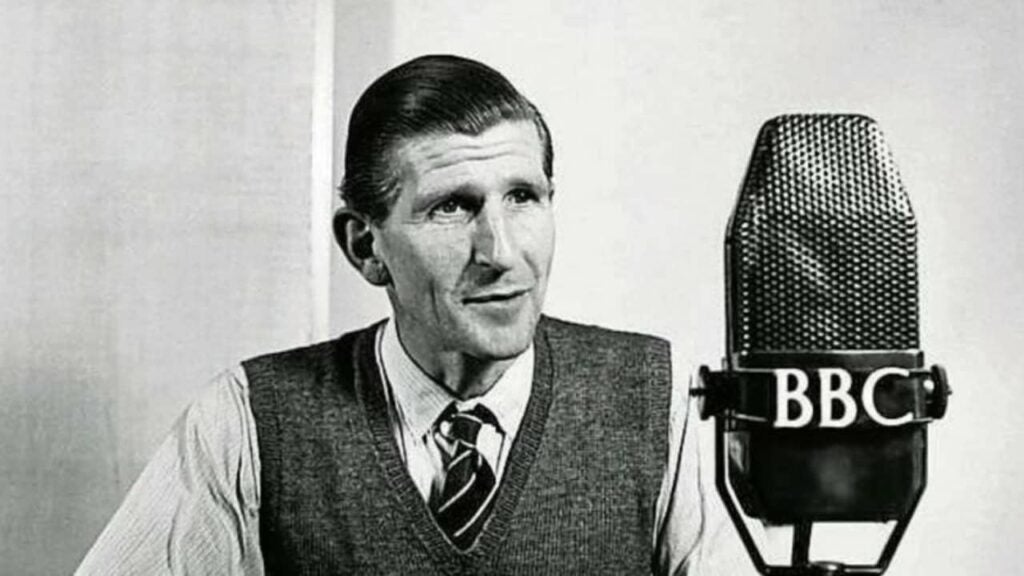
Furthermore, it was Good Friday, a date that may seem trivial to us now, but back then, it was one of the most important days of the year. It can be considered normal for the BBC not to want to spoil people’s festivities by talking about an insurrection in India, which they would find out about the next day through the serious press (you know, the one printed on paper).

93 years have passed since then, and things have changed, for better or for worse. In a matter of seconds, we can find out which influencer has complained on TikTok or what Quevedo’s favorite food is. But deep down, it would be quite beautiful if all the news broadcasts tomorrow simply said, “There is no news,” and played 15 minutes of a lady playing the piano. Just like the old times.

BBC iPlayer DOWNLOAD

Some of the links added in the article are part of affiliate campaigns and may represent benefits for Softonic.
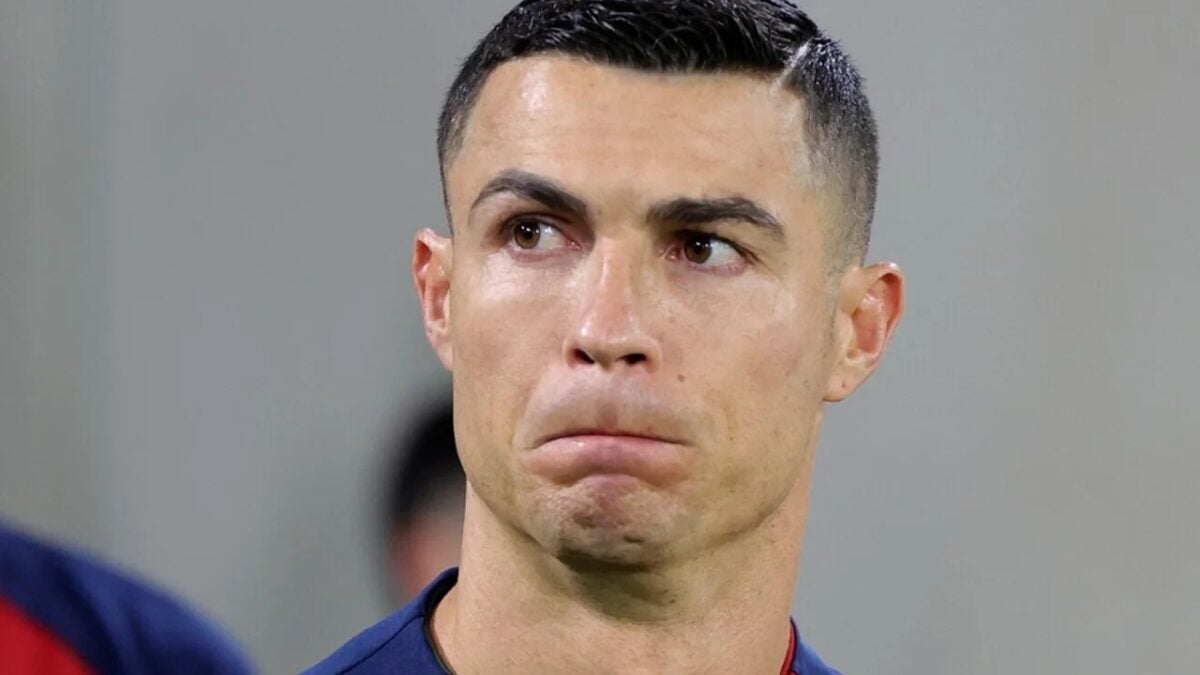

The incredible hoax about Cristiano Ronaldo and kebabs believed by the Spanish media

Cristiano Ronaldo, hoaxes, journalism and kebabs. This story is more than news: it is a symptom.

At this point in the 21st century, we all know what fake news is. There are even media such as The Onion or El Mundo Today focused on them, and nothing happens. What nobody expected is that, nowadays, someone would be so gullible as to take a piece of news from one of these two portals and believe it to the point of publishing it in national newspapers. Cristiano Ronaldo, hoaxes, journalism and kebabs. This story is more than news: it is a symptom.

Twitter DOWNLOAD

CR7 and the hoaxes

“Fan account, parody account, does not impersonate, does not affiliate with anyone”: this is the biography of the Twitter account that has given rise to a whole soccer conflict and that already gives clues that it may not have reliable information. The CR7 Timeline, as it is called, posted on April 24 a tweet about Mousalli Al-Muammar, the president of Al-Nassr, the team where the Portuguese player now plays and which featured some of his not very positive statements towards the player.

“I have only been ripped off twice in my life. The first was when I ordered 3 kebabs and there were only 2. The second was when I signed Cristiano Ronaldo”. And about the source of the news, an account that writes in Arabic with over 19 million followers, @SaudiNews50. Maybe the kebab thing could give a clue, since it is not the typical food of Saudi Arabia and responds more to a racist stereotype, but nevertheless some journalists did not end up connecting the dots.

On April 27, Cuatro gave the news as real, although it later deleted the tweet. They were not the only ones: La Vanguardia, Mundo Deportivo, El Español, Sport, Semana and many other online newspapers gave it as true, always looking for fodder in the world of soccer. Even Al-Nassr’s press officer had to make a statement to the EFE news agency: “The statements are false, they are true neither in form nor in content”.

It is surprising that in 2023 this has to be said, but we should not rely too much on everything that is said on the Internet if we do not want to be the one who is offended by Andrés Trasado or takes El Mundo Today for granted. Nowadays, no one would want to become that person on the rebound.