April 18, 1930: The Day the Headlines Went Silent

“Good evening. Today is Good Friday. No news.”

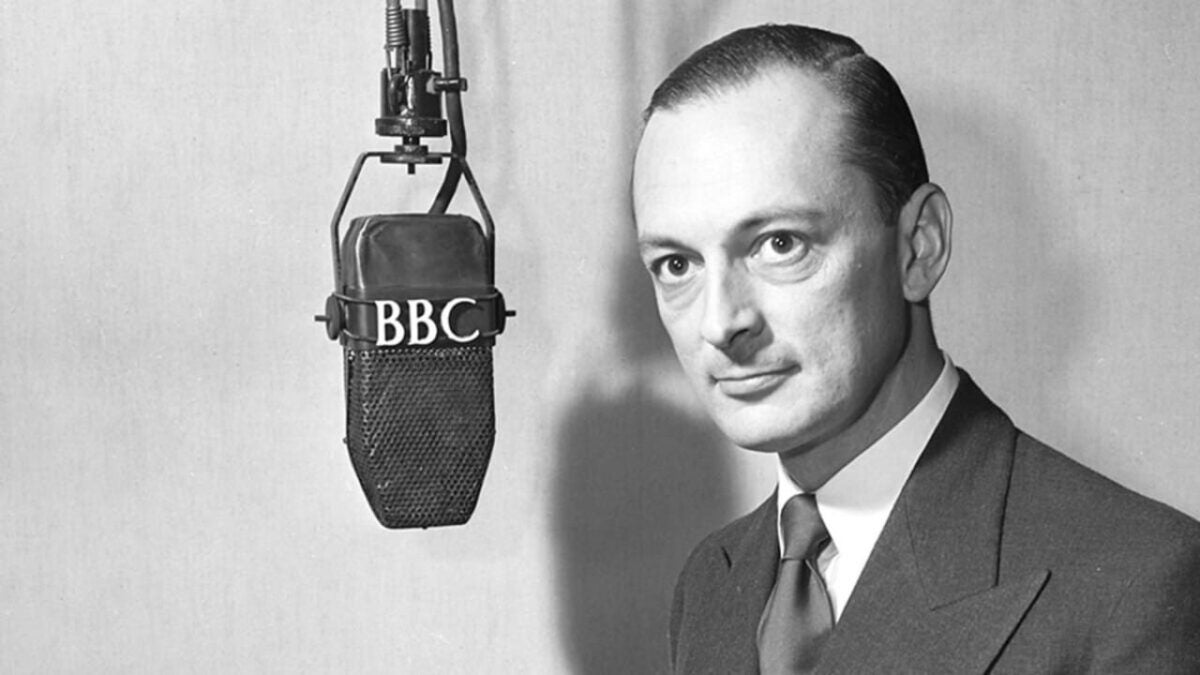
April 18, 1930. There were still six years to go before television began broadcasting in the United Kingdom, and news was primarily followed through radio in the absence of print media. However, on that day, in the 8:45 PM BBC bulletin, there were only three written sentences: “Good evening. Today is Good Friday. There is no news.” And then, 15 minutes of piano music. Considering the continuous stream of horrible events that dominate the news whenever we turn on the television, can we please go back to that day in 1930?

BBC iPlayer DOWNLOAD

The day without news

Indeed, significant events did occur on that very day. Firstly, a typhoon in the Philippines caused several deaths and damage around the island of Leyte. Secondly, martial law was imposed in the British-controlled part of India following a popular uprising. Additionally, in Romania, 118 people died while celebrating Good Friday in a church. So, what happened when it was time for the news bulletin? Did the BBC decide to take the day off?

In 1930, people primarily relied on newspapers for information. Radio, although successful, was still seen as a novelty, so news was perceived more as an extra rather than a necessity. After all, the BBC had only been broadcasting for eight years, and even fiction hadn’t been transmitted yet (that would happen for the first time in July of that same year). At that time, there were just over 3 million radio sets in the entire United Kingdom, which had a population of 46 million. There were still people wondering why tiny people had been placed inside a wooden box.
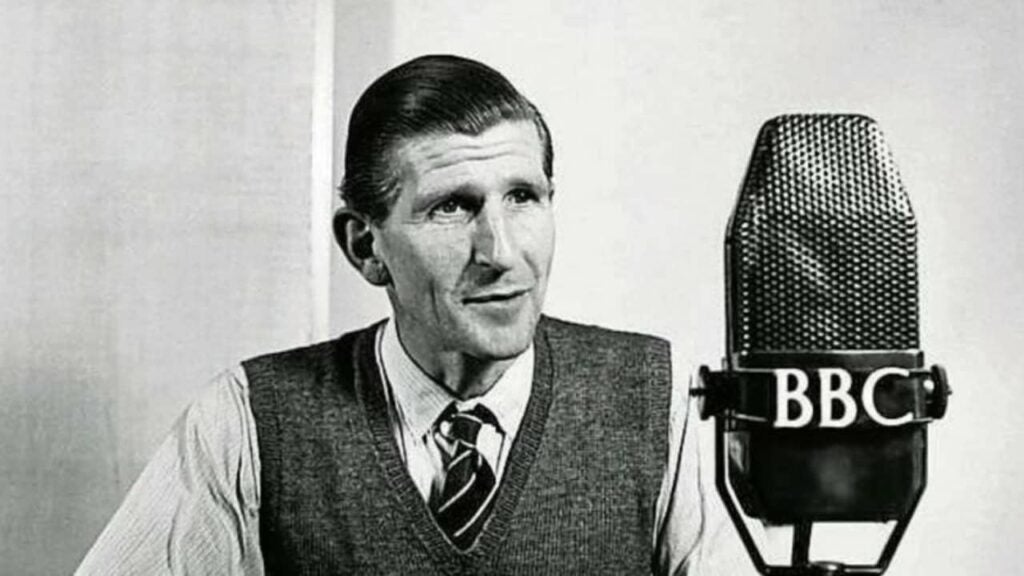
Furthermore, it was Good Friday, a date that may seem trivial to us now, but back then, it was one of the most important days of the year. It can be considered normal for the BBC not to want to spoil people’s festivities by talking about an insurrection in India, which they would find out about the next day through the serious press (you know, the one printed on paper).

93 years have passed since then, and things have changed, for better or for worse. In a matter of seconds, we can find out which influencer has complained on TikTok or what Quevedo’s favorite food is. But deep down, it would be quite beautiful if all the news broadcasts tomorrow simply said, “There is no news,” and played 15 minutes of a lady playing the piano. Just like the old times.

BBC iPlayer DOWNLOAD

Some of the links added in the article are part of affiliate campaigns and may represent benefits for Softonic.

The hidden gem of ‘Star Wars’: the 6-hour radio adaptation of Episode IV

The story of the radio & ‘Star Wars’ transports us to other times… and, why not, gives us a little nostalgia. Why deny it?

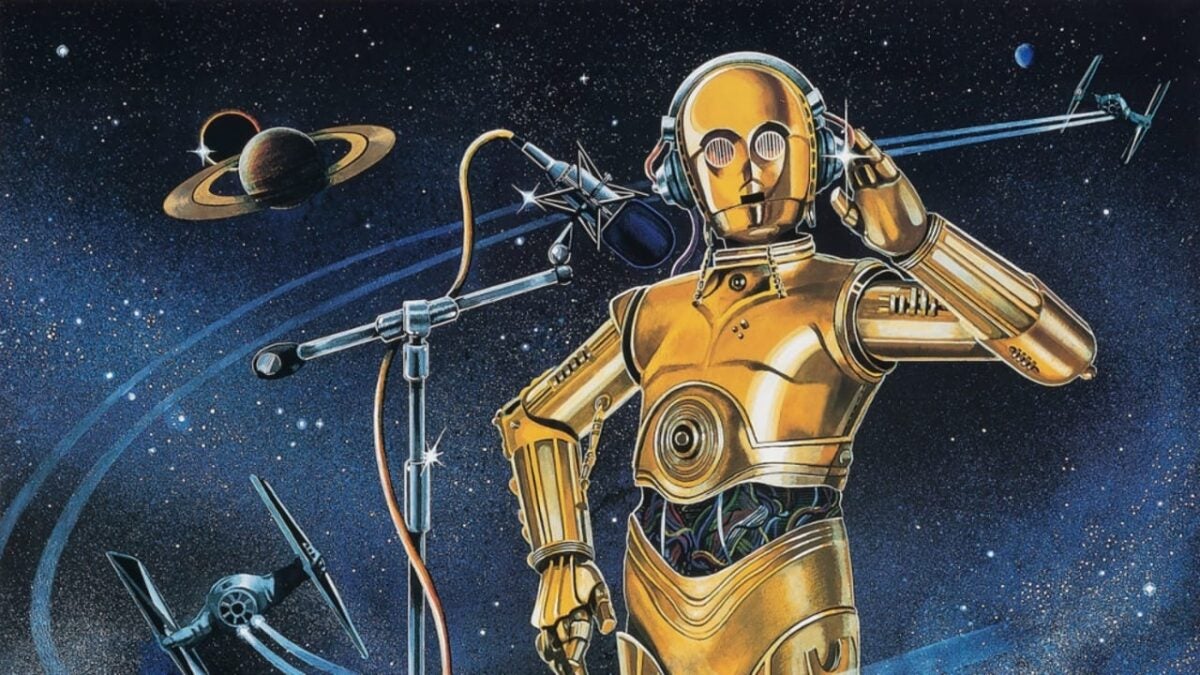
A long time ago, in a galaxy far, far away… Imagine that, after seeing the famous letters printed on the screen, there follows a movie of… 6 hours! And no, we don’t mean putting all the classics together in one: ‘A New Hope’, episode IV of ‘Star Wars’, had many lives. It was made into a comic book twice (the second time with the original script as Lucas had it in mind), into a video game… And, of course, into a radio show. The story of the radio ‘Star Wars’ transports us to other times… and, why not, gives us a little nostalgia. Why deny it.

iVoox DOWNLOAD

Microphones ready, and action!

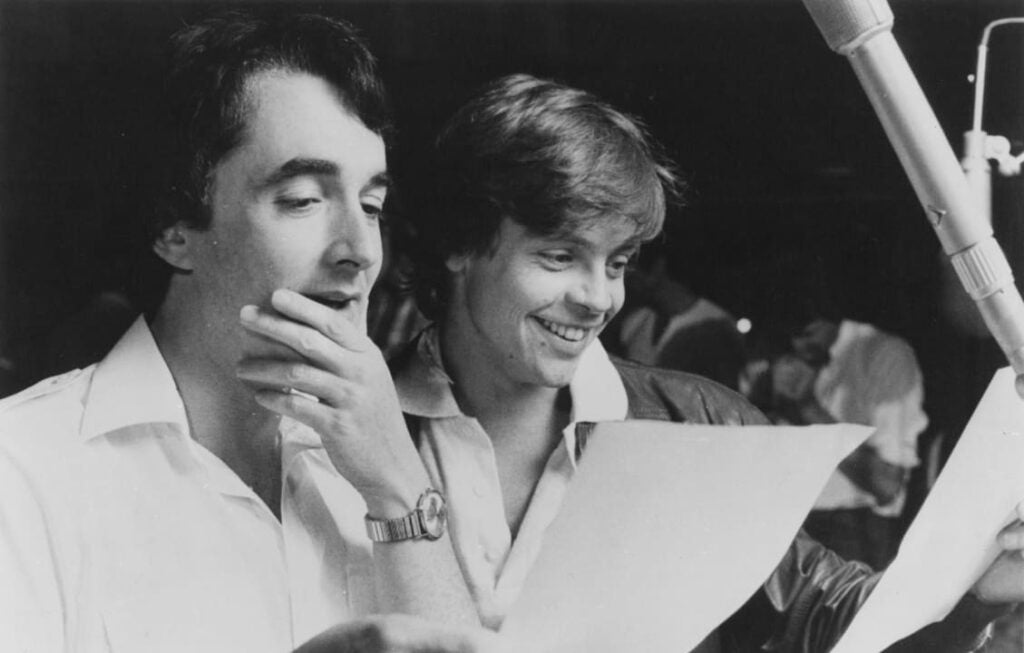
In the early 80’s it was still not so common to recover movies on VHS and watch them over and over again, so novelizations, comic book adaptations and audiodramas were still selling like hot cakes to remember that movie you enjoyed so much at the cinema. That’s why in 1981 the original ‘Star Wars’ team (well, Mark Hamill and Anthony Daniels) got together to make every Jedi’s dream come true: a 13-part radio version of the first film.

Not exactly, of course: some parts of script sketches were used, deleted scenes were added and even new ones were written. Everything was used to fill 5 hours and 56 minutes of the Rebels’ fight against the Empire and Lord Darth Vader. In fact, the first two episodes took place even before the beginning of the movie: in one we saw Luke Skywalker‘s day-to-day life at his aunt and uncle’s farm and in another we learned how Leia got hold of the Death Star plans.

The rest of the story was more or less like the original, but with added scenes and more context. From March 2 to May 25, 1981, the show aired on NPR (National Public Radio) with direction by John Madden (who would later go on to film and win the Oscar for ‘Shakespeare in Love’) and original music by John Williams. Regarding the actors, Carrie Fisher was replaced by Ann Sachs and Han Solo by Perry King, who would win the Golden Globe just two years later. The compilation edited by NPR, however, would have a flaw: it would be called ‘The New Hope’ instead of the title we know now.

The show was such a success that in 1982 the play was repeated with ‘The Empire Strikes Back’, although this time it “only” lasted 10 episodes and a total of 4 hours and 22 minutes. Once again, Mark Hamill would reprise his role and so would Billy Dee Williams as Lando Calrissian. Finally, there was a version of ‘Return of the Jedi’ of 6 episodes and 3 hours and 12 minutes in which Hamill would not repeat as Luke Skywalker: it was recorded in 1996 and was not so popular. Who calls Daisy Ridley in case she wants to do a podcast of ‘The Last Jedi’?

Ready to Share Your Voice? Everything You Need to Start Your Own Podcast (and the Passion to Do It!)

Surely you have asked yourself more than once… How do we set up our podcast? Don’t worry: we’ll tell you.

Every time you get together with your friends you talk about it: the old “we should start a band” has become the new “we should do a podcast“. Of course we should: if you are willing to face a crowd of professionals and amateurs working their throats out on a weekly basis with the most varied topics for a hundred or two hundred listeners, this is the thing for you. But, if you have made the decision, surely you have asked yourself more than once… How do we set up our podcast? Don’t worry: we’ll tell you.

Audacity DOWNLOAD

Choose the right topic

There is a podcast already created about literally everything. Cooking, travel, manga, international politics, Roman history, Tom Cruise movies. Think carefully about what you have to contribute to the world: Is it going to be informative or chatty? Comical or serious? Scripted or improvised? Do you know something that you absolutely have to share with the rest of the world? Find that topic you want to talk about and define the tone: then create a list of titles and choose the best one. Let’s say, for example, you decided to talk about gardening with a comedic tone and called yourselves ‘What a Planter’. This was the easy part.

From here, define a structure for the podcast: Is it going to be free-form and different for each show, or are you going to have sections? If you have sections, who is going to present them, are you going to set boundaries for the length of the episodes or will ‘Qué plantón’ last as long as it has to? Once you have everything defined and you are sure that what you are going to do is unique (either because of your natural wit, the subject you deal with or the way you do it), it is time to get down to the technical stuff.

Microphone, camera, action

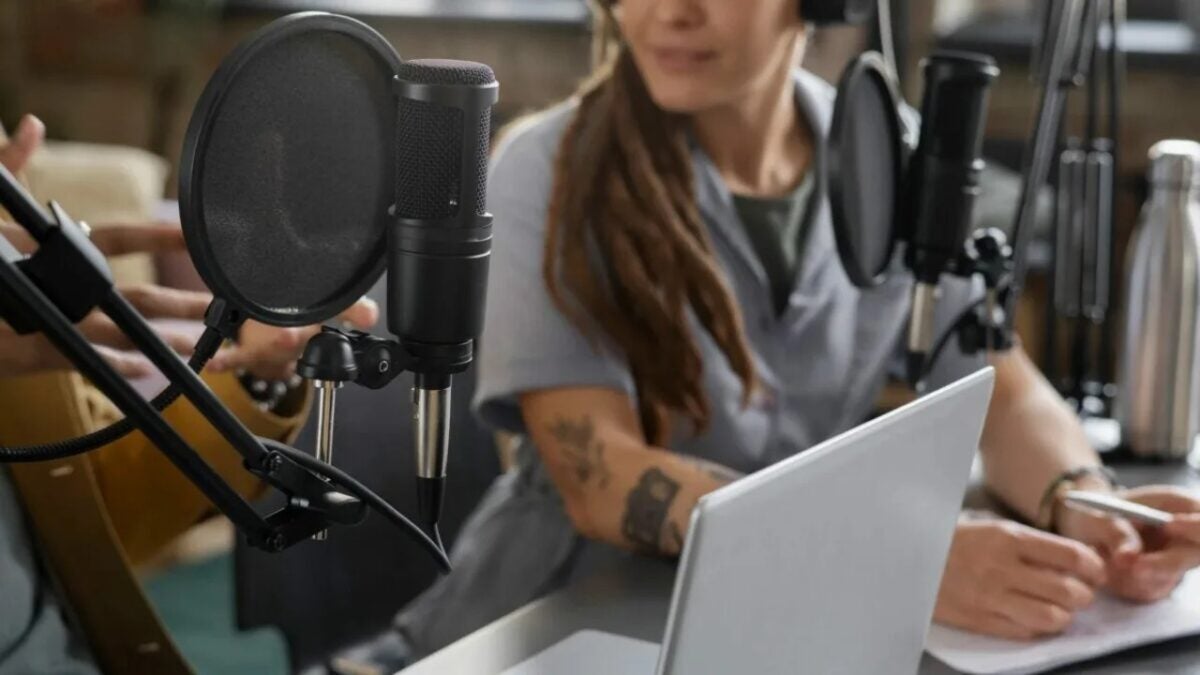
In the past, explaining the requirements for recording a podcast was much simpler, but the advent of Twitch, Youtube and TikTok and video podcasts has made everything a bit more complicated. At this point in the 21st century, you can’t record a podcast with a computer microphone and over Skype. Pamper it a bit, come on. If you are recording in person, get a mixing console with as many audio outputs as members of the podcast (plus at least one for computer music) and the same number of microphones (preferably all the same to avoid sound variation).

If, on the other hand, you have decided to do it online, each one from home, make sure that each one has a good microphone and records his track alone, so that the editing is cleaner. It’s more work, but it’s worth it: although Skype, Zoom and other alternatives have improved a lot since confinement, you will have more control over the audio if you have each track available separately.

You will also need at least one computer to record the audio, for which you can use a free program like Audacity, which you can then use to edit in a terribly simple way. And now comes the problem: if you also want to record the video, you will have to get at least two or three cameras and learn how to use a video editor to synchronize the audio (this is easier if you have already broadcast on Twitch) and make small clips for social networks. Don’t forget to look your best: ‘Qué plantón’ deserves nothing less.

We’ve already recorded an episode, now what?

Now comes the hardest part: you’ve already had fun recording, editing and preparing the podcast. You have to upload it to the different platforms: iVoox, Spotify, Apple Music, YouTube, prepare videos for Twitter, Instagram, TikTok and Facebook. Get ready to familiarize yourself with the concept of RSS, thumbnails, comments and regularity.

And now you just have to wait for success! And if it never comes, don’t worry: focus on having fun. After all, there are only a few people who make a living with podcasts. Come on, become a radio star!