Senator Tom Cotton has recently introduced the Chip Security Act, a bill that requires artificial intelligence hardware manufacturers to implement geolocation mechanisms to track high-performance chips, such as those produced by Nvidia. This bill arises in response to concerns about national security and seeks to prevent U.S. technology from falling into the hands of adversaries, especially China, and to improve the U.S. position in the competitive global market.
A fight against exportation by China
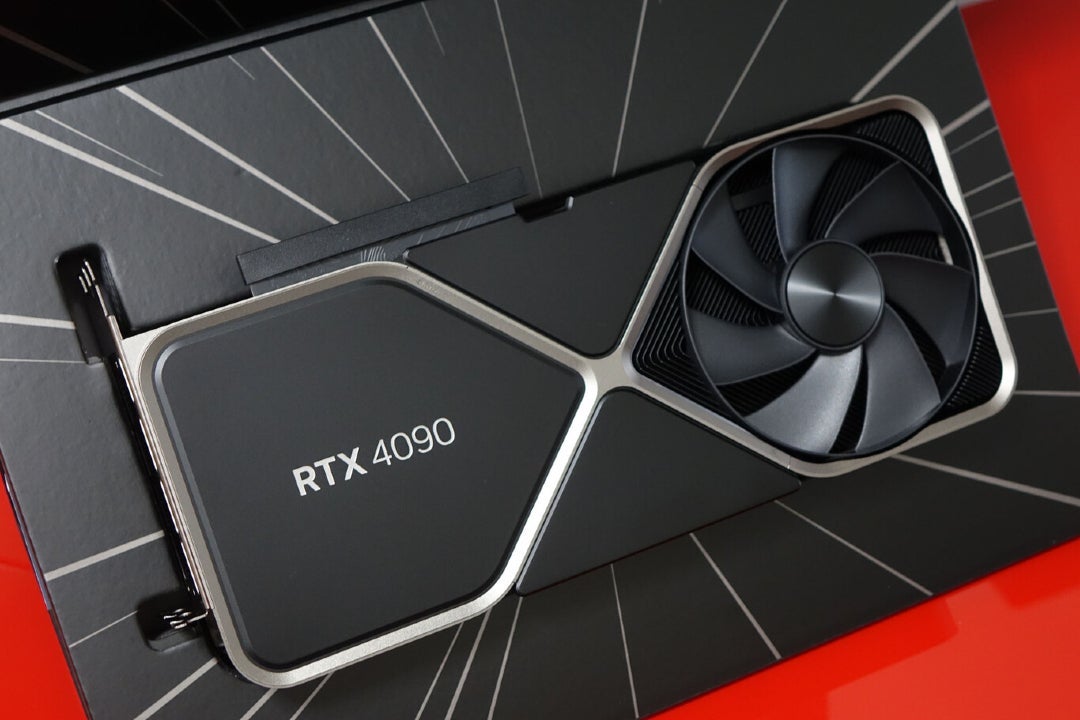
The proposal from Cotton, which was announced less than 24 hours after Democratic Congressman Bill Foster revealed similar plans, states that the Secretary of Commerce must require location verification mechanisms for advanced chip products that are under specific export control. The project will place special emphasis on products classified under export control numbers such as 3A090 and 4A090, which include some of Nvidia’s high-end GPUs, such as the RTX 4090.
Despite the initiative, Nvidia has stated that its hardware cannot be tracked once sold, which raises serious doubts about the viability of the proposed geolocation. In addition, the legislation includes provisions for coordination with the Department of Defense on new security measures related to this type of hardware.
Senator Cotton emphasized the urgency of protecting and expanding the U.S. technological advantage, stating: “With these enhanced security measures, we can continue to expand access to U.S. technology without compromising our national security.” However, concerns remain about the effectiveness and necessity of tracking hardware, a point that some critics consider exaggerated in the current context.
The controversy centers the discussion on how to balance national security with the development of cutting-edge technologies in an increasingly competitive global market.