
FCC commissioner warns of location data threats

Your location data is being sold for hundreds of dollars; what should the FCC do?

Location Data

Little did we know, every move we make is being sold for hundreds of dollars.

FCC commissioner Geoffrey Starks wrote in an op-ed piece for the New York Times that wireless companies sell users’ location data, and that the FCC should stop them. 

Who is using our location data?

Last year, the New York Times broke a story about a sheriff using location data to monitor the locations of people in his jurisdiction.  Whether or not he had the best intentions, his methods were, at best, against FCC regulations and at worst, immoral.

Although the sheriff was reprimanded for his actions, the question still looms, “Who has access to our locations, and how are they getting it?”

As Starks wrote, even bounty hunters have been using location data to find and locate their targets. “A bounty hunter was able to pay to track a user’s location on a map accurate to within a few feet,” Starks writes.

How are they getting it?

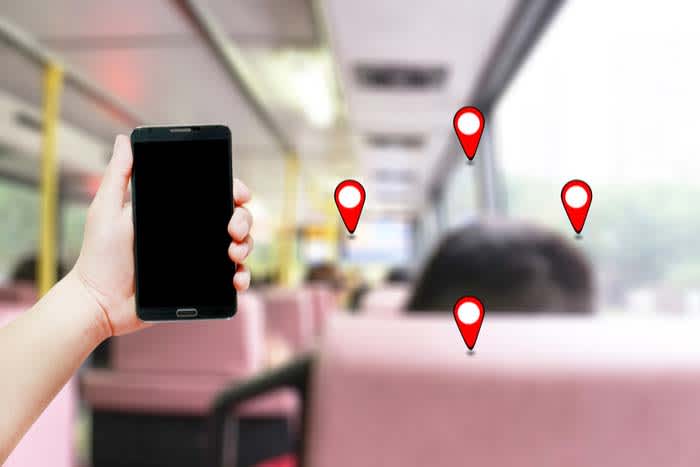
Location data transactionOur cellphone service providers take location data directly from our phones throughout the day so that we can be contacted. That location data is only supposed to be divulged by our service provider for emergency situations. 

We can opt to allow apps like GrubHub or Waze to use our location in order to use their services, but they have to get permission. They also aren’t allowed to sell our personal location data.

Unlike an app, we can’t opt out of allowing our service provider to have access to our location data. 

This is an FCC issue
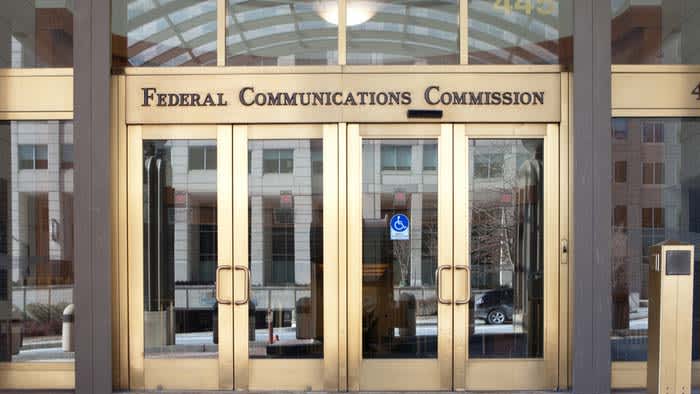
The FCC buildingMake no mistake, it is the FCC’s responsibility to handle this problem.

As Starks wrote, “It is unquestionably the FCC’s job to protect consumers and address risks to public safety. Our location information isn’t supposed to be used without our knowledge and consent and no chain of handoffs or contracts can eliminate the wireless company’s obligations.”

The FCC has been investigating this issue, but they have not taken action.

“The FCC must use its authority to protect consumers and promote public safety, and act swiftly and decisively to stop illegal and dangerous pay-to-track practices once and for all,” Starks writes.

Starks went on to say that as a commissioner, he can call for action on this problem. However, he can only do so if the FCC chairman first adds the issue to the FCC’s agenda. 

What happens next?

Starks took the right step by writing the piece for the New York Times. His story has only been online for two days, but it already been shared thousands of times across social media. Only time will tell as to how the FCC will respond to the article and the public outcry.


How to make money selling your personal data

If other companies are making money off your personal data, why can’t you?

Facial recognitionForget the Facebook scandal; consumers are catching onto the fact that countless companies have long been taking their data in exchange for access to a free app. It’s a bum deal.

If you’ve been following any news related to the blockchain space, you’ve maybe come across this concept of selling your personal information to companies, rather than giving it away for free.

When you consider the money made by advertisers and platform companies like Facebook and Amazon, it’s understandable that there has been a recent influx of new apps that aim to put control back in the hands of the people.

The question is, however, is there money to be made by selling personal data? Or will big companies simply say, “Why buy what we can get for free?”

Are there places you can sell data?

Yes, there are a few options out there.

Is it side gig money? Not exactly. We came across a few solutions that allow users to connect various accounts and earn money passively, but it generally amounts to a few cents here and a dollar there.

Digi.me

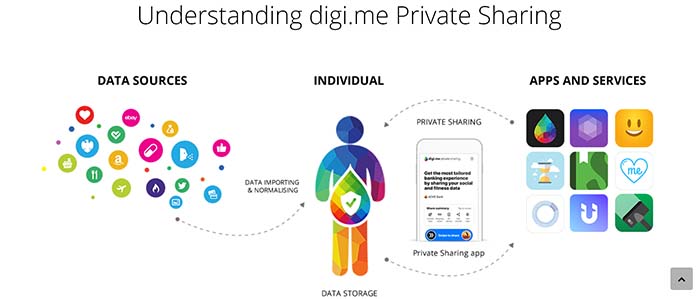
Digi.me appDigi.me is an app that collects your personal data from a cloud-based folder, then organizes your digital footprint in one central hub. This app isn’t actually a means of monetizing your data, but it does help users control who sees what, as well as understand what information is already available.

The site makes it clear that they operate in compliance with GDPR privacy rules, and that the app’s architecture prevents the company from viewing or storing your personal data.

You can watch a video below showing how you can use Digi.me.

10

Datacoup

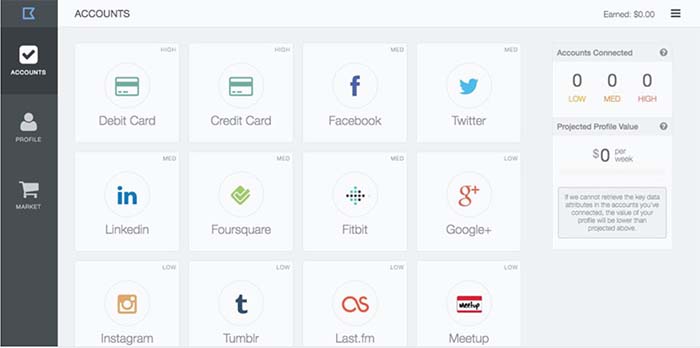
Datacoup siteDatacoup almost reminds us of an app like Acorns or your bank’s “save the change” app. We’ll explain: Datacoup acts as a data broker that allows account holders to control and sell data to companies interested in learning more about your habits.

This subscription-based service allows you to connect your accounts — from debit and credit cards to your LinkedIn page or Meetup account.

Once you’ve connected these accounts, you can view them in your data profile — a dashboard that shows how much money you’ve earned by essentially doing nothing. It’s a few bucks here and there — but it’s very set-it-and-forget-it. Over time, you might amass a little extra cash.

Killi

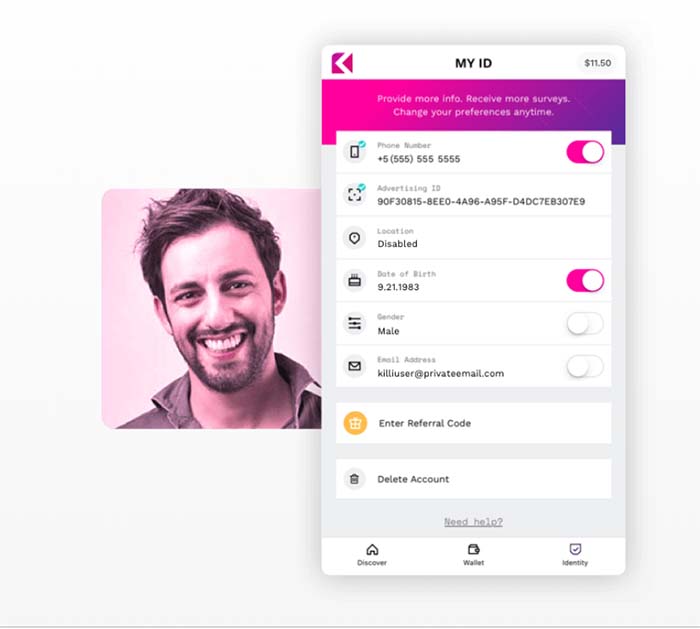
KilliAn app developed by Freckle IoT, Killi is an app that claims to give users the chance to take back control over the use of their personal data.  The Killi site says they believe customer data is worth more than the $30 Facebook suggests.

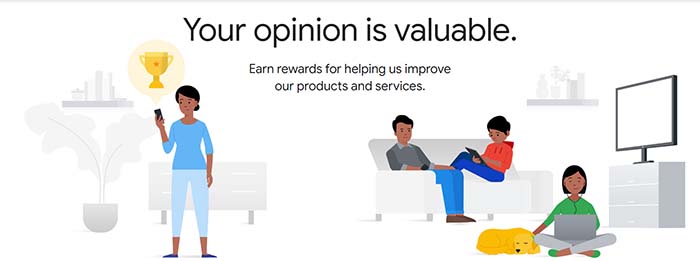
You’ll create an account and make money based on opting in to share your info with specific brands. The bulk of the activity is answering surveys for between a few cents and a few bucks a pop. Their FAQ section acknowledges that this isn’t much, but points to the first wave of Uber drivers as an example of where things could go in the future.

Google Opinion Rewards

Google Opinion Awards

An app that prompts you to answer questions about businesses you’ve visited based on your location data and demographic information. Answer enough questions and Google will give you credits you can use in the Play store.

Google Opinion Rewards Download Now ►
9

What is your data worth, anyway?

Stacking coins

According to an article from the Financial Times, the average person’s data is worth less than a dollar. But values change based on a variety of factors:

  • You’re gearing up for a significant purchase — an international vacation, a new car, or a house
  • You have a major life event — you’re getting married, expecting a child, or getting a divorce
  • You’re a millionaire
  • You hold loyalty cards
  • You’re interested in fitness, weight loss, travel, finance, or political topics

The FT site offers a calculator, so you can get a sense of how much your data is actually worth.

We tested this with two different people and we were valued in the $1 ballpark on both attempts. It isn’t exactly the downpayment on a Lamborghini we were hoping for, but we’ll take it.

An article from Investopedia looked at how much Facebook stands to make from personal data. Interestingly, those with poor health have more valuable data than their healthy counterparts.

Same goes for the “recently divorced” who — on average, are 10-20% more valuable than those who are single or married.

It’s hard to pin down an accurate number. But Statista reports Facebook had 230 million U.S. users in 2018. Even if everyone has data worth 50 cents or so, that’s still a crazy amount of money.

Economies of scale limit the ability to profit from personal data

Ultimately, the reason our data is such big business for brands and not the other way around boils down to the economy of scale.

Think about it, billions of people use Facebook every day. So, if one person’s search history and online activity are worth a couple of cents, the platform still rakes in serious cash.

The motivation behind these startups is admirable. We should be able to control who has access to our data — and sell it as the valuable resource it is.

For change to happen, people will need to demand transparency in greater numbers. We’ve long taken free tools like Google and Facebook for granted, never second-guessing the permissions we allow them.

Opting out of these platforms means skipping out on convenience and social norms, too. Short of an all-out, global boycott of the big tech companies, it’s hard to envision what it will take for change to happen.