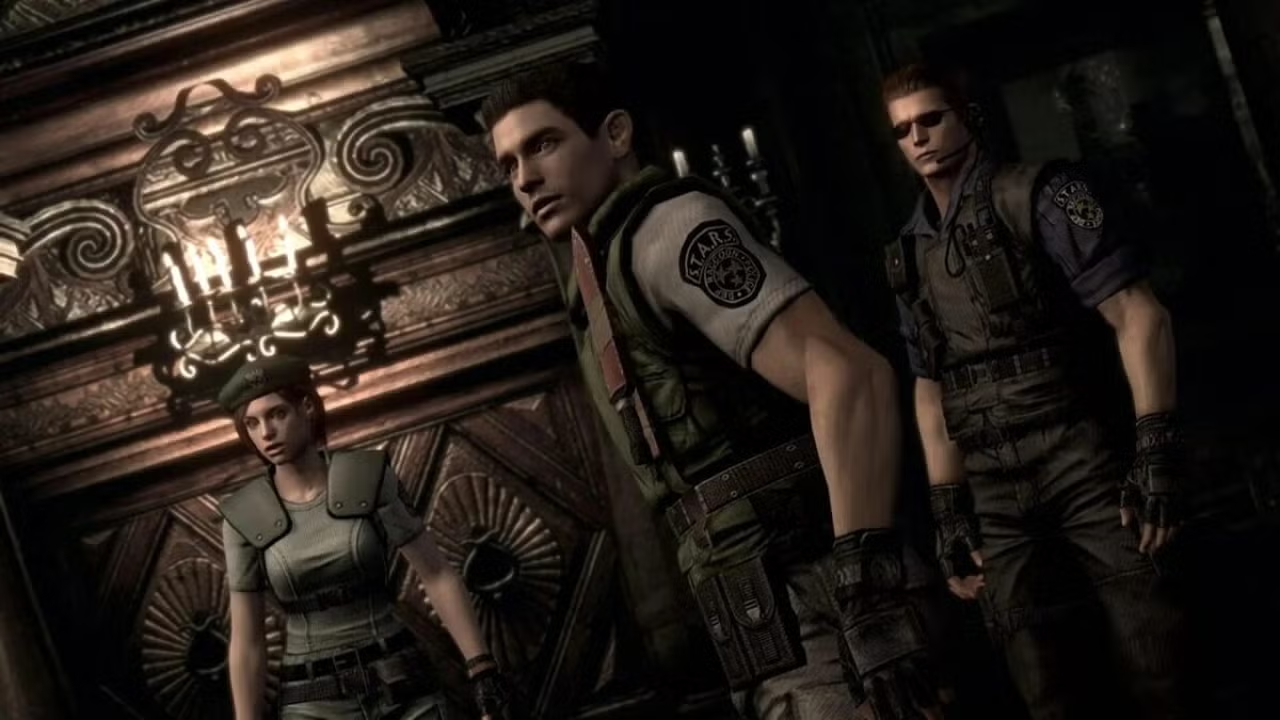
The original games of Resident Evil 1, 2, and 3 have returned to PC, giving fans of the iconic franchise the opportunity to relive the experiences that marked its beginnings. This relaunch, driven by community demand, has been a resounding success, recording ‘phenomenal’ sales and a remarkable 94% positive reviews on GOG. The public’s reception makes it clear that there is significant interest in classic titles within a landscape that continues to be dominated by more modern remakes.
Why would you want to play old games?
From the beginning, Capcom was not convinced about re-releasing the original versions, considering that the remakes offered a superior experience. However, the persuasion of GOG was crucial in convincing the developer that the remakes and the originals can coexist and complement each other. According to Marcin Paczynski from GOG, it was necessary to explain that there was a considerable group of nostalgic players willing to rediscover the story and legacy of Resident Evil, which resulted in a massive adoption of these classics on the GOG and PS Store platforms.
The success of the relaunch has led Capcom to reflect on its approach to the value of original games, recognizing that remakes do not replace classics, but rather enrich them. In this context, the release of Resident Evil 9 is anticipated, scheduled for the end of February 2026. Additionally, rumors suggest that Capcom is working on remakes of Resident Evil 0 and Code Veronica, indicating a continued strategy to revitalize beloved works for fans.
Ultimately, the recent revival of classic titles has shown that there is a significant place in the video game industry for works that have laid the foundations for current success, and it represents an important lesson about the connection between nostalgia and innovation in digital entertainment.