Game to Grow fights mental illness with Dungeons & Dragons

Discover how role-playing games are helping kids fight mental illness.

When you’re a kid, it’s hard to save the world. You’ve got grades to keep up, sports teams and school plays to try out for, friends to make, and parents to please. It’s even harder to save the world when you’re a teenager with depression, social anxiety, or Autism. Saving the world is only possible if you can first save yourself, and a company called Game to Grow is helping kids do both.
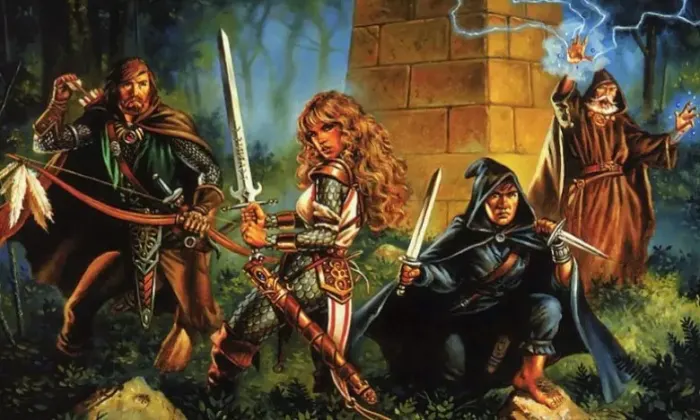
Dungeons and Dragons party
Rebecca might be shy, but her level 9 paladin can inspire her allies through the darkness.

Founded in 2017, Game to Grow is a non-profit organization that uses tabletop gaming to improve people’s lives – specifically Dungeons & Dragons.

What makes DnD such a good choice right off the bat is that it’s a role-playing game. If you can immerse yourself in a fantasy world and invest in the zany exploits of your character, suddenly you’re not a little boy who had a bad day at school, or a teenager who just had a fight with her parents. Movies, books, and video games are all escapist fun, but tabletop gaming does two things that no other medium can match:

First, the heart and soul of the character is up to you. Dungeons & Dragons goes much deeper than vicariously living through a Marvel hero, or poking and prodding a character creation menu in a video game. There’s no Mass Effect dialogue wheel in DnD; you say whatever you want. There are no invisible walls either; you can go where you want.

Victims of depression often describe themselves as feeling trapped, like their course is set and they have no control over their own lives. Dungeons and Dragons puts you in the shoes of an altogether different character, charting an altogether different path. With that agency comes a rare liberation – what you do matters, and more importantly who you are matters!
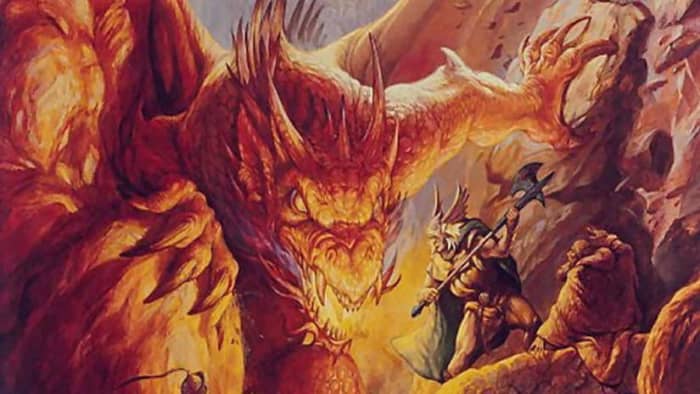
Dungeons and Dragons
Take a stand against mental illness

Second, and just as important, is that with tabletop gaming you’re with a group. You’re sharing space, making conversation, and working together to complete an objective. It’s a hands-on experience that gently nudges players towards a collaborative effort and achieving something that they could not do alone.

A DM (who serves as the game’s moderator) sets the stage and it’s up to you how you want your character to tackle the obstacles. These obstacles could be clearing a dungeon or slaying a monster, but could just as easily be negotiating with townspeople, attending a costume ball, or interfering with kingdom politics. Maybe you’re afraid to embark on such a daunting task … but your character isn’t!
The mission

No matter what the quest of the week happens to be, Game to Grow has a bigger mission they’re weaving into the plot: Targeting your own personal issues, and empowering you to conquer them.

“Part of what we do is we say you are yourself and that is OK,” says company founder Adam Davis. “You can participate and we can celebrate your uniqueness and your unique skill set.” He and co-founder Adam Johns have been using this formula for over eight years. Today they see over 50 kids a week, many of whom are on the Autism spectrum, and the result is a system that’s just as – if not more – effective than official therapy or psychiatry.

Adam Johns considers the company “agnostic to diagnosis,” explaining that “even when kids report that they’re doing fine, a lot of times that’s because they’ve never had an opportunity to know what it is to have a friend and know what it is to feel connected. When they come to our groups they build that connectedness, they build that opportunity for relationship with other kids.”

Game to Grow Adam Davis Adam Johns
The Game to Grow founders have been teaching kids to fight the good fight for almost a decade

Game to Grow has since expanded the company, training teachers, librarians, community leaders, and even therapists in their methodology.

“We know we’re never gonna run groups across the world,” admits Adam Johns. “Instead, we’d rather train other people to get their own group started.” Kids or parents who fear the social stigma of therapy are more willing to say “I’m going to DnD tonight” over “I’m seeing my therapist.” As such, Game to Grow has a 94% retention rate, and kids are excited to come back for the next adventure.

“We see kids that are burned out on therapy,” says Johns, “but they come to our group, week after week. It’s the one thing they don’t want to miss.”
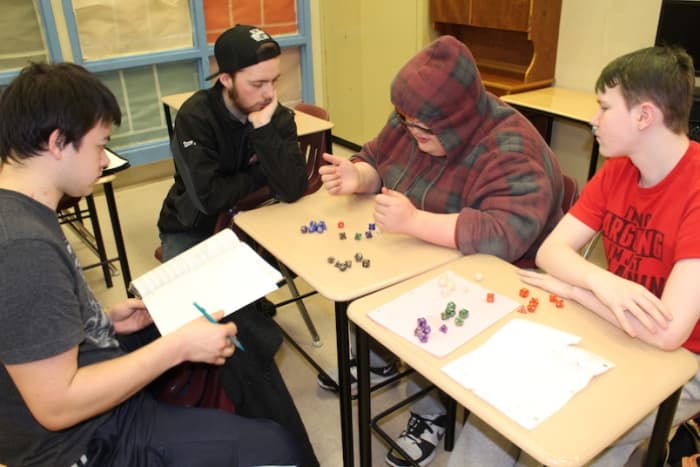
Dungeons and Dragons tabletop gaming
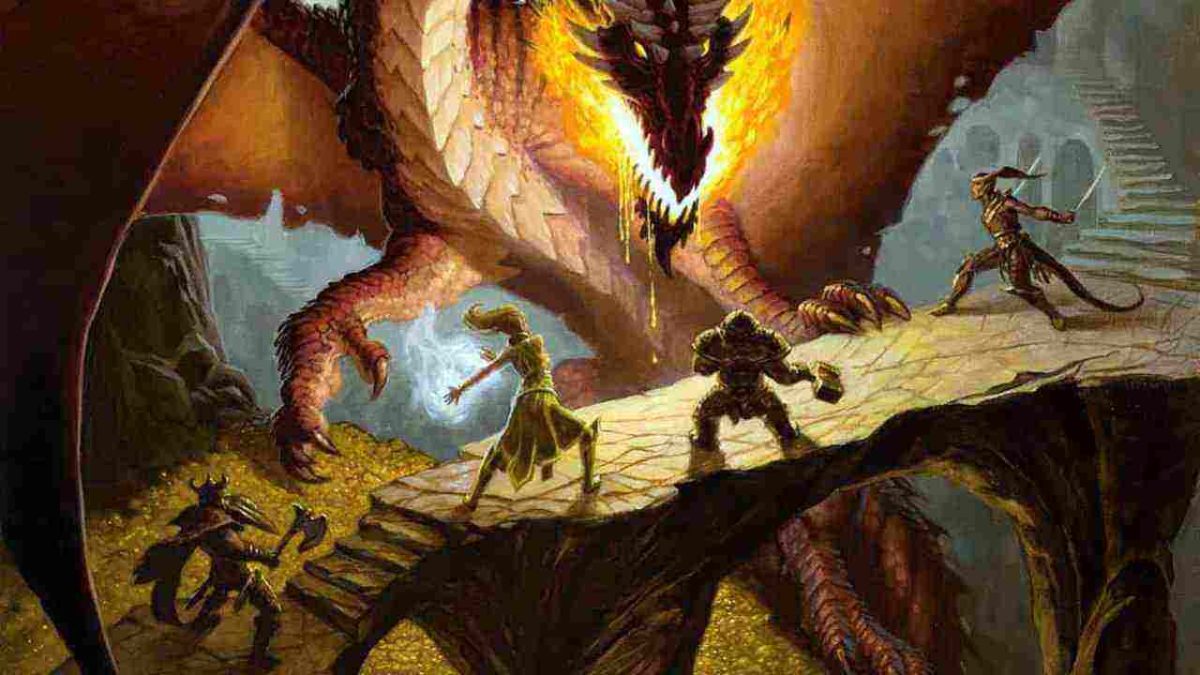
Friends who slay dragons together stay together

It’s awesome to see tabletop gaming being used as a medium to help people overcome their anxiety, and we hope to see that same creative initiative catch on and become more mainstream in today’s society, one dungeon at a time!
6 best board games for tabletop fans

Grab any of these games and summon your friends for a night of fun!

Fans of tabletop games, like Dungeons & Dragons, may find it difficult to enjoy simple, storyless board games like Monopoly or Sorry. Thankfully, there is a surprisingly large selection of board games that allow for the same level of customization and storytelling that tabletop games have. This can be great for people who don’t have a GM for their tabletop sessions, or just want a different kind of storytelling game to play with their friends. Here are some of the best available.

Best board games for tabletop fans

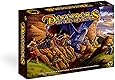
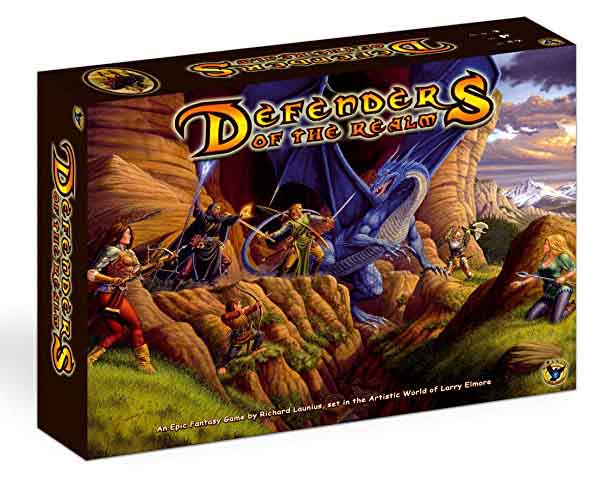
6. Defenders of the Realm

defenders of the realm

This board game is probably the closest to Dungeons and Dragons that we’ll ever get, barring actual D&D games like Dungeon Quest. Defenders of the Realm provides heavy storytelling, and character classes similar to D&D. The game is cooperative, and the players win or lose as a group, as they try to defeat four evil generals and save their kingdom. The random encounters through this adventure can be challenging, and force the players to work together like a regular tabletop team.

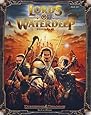
5. Lords of Waterdeep

One of a few board games based off an actual Dungeons & Dragons campaign, this game takes place in the world of Waterdeep, and changes your role from traveling hero to ruler of a kingdom. Instead of being the hero you would be in the D&D version of this campaign, you play as the lords who hire the heroes. This makes the game far more strategic, which can be interesting for those who are used to more adventure-based action.

As an alternative to playing this as a board game, this game has also been adapted into a mobile app for both Android and iOS.

D&D Lords of Waterdeep Download now ►
8

4. Munchkin

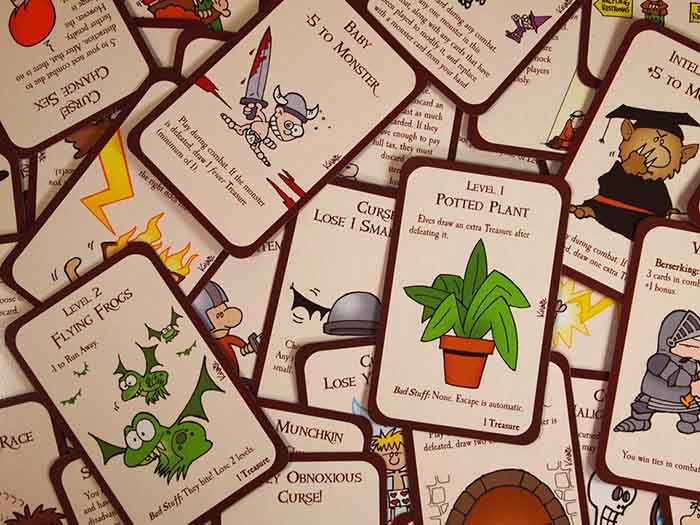
munchkin

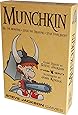
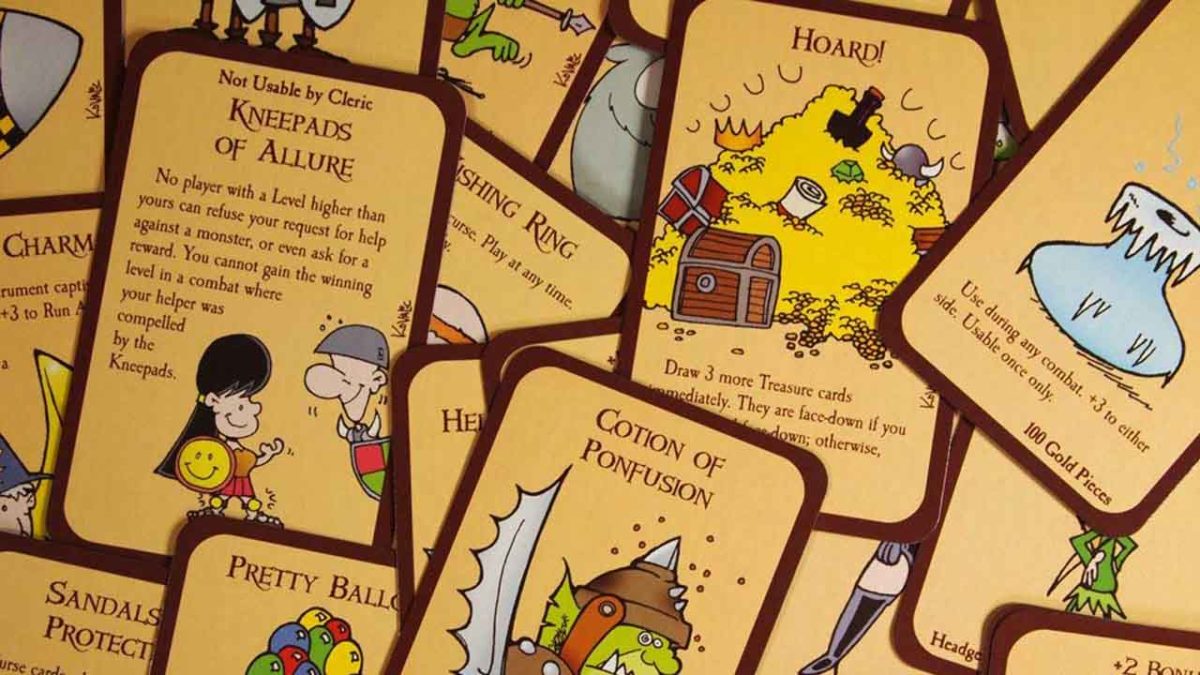
Like a few other games in this genre, Munchkin is more of a card game than a board game, but the setup is still similar. This game is unique among other tabletop-esque games as it has a large focus on character building rather than on a storyline. The goal of the game it to level up your character to the max level before anyone else. As you gain cards, your character gains different traits, which are typically wacky and wild. Munchkin is particularly good for parties.

Munchkin

From: Amazon

3. Mice and Mystics

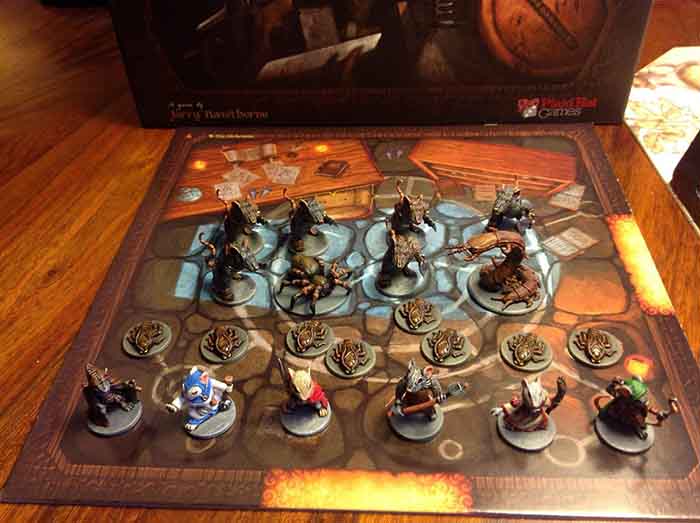
mice and mystics

This game is essentially the opposite of Munchkin. While Munchkin focuses on character building and minimal storytelling, Mice and Mystics is a deep in-depth storytelling game with little character building (at least character building that the players can do). This game tells the story of the mouse prince and his comrades trying to defeat evil in the castle. Each game session plays similar to a session of D&D. This includes the length of each game, so expect sessions that last well over an hour.

2. Betrayal on the House on the Hill

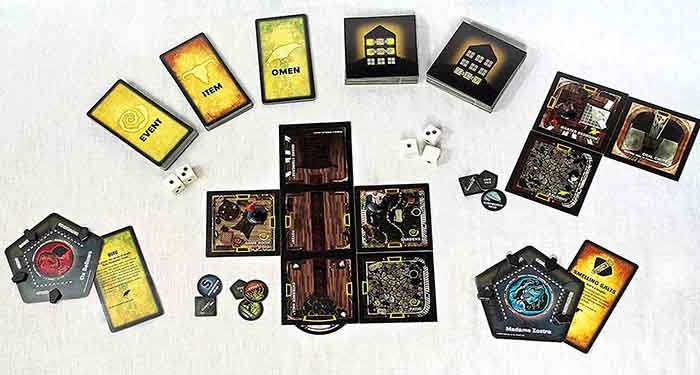
Betrayal At House On The Hill

Anyone who is a fan of this genre has probably heard of this game. Betrayal takes the story of a group of haunted house investigators. After some time of investigating, one of the team members becomes a traitor and has to defeat the rest of the party. The exact circumstances of the betrayal are based on the haunt scenario that gets activated. There are dozens of scenarios, so this game can be replayed over and over again. It can be exciting before the game starts, since you don’t know which side of the betrayal you’ll end up being on.

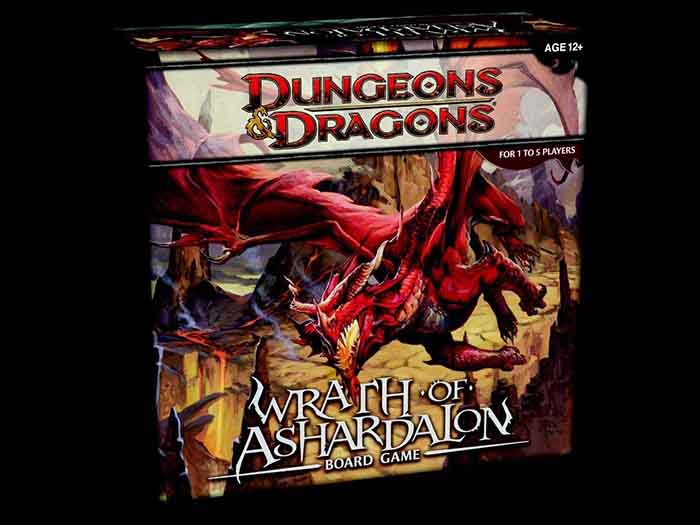
1. Wrath of Ashardalon

Dungeons and Dragons: Wrath of Ashardalon

Wrath of Ashardalon is basically the fantasy version of Betrayal. There are a variety of scenarios that the players can be put in, and the players slowly build the board map as they move throughout the lands. Each time a tile is revealed, some kind of encounter or event occurs. This game active and high-energy. Wrath of Ashardalon can be a good replacement for D&D players who want more consistent action, or lack a DM to manage their games.

Like Lords of Waterdeep, there are some adventure board games that get adapted to mobile apps after some time. Our Softonic Solutions page has detailed great mobile adaptions to try out if you prefer playing on your phone.