The first Xiaomi electric car looks like this, and is… attractive?

The electric 4-door, 5-seater SU7 will go into series production in December 2023, with deliveries starting in February 2024.

It’s always been said that Xiaomi products offer the best value for money. And looking at the phones and other gadgets they sell each year, it’s hard to argue otherwise. But the electric car market was foreign to them… until now. After years of rumors, here we have Xiaomi’s first EV.

TikTok DOWNLOAD

As we read in the specialized outlet CarNewsChina, Xiaomi has applied for a sales license for its first electric vehicle in China: the Xiaomi SU7 sedan.

The outlet has disclosed some specifications of the vehicle, which will be manufactured by Beijing Automotive Industry Holding Co. Ltd (BAIC), not Xiaomi. You might recall this car by its codename: MS11.

In China, all cars must be approved by the local regulator before hitting the market, and the Ministry of Industry and Information Technology (MIIT) publishes a monthly list of vehicles that have undergone the homologation process.

Automobile manufacturers aren’t fond of this as it reveals photos and specifications of cars they haven’t yet launched. But for the press, it’s a valuable resource that’s highly appreciated.

Features of the anticipated Xiaomi car

The Xiaomi SU7 is an electric sedan with dimensions of 4997/1963/1455 mm and a wheelbase of 3000 mm. It will have two wheel options, 19″ and 20″. Xiaomi showcased two versions: one with lidar and one without lidar. The lidar is installed behind the front windshield.

We see a camera on the B-pillar in the images, suggesting that the Xiaomi SU7 might come with a facial recognition unlock feature.

The powertrain offers two options: the RWD with a 220 kW motor and the AWD with a maximum power of 495 kW (220 kW + 275 kW). The LFP battery pack comes from BYD for the cheaper trim, and the NMC ternary from CATL for a more expensive option.

The empty weight is 1,980 kg for the base model, with a top speed limited to 210 km/h. The higher-end model’s empty weight is 2,205 kg, and it can reach a maximum speed of 265 km/h.

According to MIIT filings, there are three versions: SU7, SU7 Pro, and SU7 Max. Some trims will feature an active rear spoiler.

The electric motor model is TZ220XS000, manufactured by United Automotive Electronics Co., Ltd. It will also include the ETC function, a system that enables drivers to automatically pay highway tolls without stopping the car.

The integrated system in the SU7 car will run on Xiaomi’s HyperOS, an internally developed operating system capable of functioning with both smartphones and cars.

The electric 4-door, 5-seater SU7 will begin serial production in December 2023, with deliveries starting in February 2024. BAIC’s factory in Beijing has already initiated trial production, and dozens of test vehicles have rolled off the production line.

Xiaomi announced its entry into the electric vehicle manufacturing race two and a half years ago, in March 2021, stating it would invest 10 billion yuan (1.4 billion dollars) in the project. In August 2023, Xiaomi registered the domain XiaomiEV.com.

TikTok DOWNLOAD

The Xiaomi 14 and Xiaomi 14 Pro will debut the new 3rd generation Snapdragon 8

The new flagship models from Xiaomi, the Xiaomi 14 and Xiaomi 14 Pro, will be the first smartphones on the market to introduce the new line of 3rd generation Snapdragon 8 microprocessors, which was recently presented as the new benchmark among the most powerful mobile processors in the current industry.

These Chinese brand phones are set to be the flagships for the next 12 months in the well-known Xiaomi company. Given the importance of this model, the company didn’t hesitate to implement the newly launched range from Qualcomm, the manufacturer.

Xiaomi Game Turbo DOWNLOAD

A new standard of power

Much like the Pixel 8 with its new Tensor, the 3rd generation Snapdragon 8 will enable new milestones in terms of AI, thanks to the improvements in NPU that this processor offers. In fact, it’s one of the most significant leaps in quality compared to the previous generation. Artificial Intelligence is already an integral part of hardware development, and this is evident in the advancements being made in this field in 2023.

The new Qualcomm microprocessors will have a great opportunity in this lineup of Xiaomi flagships for all brands to see what a cutting-edge processor is capable of compared to the processors from the previous year. AI performance, enhanced image processing, unrestricted gaming... 3rd generation Qualcomm Snapdragon processors have the opportunity to set a new benchmark in the smartphone industry.

Snapdragon is one of the best-rated microprocessor families in smartphones

The 14th generation of Xiaomi

The Xiaomi 14 and Xiaomi 14 Pro are the new flagship phones from the Chinese brand, which, over the years, has evolved to be a brand present in all price ranges. It has also demonstrated that it is capable of having the performance of the best manufacturers while offering budget-friendly devices with a very good price-to-quality ratio.

Both the Xiaomi 14 and Xiaomi 14 Pro, which will feature the 3rd generation Snapdragon 8, will be great showcases of the power of Qualcomm’s new generation of microprocessors. Gradually, we will see new devices with this chip embedded in their internals, but for now, if you want a phone with a state-of-the-art processor, these Xiaomis are what you’re looking for.

Xiaomi Game Turbo DOWNLOAD

This is the new Xiaomi 14: everything we know about the new Chinese flagship

After the presentation of the Xiaomi 13T and Xiaomi 13T Pro less than a month ago, the Asian brand has confirmed the arrival of the Xiaomi 14 and Xiaomi 14 Pro, its next flagships.

Xiaomi doesn’t stop. After the presentation of the Xiaomi 13T and Xiaomi 13T Pro less than a month ago, the Asian brand has confirmed the arrival of the Xiaomi 14 and Xiaomi 14 Pro, its upcoming flagships.

MIUI DOWNLOAD

Xiaomi made the announcement through a post on its official Weibo account, and their launch is set to take place this October. With this in mind, there are just about two weeks left to fully appreciate them in all their details. Additionally, rumors point to October 27th and 31st as possible dates for the unveiling.

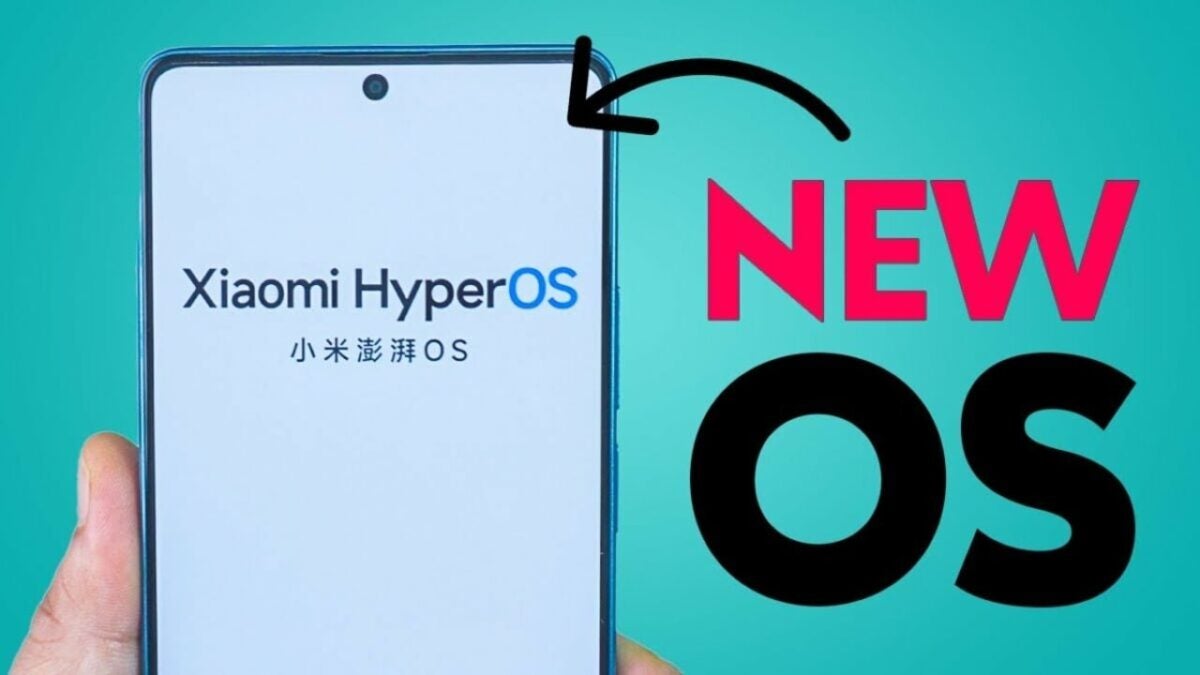
Moreover, the Xiaomi 14 and 14 Pro represent a significant milestone for the company as they will be the first ones to be introduced with HyperOS, replacing MIUI. As described by Lei Jun, CEO of Xiaomi, it is “a completely new operating system.” According to Jun, HyperOS has been restructured from top to bottom to create “a public IoT foundation for tens of billions of devices and millions of connections in the future.” In summary, this would enable the connection of hundreds of products with each other.

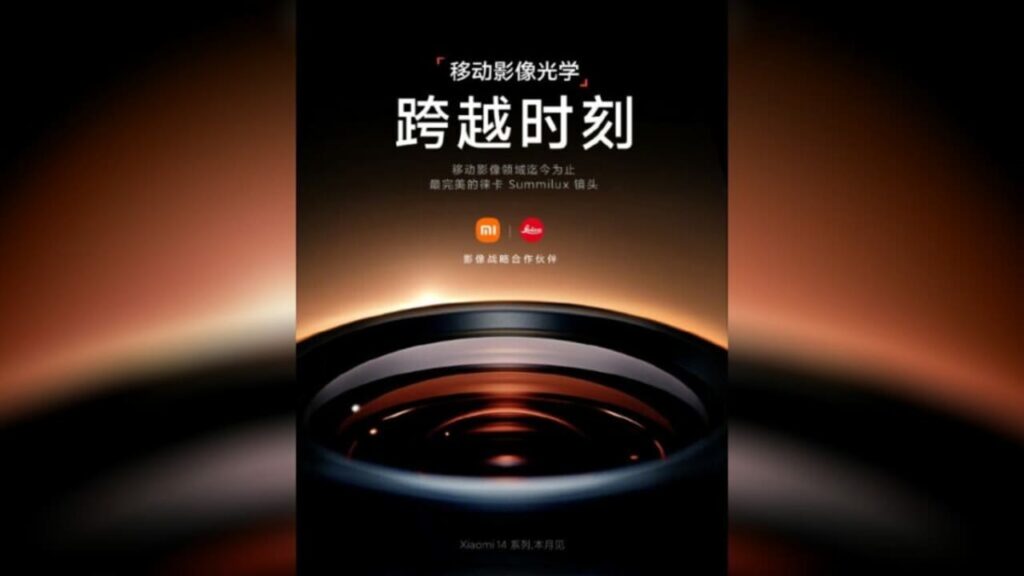
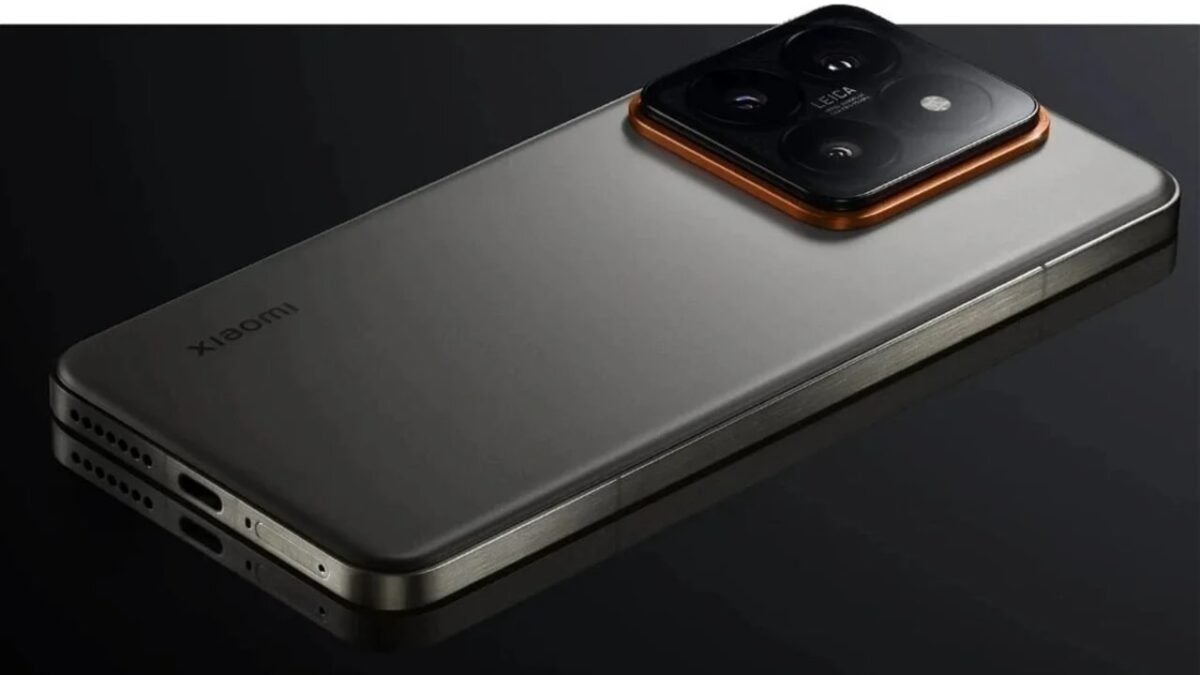
Xiaomi has used its message on Weibo to reveal some of the innovations that the devices will bring. The first of them is related to photography, specifically their camera system. Leica, the German company specializing in photographic optics, is once again collaborating with Xiaomi with its Summilux lenses, considered one of the best available in the market today.

Although we don’t know what will power these Xiaomi 14 and 14 Pro, it is expected to be among the first devices to incorporate the new Snapdragon 8 Gen 3. At least that’s what a leak indicates, revealing their supposed specifications. According to this leak, the new models would come with options of 12 and 16 GB of RAM, and internal storage choices ranging from 256 GB, 512 GB, to 1 TB. The camera sensor is also said to have been improved, featuring a 50-megapixel main sensor OV50H, along with a wide-angle and a 50-megapixel telephoto lens as well.

MIUI DOWNLOAD

Is Xiaomi saying goodbye to Android? This is HyperOS, its new operating system

The Xiaomi 14 family will be based on HyperOS, as announced by Lei Jun, CEO of Xiaomi, in X. And once again, Xiaomi shows us that they do not know how to put…

If you own a Xiaomi, Redmi, or POCO device, this news is very relevant to you. It’s also significant if you’re interested in the world of smartphones, given that these brands have hundreds of millions of users. Farewell to MIUI after 13 years as the main operating system for the Chinese company.

MIUI DOWNLOAD

Xiaomi’s next flagship will not be based on the company’s veteran MIUI operating system, which has been with us since 2010. Since then, this custom Android very inspired by iOS has been the OS of all Xiaomi, Redmi and POCO launched in a decade.

Instead, the Xiaomi 14 family will be based on HyperOS, as announced by Lei Jun, CEO of Xiaomi, in X. And again, Xiaomi shows us that they don’t know how to name their products.

Goodbye MIUI, hello HyperOS

According to Android Authority, HyperOS is a new operating system for smartphones that combines Android and the Vela system developed by Xiaomi.

Initially, HyperOS will be launched on Chinese versions of Xiaomi phones. When asked if HyperOS will also be available internationally, Jun responded, “stay tuned.”

Jun didn’t share any details about the appearance of the new operating system, and we also don’t have information about its features.

Lei Jun did mention that the underlying architecture has been “completely rewritten” and that the new operating system is “preparing a public IoT foundation for tens of billions of devices and tens of billions of connections in the future.”

Xiaomi’s MIUI operating system, based on Android, has been powering the company’s phones for 13 years. The latest version of the operating system, MIUI 14, was released in December 2022 and serves as the engine for Xiaomi’s current flagship devices, including the Xiaomi 13 Pro.

MIUI DOWNLOAD

With this Xiaomi invention, you won’t need to know languages anymore

The Asian company presents us with a new “pen” that promises to detect and translate any type of written text instantly.

Xiaomi surprises us once again with their creativity in creating products. This time, the Asian company introduces a new “pen” that promises to detect and translate any type of written text instantly.

MIUI Security DOWNLOAD

The Xiaomi MIJIA Dictionary Pen, as it’s called, is a gadget equipped with the latest technology, capable of “reading” any document by simply hovering it over. The device features a laser scanner that can capture entire pages and then translate them into other languages.

In addition to being a scanner, the Pen also acts as a dictionary, quite literally. Users can look up words on the device and instantly know their translations. The Pen also includes an 8-megapixel camera, allowing you to take pictures of large documents. From its small LED screen, you can check the resulting translation and even share it with your mobile device.

But that’s not all. The Xiaomi MIJIA Dictionary Pen not only translates texts but also understands what we say with our voice. This is possible thanks to its two microphones, which also employ noise reduction algorithms. This allows them to gather more and better information, resulting in better translations.

According to Xiaomi, the Pen is capable of achieving 99% accuracy when “understanding” written text in both Chinese and English. However, it is compatible with many more languages: Russian, Spanish, Japanese, German, and Korean, among others.

If you want to get your hands on this Xiaomi MIJIA Dictionary Pen, you’ll have to wait a bit because it’s currently only available in China. Its price starts from 699 yuan, which translates to about 90 euros at the current exchange rate.

MIUI Security DOWNLOAD

This Xiaomi gadget removes almost any chemical from your food

If there’s something that distinguishes Xiaomi from the rest of the technology companies, especially the Chinese ones, it’s their total and absolute ambition: while others focus on mobile phones and creating tablets, Xiaomi constantly works to enter people’s homes through extraordinary gadgets like the incredible 3D printer that could sooner or later become a reality or, more recently, a kitchen device that serves to remove traces of chemicals from our food, particularly from our fruits and vegetables.

This almost magical device is called Mijia Fruits and Vegetables Cleaner, a name perhaps too long for marketing purposes but fits extremely well with the function it performs: the Mijia cleaner is specially designed to clean fruits and vegetables, although there’s nothing stopping you from using it for meats and fish, and it might even be advisable for the latter if their source is not entirely clear.

A much-needed product at an affordable price

The Mijia cleaner is currently being marketed exclusively through Xiaomi Youpin, the brand’s crowdfunding platform, so it’s not yet available in Europe. However, the price of this product is only 449 yuan, which translates to about 58 euros once converted. If it eventually becomes available, it doesn’t seem like an unreasonable price considering the service it offers and the help it can provide to users’ health.

The product’s operation seems to be simple: it has a main body where the controls and a display screen are located. From its sides, two heads unfold, connected to the main body via a cable. All you need to do is insert these heads into the container where the items to be cleaned are submerged, and they will start eliminating the chemicals present on the surface of the products. It does this by vibrating through a variable frequency motor and a water purifier based on chlorine oxides.

According to the technical specifications, the Mijia cleaner has the ability to eliminate 94.8% of the chemicals present in the treated foods, making them much less dangerous for consumption.