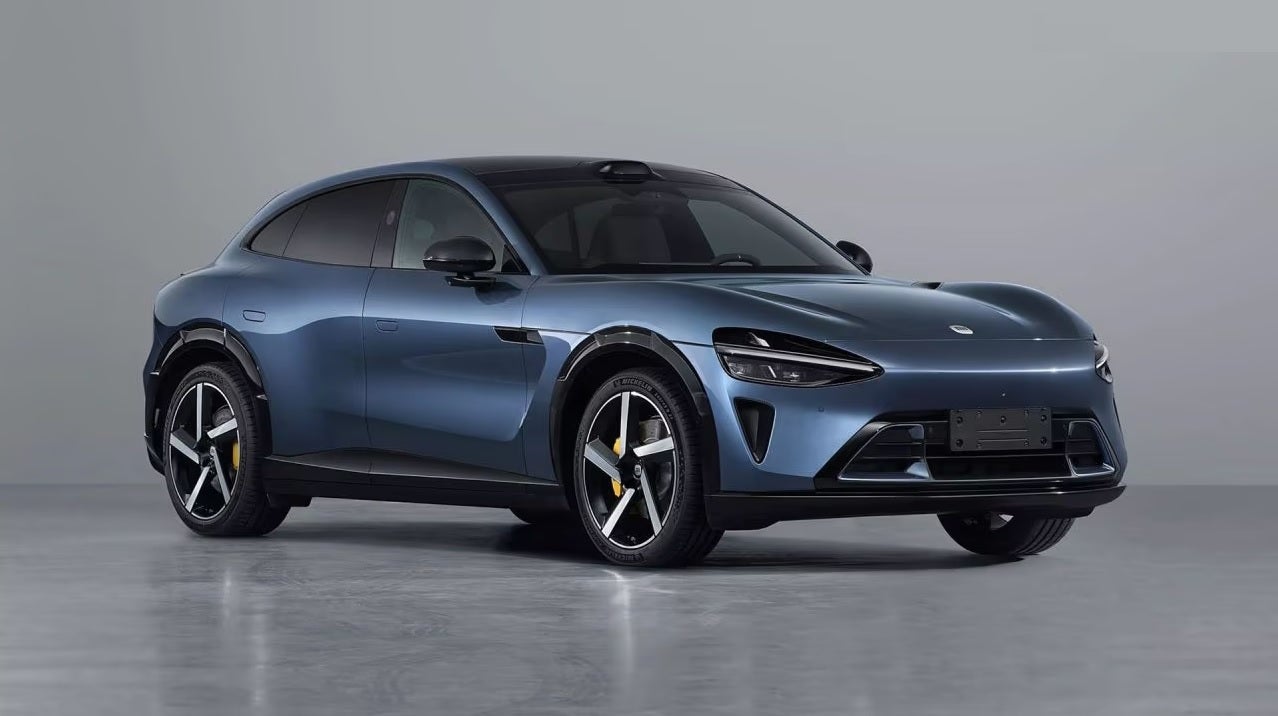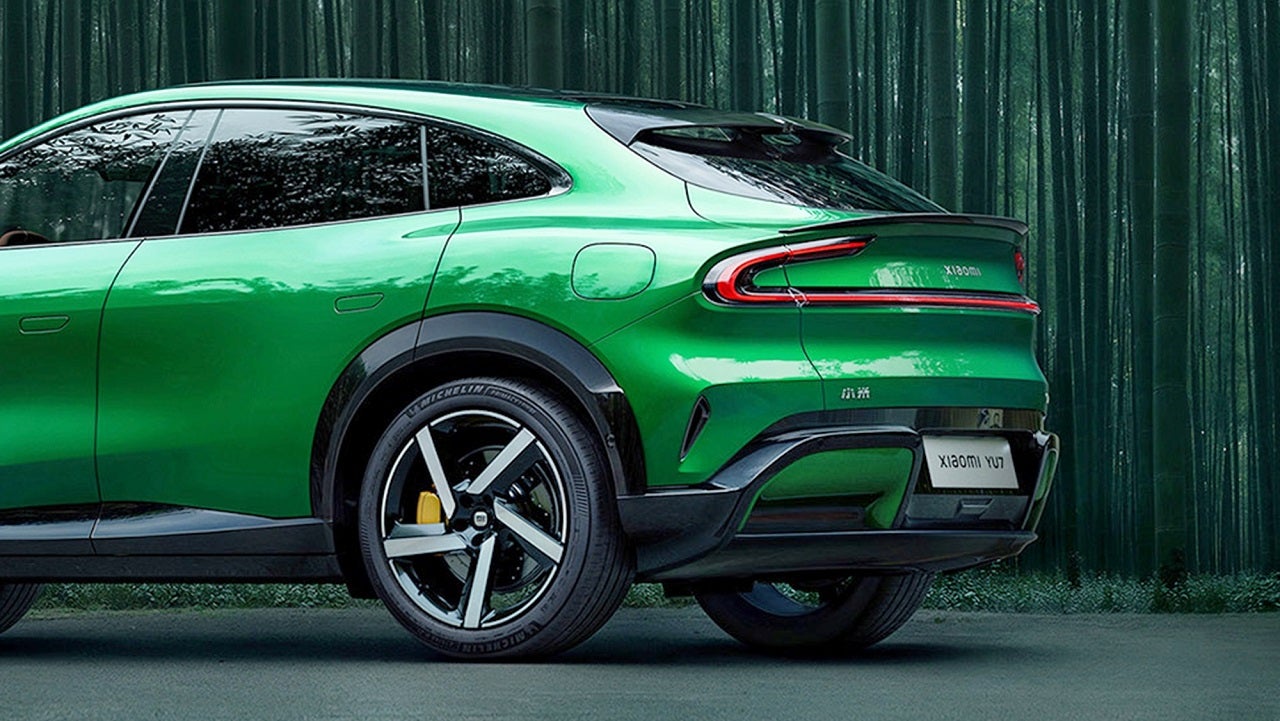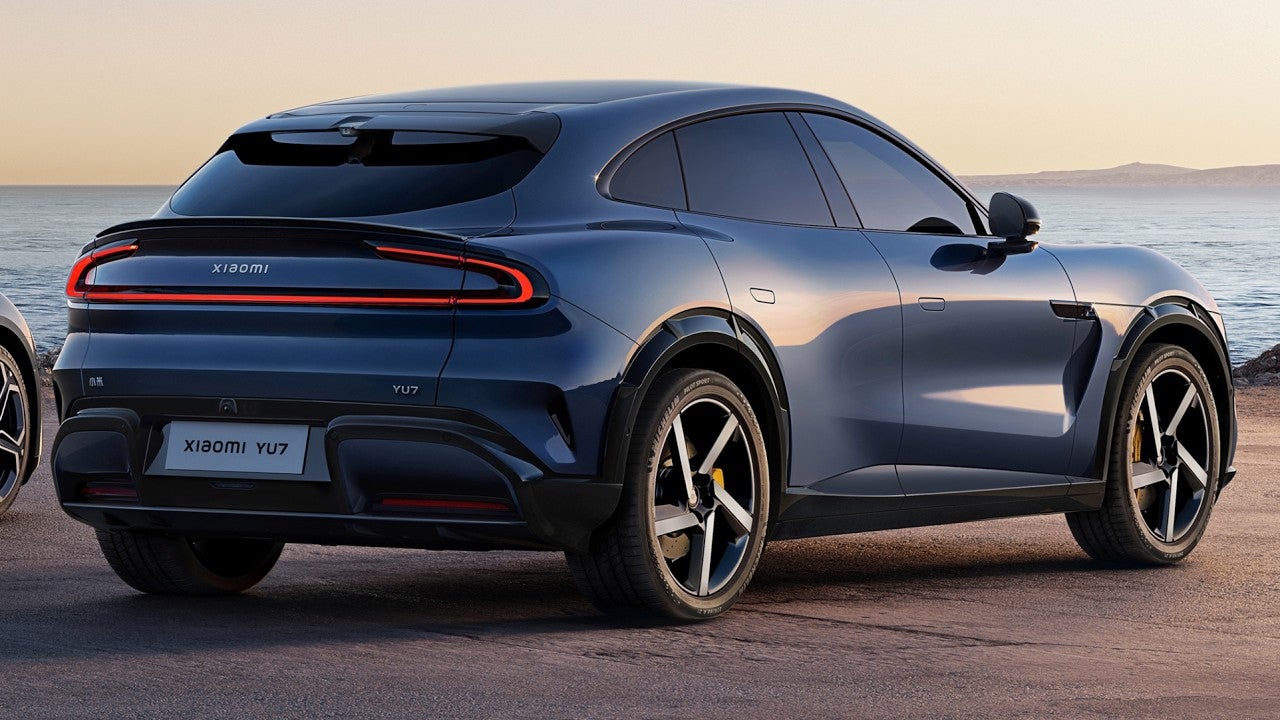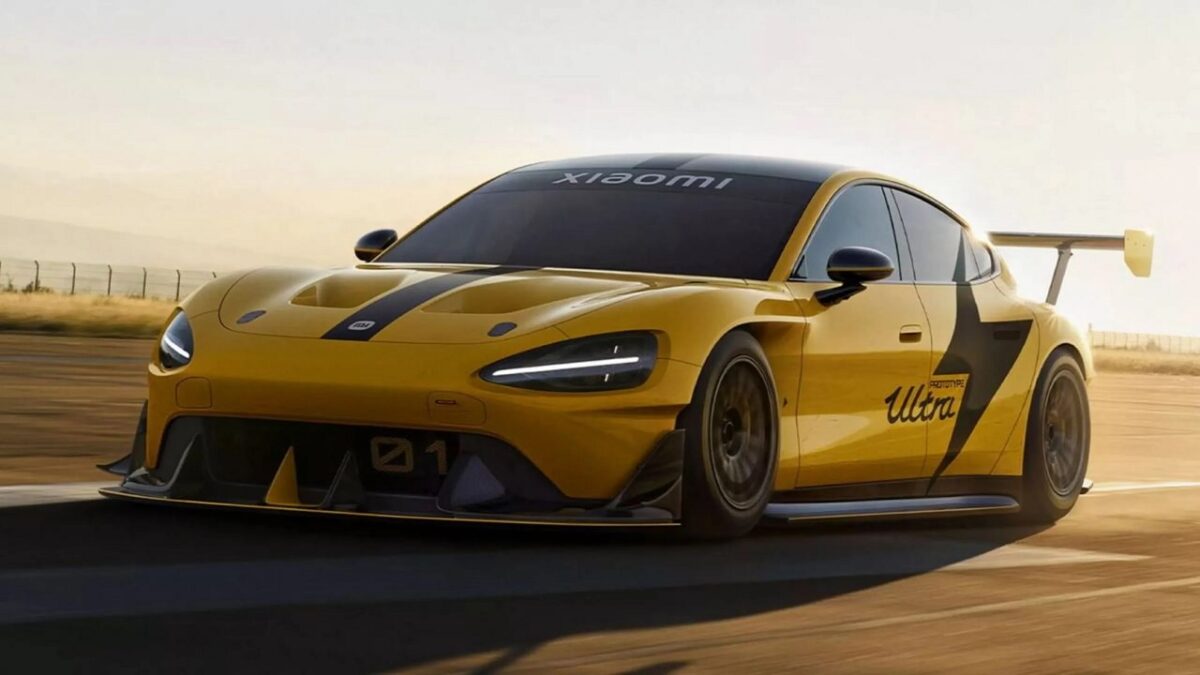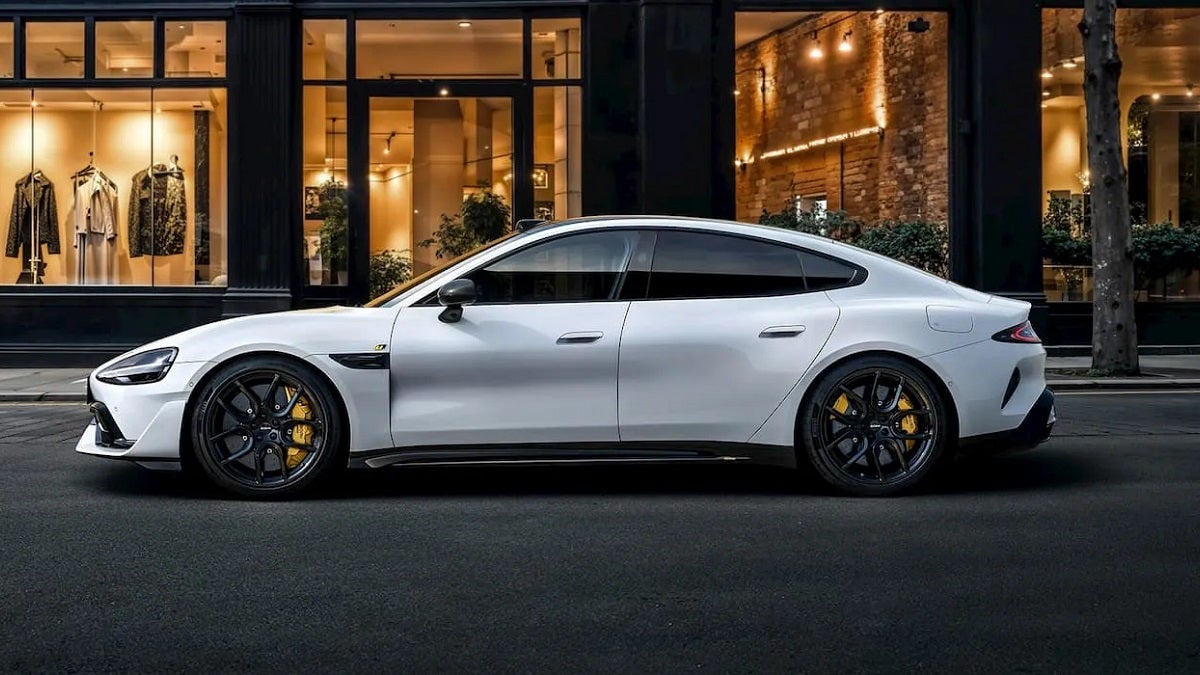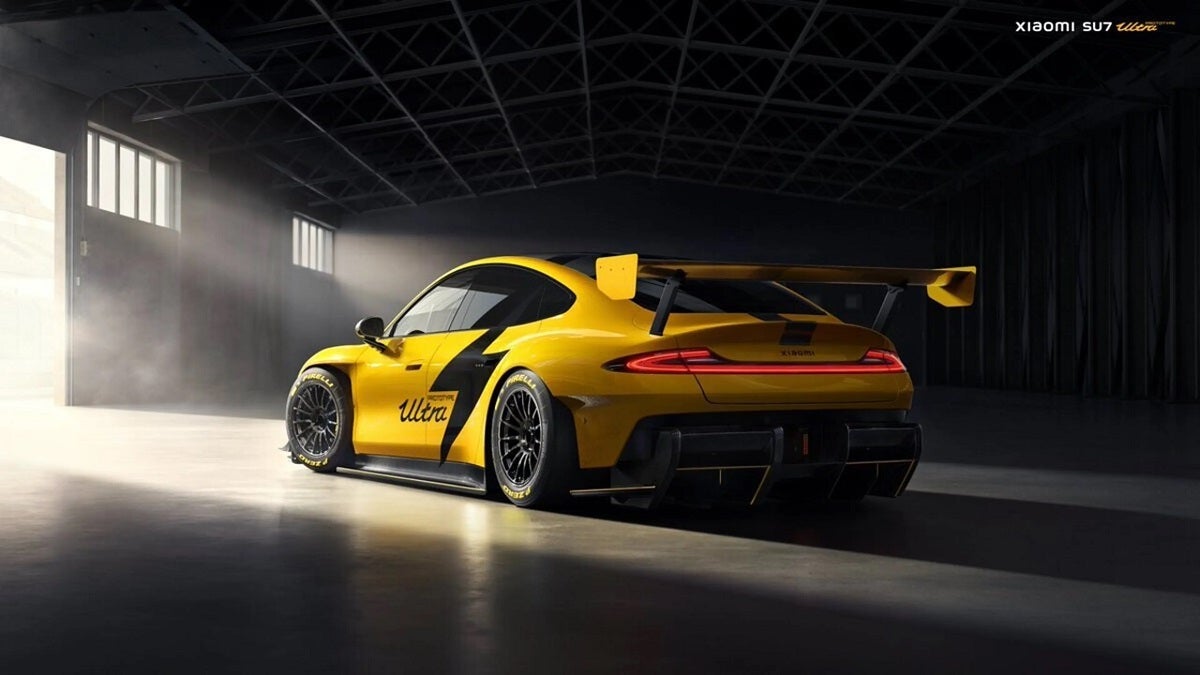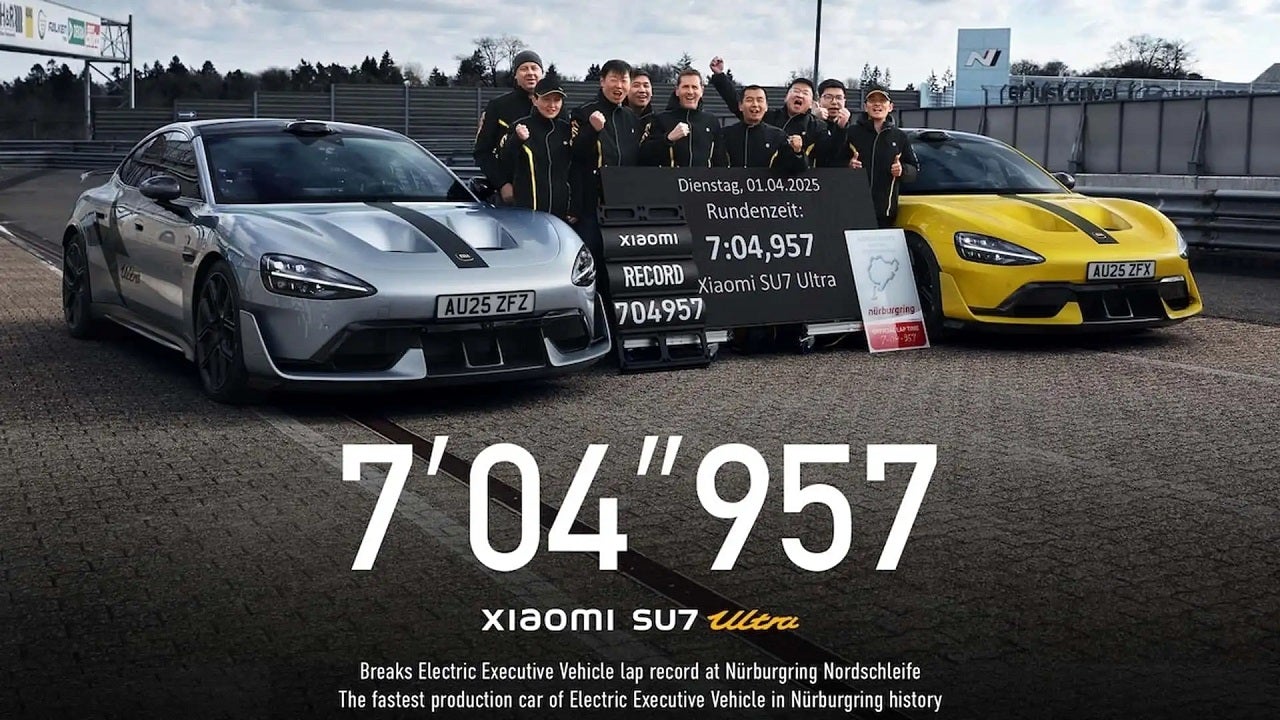
Xiaomi has made headlines in the automotive world by setting a new record for a production electric vehicle (EV) at the iconic Nürburgring Nordschleife, clocking an impressive time of 7:04.957.
This achievement positions the Xiaomi SU7 Ultra as the fastest mass-produced electric car on one of the world’s most renowned racetracks, surpassing Rimac’s Nevera and leaving behind notable contenders such as the Porsche Taycan Turbo GT.
The Nürburgring Nordschleife has established itself as a crucial testing ground for car manufacturers, particularly as battery electric vehicles (BEVs) continue to gain traction as an alternative to traditional combustion engines.
SU7 Ultra Beats Rimac Nevera, Claims Title of Fastest Mass-Produced EV
With nearly a century of racing history, the track has witnessed some of the most blistering lap times. The previous record for a production BEV was held by Rimac Nevera, which completed the lap in 7:05.298, a time now eclipsed by Xiaomi’s SU7 Ultra.
This record-breaking performance is part of a burgeoning partnership between Xiaomi and the Nürburgring, signifying the company’s growing ambitions in the electric vehicle sector.
Following their remarkable lap performance in October, Xiaomi was invited to join the Nürburgring’s exclusive “Industriepool” program, where automakers can test and develop their vehicles on this legendary circuit for a total of sixteen weeks each year.
Looking ahead, Xiaomi founder Lei Jun has confirmed that a production version of the SU7 Ultra is slated for release in the first half of 2025. With the brand positioned as a formidable competitor in the EV market, the conversation around the potential for even faster lap times remains open, as Jun hinted at the possibility of future records being broken. Quantum leaps in technology and fierce competition in the BEV sector suggest that the race is far from over.