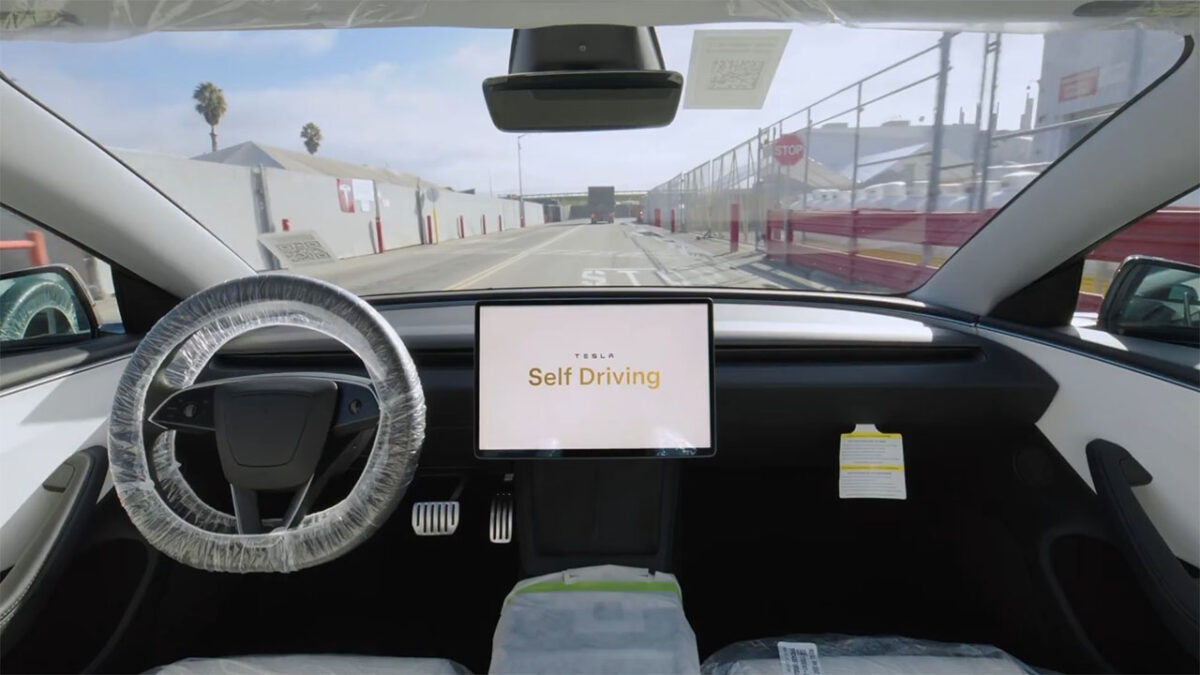
Tesla has officially entered the testing phase for its autonomous vehicles in Austin, Texas, just days before its anticipated launch of a commercial ride-hailing service slated for June.
This marks a significant pivot from the company’s previous ambitions of enabling unsupervised self-driving in the millions of vehicles sold since 2016.
Instead, Tesla now plans to operate a controlled fleet of vehicles specifically designed for a geo-fenced area in Austin and heavily supported by teleoperation.
Elon Musk Faces Timeline Doubts as Tesla Joins Austin’s Autonomous Vehicle Testing
While CEO Elon Musk has expressed his goal of offering paid rides starting this summer, there are growing doubts regarding this timeline. Musk has acknowledged that Tesla only commenced testing its autonomous system without safety drivers at the end of May.
In contrast, competitor Waymo has been operating its driverless ride-hailing system for several months after completing both driver- and non-driver-testing phases over the last year in various cities.
As of today, Tesla has finally been added to the city’s official list of “Known AV Operators,” but only in the “testing” phase, while Waymo continues to solely hold the “deployment” status. This raises questions around whether the city’s website merely lags behind or if Tesla truly just began its testing in the region.
Historically, Tesla has sidestepped stringent reporting requirements on its self-driving tests by classifying its Full Self-Driving (FSD) capability as a level Advanced Driver Assistance System rather than true autonomy.
Current FSD performance has raised safety concerns, averaging about 500 miles between critical disengagements, indicating vulnerabilities if the driver is removed entirely. While teleoperation may mitigate some risks, any delays in communication could still pose significant dangers during emergencies.