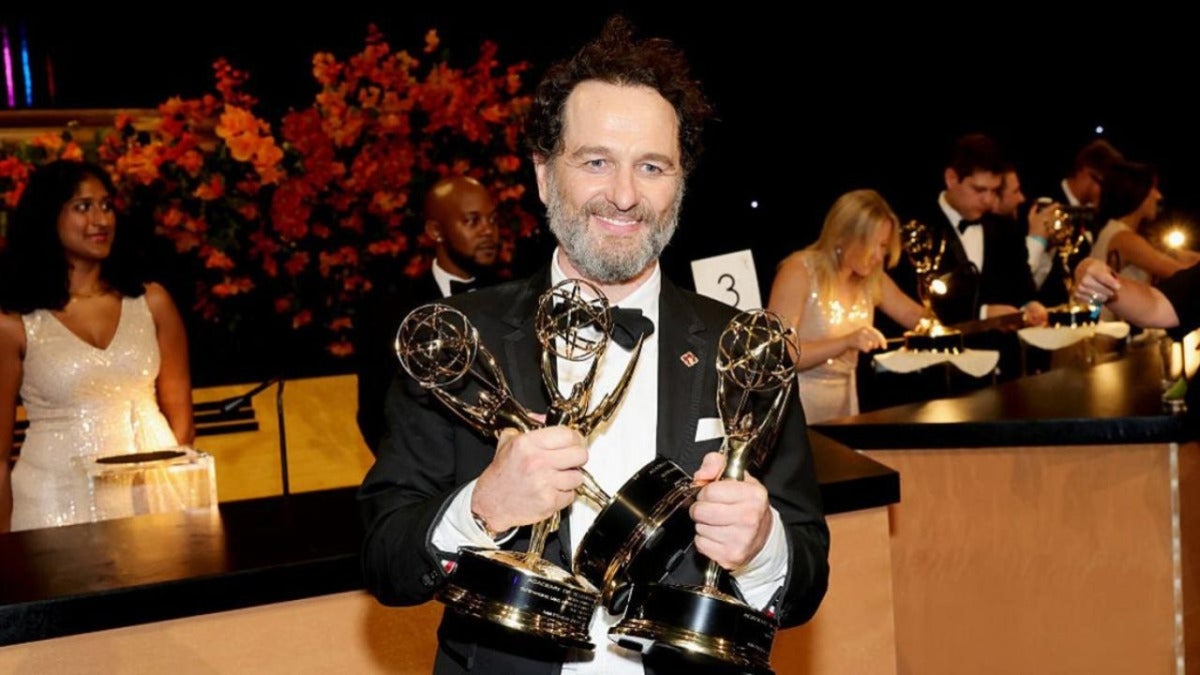
It may be the drift of the times or mere coincidence, but years after the controversy over the Emmys having honored only white people, this year the Academy has pulled the same move again in what’s being called Emmys So White 2. There were options to vote for performers of other races, but the 12 winners for best performance are all white, something that fits with who’s in power in the White House but should set alarm bells ringing all over Hollywood.
So, so white
It’s true, to be fair, that at yesterday’s ceremony we did see something unprecedented: Hiro Murai won the award for best director for The Curse of Widow’s Bay, the first Asian director to win in drama directing (and the third Asian director, overall, to win anything at the Emmys after Beef and Squid Game). But it’s not enough.
In 2021 there were 49 nominees of color, and in 2026 that number is down to 17. It’s the political climate, it’s the urge to stir things up, you never know. But it’s pretty telling that, out of 60 nominees, 43 are of the same race. Mind you, they deserve it: no one is questioning that Gary Oldman, Harrison Ford or Noah Wyle deserve to be there, but it’s telling that, for example, Ayo Edebiri went home empty-handed.
It was a shame that Oscar Isaac couldn’t take home his well-deserved award for Beef, even if that would have deprived us of the huge moment of Matthew Rhys going up twice to collect the trophy (for actor in a miniseries and in comedy), but the question isn’t whether he deserved it more or less: the one we should be asking is whether this is normal, is going to be the new standard, and how long it’s going to last before minorities can speak up again. Because the Emmys, like all awards, are a reflection of society (or of what the street is supposed to be). If that’s the case, we’ve taken a huge step backward. And it’s not clear we’ll be able to move forward again.
