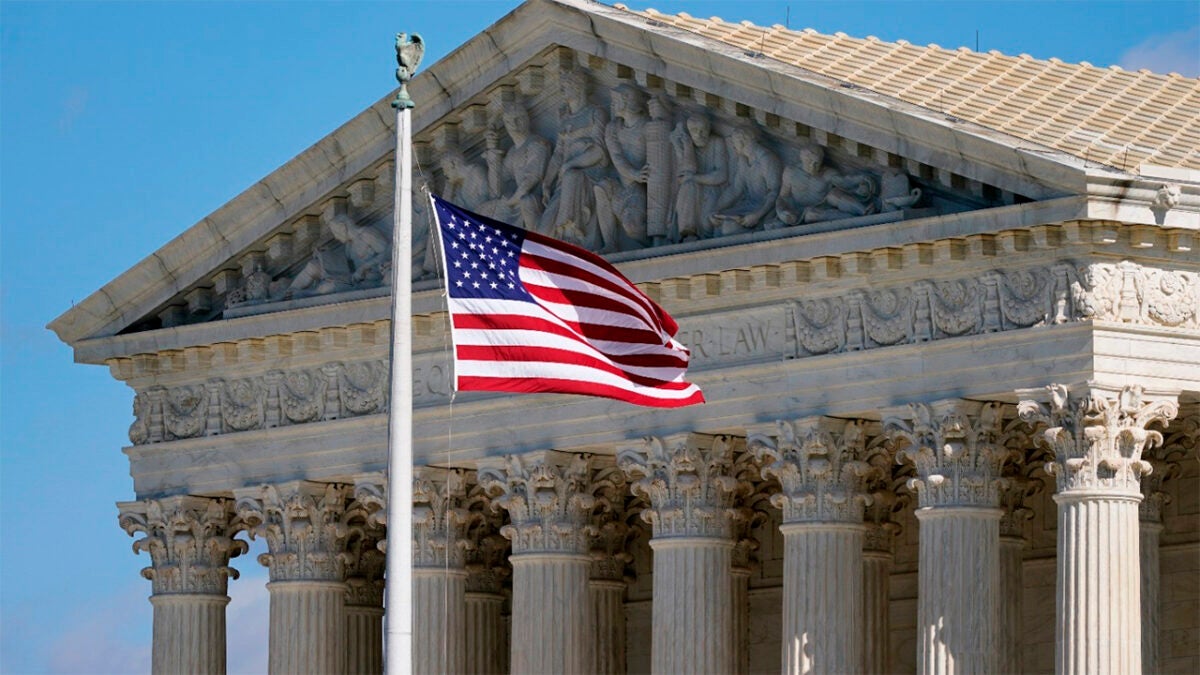
On Wednesday, the Supreme Court of the United States backed the Biden Administration in a dispute with Republican-led states over the scope of the federal government to combat misinformation related to COVID-19 and election security.

With a 6-3 decision, the judges overturned previous rulings that favored Louisiana, Missouri, and other states, which claimed that some federal officials were coercing social media platforms to suppress conservative viewpoints.
Judge Amy Coney Barrett, the author of the ruling, argued that the states and other parties lacked standing to sue. Justices Samuel Alito, Neil Gorsuch, and Clarence Thomas dissented. This decision will not affect regular users of social media or their posts.
The case is part of a broader context where the Court examines various conflicts involving social media companies and freedom of speech. Specifically, the Court has dealt with laws in Florida and Texas that prohibit major social networks from deleting posts based on their viewpoints. The plaintiffs accuse officials from the White House, the Surgeon General, the FBI, and the Cybersecurity Agency of exerting pressure on platforms to modify internet content.

During the arguments, the judges were skeptical of these claims. The Biden Administration argued that a decision against it would hinder the government’s ability to communicate with social media about dangerous posts, such as those that are anti-Semitic, anti-Muslim, and related to national security and electoral integrity. Karine Jean-Pierre, White House Press Secretary, celebrated the ruling, highlighting that it enables the government to continue protecting the safety of Americans.
Liz Murrill, Attorney General of Louisiana, described the decision as “unfortunate and disappointing,” stating that it allows for government censorship. In his dissent, Alito expressed that the states demonstrated their right to sue and that the pressure on Facebook was a serious threat to the First Amendment.
The decision comes at a time when social networks like Twitter, under the leadership of Elon Musk, have greatly relaxed their barriers against disinformation and hate speech, restoring accounts of conspiracy theorists and significantly reducing the moderation of this type of content. Experts warn that this trend could worsen electoral disinformation in 2024.
Source: Associated Press News
